Salut les amis! Ever wrestled with the French past tense, the passé composé? It can feel like wrangling a particularly opinionated baguette, non? Today, let’s chill and explore one specific verb's journey in the past: the mighty recevoir (to receive). Think of it as virtually unwrapping a linguistic gift. Ready?
Unpacking "Recevoir": Present Tense First!
Before we dive into the past, a quick refresher. "Recevoir" in the present is pretty straightforward:
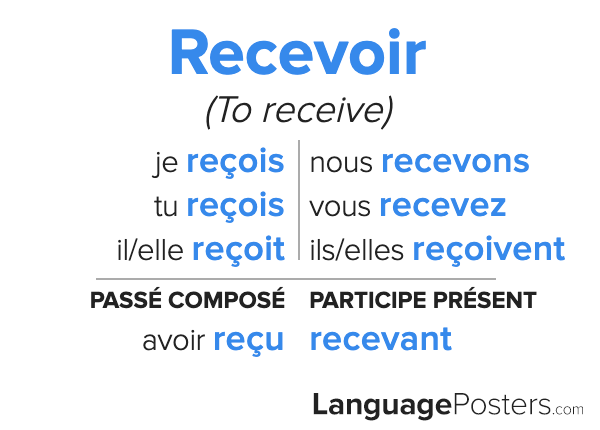
- Je reçois (I receive)
- Tu reçois (You receive)
- Il/Elle/On reçoit (He/She/One receives)
- Nous recevons (We receive)
- Vous recevez (You receive)
- Ils/Elles reçoivent (They receive)
Easy peasy, lemon squeezy, right? But how do we say, "I received"? That's where the passé composé waltzes in.
The Passé Composé: Your Time-Traveling Companion
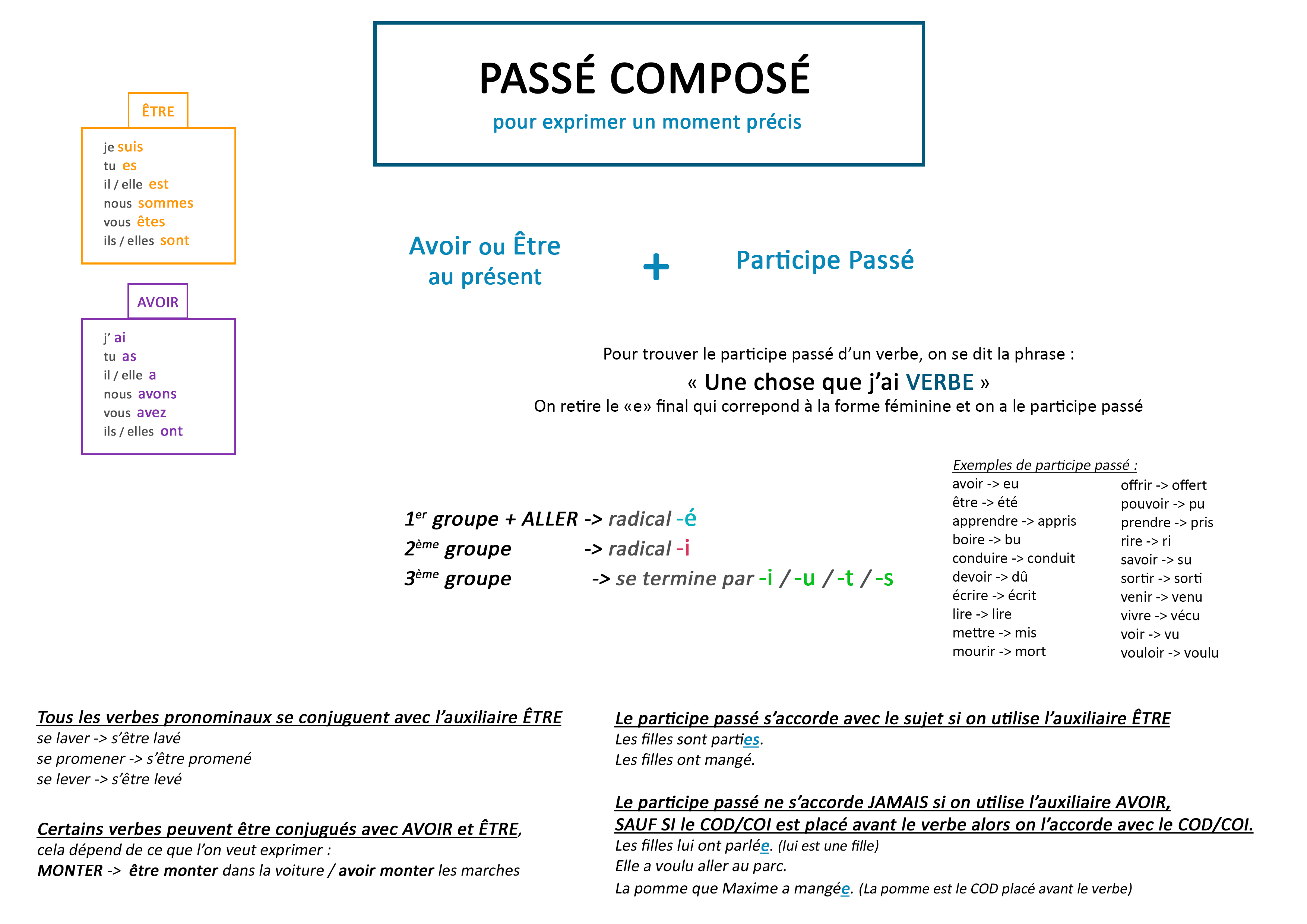
Think of the passé composé as your linguistic DeLorean. It zaps you back to the past. It's generally used for completed actions. The basic formula is:
Auxiliary Verb (avoir or être) + Past Participle
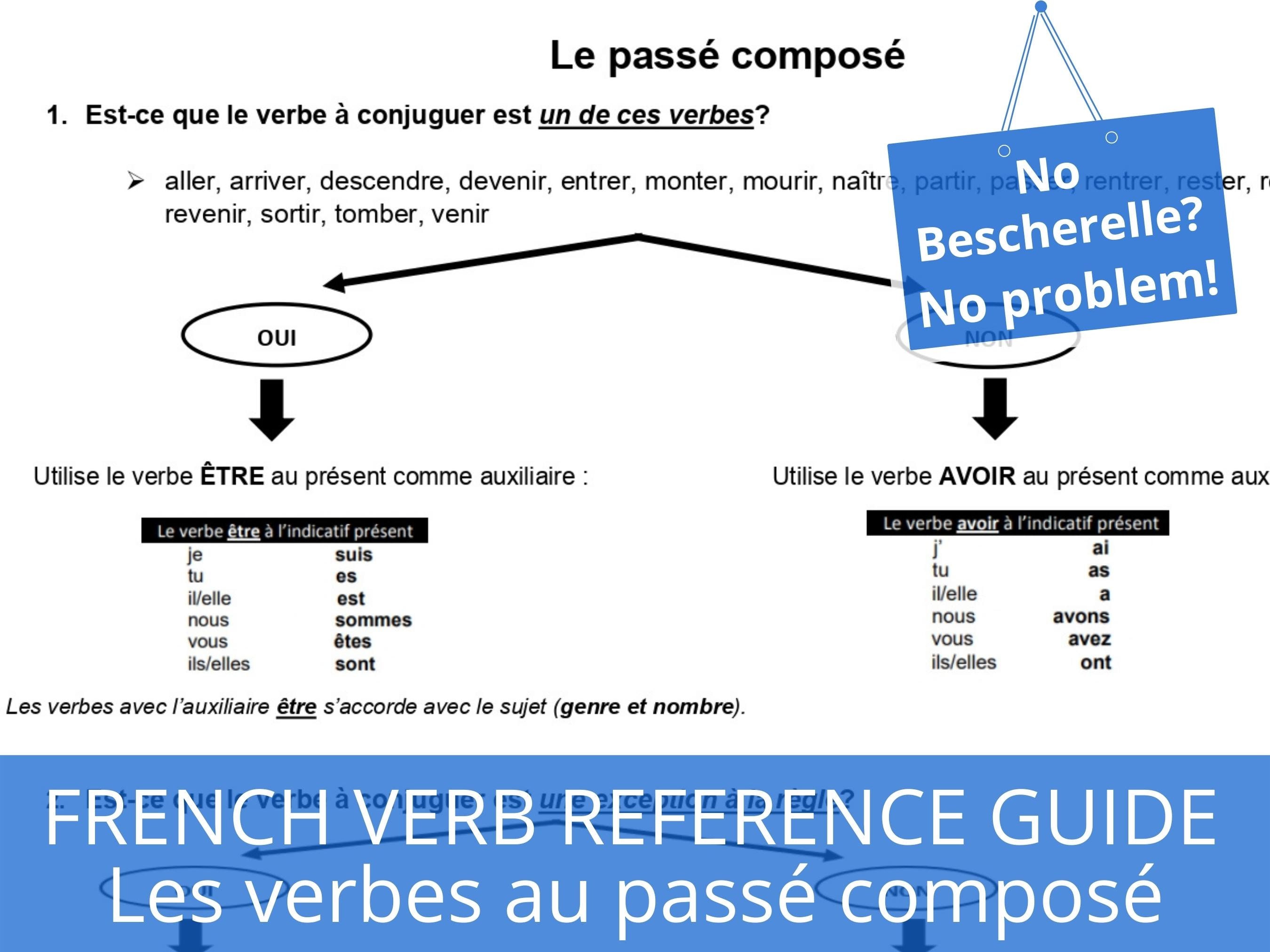
So, what does this mean for "recevoir"? Well, "recevoir" is a verb that plays nice with avoir. That means we'll be using avoir as our auxiliary verb. But what’s the past participle of recevoir?

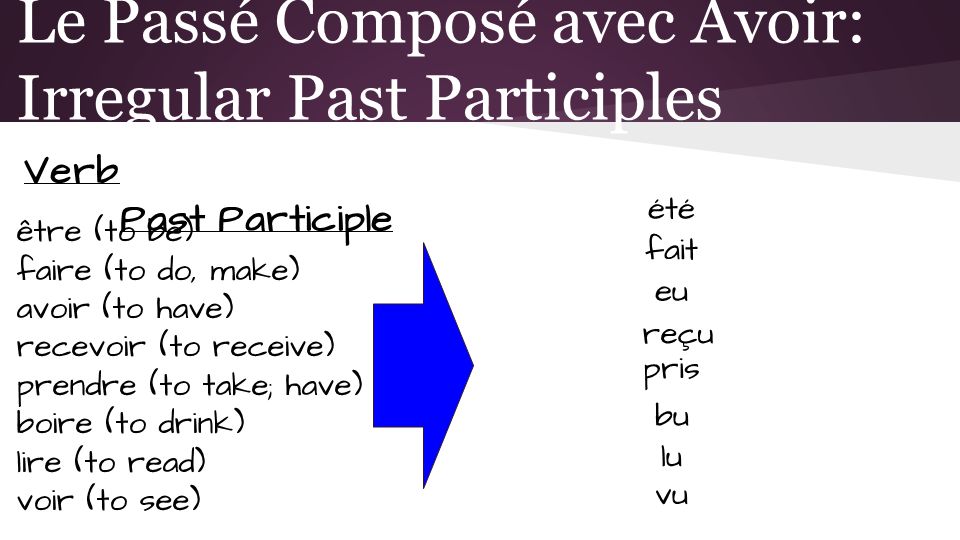
Tada! "Reçu" - The Past Participle
The past participle of "recevoir" is reçu. It's pronounced like "ruh-soo." It's arguably one of the easier past participles to remember, and that’s always a win!
Putting it All Together: "J'ai reçu"!
Now for the magic moment! To say "I received," we combine avoir (in the correct conjugation) with reçu:
J'ai reçu! (I received!)

Isn't that satisfying? Like finally finding the missing sock in the laundry. And the rest of the conjugations follow the same pattern:
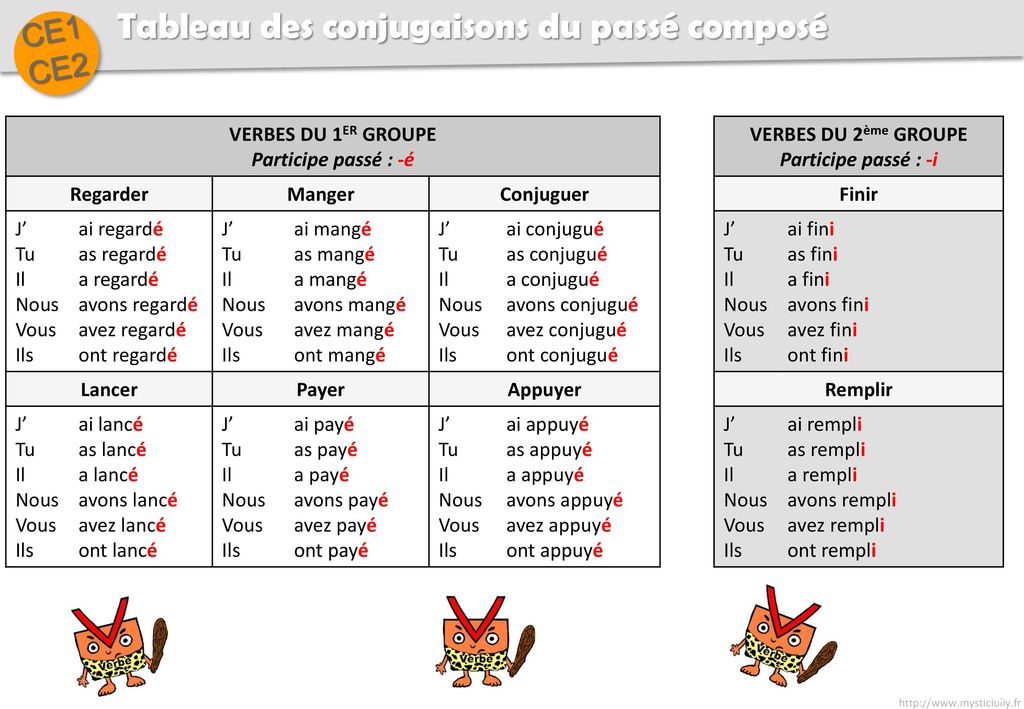
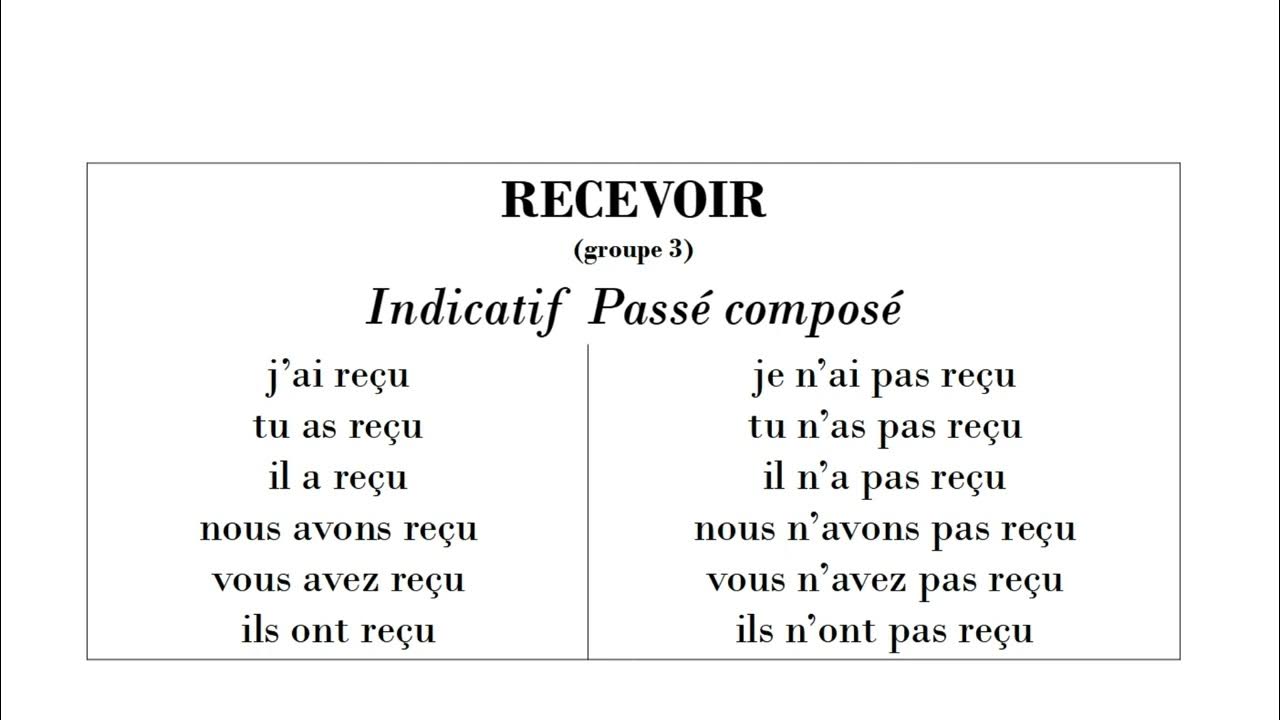
- J'ai reçu (I received)
- Tu as reçu (You received)
- Il/Elle/On a reçu (He/She/One received)
- Nous avons reçu (We received)
- Vous avez reçu (You received)
- Ils/Elles ont reçu (They received)
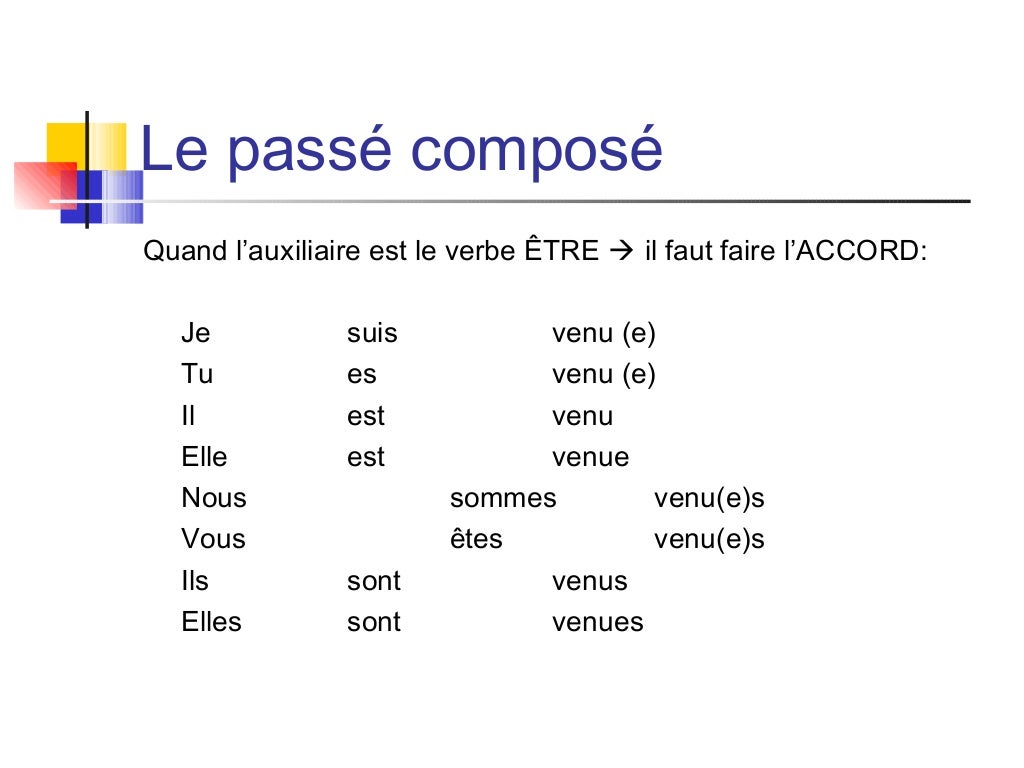
Notice something crucial? The past participle reçu doesn't change its spelling based on gender or number. It remains reçu. This is because we’re using avoir as the auxiliary verb. If we were using être, things would be different, and we’d need to make agreements! But let's not go there today; we're keeping it chill.
Why is "Recevoir" in the Passé Composé Interesting?
Okay, so we know how to conjugate it. But why should you care? What makes "recevoir" in the passé composé worth a second glance? Here are a few reasons:
- Ubiquity: You'll use it all the time! Think about it. We receive things constantly: gifts, emails, letters, news, even compliments! It’s a verb that reflects daily life.
- Building Block: Mastering "recevoir" in the passé composé helps you understand the general structure of this crucial tense. It's like laying a solid foundation for your French grammar house.
- Nuance: Using the passé composé for "recevoir" implies a completed action. You did receive something. It’s not ongoing, it’s finished. Compare this to the imparfait (another past tense) which describes repeated or habitual actions in the past. Saying "Je recevais des lettres de ma grand-mère" (I used to receive letters from my grandmother) evokes a different feeling than "J'ai reçu une lettre de ma grand-mère" (I received a letter from my grandmother). See the difference?
"Recevoir" in Action: Examples Galore!
Let's see "recevoir" in the passé composé strut its stuff:
- J'ai reçu un magnifique bouquet de fleurs pour mon anniversaire. (I received a beautiful bouquet of flowers for my birthday.)
- Tu as reçu un email important de ton patron. (You received an important email from your boss.)
- Il a reçu une promotion bien méritée. (He received a well-deserved promotion.)
- Nous avons reçu beaucoup de cadeaux à notre mariage. (We received a lot of gifts at our wedding.)
- Vous avez reçu un colis aujourd'hui. (You received a package today.)
- Elles ont reçu de bonnes nouvelles. (They received good news.)
See how the passé composé paints a picture of a specific, completed action in the past? It's like snapping a photo of that moment of receiving. You can almost see the smile, the excitement, the surprise!
Common Mistakes (and How to Avoid Them!)
Everyone makes mistakes when learning a new language. It's part of the process! Here are a few common pitfalls to avoid when using "recevoir" in the passé composé:
- Forgetting the auxiliary verb: Don't just say "J' reçu." You need that "ai" (or "as," "a," etc.) to make the tense work! Think of the auxiliary verb as the engine that powers your time machine.
- Using the wrong auxiliary verb: "Recevoir" always takes avoir in the passé composé. Never être!
- Incorrect past participle spelling: Remember, it's reçu, with a "ç." Don't get it mixed up with something else.
Practice Makes Perfect (and Delicious!)
The best way to master "recevoir" in the passé composé? Practice, practice, practice! Here are a few ideas:
- Write sentences: Describe things you've received recently. Get creative!
- Talk to yourself: Seriously! Narrate your day in the past tense. "Ce matin, j'ai reçu un appel de mon ami." (This morning, I received a call from my friend.)
- Read French texts: Pay attention to how "recevoir" is used in the passé composé in books, articles, and online content.
- Listen to French conversations: Notice how native speakers use the verb in everyday speech.
"Recevoir" vs. Other Verbs: A Quick Comparison
Let's see how "recevoir" in the passé composé stacks up against some other common verbs in the same tense. This will help solidify your understanding of the pattern.
- Parler (to speak): J'ai parlé (I spoke) - Avoir + parlé
- Manger (to eat): J'ai mangé (I ate) - Avoir + mangé
- Voir (to see): J'ai vu (I saw) - Avoir + vu
Notice the pattern? Avoir is the auxiliary, and the past participle changes (parlé, mangé, vu), but the structure remains the same. Once you grasp this basic structure, tackling the passé composé becomes much less daunting.
Final Thoughts: You've "Reçu" This!
So, there you have it! A friendly deep dive into the verb "recevoir" in the passé composé. It might seem a little intimidating at first, but with a little practice, you'll be wielding this verb like a pro. Think of all the things you can now say you've received! Compliments, gifts, messages, opportunities… the possibilities are endless!
Keep practicing, stay curious, and don't be afraid to make mistakes. After all, even the best French chefs burn the occasional croissant. Bon courage, and à bientôt!