Okay, so picture this: moi, frantically searching for my keys, five minutes before my rendezvous with Julien at that ridiculously trendy new café (you know, the one with the artisanal avocado toast that costs more than my rent?). "Mais où sont mes clés?!" I’m yelling, ransacking every possible location. Finally, I find them… in the fridge. Yes, the fridge. Judge me all you want, sleep deprivation is a real thing! Anyway, I was late. Julien, bless his patient soul, was already there. And that whole scene made me think: "Je suis sortie en retard" - I left late. Ah, the glorious passé composé strikes again! Let's dive into the wonderful world of the verb "sortir" in this oh-so-important tense.
Sortir: More Than Just Leaving the House
First things first, let's acknowledge that "sortir" isn't just about physically exiting a building. It's more nuanced than that! It can mean to go out, to take something out, to date someone… basically, it's a versatile little word with a lot going on. Think of it like the Swiss Army knife of French verbs. You always need it.
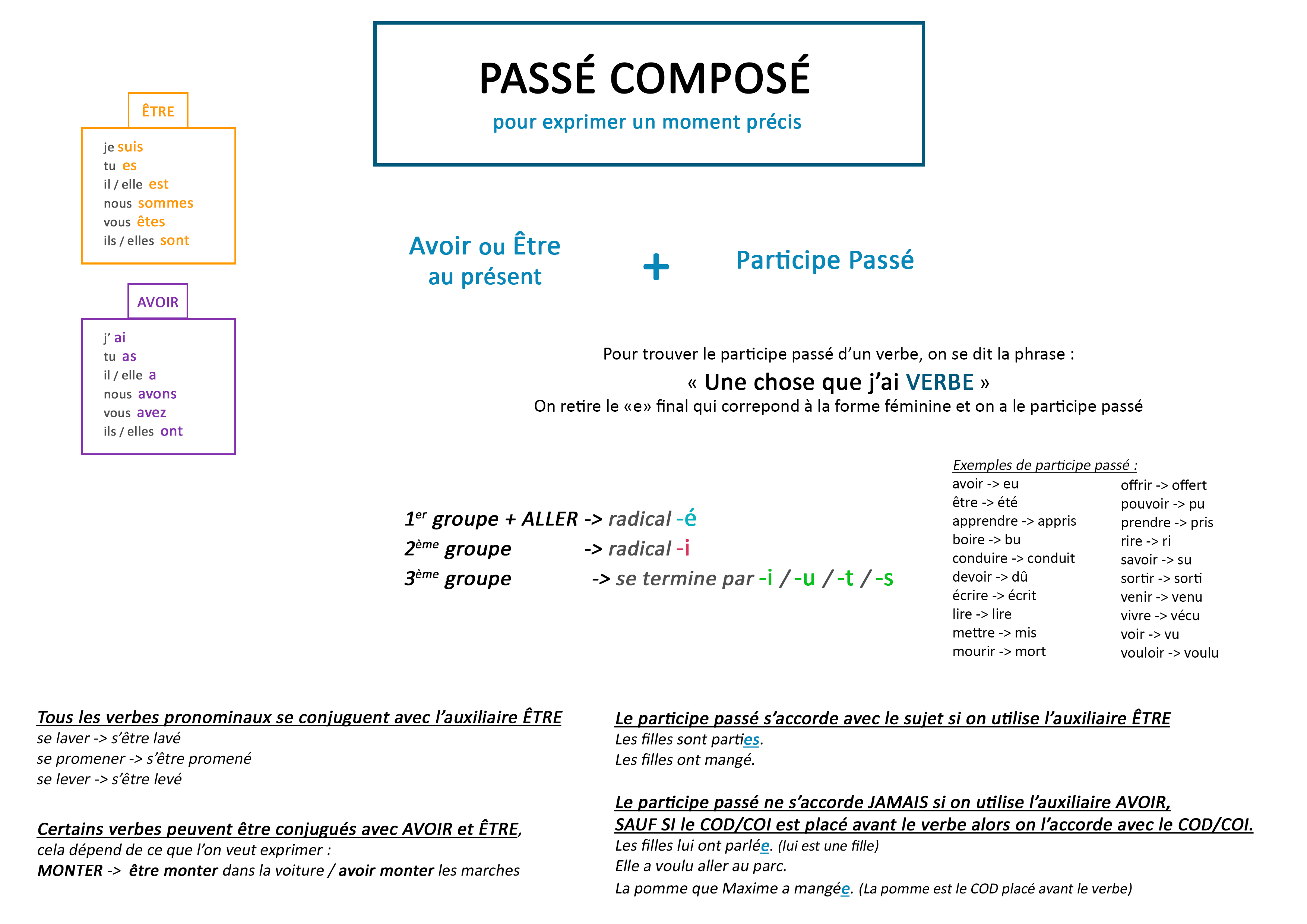
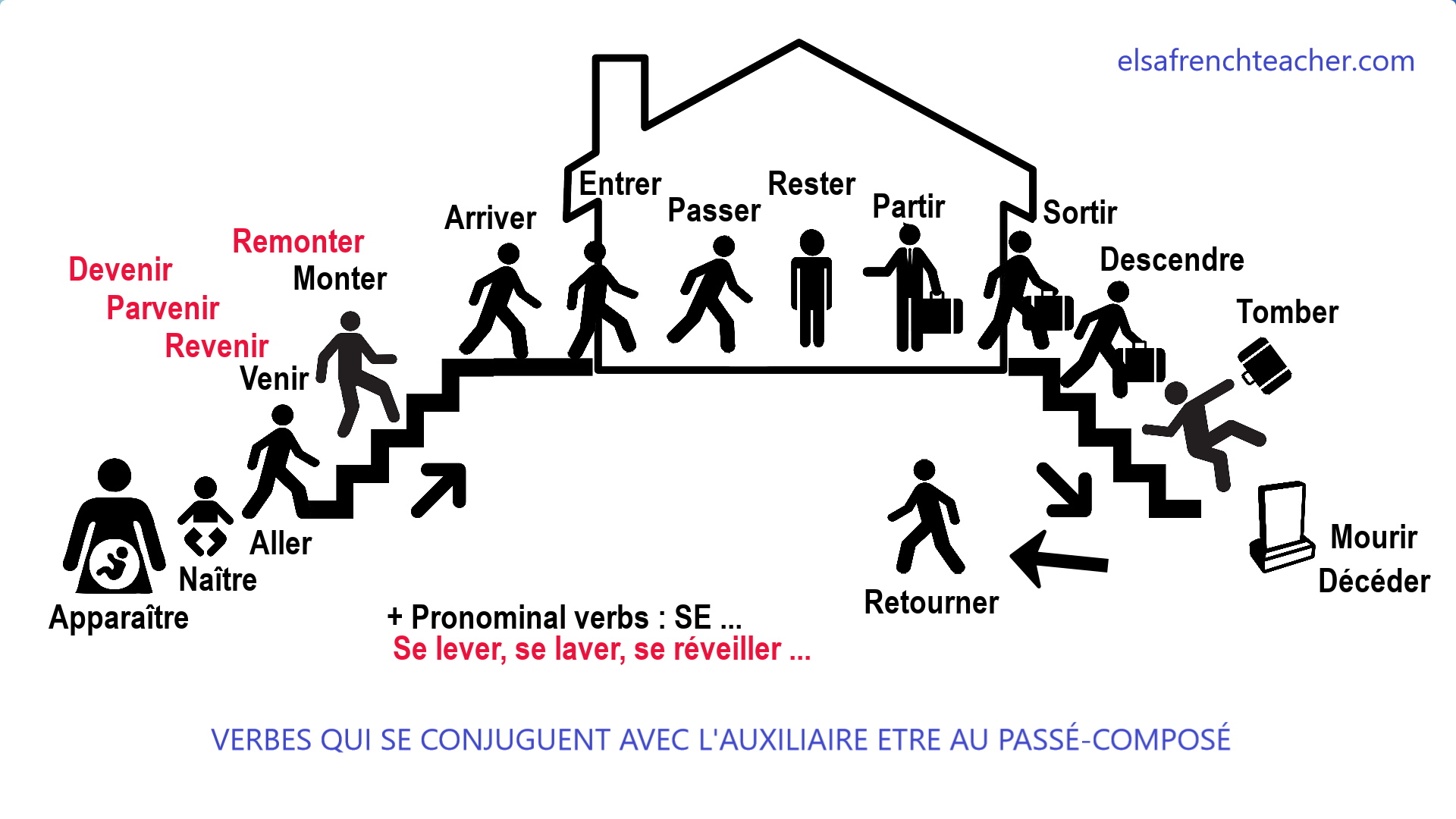
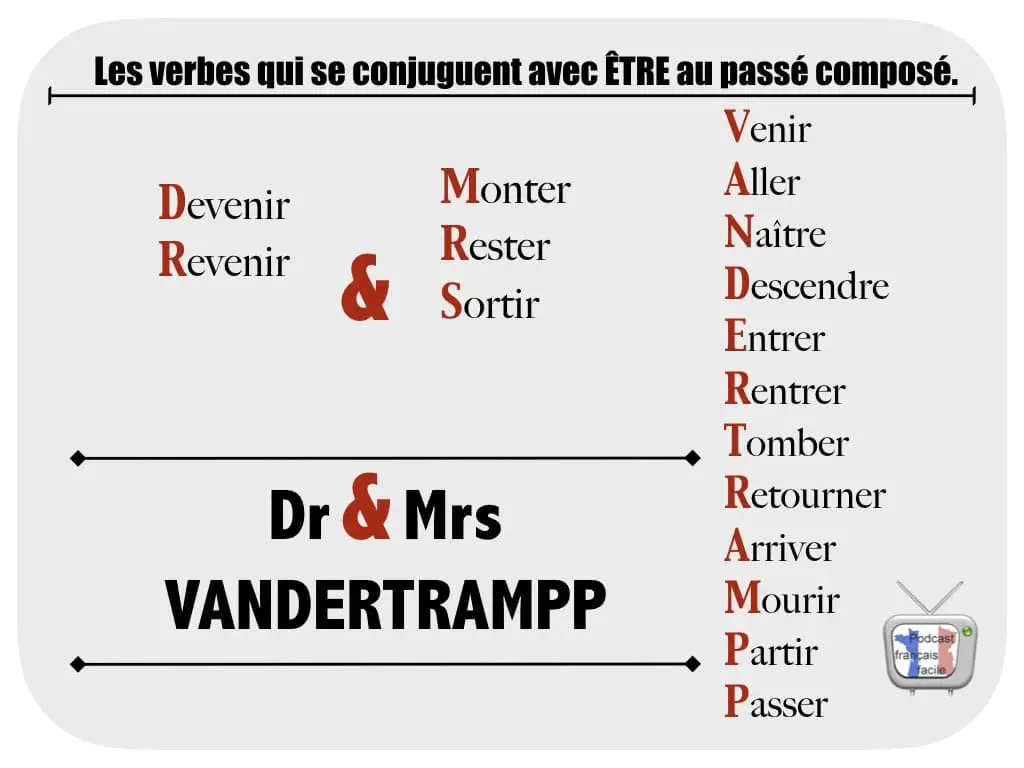
And because life isn't simple, "sortir" can be conjugated with both être and avoir in the passé composé! Oh, the drama! But don't panic, we'll break it down.
Sortir with Être: When You're the Star
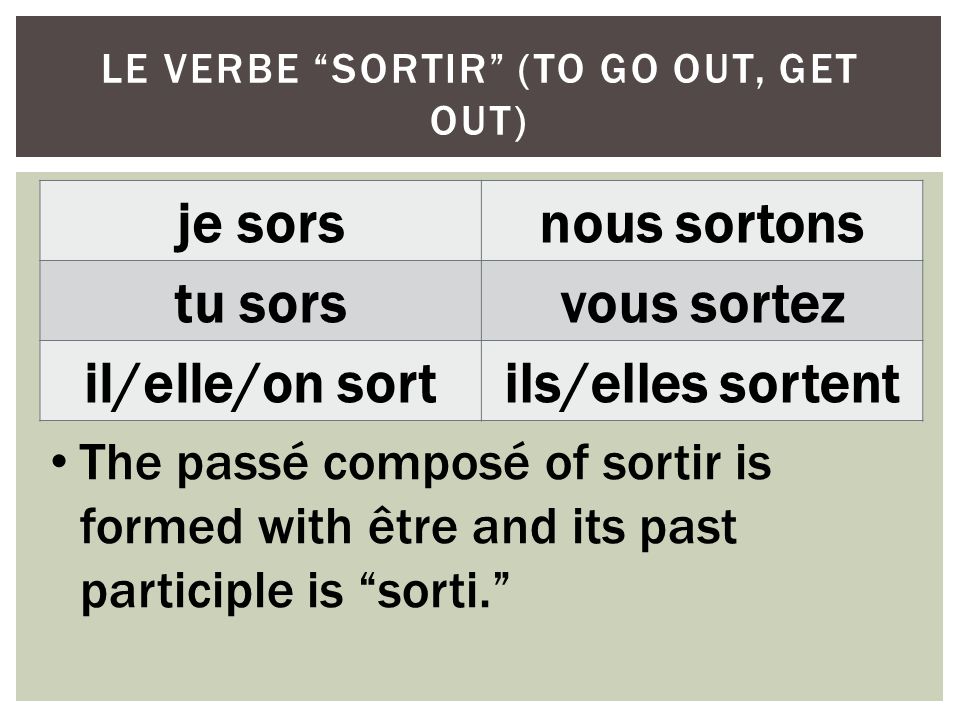
Generally, "sortir" takes être when it's used intransitively. What does that even mean? It means that the action of "leaving" is happening to you. You are the subject, and you are the one doing the sorting-out (see what I did there?). You're the center of attention!
Here's the breakdown:
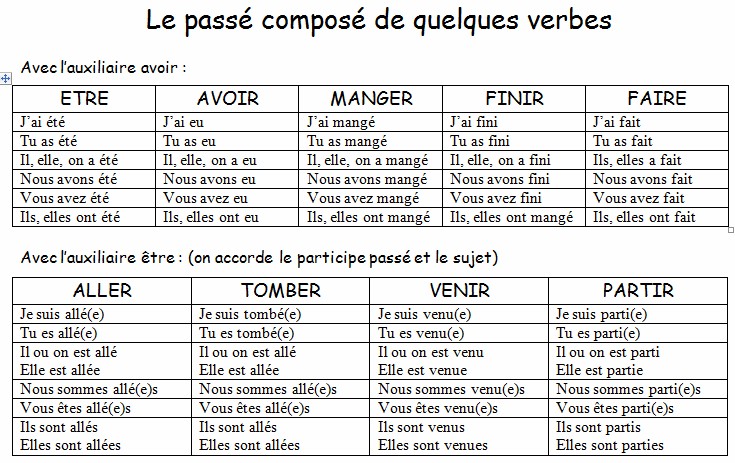
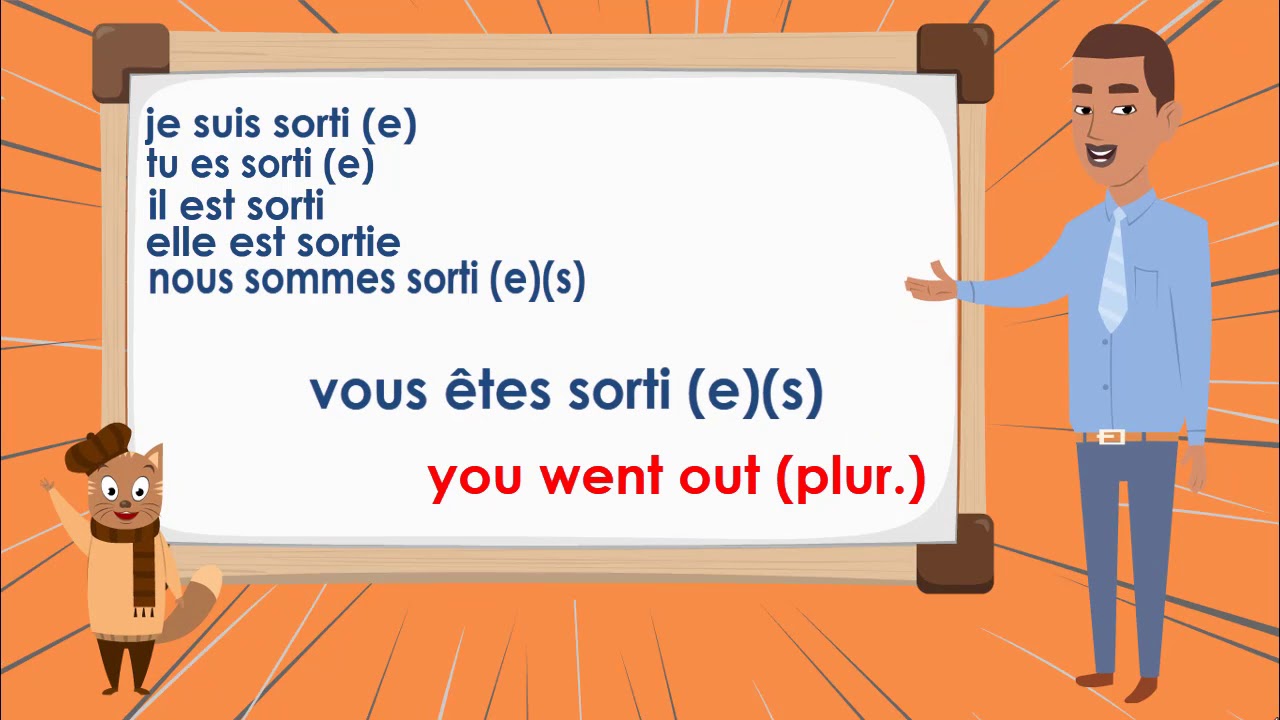
- Je suis sorti(e) – I went out (masculine/feminine)
- Tu es sorti(e) – You went out (masculine/feminine)
- Il est sorti – He went out
- Elle est sortie – She went out
- Nous sommes sorti(e)s – We went out (masculine plural/feminine plural)
- Vous êtes sorti(e)(s) – You went out (formal/plural - masculine singular/feminine singular/masculine plural/feminine plural) – seriously, French is complicated!
- Ils sont sortis – They went out (masculine plural)
- Elles sont sorties – They went out (feminine plural)
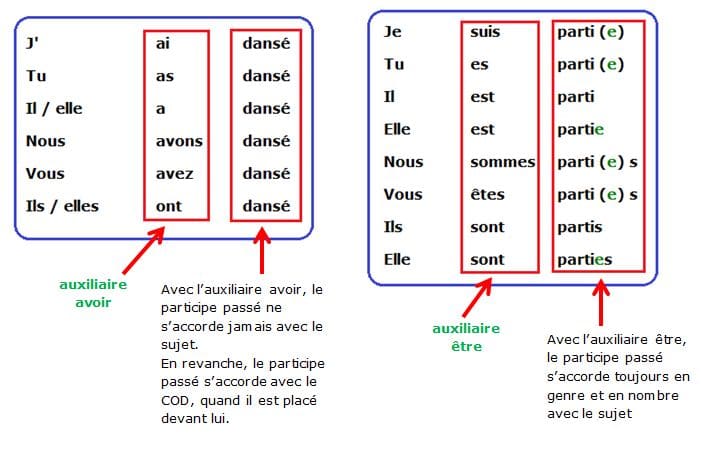
See those little "(e)" and "(s)" additions? That's accord, my friends. Since we're using être, the past participle "sorti" has to agree in gender and number with the subject. Remember that when you're writing! (And try not to confuse it with grammar from other tenses, I'm still trying to avoid doing that)
Examples:
- Elle est sortie hier soir. (She went out last night.)
- Nous sommes sortis du cinéma après le film. (We left the cinema after the movie.)
- Ils sont sortis ensemble pendant deux ans. (They dated for two years. – Yes, "sortir" can mean "to date"!)
Notice how in the dating example, "ensemble" is added to give more context to what it is referring to?
Sortir with Avoir: When You're the Manipulator!
Now, when "sortir" is used transitively, it takes avoir. This means you're actively taking something out of something. You're the actor, the doer, the… well, the manipulator of objects! You have power!
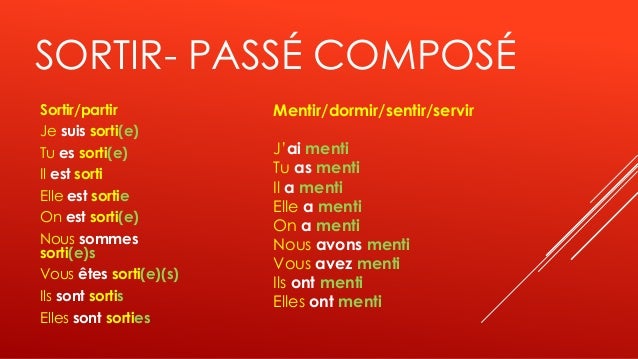
The conjugation looks like this:
- J'ai sorti – I took out
- Tu as sorti – You took out
- Il/Elle/On a sorti – He/She/One took out
- Nous avons sorti – We took out
- Vous avez sorti – You took out (formal/plural)
- Ils/Elles ont sorti – They took out
Important: No accord needed here! "Sorti" stays the same regardless of the subject. Hallelujah! One less thing to worry about.
Examples:
- J'ai sorti le chien. (I took the dog out.)
- Elle a sorti les poubelles. (She took out the trash.)
- Nous avons sorti les gâteaux du four. (We took the cakes out of the oven.)
See the difference? In these examples, you're actively removing something from somewhere. You're not just leaving; you're causing something else to leave.

But Wait, There's More! (Because French Grammar Loves Curveballs)
Okay, so here's a sneaky little twist. Sometimes, "sortir" with avoir can also mean "to bring out" or "to publish." This is where context is KEY.
Example:
- L'auteur a sorti un nouveau livre. (The author brought out/published a new book.)
In this case, the author isn't physically removing anything, but they're "bringing out" a new creation to the world. Tricky, right?
How to Know Which Auxiliary to Choose: A Foolproof (ish) Guide
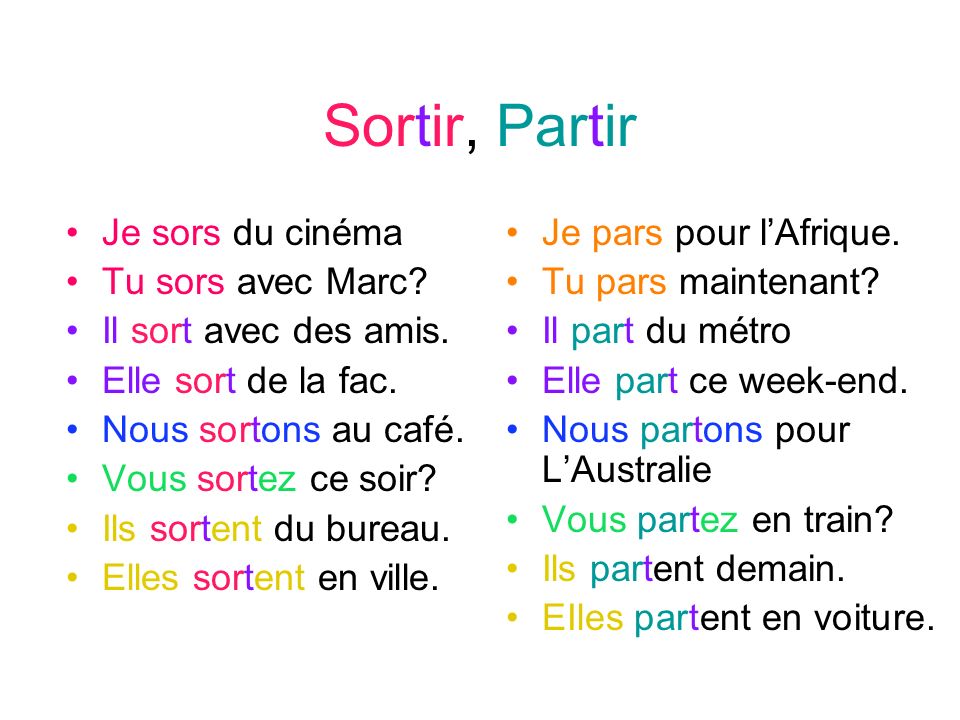
Alright, so how do you actually decide whether to use être or avoir? Here's a little checklist:
- Am I talking about myself or someone else physically leaving a place? If yes, use être. Think "Je suis sorti(e) du bureau" (I left the office).
- Am I talking about taking something out of somewhere? If yes, use avoir. Think "J'ai sorti le chat de la maison" (I took the cat out of the house). (Hopefully, because the cat wanted to go out, and not because you're a mean cat-launcher.)
- Could the sentence be rephrased with "take out" or "bring out"? If yes, use avoir.
- When in doubt, ask a native speaker! Seriously, we’re always happy to help (or at least pretend to be).
Sortir: A Verb That Keeps You on Your Toes!
So, there you have it! "Sortir" in the passé composé: a slightly confusing, but ultimately manageable, aspect of French grammar. Remember, practice makes perfect. Try writing some sentences using "sortir" in both forms. The more you use it, the more natural it will become. (And maybe, just maybe, you won't end up putting your keys in the fridge like yours truly.)
And hey, even if you do make mistakes, don't sweat it. Everyone does! The important thing is that you're learning and trying. Plus, grammatical errors are a great conversation starter. "Oops, did I just use the wrong auxiliary verb? Let's discuss!"
Now, if you'll excuse me, I'm going to go "sortir" some new coffee beans. You know, for… research purposes.





+Tu+es+sorti(e).jpg)