Salut les amis! Ever caught yourself mid-sentence in French, wishing you could elegantly describe what you used to do, or what was happening when you were younger? Then you're in the right place! We’re diving headfirst into the wonderful world of the imparfait tense, specifically, those oh-so-important endings.
Decoding the Imparfait: Why Bother?
Think of the imparfait as your storytelling companion. It's the tense that adds color and depth to your narratives. Imagine recounting childhood adventures: "Je jouais au foot dans la rue" (I used to play soccer in the street), or describing a past relationship: "Elle était toujours en retard" (She was always late). See? Instant nostalgia!
But it's not just about reminiscing. The imparfait also sets the scene. Describing the weather, someone's appearance, or the general atmosphere – all prime opportunities to whip out this versatile tense. Forget stiff, robotic descriptions; the imparfait allows your words to paint a picture.
The Magic Formula: Spotting the Endings
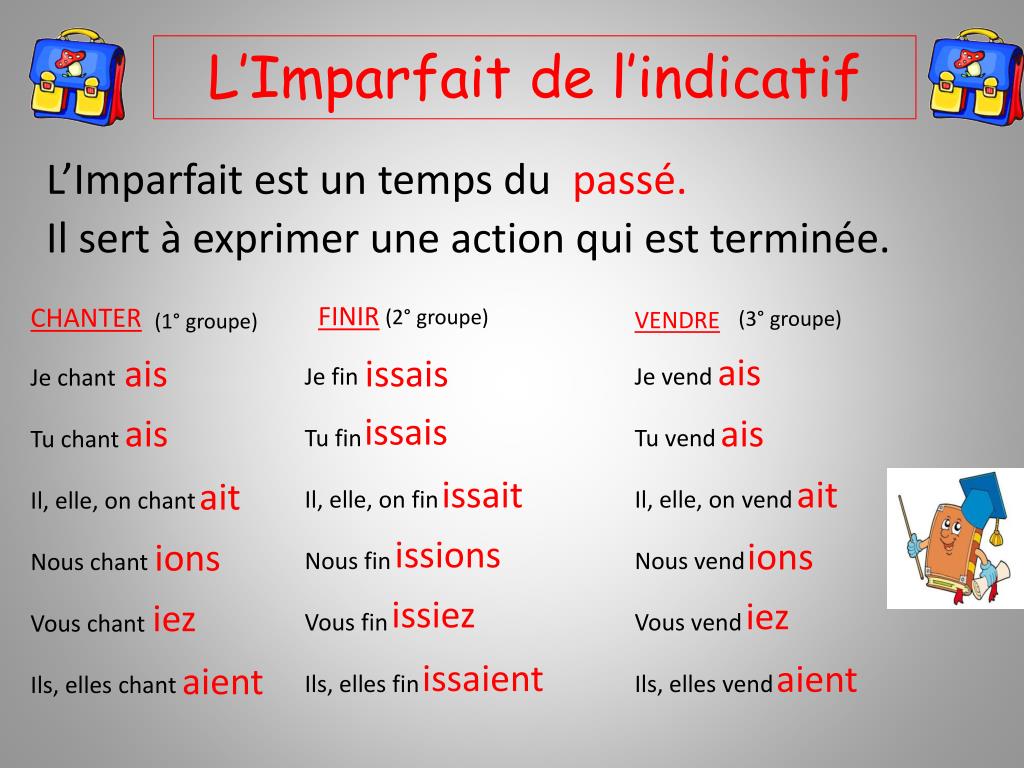
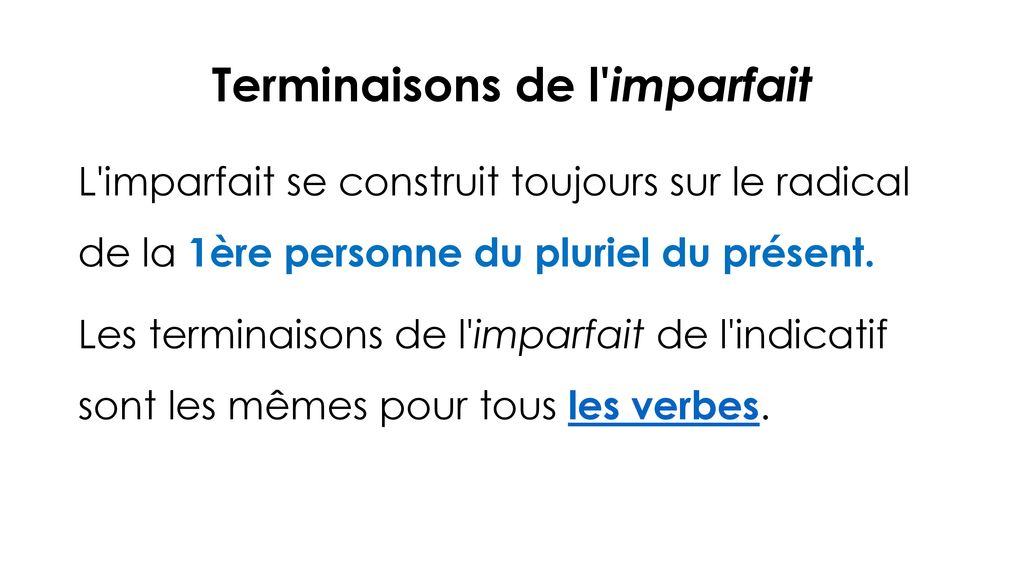
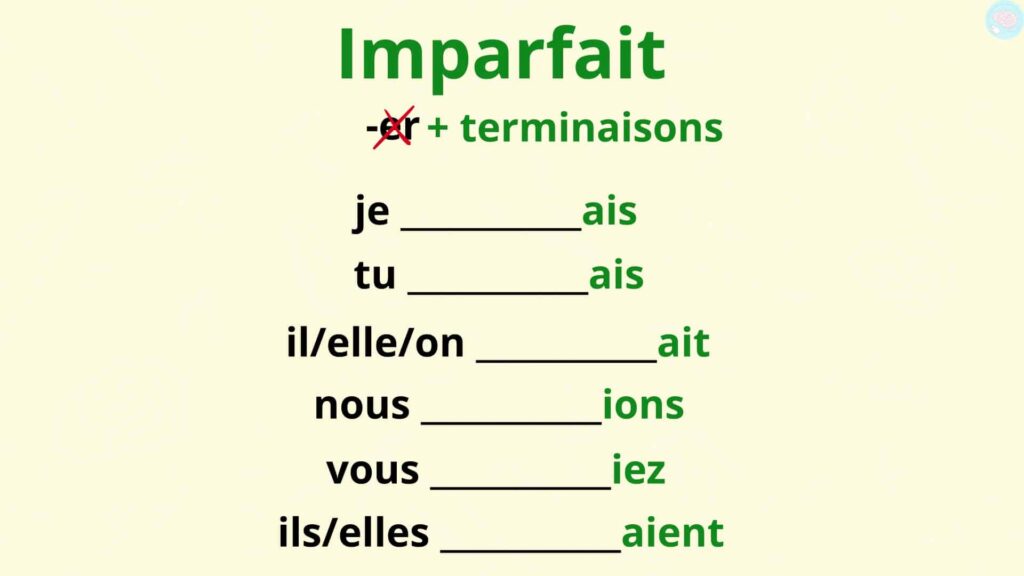
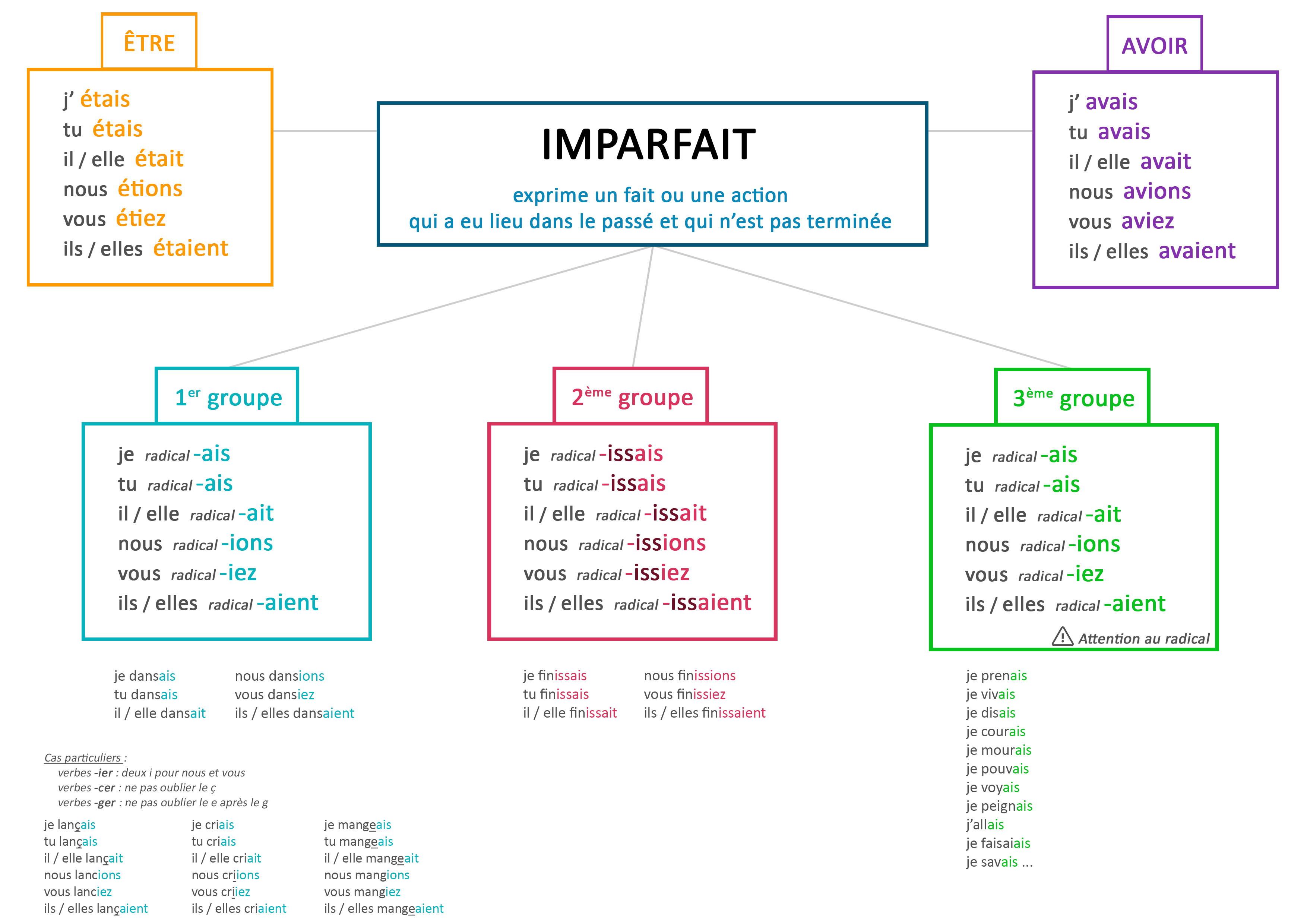
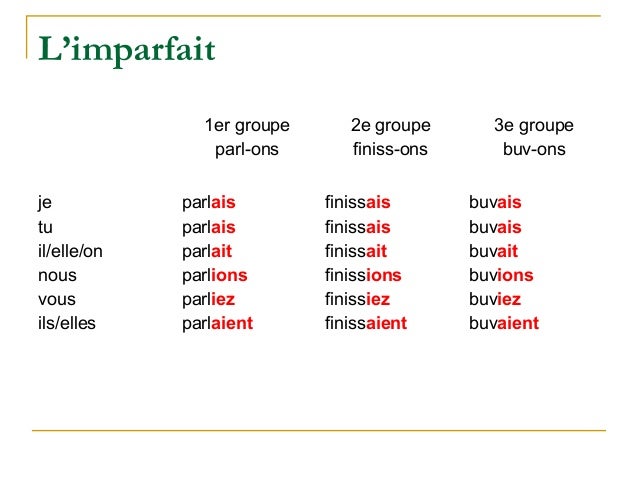
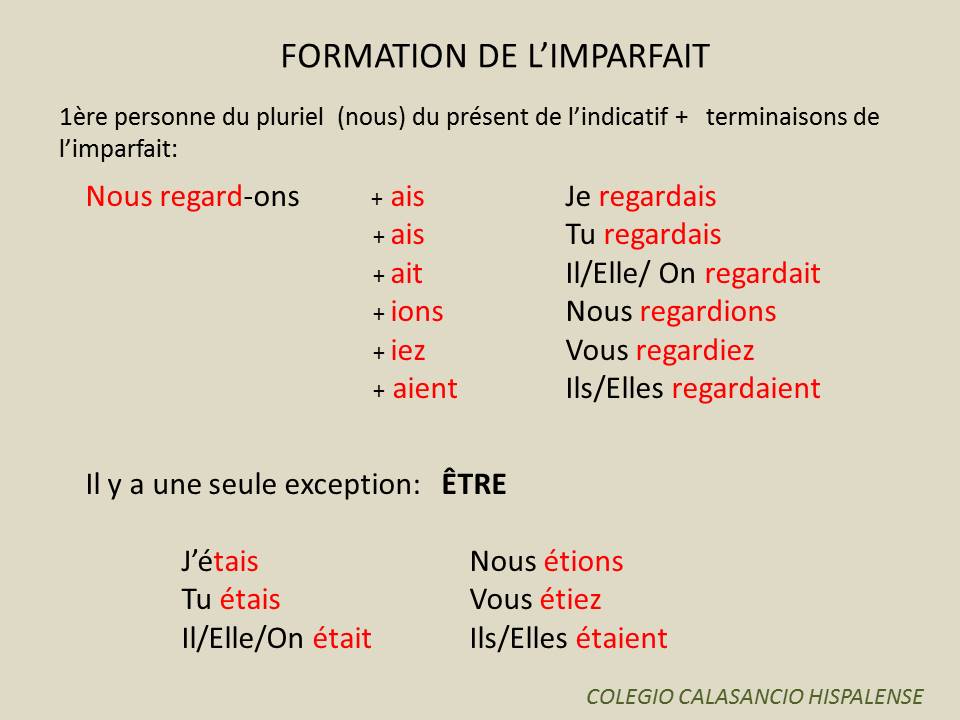
Okay, let's get down to business. How do we actually form the imparfait? The secret lies in the nous form of the present tense. Yep, that's right! Take the nous form, chop off the "-ons", and add your imparfait endings. Here's the breakdown:
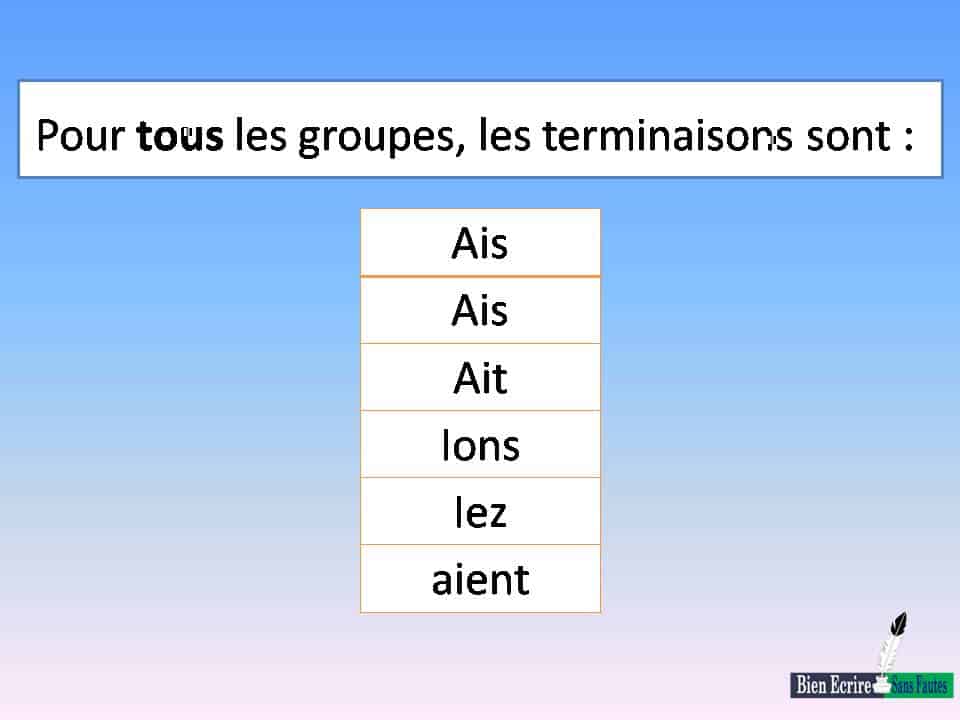
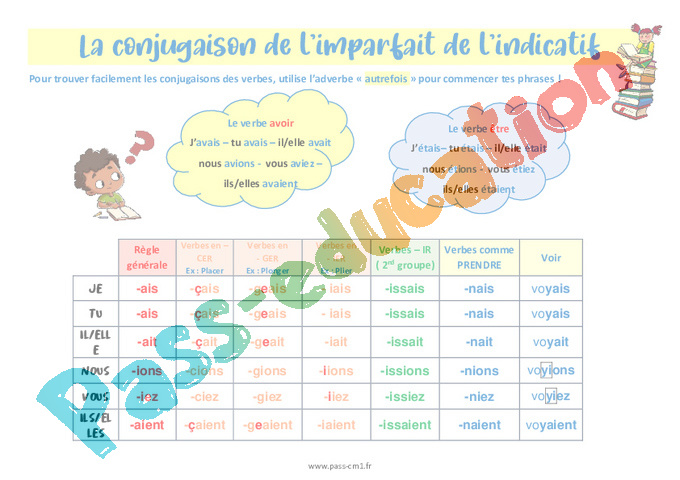
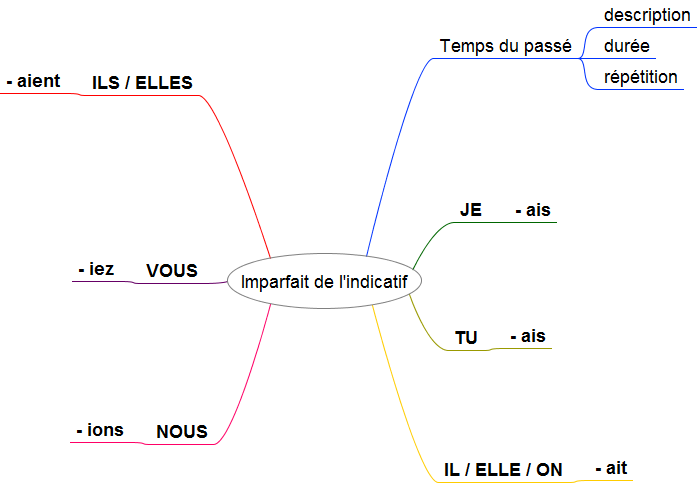
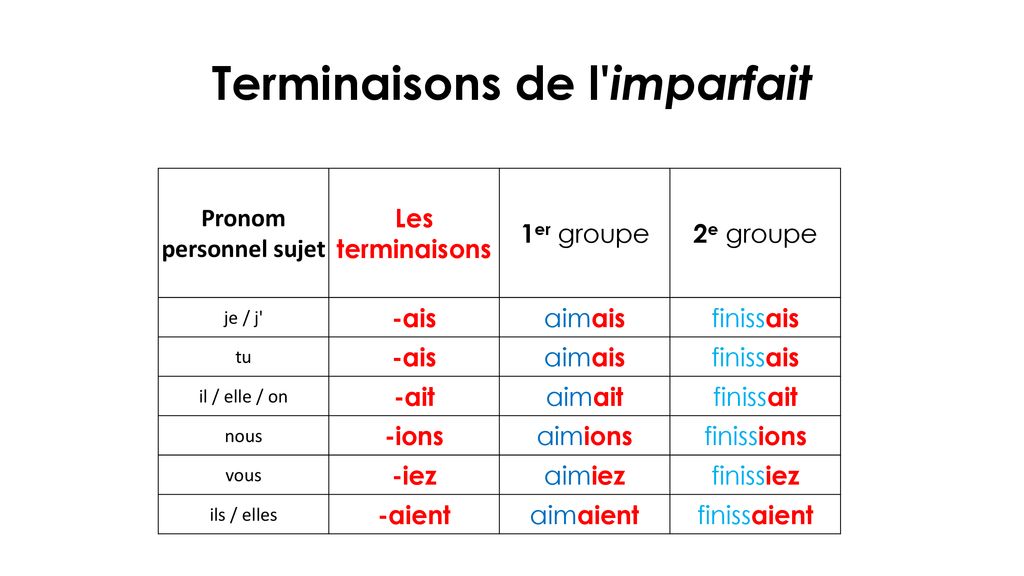
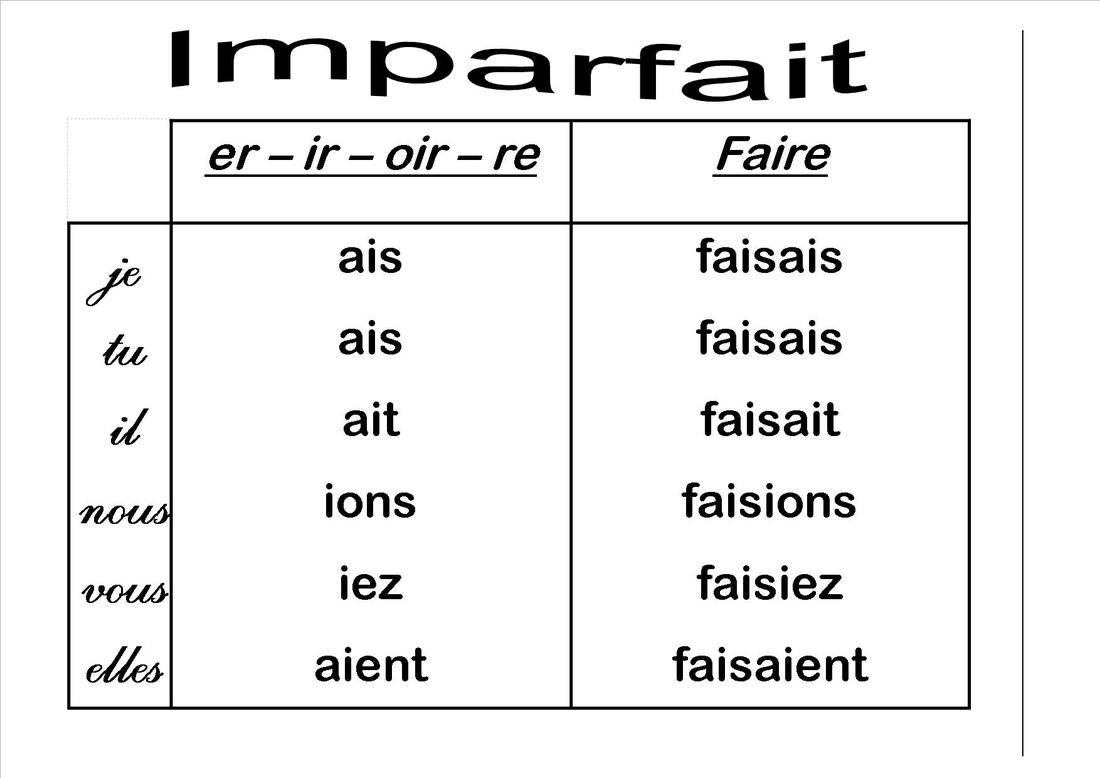
- -ais (je)
- -ais (tu)
- -ait (il/elle/on)
- -ions (nous)
- -iez (vous)
- -aient (ils/elles)
So, let's take the verb parler (to speak). The nous form is "nous parlons." Chop off the "-ons," and you're left with "parl." Now, add your endings:
- Je parlais (I used to speak/I was speaking)
- Tu parlais (You used to speak/You were speaking)
- Il/Elle/On parlait (He/She/One used to speak/was speaking)
- Nous parlions (We used to speak/We were speaking)
- Vous parliez (You (formal/plural) used to speak/were speaking)
- Ils/Elles parlaient (They used to speak/were speaking)
Exceptions to the Rule (There's Always One!)
Of course, French wouldn't be French without a few exceptions! Luckily, with the imparfait, they're manageable.
- Verbs ending in "-ger" retain the "e" before the "-ons" in the nous form (e.g., manger becomes nous mangeons, then je mangeais, tu mangeais, etc.). This is to maintain the soft "j" sound.
- Verbs ending in "-cer" change the "c" to a "ç" before the "-ons" in the nous form (e.g., commencer becomes nous commençons, then je commençais, tu commençais, etc.). This preserves the soft "s" sound.
And then there's être (to be), a special case. Its imparfait form is based on its stem: j'étais, tu étais, il/elle/on était, nous étions, vous étiez, ils/elles étaient.

Imparfait in Action: Real-Life Scenarios
Let's imagine you’re describing your childhood home. You might say: "Ma maison avait un grand jardin et on jouait souvent dehors." (My house had a large garden, and we often played outside.) Or perhaps you’re reminiscing about a past vacation: "Il faisait toujours beau quand on allait à la plage." (It was always sunny when we went to the beach.)
The imparfait is also crucial for describing habits. Think of those things you regularly did in the past: "Je buvais du café tous les matins" (I used to drink coffee every morning), or "Elle lisait des romans policiers avant de dormir" (She used to read detective novels before going to sleep).
Putting It All Together: Practical Tips
- Practice, practice, practice! The more you use the imparfait, the more natural it will become.
- Listen to French conversations and pay attention to how native speakers use the imparfait.
- Read French books and articles to see the imparfait in context.
- Don't be afraid to make mistakes! It's all part of the learning process.
A Final Thought: The Imparfait and Everyday Life
Learning the imparfait isn't just about grammar; it's about connection. It's about connecting with the past, sharing your experiences, and understanding the stories of others. When you master the imparfait, you're not just speaking French; you're weaving a tapestry of memories and emotions. So go forth, embrace those endings, and let your stories flow!