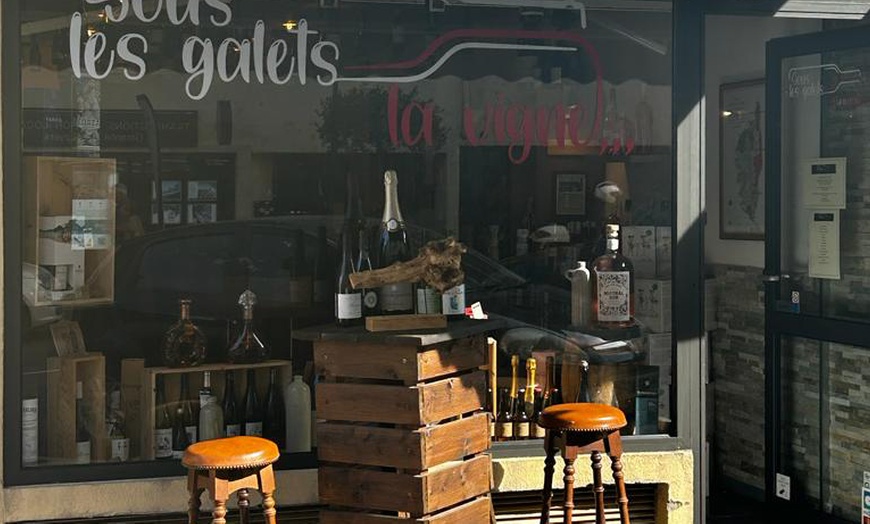
Ah, la France! Land of amour, croissants, and… incredibly stubborn grapevines? Today, we're diving deep (literally!) into a fascinating winemaking phenomenon: Sous Les Galets La Vigne. It translates to "under the pebbles, the vine," and trust me, it's more intriguing than it sounds.
The Pebble Bed Phenomenon: Châteauneuf-du-Pape's Secret
Our journey starts in the Rhône Valley, specifically in Châteauneuf-du-Pape. This prestigious appellation is known for its bold, powerful red wines, often bursting with notes of ripe dark fruit, spices, and a characteristic garrigue (that herbaceous, wild scent of the Southern French landscape). But what makes these wines so special?
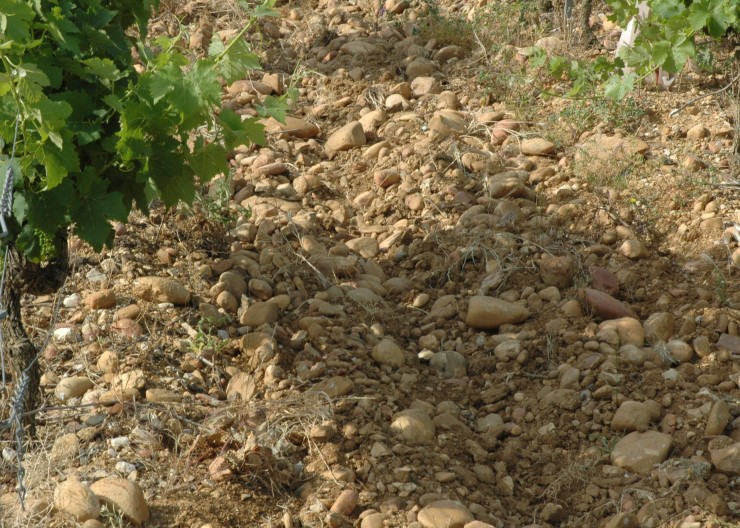
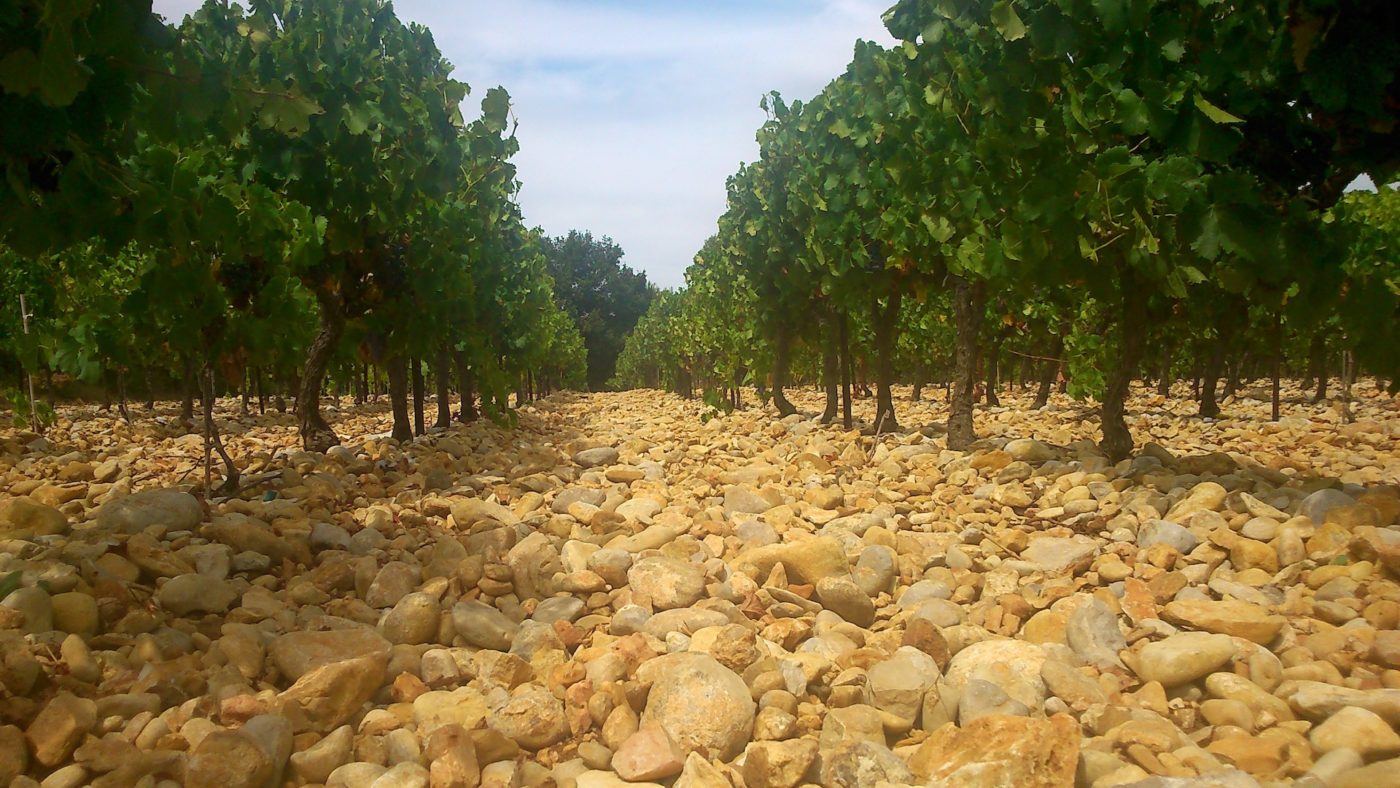
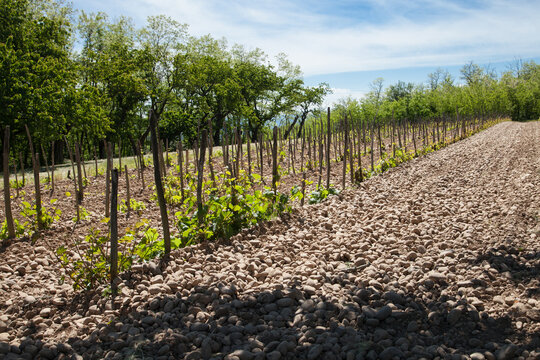
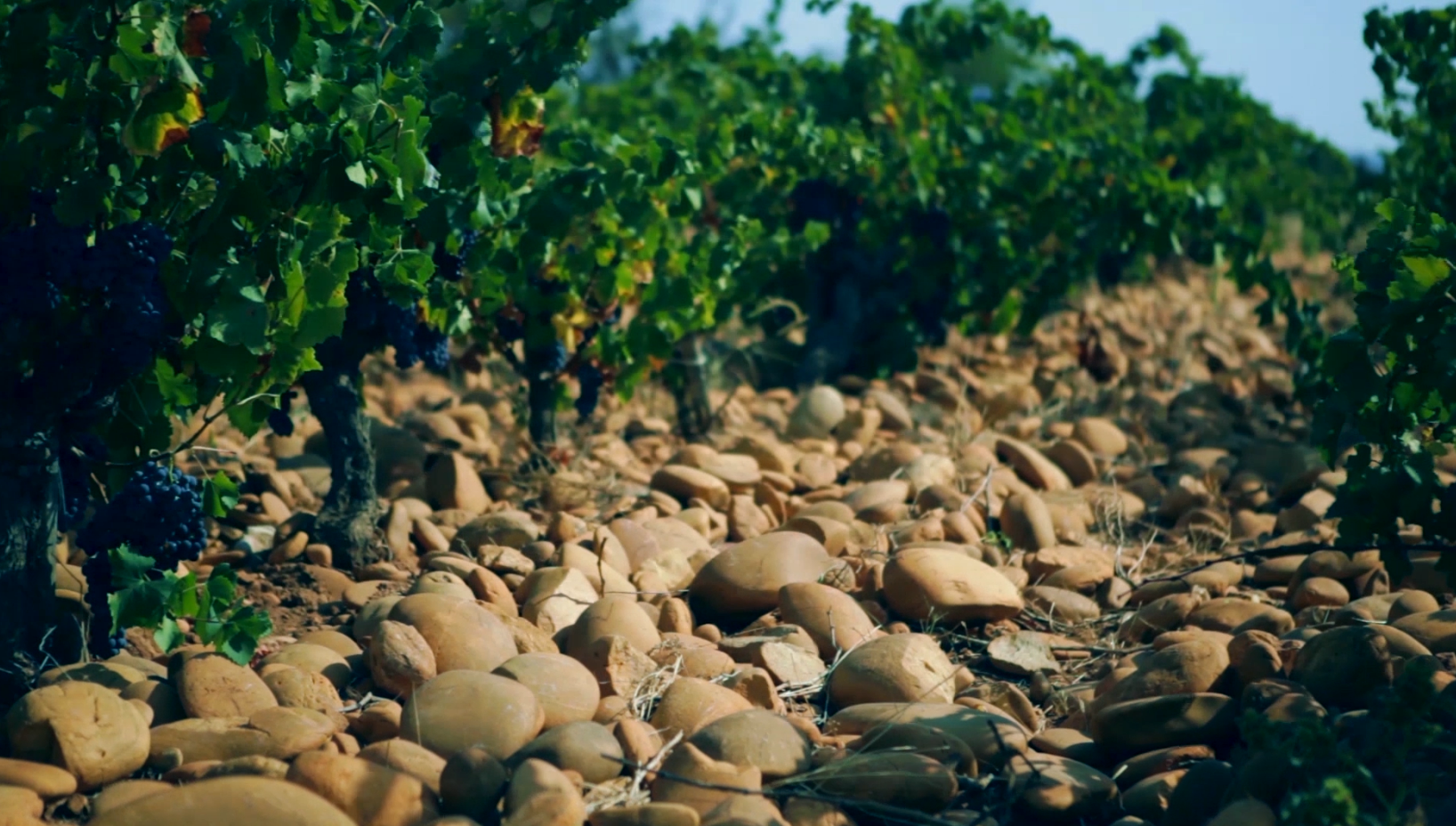
The answer lies beneath your feet – or rather, beneath the vines' roots. Châteauneuf-du-Pape's vineyards are carpeted with large, rounded pebbles called galets roulés. These are remnants of the Rhône River, deposited over millennia. Think of it as a giant, sun-drenched rock garden, but instead of succulents, you have world-class grapevines.
The Science of Sun-Kissed Grapes
So, what's the magic of these pebbles? It's all about heat. During the day, the galets absorb the sun's warmth like tiny solar panels. As the temperatures drop at night, they slowly release this heat, warming the vines and grapes. This helps to:
- Extend the growing season: Warmer temperatures mean a longer ripening period, leading to more concentrated flavors and higher sugar levels in the grapes.
- Protect against frost: The retained heat can help prevent frost damage, especially during the crucial spring months.
- Improve drainage: The stony soil drains quickly, preventing the roots from becoming waterlogged. Vines thrive under stress!
Essentially, these pebbles create a microclimate perfectly suited for producing ripe, robust grapes. It's nature's own central heating system for vines! Think of it as the vineyard equivalent of a perfectly positioned terrasse on the Côte d'Azur, soaking up the sun all day long.
Beyond Châteauneuf-du-Pape: Other Pebble-Powered Vineyards
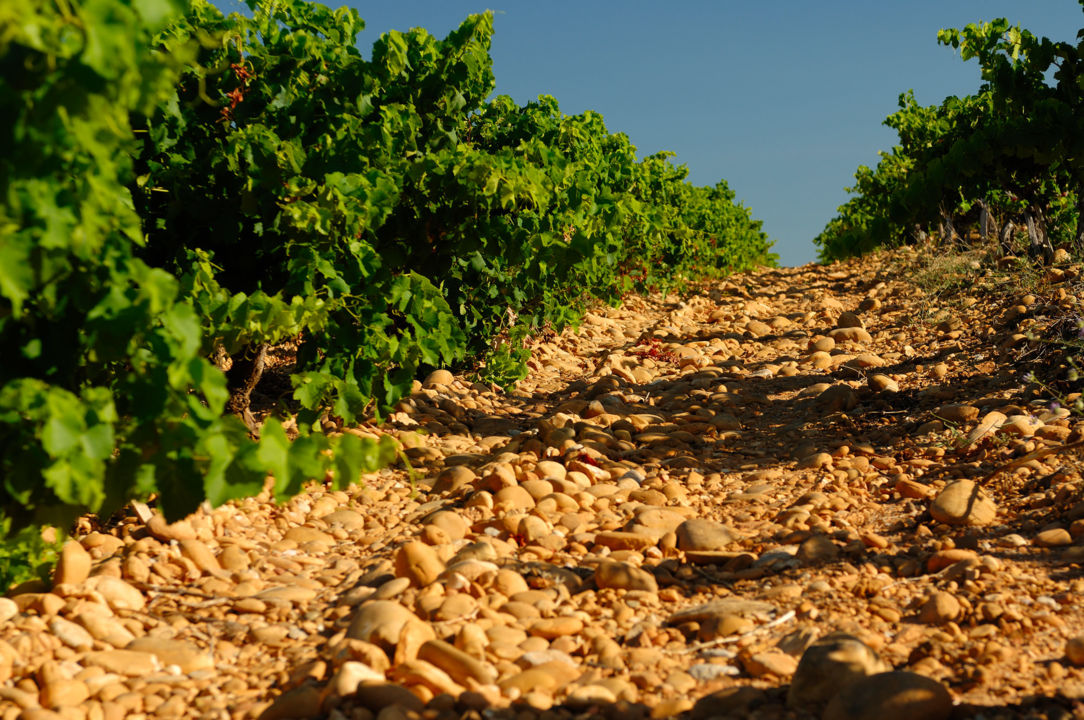
While Châteauneuf-du-Pape is the most famous example, the "sous les galets" phenomenon isn't exclusive to this region. You can find similar conditions in other parts of the Southern Rhône and even in some areas of Spain and Australia.
Look for wines from:
- Gigondas and Vacqueyras (Rhône Valley): These appellations often share similar soils and climatic conditions with Châteauneuf-du-Pape, offering excellent value for money.
- Lirac and Tavel (Rhône Valley): Known for their rosé wines, these regions also benefit from the heat-retaining properties of pebbly soils.
Exploring these lesser-known regions can be a fantastic way to discover delicious, pebble-powered wines without breaking the bank. It's like finding that hidden gem of a bistro just off the Champs-Élysées – the quality is there, but without the tourist-trap prices.
Decoding the Label: What to Look For
While the term "sous les galets" rarely appears on wine labels, there are subtle clues that can hint at this winemaking technique:
- Appellation: Focus on wines from Châteauneuf-du-Pape, Gigondas, Vacqueyras, Lirac, and Tavel.
- Tasting Notes: Look for descriptions that mention ripe fruit, spice, garrigue, and a full-bodied character.
- Producer Information: Some wineries may mention their soil composition on their website or in tasting notes.
Ultimately, the best way to discover "sous les galets" wines is to taste them! Don't be afraid to ask your local wine merchant for recommendations. They're like sommeliers in your neighborhood.
Pairing Perfection: What to Eat with Pebble-Powered Wines
These robust red wines demand equally flavorful dishes. Think hearty stews, grilled meats, and rich cheeses. Here are a few pairing ideas:
- Boeuf Bourguignon: This classic French beef stew is a match made in heaven. The wine's tannins cut through the richness of the dish, while the fruit flavors complement the beef.
- Grilled Lamb: The earthy notes of lamb pair beautifully with the garrigue aromas in the wine.
- Roasted Vegetables: Root vegetables like carrots, parsnips, and sweet potatoes, roasted with herbs, offer a surprisingly delicious pairing.
- Aged Cheese: Opt for strong, flavorful cheeses like Comté, Roquefort, or aged Gouda. The saltiness of the cheese contrasts beautifully with the wine's fruitiness.
Remember, the goal is to create a harmonious balance between the food and the wine. Don't be afraid to experiment and discover your own favorite pairings. After all, the most important ingredient is enjoyment!

A Little French Flair: Cultural References
The concept of "sous les galets" embodies a certain French joie de vivre – a celebration of nature, terroir, and tradition. It's a reminder that even the seemingly insignificant details, like a bed of pebbles, can have a profound impact on the final product. Think of it as the wine world's equivalent to that perfectly imperfect detail in a Chanel suit – it's what makes it special.
And speaking of details, did you know that Châteauneuf-du-Pape wines are allowed to be made with up to 13 different grape varieties? That's a lot of blending! It's like a symphony of flavors, conducted by the winemaker.
The Southern Rhône is rich of a lot of amazing places to visit. The Pont du Gard, Avignon, and the Mont Ventoux are all very close one another. If you are visiting, do not hesitate to take a look, the view is absolutely mesmerizing.

From Vineyard to Table: A Reflection on Life
The story of "sous les galets la vigne" is more than just a winemaking technique. It's a metaphor for life itself. Sometimes, the most challenging environments – the "pebbles" of our lives – can actually help us to thrive. By embracing adversity, adapting to our surroundings, and drawing strength from unexpected sources, we can all achieve our full potential.
Think about it: the vines are struggling, pushing their roots deep into the soil, but they're rewarded with exceptional fruit. Similarly, when we face difficulties, we develop resilience, learn valuable lessons, and ultimately emerge stronger. It's a reminder that beauty and abundance can often be found in the most unlikely places, if we're willing to look beneath the surface.
So, the next time you raise a glass of Châteauneuf-du-Pape, or any wine that embodies this spirit of resilience, take a moment to appreciate the journey – the pebbles, the sunshine, and the passion that went into creating that exquisite bottle. Santé!