
Bonjour, mes amis! Ever feel like chucking it all and becoming a self-sufficient hermit? Me too! Let’s talk about the slightly… unconventional choice of doing that in a tower. Yes, you heard right. Tower farming. Because why have a normal garden when you can have one stretching towards the heavens, right? Wink, wink.
Le Pitch (The Pitch)
Forget your sprawling acres and rusty tractors. We're talking vertical farming, inner-city style (potentially), and single-person operation. Imagine: you, a stone (or brick, or ironically, maybe even a shipping container disguised as a tower) structure, and enough kale to feed a small army (or just yourself, repeatedly). Sound appealing? Maybe? Let’s delve deeper, shall we?
Why a Tower, Though? (Sérieusement?)
Okay, let’s be honest. The "tower" bit is mostly for the drama. Realistically, you might be looking at a tall, skinny building, a repurposed silo, or even a seriously tricked-out greenhouse structure. But "Solo Farmer in a Slightly Elevated, Purpose-Built Agricultural Structure" doesn't have the same ring, does it? The core idea remains: maximizing space and potentially controlling the environment in a confined, vertical area. Think of it as the agricultural equivalent of a really enthusiastic tiny house.
- Space Efficiency: Obviously. Towers go up, not out. Perfect for urban environments or incredibly stubborn patches of rock that refuse to become fertile soil.
- Environmental Control: Think temperature, humidity, lighting – all dialed in like a mad scientist in a botanical laboratory. You can theoretically grow anything, anywhere, anytime! (Disclaimer: “Anything” excludes giant sequoias and anything needing vast root systems. Sorry.)
- Reduced Pest & Disease: Theoretically! Higher up, fewer creepy crawlies. Plus, controlled environments can minimize the spread of disease. Less spraying, more spraying… yourself with celebratory lavender water because you harvested a perfect tomato.
- Cool Factor: Let’s not underestimate this. "I grow my own food" is impressive. "I grow my own food… in a TOWER!" is next-level bragging rights. Prepare for envious stares and awkward dinner party conversations.
Le Challenges (The Challenges – because there are always challenges)
Alright, let's not get carried away with visions of endless organic bounty. Tower farming, while undeniably cool, isn't without its… quirks. Think of them as “opportunities for character development.”
- Cost: Building (or retrofitting) a tower isn't cheap. We're talking serious investment in infrastructure, environmental control systems, and potentially, a very good elevator. (Unless you're REALLY dedicated to your morning workout.) Prepare to remortgage your house, sell your car, and maybe your firstborn (kidding… mostly).
- Technical Expertise: You're not just planting seeds; you're managing a complex ecosystem. Hydroponics? Aeroponics? Aquaponics? You'll need to become a mini-expert in at least one of these, plus plumbing, electrical work, and probably some basic engineering. YouTube tutorials will become your new best friend.
- Isolation: "Solo" is in the title for a reason. While the peace and quiet might be appealing initially, weeks spent talking only to your tomato plants can get… weird. Invest in a good WiFi connection and a very patient therapist. Or learn to play the bagpipes. Your neighbors will love you.
- Energy Consumption: All those lights and climate control systems need power. Unless you're entirely off-grid with solar and wind, expect a hefty electricity bill. Kiss goodbye to that European vacation you were planning.
- Scale: Feeding a family from a tower farm is one thing. Running a commercial operation is another. Scaling up requires serious planning, investment, and a team of people. So much for "solo," eh?
- Gravity: Don't underestimate the power of gravity when you're working several stories up. Dropped tools become missiles. Loose soil becomes a cascade of mud. And climbing up and down with heavy baskets of produce gets old… fast. Invest in a good winch system. And a hard hat.
Le Matériel (The Gear)
So, you're still in? Excellent! Let's talk about the toys… I mean, tools, you'll need. This isn't your grandma's garden shed. Prepare for a shopping spree worthy of a Bond villain outfitting his lair.

The Basics
- Tower Structure: Obvious, but crucial. Design is key. Consider sunlight exposure, accessibility, weight-bearing capacity, and how you'll actually get stuff in and out. Recycled materials are cool, but collapsing towers are not.
- Growing System: Hydroponics, aeroponics, aquaponics – choose your poison! Hydroponics (growing in nutrient-rich water) is popular for its simplicity. Aeroponics (spraying roots with nutrient solution) is more efficient but requires more precise control. Aquaponics (combining fish farming with plant growing) is… well, let's just say it's not for the faint of heart (or those who dislike the smell of fish).
- Lighting: Unless you have a ridiculously sunny tower, you'll need supplemental lighting. LEDs are the most energy-efficient option. Prepare for your tower to glow like a spaceship at night. This may or may not attract unwanted attention from conspiracy theorists.
- Climate Control: Heating, cooling, humidification, dehumidification – you'll need to create the perfect microclimate for your chosen crops. Think of it as building a giant terrarium, but with more kale.
- Nutrient Solutions: Forget regular soil. You'll be mixing up custom nutrient solutions tailored to the specific needs of your plants. This is where the chemistry comes in. Be prepared to spend hours researching the ideal NPK ratio for your heirloom tomatoes.
- Water System: Pumps, pipes, reservoirs, filters – water is the lifeblood of your tower farm. Make sure your system is reliable and efficient. Leaks are bad. Very, very bad. Especially if you live below someone.
The Gadgets (Parce que, pourquoi pas?)
- Automated Watering System: Because nobody wants to spend their entire day lugging water up and down a tower.
- Environmental Monitoring System: Sensors that track temperature, humidity, light levels, and nutrient levels, all feeding data back to a central control panel. You'll feel like a NASA scientist monitoring a Mars mission… only with more zucchini.
- Robotic Weeders: Okay, these are still mostly in the realm of science fiction, but a farmer can dream, right? Imagine tiny robots scurrying around your tower, silently eliminating weeds. Your neighbors will think you're running a top-secret government lab.
- Drone Delivery System: For delivering your produce to customers, obviously! Imagine the look on their faces when a drone lands on their balcony with a basket of freshly picked strawberries. Just make sure you have the necessary permits.
- A Very Good Coffee Machine: Because tending to a tower farm is hard work, and caffeine is your friend.
Le Choix des Plantes (The Plant Choices)
Now for the fun part: deciding what to grow! Not everything thrives in a tower environment. Stick to crops that are relatively compact, fast-growing, and tolerant of controlled conditions.
The Winners
- Leafy Greens: Lettuce, spinach, kale, arugula – these are the rock stars of tower farming. They grow quickly, require minimal space, and are incredibly nutritious. Plus, they look great arranged vertically.
- Herbs: Basil, mint, parsley, chives – perfect for adding flavor to your culinary creations and filling your tower with delicious aromas. Beware of mint, though. It’s the botanical equivalent of a Tasmanian devil.
- Strawberries: Who doesn't love fresh strawberries? Tower farming allows you to grow them year-round, regardless of the weather. Prepare for a glut of strawberries in the middle of winter. Your friends will adore you.
- Tomatoes: Choose determinate (bush-type) varieties that don't require excessive pruning. Cherry tomatoes are particularly well-suited to tower farming. Imagine the joy of plucking sun-ripened cherry tomatoes in the dead of winter.
- Peppers: Similar to tomatoes, choose compact varieties. Bell peppers, chili peppers, sweet peppers – the possibilities are endless. Just be careful not to accidentally grow a batch of super-hot ghost peppers. Your taste buds will never forgive you.
- Edible Flowers: Nasturtiums, pansies, calendula – add a touch of beauty and whimsy to your tower. Plus, they're delicious in salads. Impress your guests with your culinary creativity.
The Losers (Probably)
- Root Vegetables: Carrots, potatoes, beets – these require a lot of space for root development. Unless you have a very deep tower, they're probably not worth the effort.
- Large Fruits: Watermelons, pumpkins – these are just too big and heavy for tower farming. Unless you're planning on reinforcing your tower with steel girders, stick to smaller fruits.
- Corn: Corn requires a lot of space and pollination. Unless you have a dedicated bee colony buzzing around your tower, it's probably not a good idea.
- Trees: Obvious, but worth mentioning. Unless you're planning on building a giant bonsai tower, stick to smaller plants.
Le Business Plan (Because Even Hermits Need Money)
Okay, so you've built your tower, filled it with plants, and are now swimming in produce. What do you do with it all? Unless you have a truly insatiable appetite for kale, you'll need a business plan. Even if it's just a mental one scrawled on a napkin.

Options, Mon Ami, Options!
- Direct Sales: Farmers markets, roadside stands, online sales – sell your produce directly to consumers. This allows you to capture the highest profit margin. Just be prepared to deal with demanding customers who want perfectly shaped tomatoes.
- Restaurant Supply: Partner with local restaurants to supply them with fresh, locally grown produce. Chefs love the idea of using ingredients that are grown just down the street (or up in a tower).
- Community Supported Agriculture (CSA): Offer weekly or monthly shares of your harvest to local residents. This provides you with a stable income stream and allows you to connect with your community.
- Grocery Store Supply: Sell your produce to local grocery stores. This requires meeting their quality standards and volume requirements. But it can be a lucrative option if you can pull it off.
- Value-Added Products: Turn your excess produce into jams, sauces, pickles, or other value-added products. This allows you to extend the shelf life of your harvest and increase your profit margin.
- Tower Tours: If your tower is particularly impressive, offer tours to the public. This can be a fun way to generate income and educate people about sustainable agriculture. Just make sure you have adequate insurance.
The Marketing Angle (Le "Ooh La La" Factor)
- Highlight the "Local" Aspect: Emphasize that your produce is grown locally, sustainably, and without harmful pesticides. Consumers are increasingly interested in supporting local farmers and eating healthy food.
- Embrace the "Tower" Concept: Use the unique aspect of your tower farm to your advantage. Create a catchy name and logo that reflects the vertical nature of your operation. "Tower Greens," "Vertical Harvest," "Sky High Farms" – the possibilities are endless!
- Tell Your Story: Share your story with the world. Why did you decide to become a solo farmer in a tower? What are your goals and aspirations? People love to connect with the people behind the food they eat.
- Use Social Media: Instagram, Facebook, Twitter – these are your friends. Share photos and videos of your tower farm, your produce, and your daily life. Engage with your followers and build a community around your brand.
- Offer Samples: Let people taste your produce. A bite of a perfectly ripe strawberry or a sprig of fragrant basil can be all it takes to convert them into loyal customers.
Les Pièges à Éviter (The Pitfalls to Avoid)
Tower farming is awesome, but it’s not all sunshine and roses (although, you could grow those too, if you wanted). Here are a few things to watch out for:
- Over-Investing Upfront: Don’t blow all your money on fancy equipment before you’ve even grown a single tomato. Start small, experiment, and scale up gradually.
- Ignoring Pests and Diseases: Just because you’re in a controlled environment doesn’t mean you’re immune to pests and diseases. Monitor your plants regularly and take preventative measures.
- Neglecting Maintenance: Your tower farm is a complex system that requires regular maintenance. Don’t let things fall into disrepair. A little preventative maintenance can save you a lot of headaches down the road.
- Underestimating the Workload: Tower farming is hard work. Don’t underestimate the amount of time and effort it takes to run a successful operation. Be prepared to work long hours, especially during peak season.
- Forgetting to Enjoy It: Despite all the challenges, tower farming can be incredibly rewarding. Don’t forget to take a step back and appreciate the beauty and bounty of your creation. And maybe invite a friend over for a kale smoothie… or not.
Le Mot de la Fin (The Final Word)
So, is solo farming in a tower right for you? Maybe! It's definitely not for the faint of heart. It requires dedication, technical skills, a healthy dose of eccentricity, and a willingness to learn from your mistakes (and possibly a very understanding bank manager). But if you're looking for a unique and challenging way to grow your own food, reduce your carbon footprint, and become the envy of all your neighbors, then why not give it a try? Just remember, if things get tough, you can always blame the altitude. And if all else fails, you'll have a really cool tower to live in. Just promise me you won't start building a catapult to launch organic produce at unsuspecting passersby. Wink, wink. À bientôt!









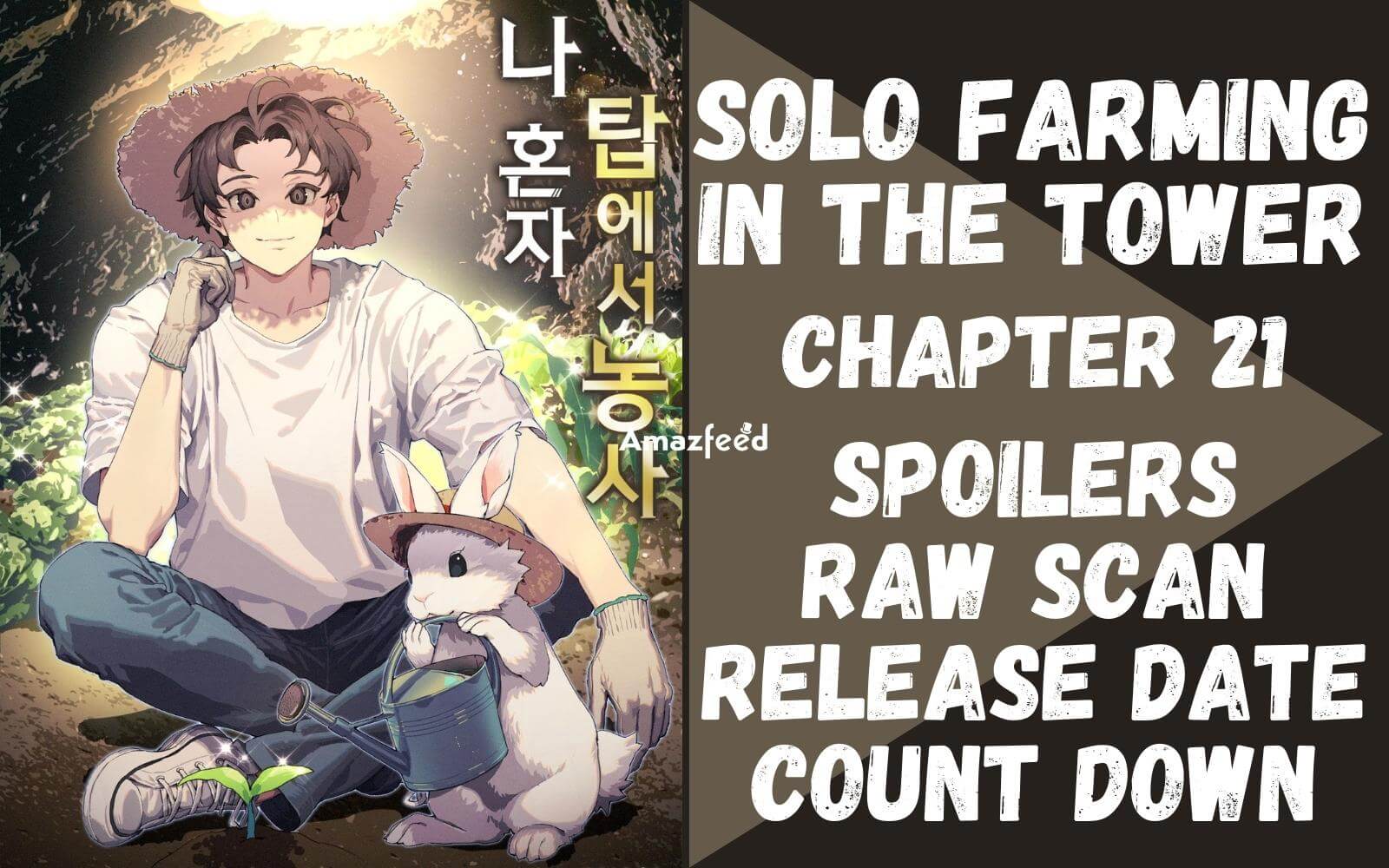

![Read Solo Farming In The Tower Manga English [New Chapters] Online Free](https://cdn1.mangaclash.com/temp/manga_64435dc0aea2f/90fcd54c4cf5a1ffaa70c0ea6e7120e6/1b.jpg)