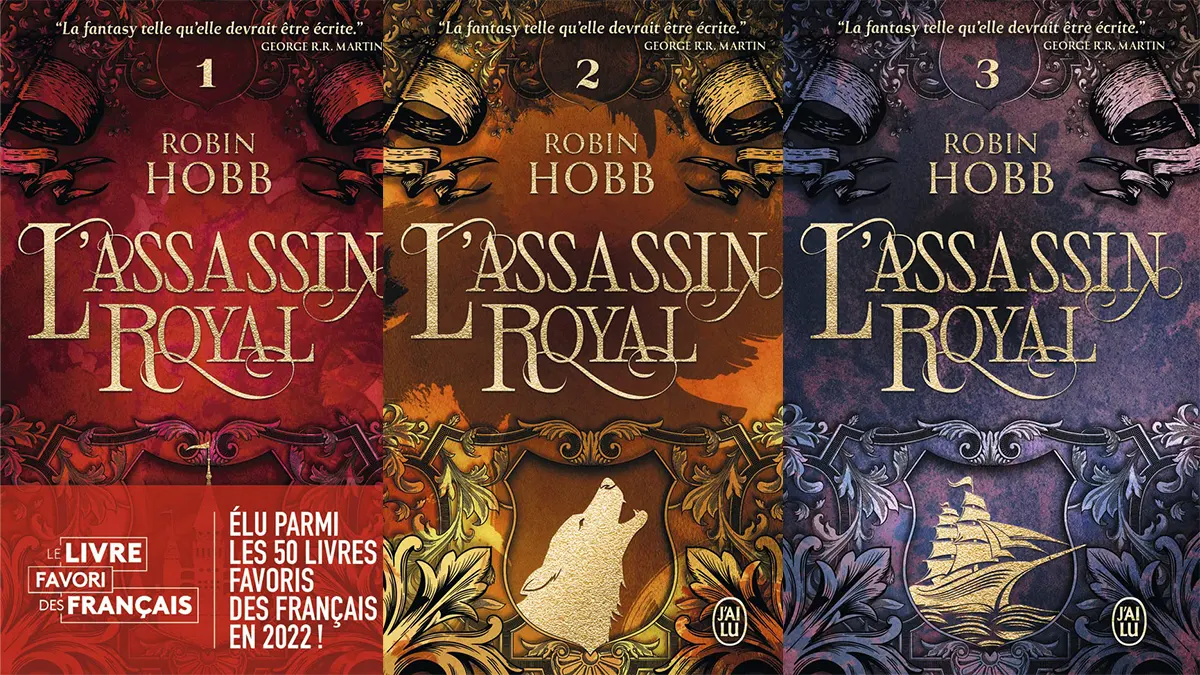
Ah, Robin Hobb. Just the name whispers of sprawling fantasy epics, complex characters, and the kind of emotional turmoil that makes you want to simultaneously hug a kitten and punch a wall. And at the very heart of this literary kingdom lies L'Assassin Royal (Assassin's Apprentice in English), the book that launched a thousand feels. Préparez-vous, mes amis, because we're about to dive headfirst into a world of bastards, royalty, and enough intrigue to make your head spin faster than a dervish on espresso.
FitzChevalerie Loinvoyant: More Than Just a Funny Name
Let's start with our protagonist, FitzChevalerie Loinvoyant. (That's FitzChivalry Farseer for the Anglophones amongst us.) I mean, seriously, Loinvoyant? It sounds like a brand of extra-strength binoculars. But fear not, dear readers, because behind this slightly ridiculous moniker lies a character you'll either love, pity, or want to adopt and protect from the horrors of the Six Duchies. Maybe all three, simultaneously.
Fitz, you see, is a bastard. Not the fun, roguish kind you find in historical romances (though, let's be honest, there's a little bit of that too). No, Fitz is the result of a royal indiscretion, a living, breathing, problem for the meticulously crafted political chessboard of the kingdom. His very existence is a threat to the crown, a potential spark that could ignite a civil war hotter than a dragon's breath. So, what do they do with him? Lock him in a tower? Exile him to a remote island filled with grumpy sheep? Nope! They train him to be an assassin. Because clearly, that's the most logical solution. wink
A Boy and His… Skill?
Fitz isn't just any assassin-in-training, mind you. He's special. He possesses two forbidden Skills: the Art and the Wit. The Art is a kind of magical connection to the minds of others, allowing him to influence their thoughts and emotions. Imagine being able to convince your boss that you absolutely deserve that raise. (Disclaimer: I am not responsible for any firings that result from attempting to use the Art in real life.) The Wit, on the other hand, is a bond with animals. Think Dr. Dolittle, but with more brooding and less singing to the birdies. Both skills are viewed with suspicion and fear by the populace, making Fitz an outcast even amongst outcasts. Poor guy can't catch a break.
Royal Intrigue: More Complicated Than a French Recipe
Now, let's talk about the Six Duchies. Picture a medieval kingdom, but with extra backstabbing. The royal family, the Loinvoyants (Farseers), are constantly plotting and scheming against each other, vying for power and influence. It's like a really intense game of Monopoly, but with lives at stake. And Fitz, being the illegitimate son of Prince Chevalerie (Chivalry), is right in the middle of it all, whether he likes it or not.
The main players in this royal drama include:
- King Subtil (Shrewd): The reigning monarch, a cunning and pragmatic ruler who will do whatever it takes to protect his kingdom. He's basically the embodiment of "the ends justify the means," even if those means involve training his grandson to be a cold-blooded killer.
- Prince Chevalerie (Chivalry): Fitz's father, a noble and honorable man who abdicates his claim to the throne rather than bring shame upon his family. He's basically the opposite of everyone else in the royal court. Good intentions, questionable judgment.
- Prince Vérité (Verity): The heir to the throne, a responsible and dutiful prince who is trying to hold the kingdom together. He's the responsible older brother that everyone secretly resents for being so put-together.
- Prince Royal: The youngest prince, a spoiled and ambitious brat who is constantly trying to undermine his older brothers. He's basically the Joffrey Baratheon of the Six Duchies, but with slightly less blatant sadism. (Slightly.)
As you can see, it's a real family affair. And Fitz, as the unwanted outsider, has to navigate this treacherous landscape while trying to figure out who he can trust and who is trying to stab him in the back (literally). It's like a reality TV show, but with more consequences and fewer commercial breaks.
Training Montage (But Make It Depressing)
So, Fitz is taken under the wing of Burrich, the stablemaster, and later, the mysterious and enigmatic maître d'assassin (master assassin), Umbre (Chade). Burrich teaches him about horses, hunting, and general outdoorsy stuff. Think of him as a gruff but loving father figure, the kind who would rather show you how to skin a rabbit than tell you he loves you. Umbre, on the other hand, teaches him the more… subtle arts. Poisons, stealth, the art of blending into the shadows. You know, the usual things you teach a young boy.
The training montage isn't exactly sunshine and rainbows. Fitz endures physical and emotional hardships, learns to suppress his emotions, and grapples with the moral implications of his chosen profession. It's all very dark and angsty, perfect for those moments when you're feeling particularly philosophical and want to contemplate the nature of good and evil. Or, you know, just want to feel a little bit dramatic.
And let's not forget the Wit. Fitz's bond with animals is a source of both comfort and conflict. He finds companionship in the wolf cub, Nighteyes, but his connection to animals is seen as an abomination by most people. It's like having a really cool pet, but everyone thinks you're a freak for talking to it. #relatable
The Red Ships: Vikings With a Vengeance
But the internal struggles within the royal family aren't the only problem facing the Six Duchies. There's also the looming threat of the Red Ships, ruthless raiders who pillage and plunder the coastal villages, leaving behind a trail of death and destruction. They're basically Vikings, but with a slightly more sinister flair. They also have a nasty habit of "Forgetting" people, which is even worse than it sounds. Trust me.
The Red Ships are a constant source of tension and fear throughout the book. They represent the external threat that forces the Six Duchies to band together, even as they are tearing themselves apart from within. It's like that annoying neighbor who forces you to be nice to your other, even more annoying neighbor, just to keep the peace. Everyone hates them, but they also serve a purpose.
Love, Loss, and Lots of Angst
Of course, no fantasy epic would be complete without a healthy dose of romance. Fitz, being the brooding and emotionally repressed protagonist that he is, naturally falls for a girl who is completely out of his league. Lady Molly, a spirited and independent kitchen maid, captures Fitz's heart, but their relationship is complicated by his secret identity and the dangerous life he leads. It's like Romeo and Juliet, but with less balcony scenes and more poisoning attempts.
But it's not all sunshine and roses. Fitz experiences a fair share of loss and heartbreak throughout the book. People he cares about die, relationships fall apart, and he's constantly forced to make difficult choices that have far-reaching consequences. It's basically a masterclass in emotional devastation. So, grab your tissues and prepare to cry. You've been warned.

Why You Should Read L'Assassin Royal (Even If You Don't Like Bastards)
So, why should you bother reading this book? Well, let me give you a few reasons:
- The characters are incredibly well-developed. You'll feel like you know them personally, even the ones you hate.
- The world-building is immersive and detailed. You'll be transported to the Six Duchies and feel like you're actually there.
- The plot is complex and engaging. You'll be kept guessing until the very end.
- It's a beautifully written story that will stay with you long after you finish reading it. Even if it does leave you emotionally scarred.
- Because I told you to. And you wouldn't want to disappoint me, would you? smirks
But seriously, L'Assassin Royal is a fantastic book that deserves all the praise it has received. It's a coming-of-age story, a political thriller, and a meditation on the nature of good and evil, all rolled into one. It's not always an easy read, but it's definitely a rewarding one. Just be prepared to invest some serious time and emotional energy. And maybe keep a box of tissues handy. You know, just in case.
Is it Grimdark?
Some might argue that the series leans into "grimdark" territory. While there are definitely dark elements and morally grey characters, it wouldn't be fair to lump it entirely into that category. Hobb explores trauma, loss, and the complexities of moral choices in a profound way, but there's also a strong undercurrent of hope and resilience. Think of it as "thoughtful dark" rather than "gratuitously dark."
A Word About the Skill and the Wit
The Skill and the Wit are more than just magical abilities; they're reflections of Fitz's internal struggles. The Skill represents his ability to connect with others, to empathize and understand their emotions. But it also comes with the risk of manipulation and control. The Wit, on the other hand, represents his connection to the natural world, his ability to see beyond the confines of human society. But it also isolates him from those who fear and misunderstand it.
These two powers force Fitz to confront his own identity and his place in the world. He must learn to balance the benefits and drawbacks of each ability, and to use them responsibly. It's a constant struggle, and one that defines much of his character arc.
Beyond the First Book: The Fitz and the Fool Trilogy
L'Assassin Royal is just the beginning. Fitz's story continues through several more trilogies, each more epic and emotionally devastating than the last. The Fitz and the Fool trilogy, in particular, is a fan favorite. It introduces the enigmatic Fool, a mysterious character who plays a pivotal role in Fitz's life and destiny. The Fool is a complex and fascinating figure, and their relationship with Fitz is one of the most compelling aspects of the entire series.

Without giving too much away, let's just say that the Fitz and the Fool trilogy explores themes of identity, destiny, and the power of love and sacrifice. It's a rollercoaster of emotions, and it will leave you breathless and wanting more. But be warned: it's also incredibly heartbreaking. So, prepare yourself accordingly.
A Guide to Reading Order (Because It's Confusing)
Robin Hobb's books are interconnected, and the reading order can be a bit confusing. Here's a recommended order to maximize your enjoyment and minimize spoilers:
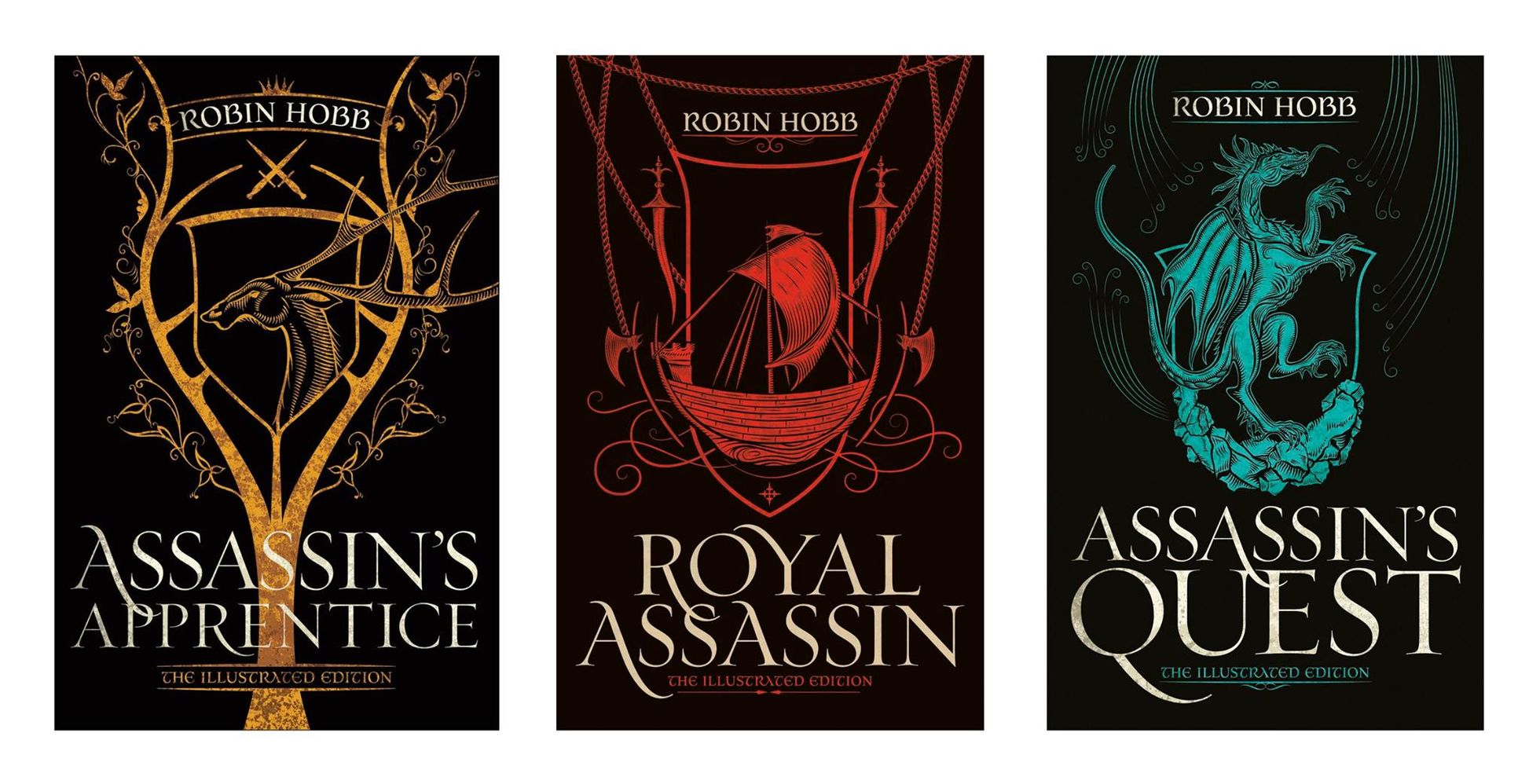
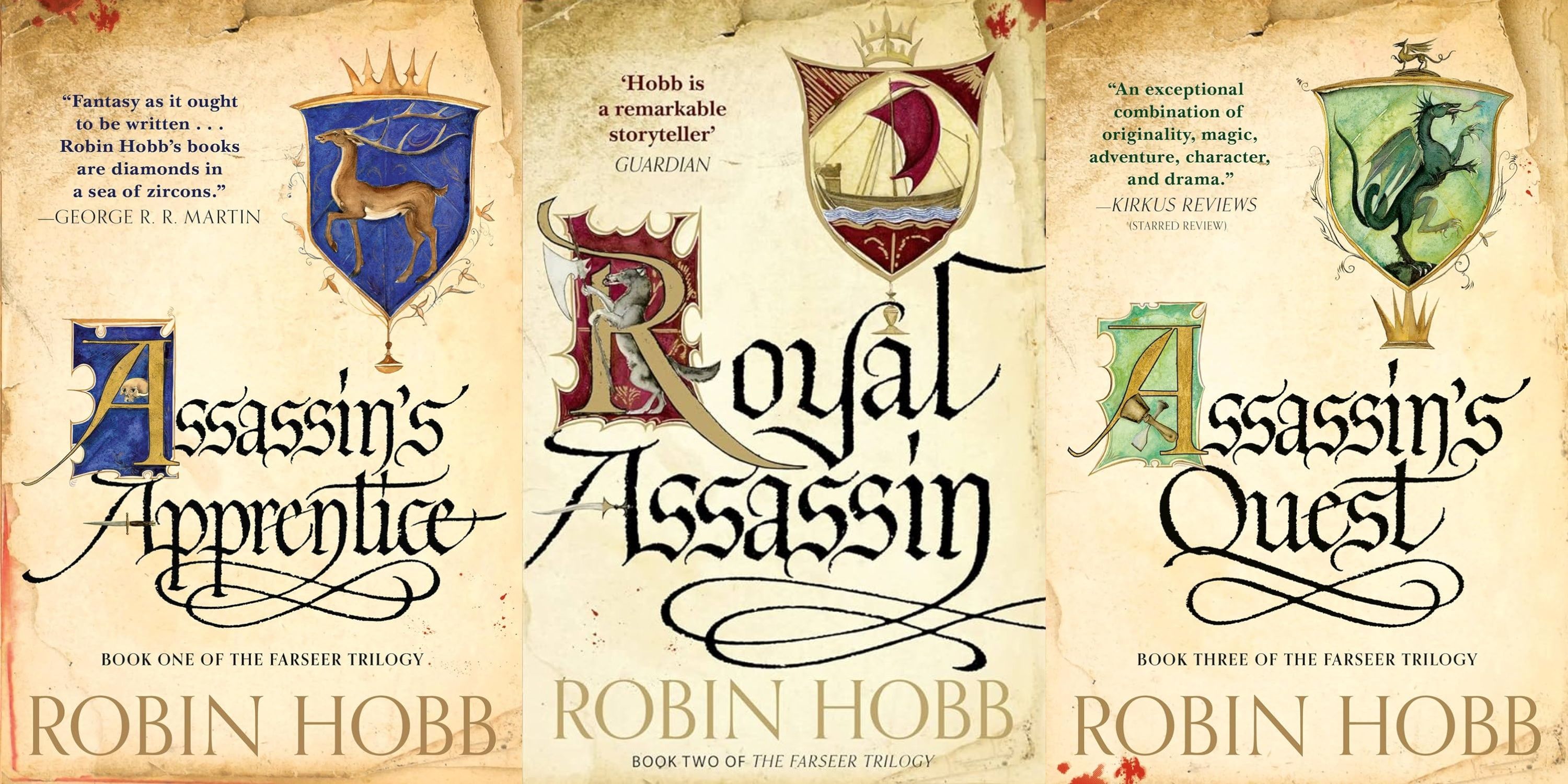
- The Farseer Trilogy: Assassin's Apprentice, Royal Assassin, Assassin's Quest
- The Liveship Traders Trilogy: Ship of Magic, The Mad Ship, Ship of Destiny
- The Tawny Man Trilogy: Fool's Errand, The Golden Fool, Fool's Fate
- The Rain Wild Chronicles: Dragon Keeper, Dragon Haven, City of Dragons, Blood of Dragons
- The Fitz and the Fool Trilogy: Fool's Assassin, Fool's Quest, Assassin's Fate
While the Liveship Traders and Rain Wild Chronicles don't directly feature Fitz, they enrich the world and provide context for later events. You can skip them, but you'll miss out on some great stories and characters. Plus, they eventually tie back into Fitz's story in a big way.
The Enduring Appeal of Robin Hobb
So, what is it about Robin Hobb's writing that has captivated readers for so many years? It's not just the intricate plots and fascinating characters, although those are certainly part of it. It's also the emotional depth and the unflinching honesty with which she explores the human condition. Her characters are flawed and vulnerable, and they make mistakes. But they also learn and grow, and they strive to be better people, even in the face of overwhelming adversity.
Hobb's books are not always easy to read. They can be heartbreaking and emotionally draining. But they are also incredibly rewarding. They offer a glimpse into a world that is both familiar and fantastical, and they remind us of the importance of love, loyalty, and compassion. And who doesn't need a little bit of that in their lives?
Beyond Fantasy: Themes of Trauma and Resilience
While the books are categorized as fantasy, they delve deeply into themes of trauma, abuse, and resilience. Fitz's childhood is far from idyllic, and the events that follow leave lasting scars. Hobb handles these sensitive topics with care and nuance, exploring the long-term effects of trauma on individuals and relationships.
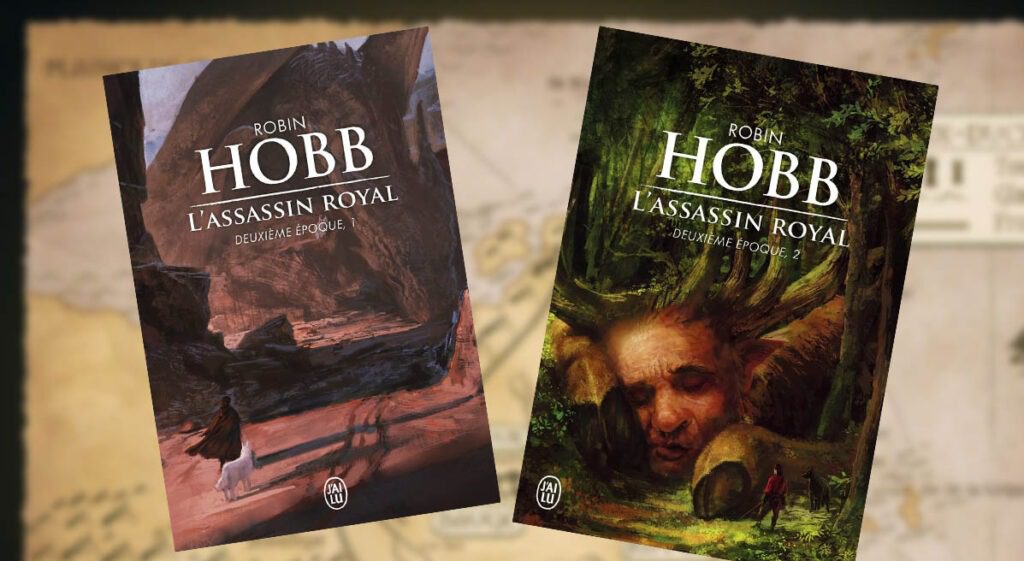
Fitz's journey is one of healing and self-discovery. He learns to cope with his past, to forgive himself and others, and to find meaning and purpose in his life. It's a powerful message of hope and resilience that resonates with readers who have faced their own challenges and hardships.
The Power of Perspective: First-Person Narration
The entire series is told from Fitz's first-person perspective, which allows readers to fully immerse themselves in his thoughts and emotions. We experience the world through his eyes, and we feel his joys, sorrows, and frustrations as if they were our own. This intimate perspective is one of the key reasons why Hobb's characters feel so real and relatable.
However, the first-person narration also has its limitations. We only see what Fitz sees, and we only know what he knows. This can create a sense of mystery and suspense, as we are often left wondering what other characters are thinking and feeling. It also forces us to rely on Fitz's judgment, which is not always reliable. After all, he's a flawed and biased narrator.
Final Thoughts: Prepare for an Emotional Rollercoaster
So, there you have it. A whirlwind tour of L'Assassin Royal and the wider world of Robin Hobb's Fitz books. It's a series that will make you laugh, cry, and question your own sanity. It's a series that will stay with you long after you finish reading it. And it's a series that I highly recommend, even if you're not a fan of bastards, royalty, or emotional devastation. Just remember to bring your tissues, your sense of adventure, and your willingness to embrace the feels. You'll need them.
But don't just take my word for it. Go out there and read the books for yourself. And then come back and tell me what you think. Did you love Fitz? Did you hate Royal? Did you cry your eyes out when [insert spoiler here]? I want to know! Because misery loves company. And trust me, you'll be in good company. We're all emotionally scarred Robin Hobb fans here. Welcome to the club!
A Few Last Words of Warning (and Encouragement)
- Don't get too attached to any character. Hobb has a habit of killing off beloved characters with shocking ease.
- Be prepared for slow burns. The plot unfolds gradually, and some books are more character-driven than others.
- Don't be afraid to cry. It's a sign that you're connecting with the story on a deep level.
- Remember that it's okay to take breaks. If you're feeling overwhelmed, step away from the books and come back to them later.
- Most importantly, enjoy the ride! Robin Hobb has created a truly special and unforgettable world.
The Punchline, As Promised
So, in conclusion, if you're looking for a fantasy series that will make you question all your life choices and leave you emotionally drained but strangely satisfied, then look no further than L'Assassin Royal. Just be sure to have a therapist on speed dial. You'll thank me later. Or maybe you'll curse my name forever. Either way, I'll consider it a success. After all, that's what good books do, right? They mess with your head and leave you forever changed. And if that's not worth reading, then I don't know what is. Now, go forth and be emotionally devastated! And don't forget to blame me when you're a sobbing mess on the floor. Bon courage, mes amis!



![L'ASSASSIN ROYAL Tome 6 de Robin Hobb [Audio]](https://blogger.googleusercontent.com/img/b/R29vZ2xl/AVvXsEgYqT-Nx7mLFXX24QSeaxxl8PavkB0qH5Q1Qdso3Np8XpqxFCg3EGfF1Wr-XlWREi-WQhURwUryC5fUdUX7H3W5icNF0KQUq2RFJyQacELzKdWN2Al22muHG1_-Uh_SNAFWQtiNnclPi9o/w1200-h630-p-k-no-nu/L%2527assassin+royal+6+audio.jpg)



![The Farseer Trilogy [comprising] Assassin's Apprentice, Royal Assassin](https://pictures.abebooks.com/inventory/31890381745_3.jpg)

