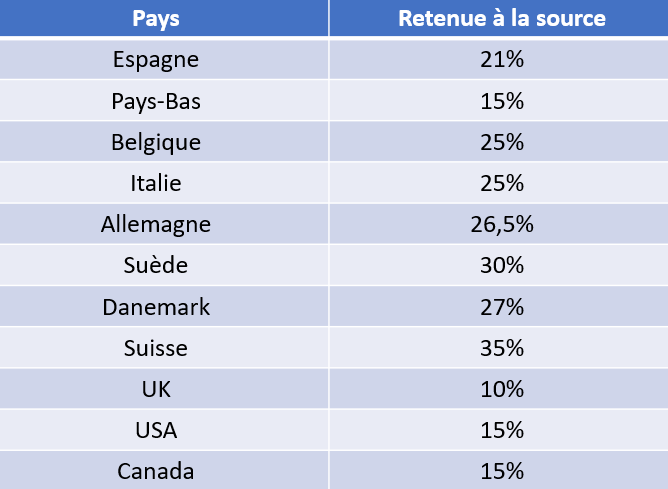
Okay, imagine this: You’ve finally decided to invest some of your hard-earned euros. You’ve done your homework, picked a promising company that just screams future success (or at least, doesn't scream inevitable bankruptcy), and bought some shares. Time passes, and BAM! Good news! Your investment is paying off, and the company's distributing dividends. Cha-ching! You're basically Scrooge McDuck, minus the swimming pool full of gold coins.
But wait… there's a catch. And this catch is called "retenue à la source" on dividends paid to non-residents. Sounds scary, doesn’t it? Like some sort of medieval tax-collecting dragon. Let's break it down in a way that won’t make your brain melt.
So, What’s the Deal with "Retenue à la Source"?
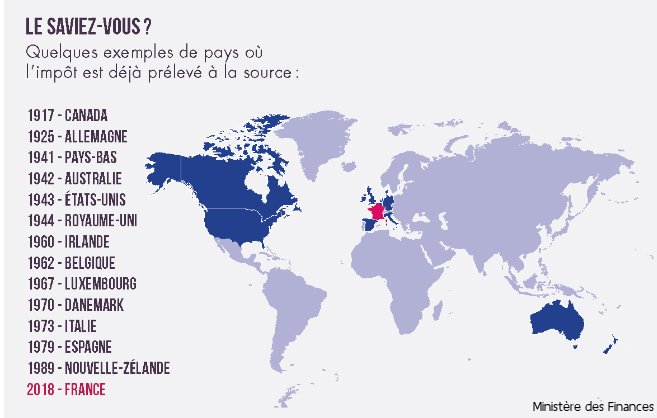
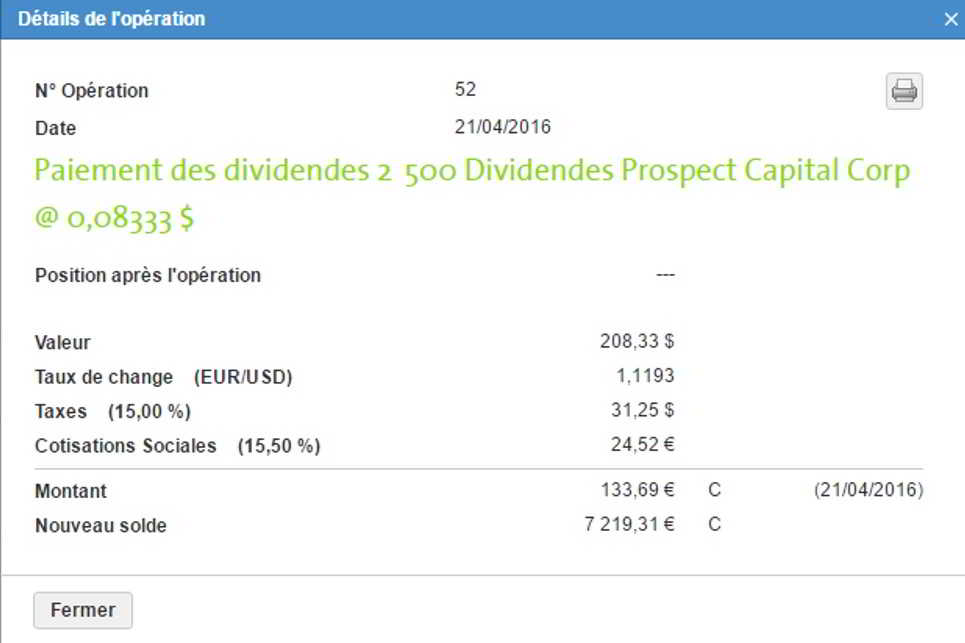
Essentially, "retenue à la source" is a withholding tax. Think of it like this: You're getting paid for your shares, but Uncle Sam (or in this case, Tonton l'État Français) wants his cut upfront. It's like when you get your paycheck – before you even see the full amount, taxes have already been deducted. Same principle here, just applied to dividends.
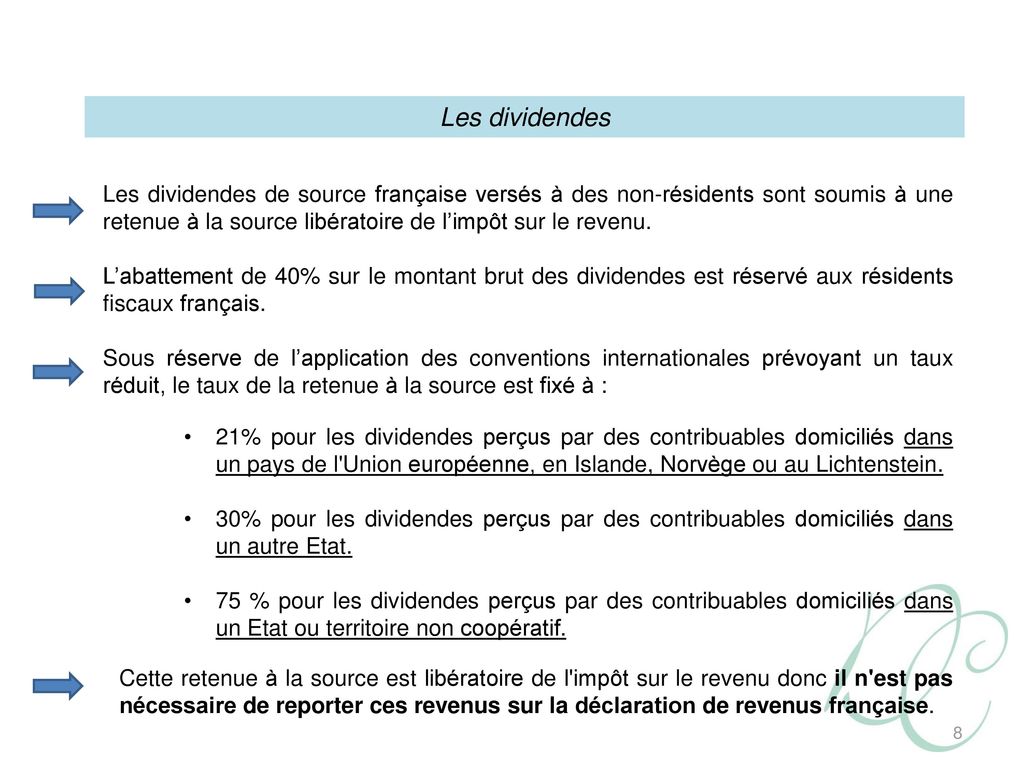
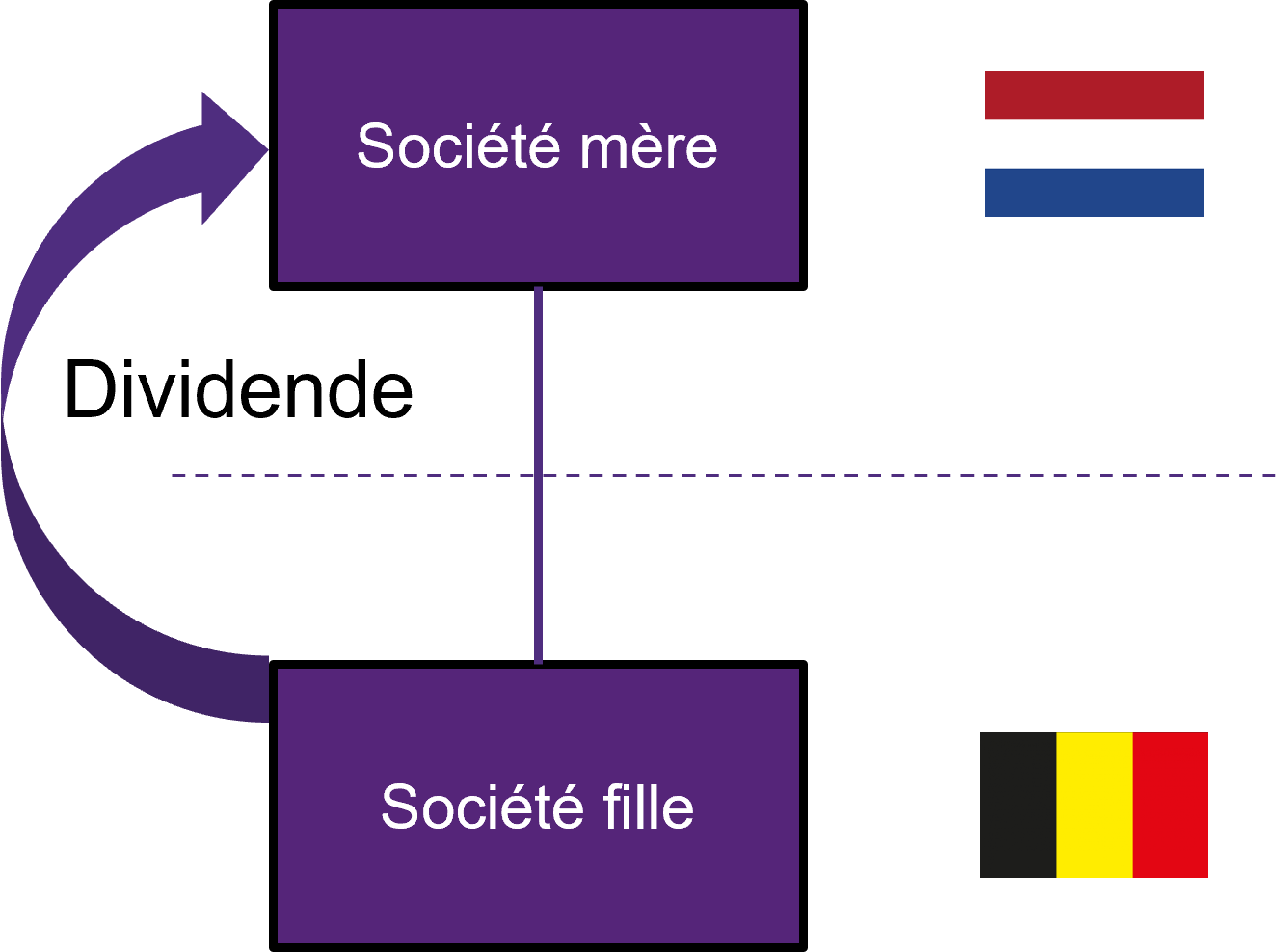
This withholding tax applies when the company distributing the dividend is based in France and you, the shareholder, don't live in France. You're a foreigner, enjoying the fruits of a French company’s labor from afar. And France, like any good host, wants a little thank you (in the form of taxes) for letting you participate in the party.
Why Does This Exist?
Good question! The reason behind this is pretty simple: taxes. Governments need money to function – to build roads, fund schools, and pay for those things that make a country tick. And taxing dividends paid to non-residents is one way to raise revenue. Plus, it's a way of ensuring that everyone contributes their fair share, even those living outside of France. Fair enough, right?
Think of it like this: you go to a friend's house for dinner. They provide the food, the ambiance, and the witty conversation. It's only polite to bring a bottle of wine or offer to do the dishes, right? "Retenue à la source" is kind of like bringing a bottle of wine to the French government for the privilege of investing in their companies. A slightly expensive bottle of wine, perhaps, but a bottle nonetheless.

The Nitty-Gritty Details (Without Getting Too Confused)
Okay, now for some slightly more technical stuff. Don't worry, I'll keep it as painless as possible. The standard rate of "retenue à la source" on dividends paid to non-residents in France is usually around 25%. Yes, I know, that sounds like a lot. But before you start panicking and swearing off French investments forever, there are a few things to consider.
Tax Treaties to the Rescue!
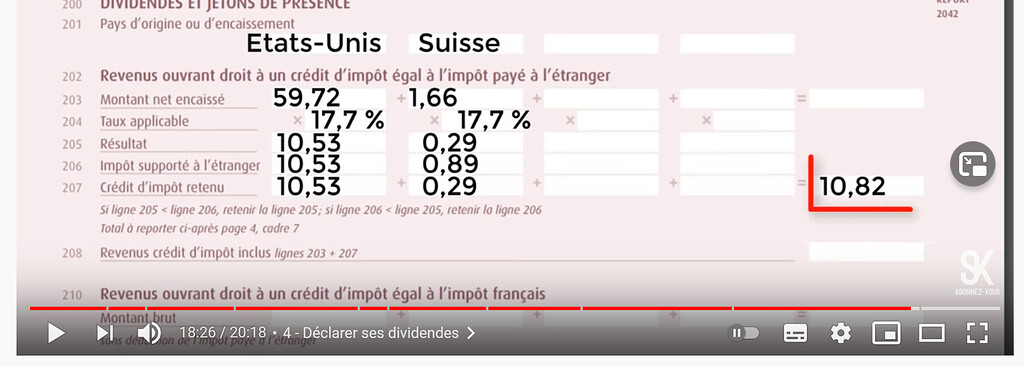
This is where things get a little more interesting. France has signed tax treaties with many countries around the world. These treaties are agreements that aim to prevent double taxation. What that means in practice is that the withholding tax rate can be reduced, or even eliminated completely, depending on your country of residence and the specific terms of the treaty.
Think of tax treaties like a special VIP pass to the French investment party. If your country has a treaty with France, you might get in with a significantly smaller "contribution" than the standard 25%. For example, if you're a resident of the United States, the tax treaty between the US and France often reduces the withholding tax rate on dividends to 15%. Still a cost, but far less than the standard rate.

How to Find Out If You're Eligible for a Reduced Rate
So, how do you figure out if you qualify for a reduced rate under a tax treaty? Well, the first step is to check the tax treaty between France and your country of residence. You can usually find these treaties on the websites of your country's tax authority or the French tax authority (Direction Générale des Finances Publiques). Be warned: reading tax treaties can be about as exciting as watching paint dry, but it's a necessary evil.
Alternatively, you can consult with a tax advisor. These are professionals who specialize in international taxation, and they can help you navigate the complexities of "retenue à la source" and determine if you're eligible for a reduced rate. They’re like your personal tax sherpa, guiding you through the treacherous mountains of fiscal regulations. Of course, hiring a tax advisor will cost you money, but it could save you money in the long run by ensuring that you're paying the correct amount of tax.
What You Need to Do to Claim a Reduced Rate
Okay, let’s say you’ve determined that you are eligible for a reduced rate under a tax treaty. What do you need to do to claim it? Well, typically you'll need to fill out a form called Form 5000 (or a similar form, depending on the specific treaty). This form is used to certify that you are a resident of a country with a tax treaty with France and that you are entitled to the reduced withholding tax rate.

You'll need to provide your tax identification number (TIN) from your country of residence on the form. This is basically your social security number, but for tax purposes. You'll also need to provide other information, such as your name, address, and the details of your investment.
Once you've completed the form, you'll need to submit it to the French company distributing the dividend (or to your broker, who will then forward it to the company). The company will then use the information on the form to apply the reduced withholding tax rate. It's kind of like presenting your VIP pass at the door to get into the French investment party for a cheaper price.
Important Considerations and Potential Pitfalls
Here are a few things to keep in mind regarding "retenue à la source":

- Timing is key: Make sure you submit the Form 5000 before the dividend is paid. If you submit it after the fact, you may have to reclaim the overpaid tax later, which can be a hassle.
- Keep good records: Keep copies of all documents related to your investments and taxes, including the Form 5000 and any dividend statements. This will be helpful if you ever need to prove that you're entitled to a reduced withholding tax rate.
- Don't be afraid to ask for help: If you're unsure about any aspect of "retenue à la source," don't hesitate to consult with a tax advisor. It's better to be safe than sorry when it comes to taxes.
Final Thoughts: Don't Let Taxes Scare You!
So, there you have it. "Retenue à la source" on dividends paid to non-residents can seem like a confusing and intimidating topic at first. But hopefully, this explanation has helped to demystify it and make it a little less scary.
While paying taxes is never fun, it's a necessary part of life. And with a little bit of knowledge and planning, you can minimize the impact of "retenue à la source" on your investment returns. Don't let the tax tail wag the investment dog. Invest wisely, do your research, and don't be afraid to seek professional advice when needed.
Remember, even Scrooge McDuck had to pay taxes eventually. And if you're getting dividends from French companies, that means you're doing something right! So, pat yourself on the back, pay your taxes (or at least, pay the correct amount), and enjoy the fruits of your investment labor. À votre santé!