Alright, imagine you're baking a cake. Sounds simple, right? You follow a recipe, throw in some flour, sugar, eggs…voilà! But what if that recipe was in legalese? Utter chaos! Well, a "Rapport de Stage en Droit" – a law internship report – is kind of like translating that legalese cake recipe into something everyone can understand. It's about taking all those fancy legal terms and experiences and making them accessible. Pourquoi s'en soucier (Why care)? Let’s find out!
A law internship report, at its core, is a detailed account of what you, the budding legal eagle, did during your time at a law firm, court, or any other legal institution. Think of it as your legal adventure diary. It's not just a list of tasks; it's a reflection on your experiences, the lessons you learned, and how you grew as a future lawyer. It's like telling the story of how you went from knowing absolutely nothing about tort law to vaguely understanding it…maybe.
Why Bother With A Report?
Okay, I get it. Writing reports isn't exactly a thrill. But trust me, this one's important. Think of it as your chance to show off (humbly, of course!). It's your opportunity to demonstrate to your professors, future employers, and even yourself, just how much you’ve absorbed.
Let's break it down:
- Academic Validation: First and foremost, your university usually requires it! It’s proof that you didn’t just spend your internship sipping coffee and perfecting your Instagram stories (though, let's be honest, we all do that a little). It’s the official document confirming that you engaged with the legal profession.
- Professional Development: Writing the report forces you to reflect on your experiences. What did you actually learn? What skills did you hone? What were your weaknesses? This self-assessment is invaluable for future career planning. It's like looking in a mirror and seeing your legal superhero (or at least, a lawyer in training!).
- Career Booster: A well-written report can be a fantastic conversation starter during job interviews. It provides concrete examples of your abilities and experiences. Employers want to see that you can not only do the work but also communicate effectively about it. The report acts as a portfolio of your budding legal skills.
The Anatomy of a Killer Rapport de Stage
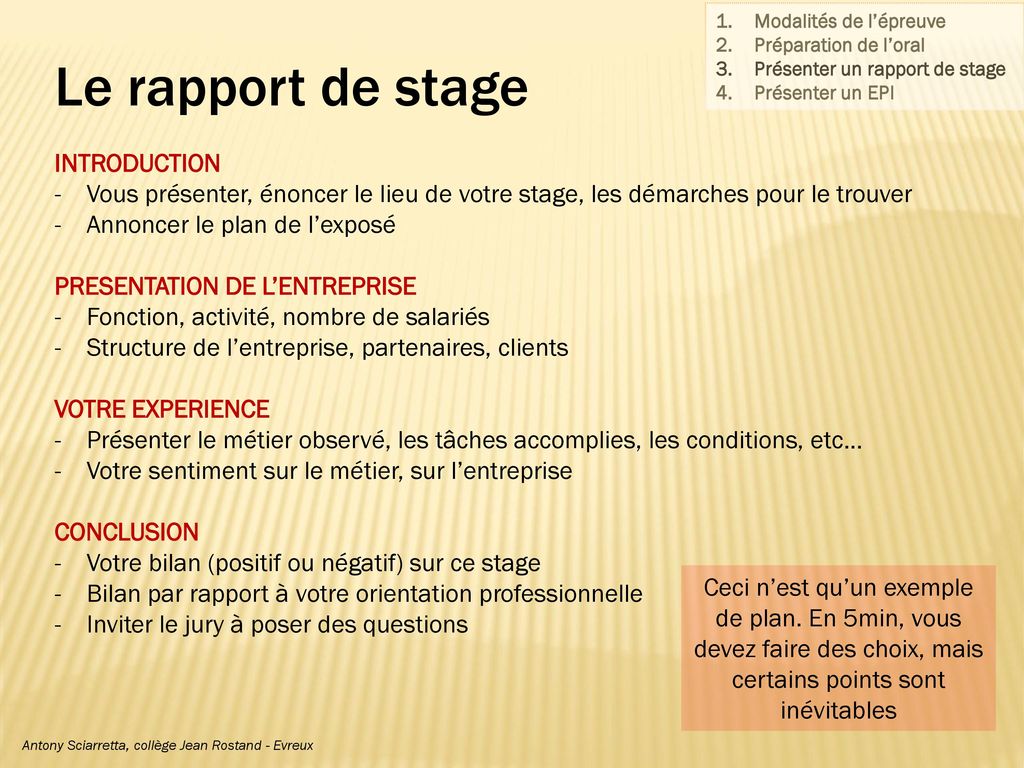
So, what goes into this magical document? While specific requirements may vary, there are some common elements:
1. Introduction: Setting the Stage
Think of the introduction as the opening scene of your legal drama. It’s where you hook the reader. Introduce the organization where you interned, its area of expertise, and your role within the team. Briefly state the objectives of your internship and what you hoped to achieve.

Example: "My internship at Cabinet Dupont focused on commercial law. I aimed to gain practical experience in drafting contracts and conducting legal research, contributing to the team's efforts in advising clients on matters of intellectual property."
2. Description of the Internship: The Nitty-Gritty
This is where you get into the details. Describe the tasks you performed, the projects you worked on, and the cases you were involved in. Be specific! Don't just say "I did legal research." Instead, say "I conducted legal research on the implications of the GDPR for small businesses in France, using databases such as Légifrance and Dalloz."
Pro Tip: Use action verbs! Drafted, analyzed, researched, assisted, participated, presented – these words make your report sound dynamic and engaging.

3. Analysis and Reflection: The "Aha!" Moments
This is the most crucial part of your report. Don't just describe what you did; analyze why it was important and what you learned from it. What challenges did you face? How did you overcome them? What surprised you? What would you do differently next time?
Example: "I initially struggled with understanding the complexities of intellectual property law. However, by actively participating in client meetings and seeking clarification from my supervisor, I was able to grasp the fundamental principles and contribute meaningfully to the team's research efforts."
4. Conclusion: Tying It All Together
Wrap up your report by summarizing your key takeaways and reflecting on your overall experience. Did you achieve your initial objectives? How has the internship shaped your career aspirations? What skills will you continue to develop?

Example: "This internship has solidified my interest in pursuing a career in commercial law. I have gained valuable experience in drafting contracts and conducting legal research, and I am now more confident in my ability to contribute to a legal team. I plan to further develop my knowledge of intellectual property law through additional coursework and practical experience."
5. Presentation: Making it Readable
Don't underestimate the importance of presentation! Your report should be well-organized, clearly written, and free of grammatical errors. Use headings and subheadings to break up the text, and use bullet points or numbered lists to present information in a concise and easy-to-read format. Think of it like this: even the most delicious cake looks unappetizing if it's served on a dirty plate. Proper grammar and formatting are your clean plate!
Important Note: Always cite your sources properly! Plagiarism is a big no-no in the legal world (and everywhere else, for that matter). Make sure you follow your university's citation guidelines. Use foot notes or end notes to make sure to refer to your sources!

Avoiding Common Pitfalls
Here are a few common mistakes to avoid:
- Being Too Vague: "I did some research" is not enough. Be specific about what you researched, how you did it, and what you found.
- Simply Listing Tasks: Don't just list your responsibilities. Analyze the significance of those responsibilities and what you learned from them.
- Using Jargon Excessively: While legal terminology is important, don't overdo it. Explain complex concepts in a clear and concise manner. Remember, you're translating legalese, not drowning in it.
- Ignoring Feedback: If your supervisor or professor provides feedback on your report, take it seriously! They are trying to help you improve.
Final Thoughts: Embrace the Journey
Writing a "Rapport de Stage en Droit" might seem daunting, but it's ultimately a valuable opportunity for self-reflection and professional growth. Embrace the process, be honest about your experiences, and take the time to analyze what you've learned. Think of it as your chance to tell your legal story, showcase your skills, and set yourself up for a successful future in the legal profession.
So, go forth and conquer that report! You've got this! And remember, even the most seasoned lawyers started somewhere, often with a slightly terrifying, but ultimately rewarding, internship and its accompanying report. Bonne chance! (Good luck!)
And, hey, maybe after you're done, you can finally bake that cake...using a clearly translated recipe, of course!