Okay, imagine this: you're at a party, crammed into a tiny Parisian apartment. Someone's playing Serge Gainsbourg a bit too loud, and everyone's chain-smoking like it's still the '60s. And then, someone starts quoting...the most awkward, repetitive, yet strangely beautiful dialogue you've ever heard. That, my friends, was probably someone reciting Jean-Luc Lagarce.
Seriously, the first time I encountered Lagarce, I was totally baffled. I was like, "Is this guy trying to drive me insane with repetition?" But then, the more I listened, the more I realized there was something incredibly profound and moving happening beneath the surface. It's like he's holding a mirror up to our own anxieties and insecurities, but with a strangely comforting kind of detachment. (Anyone else ever feel like they're just repeating the same conversations over and over? Just me? Okay then...).
So, Who Is Jean-Luc Lagarce Anyway?
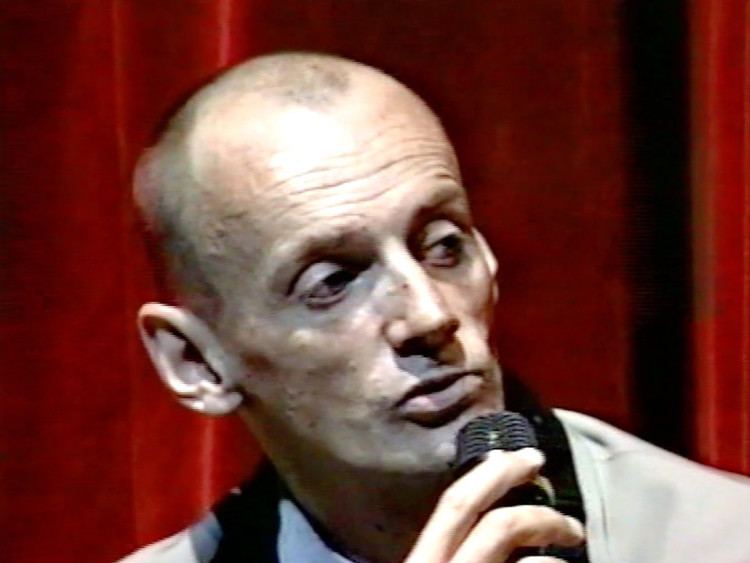
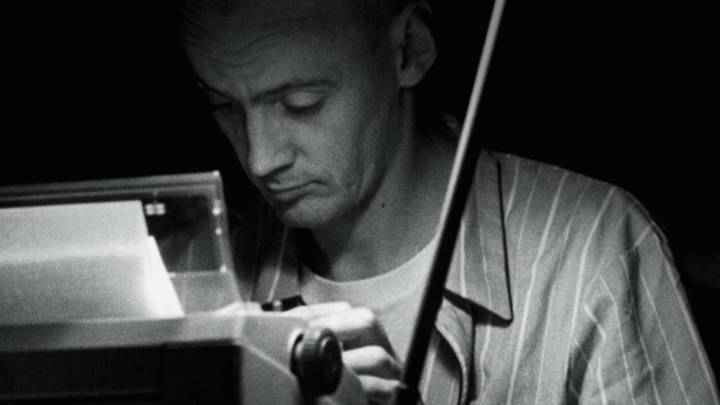
Good question! Let's dive in. Jean-Luc Lagarce (1957-1995) was a French playwright, actor, and director. Now, that might sound like a standard bio, but trust me, his work is anything but standard. Think of him as the slightly melancholic, existential, and perpetually anxious younger brother of Samuel Beckett and Eugène Ionesco. He’s part of that Theater of the Absurd tradition, but he adds his own unique, very personal touch. He often explores themes of family, memory, illness, and the difficulty of communication.
He's not exactly a household name (unless your household consists of theatre nerds, in which case, high five!), but in the world of contemporary French theatre, he's kind of a big deal. Especially since his death in 1995, his work has experienced a huge surge in popularity. Why? Because he speaks to something deep and universal about the human condition – even if he does it in a way that's a little…unconventional.
Key Features of Lagarce's Style
Alright, let's break down what makes Lagarce, well, Lagarce. Prepare yourself for some potentially mind-bending concepts.
- Repetition, Repetition, Repetition: I'm not kidding. His dialogue is obsessed with repetition. Characters repeat phrases, sentences, and even whole paragraphs. At first, it can seem annoying, but it’s actually intentional! Lagarce uses it to highlight the anxieties and insecurities of his characters. It shows how they’re stuck in cycles of thought and conversation. It reflects how hard it can be to actually communicate what you truly mean. (We've all been there, right? When you keep circling around the same point without actually saying anything?).
- Elliptical Language: Lagarce’s writing is full of pauses, hesitations, and unfinished thoughts. It's like he's capturing the way people actually talk, with all the ums, ahs, and false starts. It creates a sense of unease and ambiguity. The silences are often as important as what's being said.
- Autobiographical Elements: Many of Lagarce’s plays are deeply personal and draw on his own experiences. He was diagnosed with AIDS in the late 1980s, and his illness and impending death often figure prominently in his work, although it's rarely explicitly stated. He subtly weaves it in.
- Focus on the Famille (Family): Ah, the family. The source of so much joy...and so much drama. Lagarce is fascinated by the dynamics of family relationships. He explores the tensions, the unspoken resentments, and the complicated love that binds families together. His characters often struggle to connect with each other, even when they desperately want to.
- A Sense of Imminent Departure: There's often a feeling of impending loss or departure in Lagarce's plays. Characters are often waiting for someone to leave, or preparing to leave themselves. This creates a sense of melancholy and nostalgia. (It’s like he’s reminding us that everything is temporary, which, let's be honest, is kind of a bummer, but also…beautiful in a way?).
Key Works to Know
Want to get started exploring Lagarce's work? Here are a few of his most famous and accessible plays:
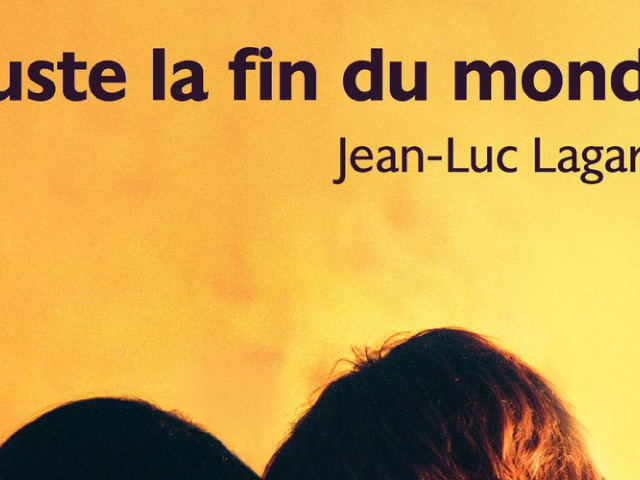
- Juste la fin du monde (It's Only the End of the World): Probably his most famous play. It tells the story of Louis, a writer who returns home after a long absence to tell his family that he is dying. The play is a powerful exploration of family dynamics, communication, and the fear of death. Highly recommended as a starting point!
- Les Règles du savoir-vivre dans la société moderne (Rules of Civility for Modern Living): A satirical and darkly funny play that dissects the absurdities of social etiquette. It's a series of monologues delivered by a woman who is obsessed with following all the rules, even if they make no sense. Think of it as a darkly comedic guide to navigating the minefield of social interactions.
- J’étais dans ma maison et j’attendais que la pluie vienne (I Was Just in My House Waiting for the Rain to Come): This play features five women waiting for the return of a son/brother who has been missing for a long time. It's a haunting and poetic exploration of grief, hope, and the power of female relationships.
- Derniers Remords avant l’oubli (Last Remorse Before Oblivion): Three friends reunite after many years to sell a house they once shared. The play explores themes of memory, loss, and the passage of time. It is very character-driven.
Why Should You Care About Lagarce?
Okay, so I've thrown a lot of information at you. But why should you actually bother reading or seeing a Lagarce play? Here's my pitch:
- He's Incredibly Relevant: Despite being written in the late 20th century, his plays feel surprisingly relevant to our current moment. His themes of anxiety, isolation, and the difficulty of communication resonate deeply in a world that feels increasingly fragmented and disconnected. (Plus, who doesn't relate to the feeling of being stuck in an endless loop of repetitive thoughts?).
- He Offers a Unique Perspective: Lagarce's style is unlike anything else you'll encounter in theatre. His use of repetition, elliptical language, and autobiographical elements creates a unique and unforgettable theatrical experience.
- He Makes You Think: His plays aren't always easy to watch, but they will definitely make you think. He challenges you to confront uncomfortable truths about yourself and the world around you. It forces you to look at the human condition under a new, albeit unconventional, light.
- He's Got a Cult Following for a Reason: There’s a good reason why Lagarce has such a dedicated fanbase. Once you "get" his work, it's hard not to be captivated by his unique voice and his profound insights into the human condition. It’s a rabbit hole worth diving into!
Ultimately, Jean-Luc Lagarce is an author who deserves to be better known. His plays are challenging, yes, but they're also deeply rewarding. If you're looking for theatre that's intelligent, thought-provoking, and unlike anything you've ever seen before, give Lagarce a try. You might just be surprised at how much you connect with his strangely beautiful and melancholic vision of the world.
So, next time you're at a party and someone starts spouting off strangely repetitive dialogue, don't just roll your eyes. Ask them if they're a Lagarce fan. You might just make a new friend. And who knows, you might even start a revolution...a theatrical revolution, that is! (Or, at the very least, you'll have something to talk about other than the weather.)