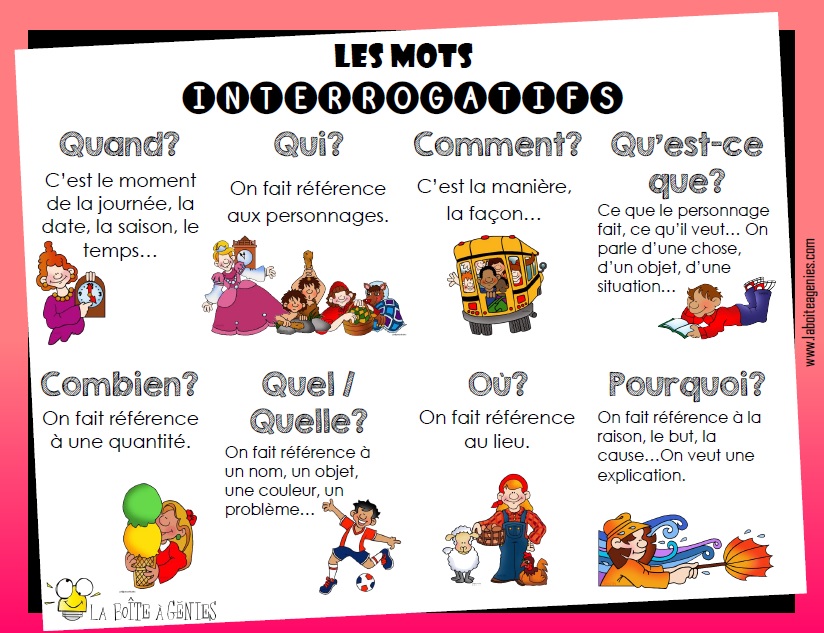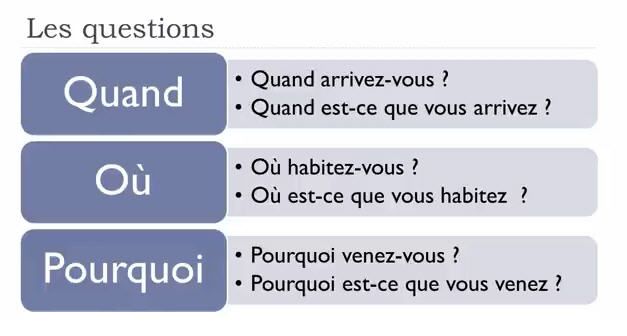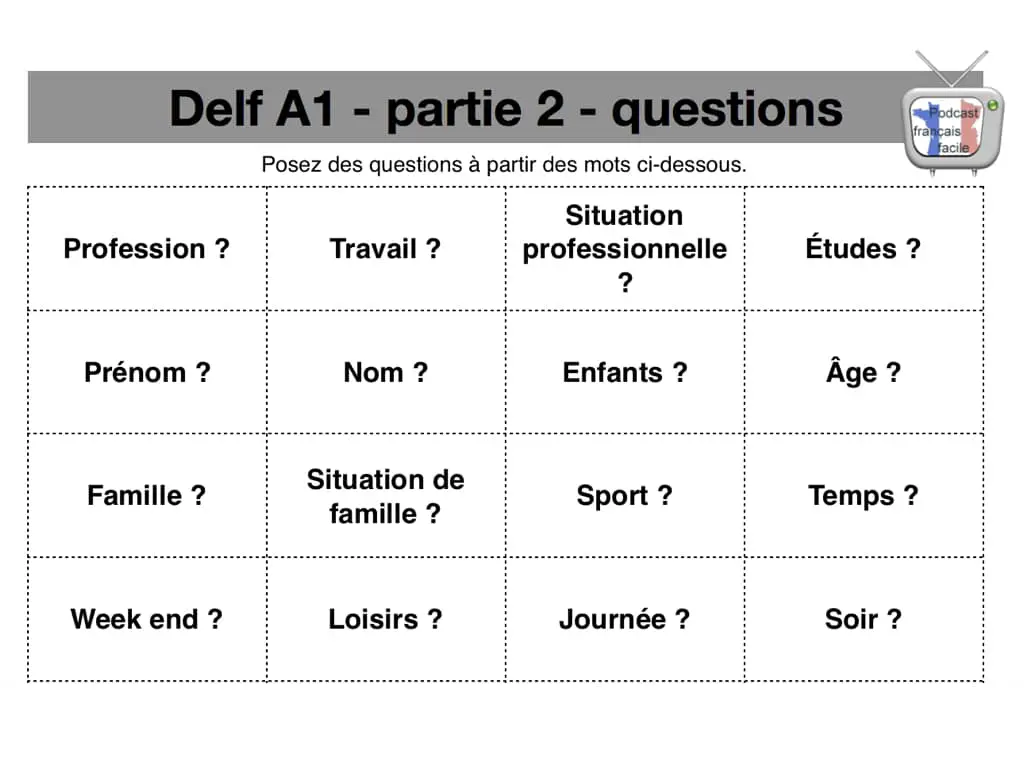
Ah, le français! Language of love, of philosophy, of perfectly executed pastries. But let's be honest, sometimes it feels less like a romantic stroll through Paris and more like navigating a particularly tricky episode of Koh-Lanta. Ever found yourself tangled in the subjunctive or sweating over gendered nouns? Bienvenue au club! This isn't your grandma's dusty textbook; we're diving into the French language with a modern, lighthearted approach.
Deciphering the French Enigma: More Than Just Bonjour
French, unlike its Germanic cousins, flows with a certain... je ne sais quoi. It's a language built on nuances, subtle inflections, and grammatical acrobatics. But fear not! Breaking down the perceived complexities into manageable bites makes the whole experience far more digestible. Let's tackle some common hurdles:
Grammar Gymnastics: When Rules Meet Reality
Grammar. The word alone can send shivers down the spine of even the most seasoned language learner. French grammar, admittedly, has its quirks. But think of it as a puzzle, not a prison. Here’s the thing: mastering a few key concepts makes a world of difference.
- Gendered Nouns: Le chat, la table. Arbitrary? Sometimes. But crucial! A good rule of thumb is to learn the gender along with the noun. Use flashcards, sticky notes around your house, or even create ridiculous mental associations. (A la table that's always laughing? Whatever works!)
- Verb Conjugations: Être or avoir? That is the question. Understanding the basic tenses – present, past, and future – is fundamental. Concentrate on the most common verbs first (être, avoir, aller, faire) and build from there. Practice makes perfect, even if you stumble along the way. Remember, even the French make mistakes!
- The Subjunctive Mood: Ah, the bane of many a student's existence! Often used to express doubt, possibility, or emotion, the subjunctive can feel like a grammatical black hole. Don't panic! Focus on recognizing the trigger words and phrases (il faut que, bien que, à moins que) and gradually incorporate the subjunctive into your speech.
Vocabulary Ventures: Building Your French Lexicon
Expanding your vocabulary is like building a linguistic Lego castle. The more bricks you have, the more elaborate your creation can be. But where to start?

- Context is King (or Reine): Don't just memorize lists of words in isolation. Learn them in context, through reading, watching films, or listening to music. Pay attention to how words are used in sentences and try to infer their meaning from the surrounding text.
- The Power of Cognates: English and French share a surprising number of cognates – words with similar origins and meanings. Recognizing these can give you a head start. Examples: nation (nation), important (important), restaurant (restaurant). However, beware of false friends! (Coin doesn't mean coin, it means corner!)
- Immerse Yourself (Virtually): You don't need to hop on a plane to Paris to immerse yourself in the French language. Explore French websites, listen to podcasts, watch French TV shows on Netflix, or join online communities. The more you surround yourself with the language, the faster you'll learn.
French Culture: Beyond Baguettes and Berets
Learning a language is about more than just grammar and vocabulary; it's about understanding the culture that shapes it. French culture is rich, complex, and often delightfully quirky.
Cultural Clues: Understanding French Nuances
- Greetings and Politeness: The French place a high value on politeness. Always greet people with "Bonjour" or "Bonsoir" and use "Madame" or "Monsieur" unless you know them well. A firm handshake is the norm.
- The Art of Conversation: French conversations often involve a certain amount of intellectual sparring. Don't be afraid to express your opinions, but be prepared to back them up with arguments.
- Food as a Religion: The French take their food seriously. Meals are often leisurely affairs, meant to be savored and enjoyed. Don't rush your meal, and don't be afraid to ask questions about the food.
- Fashion and Style: The French are renowned for their sense of style. It's not about wearing expensive clothes, but about putting together an outfit that is elegant and understated.
Fun Facts to Impress Your French Friends:
- The French word for "toast" is "pain grillé," which literally translates to "grilled bread."
- France has more roundabouts than any other country in the world.
- The Statue of Liberty was a gift from France to the United States.
- France is the most visited country in the world.
Practical Tips for Everyday French
Ready to put your French skills to the test? Here are some practical tips for incorporating French into your daily life:
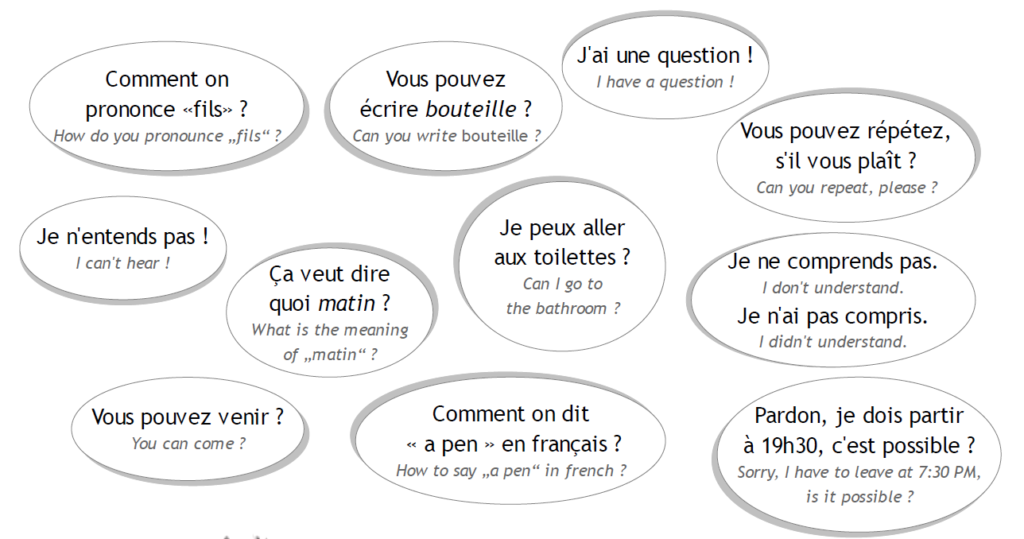
- Label Everything: Put French labels on everyday objects around your house. This helps reinforce vocabulary and makes learning more interactive.
- Think in French: Try to think in French as much as possible. Narrate your day to yourself, describe what you're doing, or imagine conversations with people.
- Find a Language Partner: Practice speaking with a native speaker. This is the best way to improve your pronunciation and fluency. There are numerous online platforms where you can find language partners.
- Embrace Mistakes: Don't be afraid to make mistakes. Everyone makes mistakes when learning a new language. The important thing is to learn from them and keep practicing.
Resources to Get You Started:
- Duolingo: A fun and addictive language learning app.
- Memrise: Uses spaced repetition to help you memorize vocabulary.
- FrenchPod101: Offers audio and video lessons for all levels.
- TV5Monde: A French-language television network with a wealth of educational resources.
A Final Reflection: French and the Art of Living
Learning French isn't just about mastering grammar rules or memorizing vocabulary lists. It's about opening yourself up to a new culture, a new way of thinking, and a new way of seeing the world. It's about appreciating the beauty of a well-turned phrase, the satisfaction of understanding a complex argument, and the joy of connecting with people from different backgrounds.
So, embrace the challenges, celebrate the small victories, and never stop learning. After all, c'est en forgeant qu'on devient forgeron – it is by forging that one becomes a blacksmith. And who knows, maybe one day you'll be confidently ordering your café au lait and debating the merits of existentialism in a Parisian café. Bonne chance!