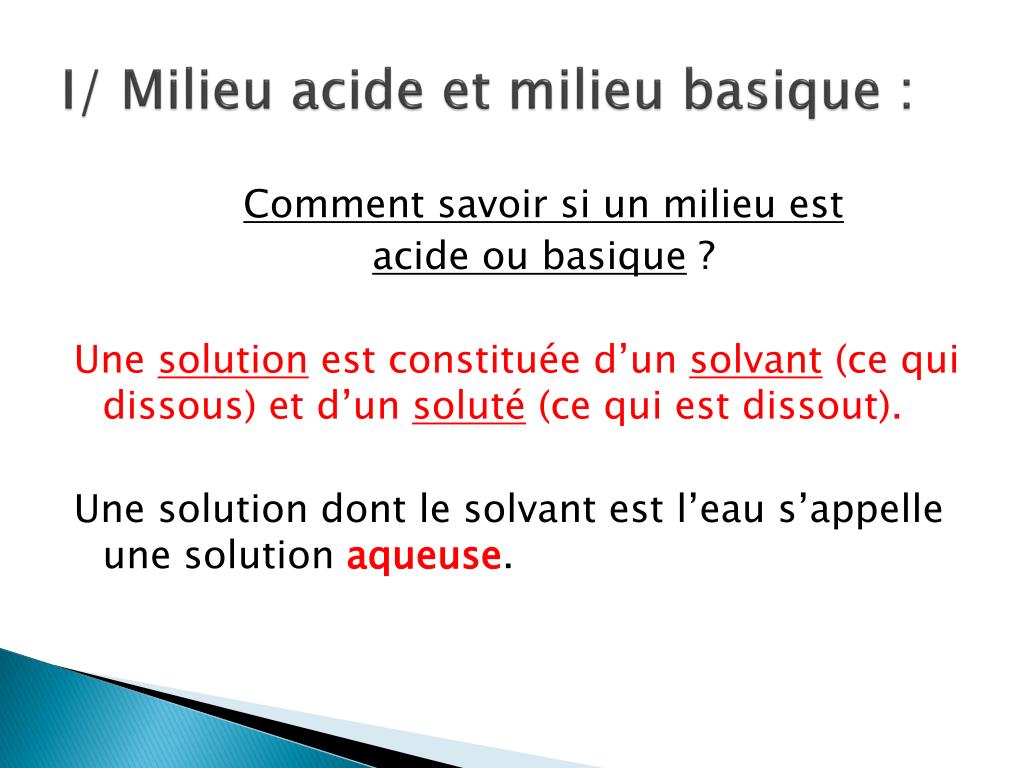
Salut tout le monde ! Ever wondered what a solution really is? Like, we throw that word around all the time, but have you ever stopped to think about what it means? Don't worry, you're not alone! Today, we're diving deep into the wonderfully mixed-up world of solutions. On y va!
Mais, Qu'est-ce Qu'une Solution, Exactement?
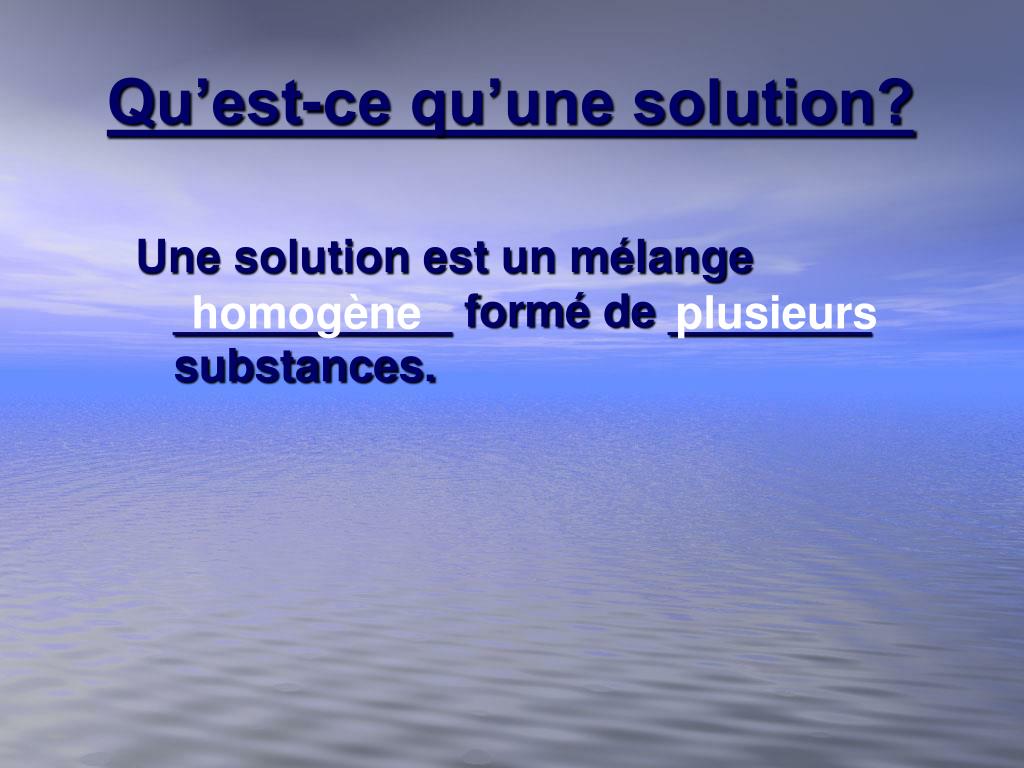
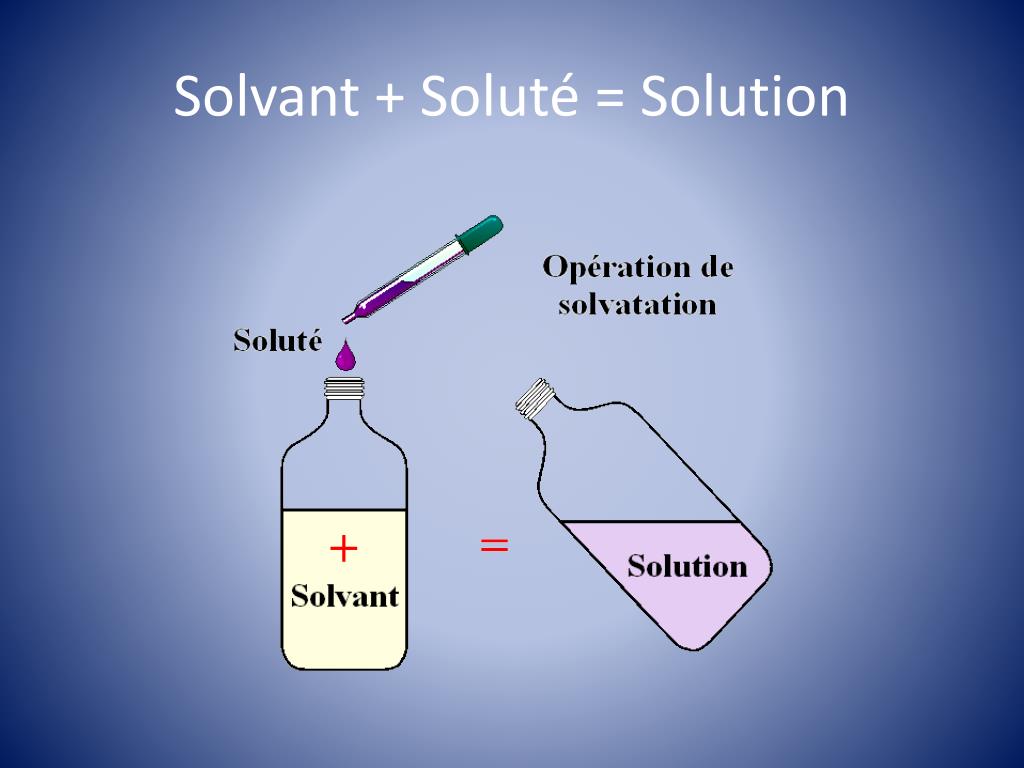
Okay, so in its simplest form, a solution is a homogenous mixture. What does that even mean, right? Let's break it down. Imagine you're making lemonade. You’ve got your water (the solvent), your lemon juice (the solute), and your sugar (another solute, because why not?). You stir it all up, and poof – lemonade! You can’t easily see the individual bits of lemon juice or sugar anymore; they’re all evenly spread out. That, my friends, is a solution.
Think of it like this: it's like throwing a bunch of different colored LEGO bricks into a giant blender (metaphorically, of course! Don't actually do that!). If the blender really mixed them perfectly, so perfectly that you couldn't distinguish individual bricks anymore, and instead just saw a uniform color throughout… that's a solution. Pretty cool, huh?
So, a solution is basically two or more substances that are perfectly blended at a molecular level. They’re so well mixed that they act as one thing, visually at least. Vous voyez?
Solvent vs. Solute: The Dynamic Duo
Let's meet the key players in our solution drama: the solvent and the solute. The solvent is the thing that does the dissolving. It's the superstar that's present in the larger amount. Think of it as the host of the party. In our lemonade example, that's the water.
The solute, on the other hand, is what's being dissolved. It's the guest at the party. It's present in a smaller amount. In our lemonade, that's the lemon juice and the sugar.
Easy peasy, non?
Why Should We Care About Solutions?
Now, you might be thinking, "Okay, great, so I know what a solution is. Big deal!" But hold on a minute! Solutions are everywhere, and they play a huge role in our lives. Seriously, huge! Why is this relevant? Let's look!
- Think about the air you breathe. It's a solution of gases (mostly nitrogen and oxygen).
- The ocean? A solution of salt and other minerals dissolved in water.
- Your blood? A complex solution carrying nutrients and oxygen throughout your body.
- Even that delicious cup of coffee you had this morning? Yup, a solution!
Solutions are fundamental to chemistry, biology, and even everyday cooking! They're how we get nutrients, how medicines work, and how we make so many of the things we use every day.
Imagine trying to live in a world without solutions. No soda, no medicine dissolved in water, no properly mixed paint… it'd be a pretty bland and ineffective existence!
Types of Solutions: It’s Not Just Liquids!
You probably think of solutions as liquids, right? Like, dissolving sugar in water. But guess what? Solutions can be solids, liquids, or even gases! Mind blown?
Gaseous Solutions
We already mentioned air, but let's delve a bit deeper. Air is a fantastic example of a gaseous solution. Nitrogen is the solvent (it's present in the largest amount), and oxygen, carbon dioxide, and other gases are the solutes.

Another example? Natural gas! Often containing methane as the primary solvent and other gases mixed in.
Liquid Solutions
These are the solutions we're probably most familiar with. Think of salt water, sugar water, or even vinegar (acetic acid dissolved in water). The solvent is a liquid, and the solute can be a solid, liquid, or gas.
For example, carbonated water (like sparkling water) is a liquid solution where carbon dioxide (a gas) is dissolved in water.
Solid Solutions
Now, this is where things get really interesting! Solid solutions are mixtures of two or more solids that are intimately mixed at the atomic level. This might sound impossible, but it's actually quite common, especially in metallurgy.

Think about brass. Brass is an alloy, which is a solid solution of copper and zinc. The atoms of copper and zinc are mixed together in a uniform way to create a new material with different properties than either copper or zinc alone.
Another example? Some types of gemstones are solid solutions, with trace elements mixed within the primary crystal structure. These trace elements can give the gemstone its unique color and properties.
Concentration: How Much is Enough?
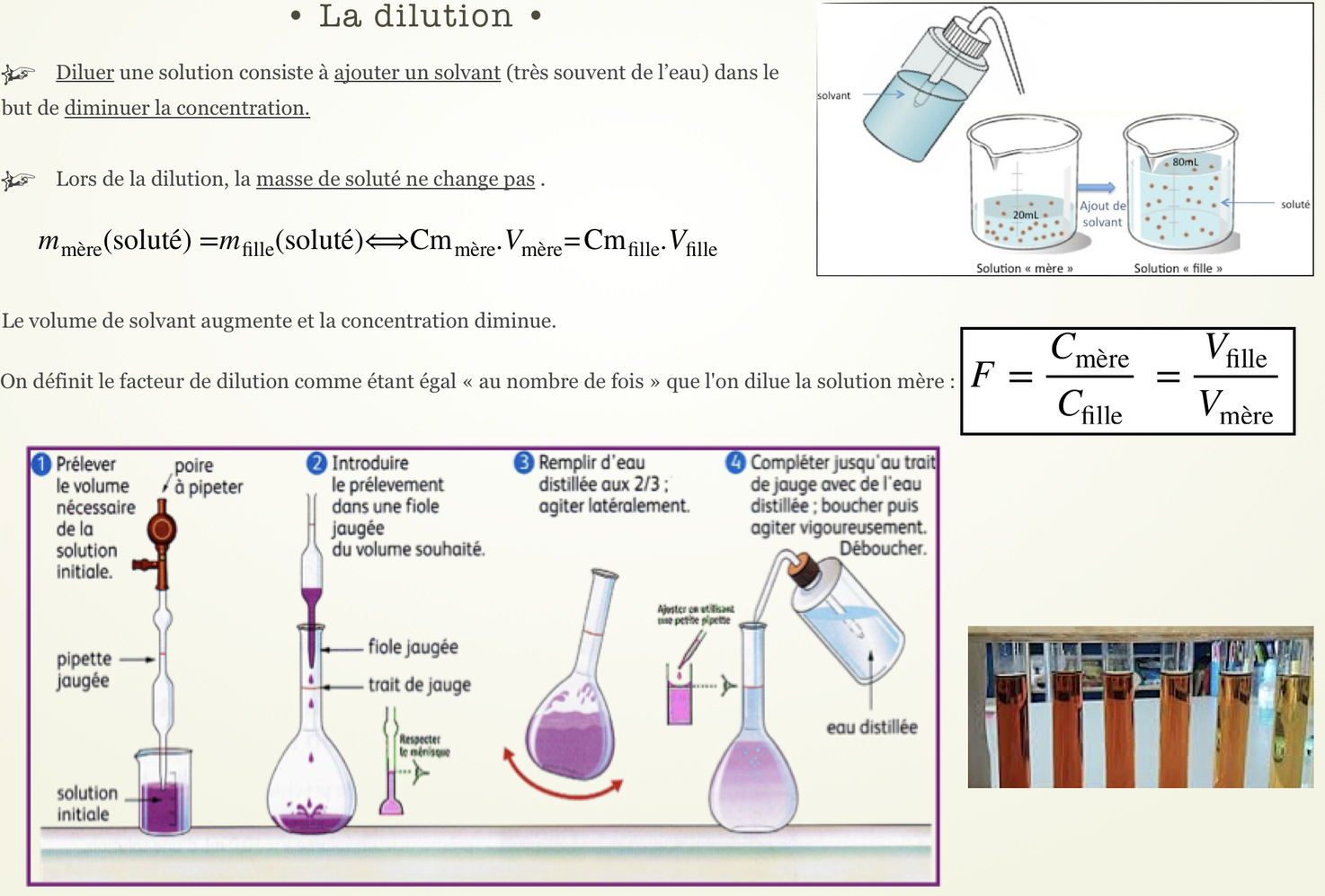
So, we know what a solution is, but how much solute is actually dissolved in the solvent? That's where concentration comes in! Concentration describes the amount of solute in a given amount of solution. Think of it like this: how much sugar do you put in your coffee? A little? A lot? That's concentration!
There are lots of ways to express concentration. We use units like:
- Molarity (M), which measures moles of solute per liter of solution.
- Molality (m), which measures moles of solute per kilogram of solvent.
- Percent concentration, which can be expressed as weight/weight (mass of solute per mass of solution), weight/volume (mass of solute per volume of solution), or volume/volume (volume of solute per volume of solution).
Understanding concentration is crucial in many applications, from medicine (making sure the right dose of a drug is administered) to chemistry (performing accurate experiments) to cooking (making sure your soup isn't too salty!).

Factors Affecting Solubility: What Makes Things Dissolve?
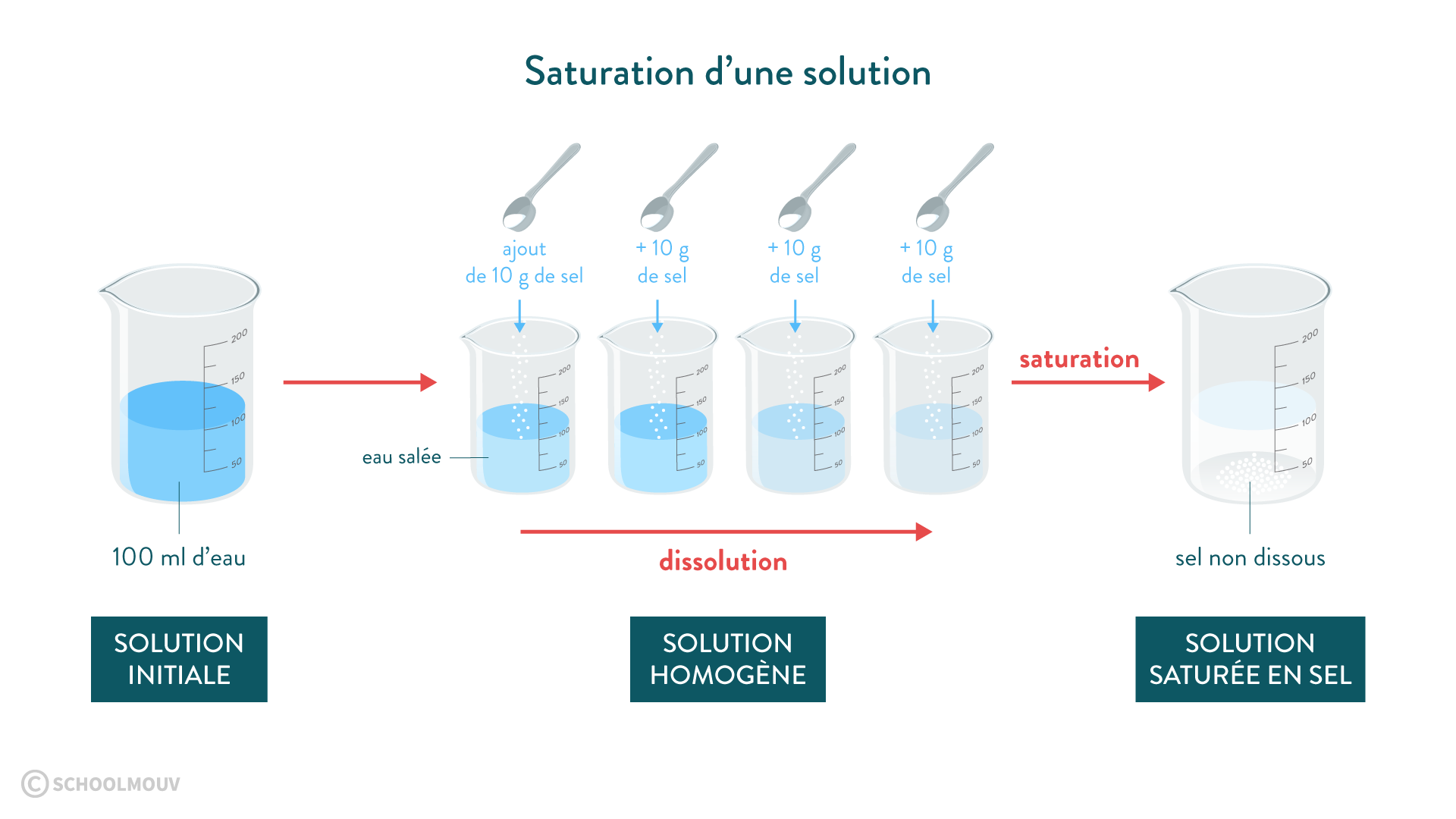
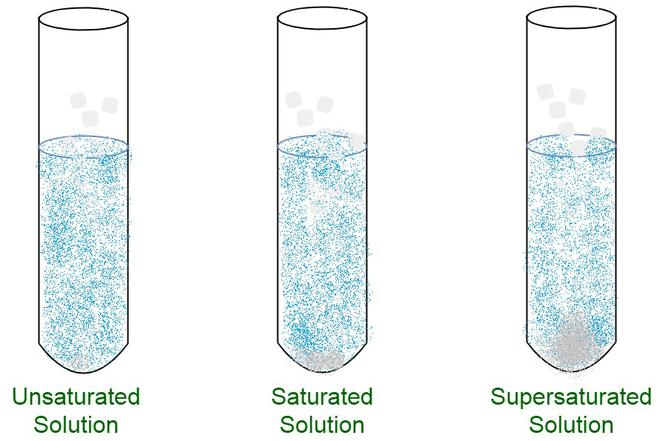
Ever wondered why some things dissolve easily, while others just refuse to budge? That's where solubility comes in. Solubility is the maximum amount of a solute that can dissolve in a given amount of solvent at a specific temperature.
Several factors influence solubility:
- Temperature: Generally, the solubility of solids in liquids increases with temperature. Think about dissolving sugar in hot tea versus cold tea. For gases in liquids, however, the solubility decreases with increasing temperature. That's why a warm soda goes flat faster than a cold one!
- Pressure: Pressure primarily affects the solubility of gases in liquids. The higher the pressure, the more gas will dissolve. This is why carbonated beverages are bottled under pressure.
- The nature of the solute and solvent: The saying "like dissolves like" holds true here. Polar solvents (like water) tend to dissolve polar solutes (like salt and sugar), while nonpolar solvents (like oil) tend to dissolve nonpolar solutes (like fats).
Understanding these factors helps us predict and control the solubility of different substances, which is vital in many chemical and industrial processes.
Solutions: More Than Meets the Eye
So, there you have it! A deep dive into the fascinating world of solutions. From the air we breathe to the drinks we enjoy, solutions are all around us, playing a critical role in our lives and the world we inhabit. Learning about them isn't just about understanding chemistry; it's about understanding the very fabric of our reality.
Hopefully, this exploration has sparked your curiosity and made you appreciate the hidden complexity and beauty of these seemingly simple mixtures. Now go forth and impress your friends with your newfound knowledge of solutions! À bientôt!