Salut tout le monde! Ever heard the word "sophiste" and wondered what it's all about? Don't worry, it's not as intimidating as it sounds. Let's dive in, shall we? Imagine a debate champion, a smooth talker, a master of rhetoric… but with a twist. That's basically what we're dealing with here.
So, Qu'est-ce Qu'un Sophiste, Exactly?
Okay, so a "sophiste" (pronounced roughly "so-feest") was a kind of teacher or intellectual superstar in ancient Greece, particularly during the 5th and 4th centuries BC. Think of them as the rock stars of the ancient academic world. They went around offering their services, mainly teaching young, ambitious Athenians the art of persuasion and public speaking. Why? Because in a democracy, being able to convince people of your point of view was everything! Think of it as a very ancient, and somewhat morally ambiguous, version of getting an MBA today.
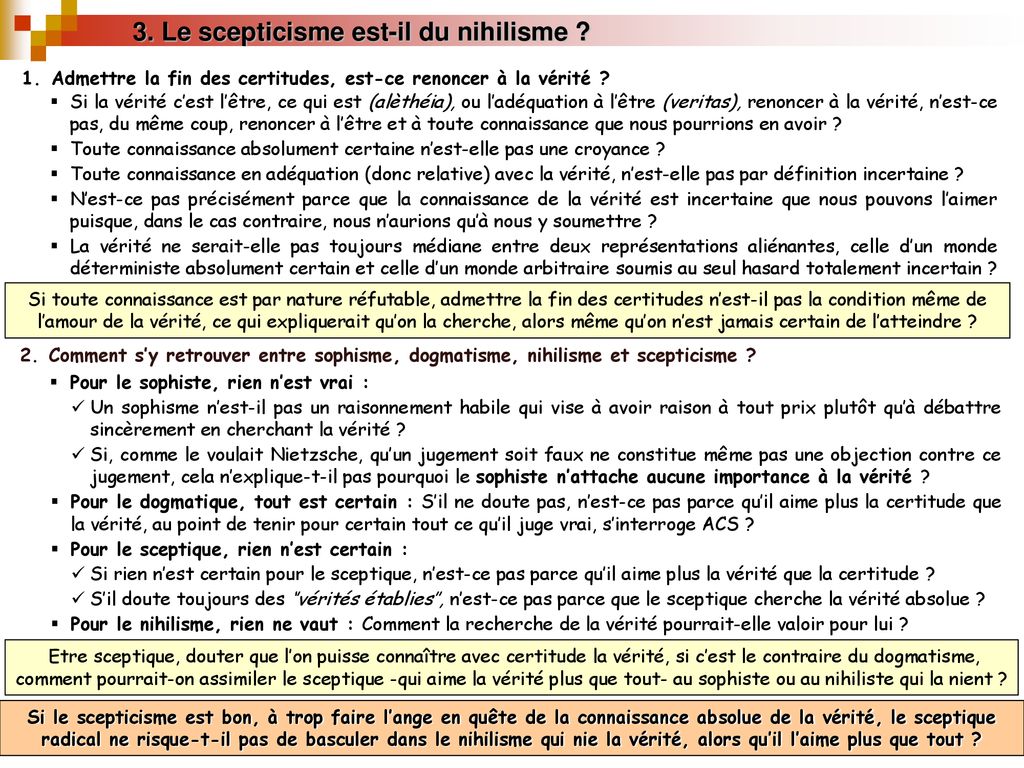
But here’s the kicker: they weren't necessarily interested in the truth. Hold on, what? That's right. Their main goal wasn't to uncover some deep philosophical understanding of the universe or to figure out the meaning of life. No, no. Their focus was on winning the argument, pure and simple. They were like legal eagles who'd argue either side of a case with equal fervor, depending on who was paying them. Sounds a bit shady, right?
Winning at All Costs?
Exactly! That's where the controversy comes in. They're often accused of using clever tricks, logical fallacies, and even downright lies to get their way. Imagine a magician pulling rabbits out of a hat – except instead of rabbits, it's arguments that seem convincing but are ultimately flawed. Are you starting to see the problem?
Think of it this way: remember that politician who always seems to wriggle out of tough questions with impressive-sounding, but ultimately meaningless, statements? Or that salesperson who can convince you to buy something you don't need with a dazzling display of charisma and fast-talking? Yeah, you've met a modern-day sophist, probably without even realizing it!
Why Were They So Popular?
Good question! In ancient Athens, knowing how to speak well and argue effectively was crucial for success. Want to be a politician? You needed to be able to sway the Assembly. Want to defend yourself in court? You better know how to argue your case convincingly. The sophists offered a way to gain a real, tangible advantage in Athenian society.
Here's a quick breakdown of why they were in such high demand:

- Democracy in Action: Athenian democracy relied on debate and persuasion.
- Career Advancement: Public speaking skills were essential for political careers.
- Practical Skills: Sophists taught skills that were immediately useful in everyday life.
- High Demand, High Price: Their services weren't cheap, making them sought-after and prestigious.
Essentially, they were providing a valuable service in a competitive environment. Think of it like offering a coding bootcamp in Silicon Valley – the skills are in demand, and people are willing to pay for them. The only difference is, instead of coding, they were teaching the art of rhetoric.
The Dark Side of Rhetoric: Is It All Just Smoke and Mirrors?
This is where things get interesting, and where the sophists caught a lot of flak. Their critics, like the famous philosopher Socrates (whom we'll talk about more later!), accused them of prioritizing style over substance, and appearance over truth. Basically, they thought the sophists were more interested in winning the game than playing it fairly. Imagine playing a game of chess, but your opponent keeps changing the rules and moving pieces however they want! Frustrating, right?
Some common criticisms included:
- Moral Relativism: Sophists often argued that there was no objective truth, that everything was relative. This meant that anything could be justified if you could argue it well enough.
- Exploitation of Logic: They were masters of logical fallacies, using them to confuse their opponents and win arguments regardless of the actual validity of their claims.
- Focus on Appearance: They emphasized the importance of appearance and presentation, sometimes at the expense of genuine knowledge and understanding.
Critics argued that the sophists were essentially teaching people how to be manipulative and dishonest. Instead of helping people to find the truth, they were teaching them how to hide it. Ouch!
Socrates vs. the Sophists: A Philosophical Showdown
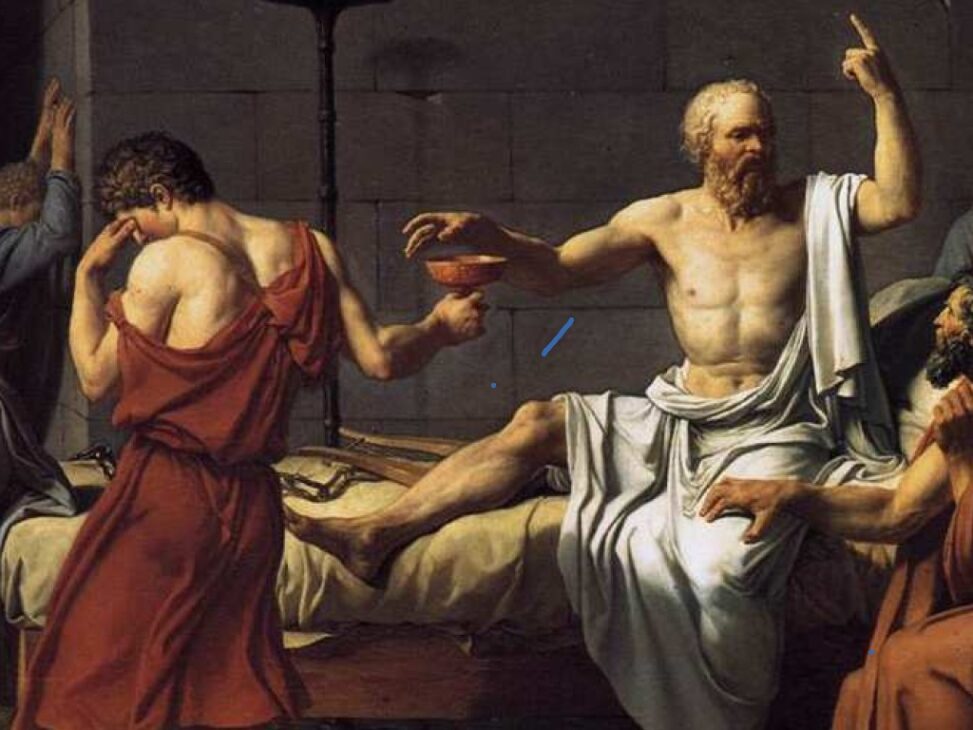
Now, here’s where the drama really begins! Socrates, one of the most influential philosophers of all time, was a major critic of the sophists. He believed that there was such a thing as objective truth, and that the goal of philosophy was to uncover it through rigorous questioning and critical thinking. He was all about getting to the heart of the matter and finding real, lasting wisdom.
Think of Socrates as the ultimate truth-seeker, always asking "Why?" and "How?" and refusing to accept easy answers. He was like a philosophical detective, constantly investigating the claims and assumptions of others. He didn't charge for his teachings and believed his aim was to improve the souls of the citizens. Sound familiar?
The clash between Socrates and the sophists was essentially a battle between two different approaches to knowledge and ethics. Socrates believed in pursuing truth, even if it was difficult and uncomfortable. The sophists, on the other hand, were more concerned with practical success and personal gain. This debate still resonates today!
Are Sophists All Bad? A Modern Perspective
So, are sophists just bad guys? Not necessarily. While their methods were often questionable, they did make some important contributions. For one thing, they helped to develop the art of rhetoric and argumentation, which are still valuable skills today. They also challenged traditional beliefs and encouraged people to think for themselves.

In some ways, they were the original "think outside the box" gurus. They challenged conventional wisdom and forced people to defend their beliefs. Think of them as the intellectual rebels of ancient Greece, always questioning the status quo.
Here are a few ways in which the sophists can be seen in a more positive light:
- Development of Rhetoric: They helped to refine the art of persuasive speaking.
- Critical Thinking: They encouraged people to question traditional beliefs.
- Debate and Discussion: They fostered a culture of open debate and discussion.
- Practical Skills: They taught skills that were useful in everyday life.
Ultimately, whether you view the sophists as villains or misunderstood intellectuals depends on your perspective. What we can say is they left a lasting mark on Western thought and continue to be a source of debate and discussion even today.
Sophistry in the 21st Century: Are We Still Being Fooled?
Absolutely! Sophistry is alive and well in the modern world. We see it in politics, advertising, the media, and even in everyday conversations. Anytime someone uses misleading language, logical fallacies, or emotional appeals to persuade you of something, you're witnessing sophistry in action.

Consider these examples:
- Political Spin: Politicians often use carefully crafted language to present their policies in the best possible light, even if the reality is more complex or unfavorable.
- Advertising Techniques: Advertisers use a variety of techniques to persuade you to buy their products, often appealing to your emotions or insecurities rather than providing factual information.
- Fake News: The spread of fake news relies on the use of sensationalism and misleading information to grab your attention and manipulate your opinions.
So, how do we protect ourselves from sophistry? By being critical thinkers! We need to question the information we receive, identify logical fallacies, and be wary of emotional appeals. We need to be like Socrates, always asking "Why?" and "How?"
The Takeaway: Be a Critical Thinker!
So, there you have it! The sophists were complex figures who played an important role in ancient Greek society. While their methods were often controversial, they also made valuable contributions to the development of rhetoric and critical thinking. The key takeaway is to be aware of the techniques of sophistry and to develop your own critical thinking skills. Don't let yourself be fooled by fancy words or clever arguments. Think for yourself, and always seek the truth!
À bientôt!