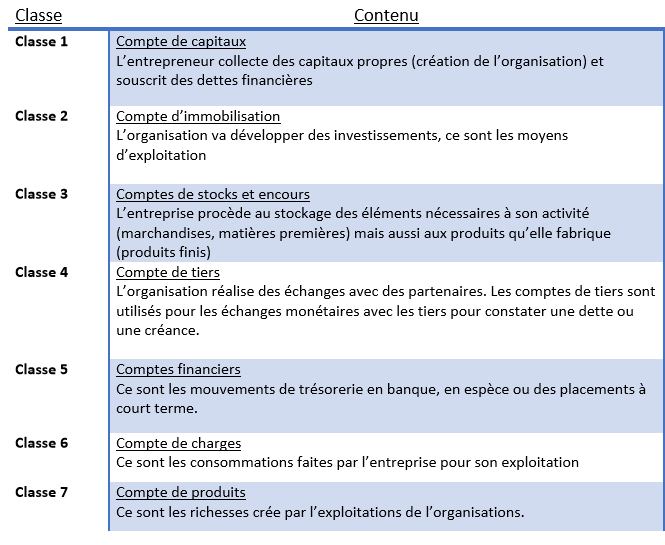
Okay, imagine this: you're helping your friend run their small bakery, "Le Petit Croissant." It's a chaotic, delicious mess, flour everywhere, but hey, the croissants are amazing. One day, the accountant drops a bomb – something about "amortissements" and "dépréciations" and how they’re eating into the profits. You stare blankly, wondering if you accidentally wandered into a finance lecture. Sounds familiar? Well, that's where Plan Comptable Classe 6 swoops in (hopefully not too dramatically) to save the day.
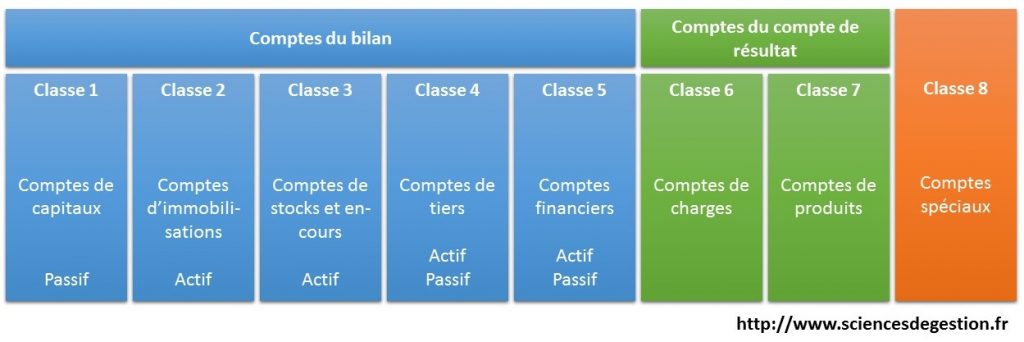
Essentially, Plan Comptable Classe 6 is all about how a company accounts for its charges. But, and this is a big but, it's not about everything the company spends money on. It’s focused on things like depreciation of equipment, provisions for risks, and other charges that are… well, let’s just say they're a bit more complicated than buying flour for those perfect croissants. Think of it as the backstage pass to the company’s financial theater, where the less obvious costs are revealed.
What's in Classe 6? A Guided Tour
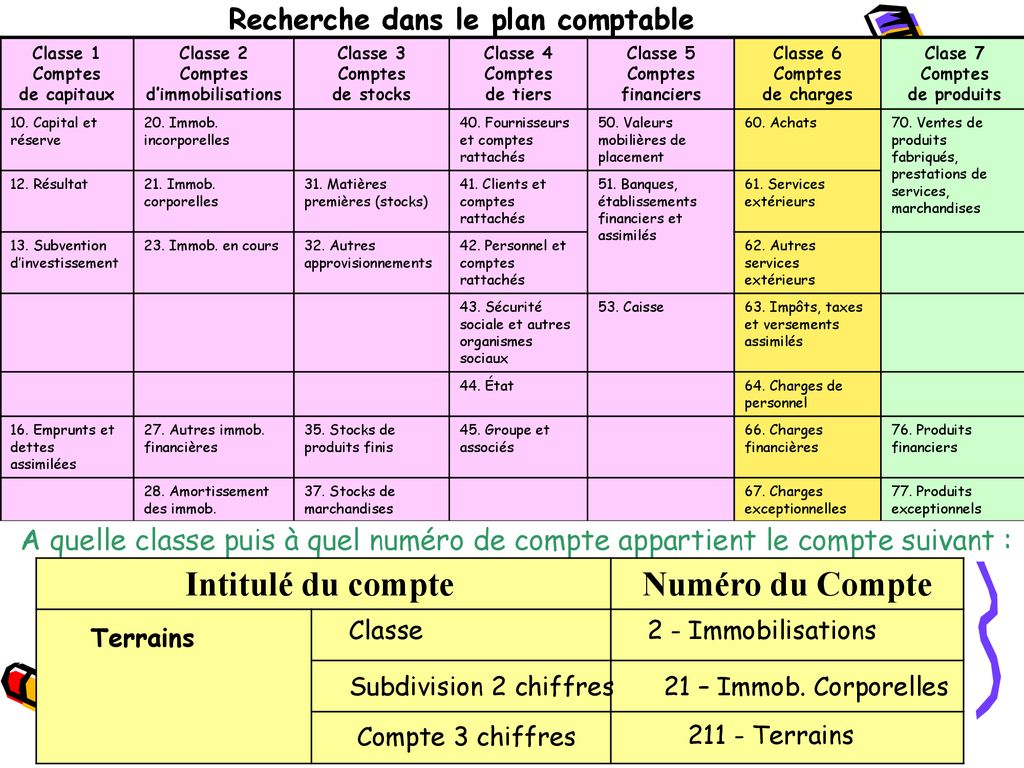
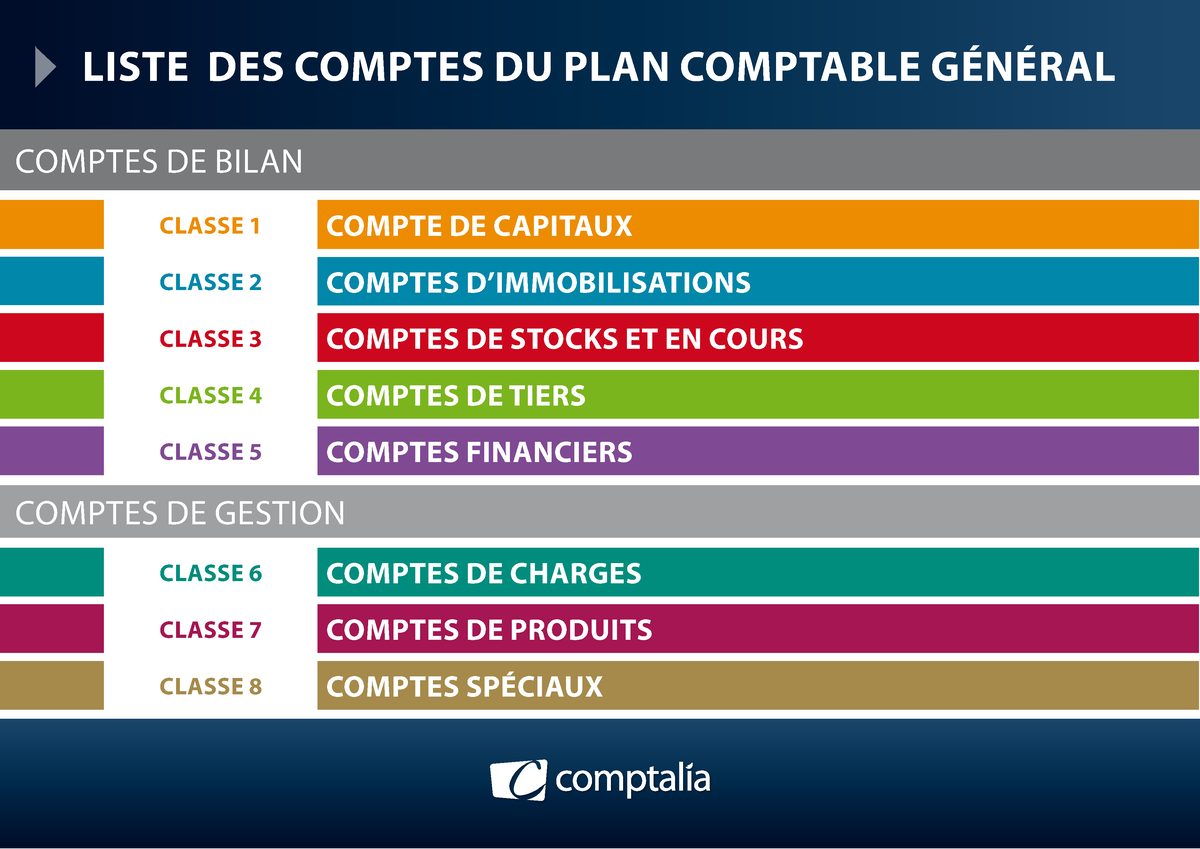
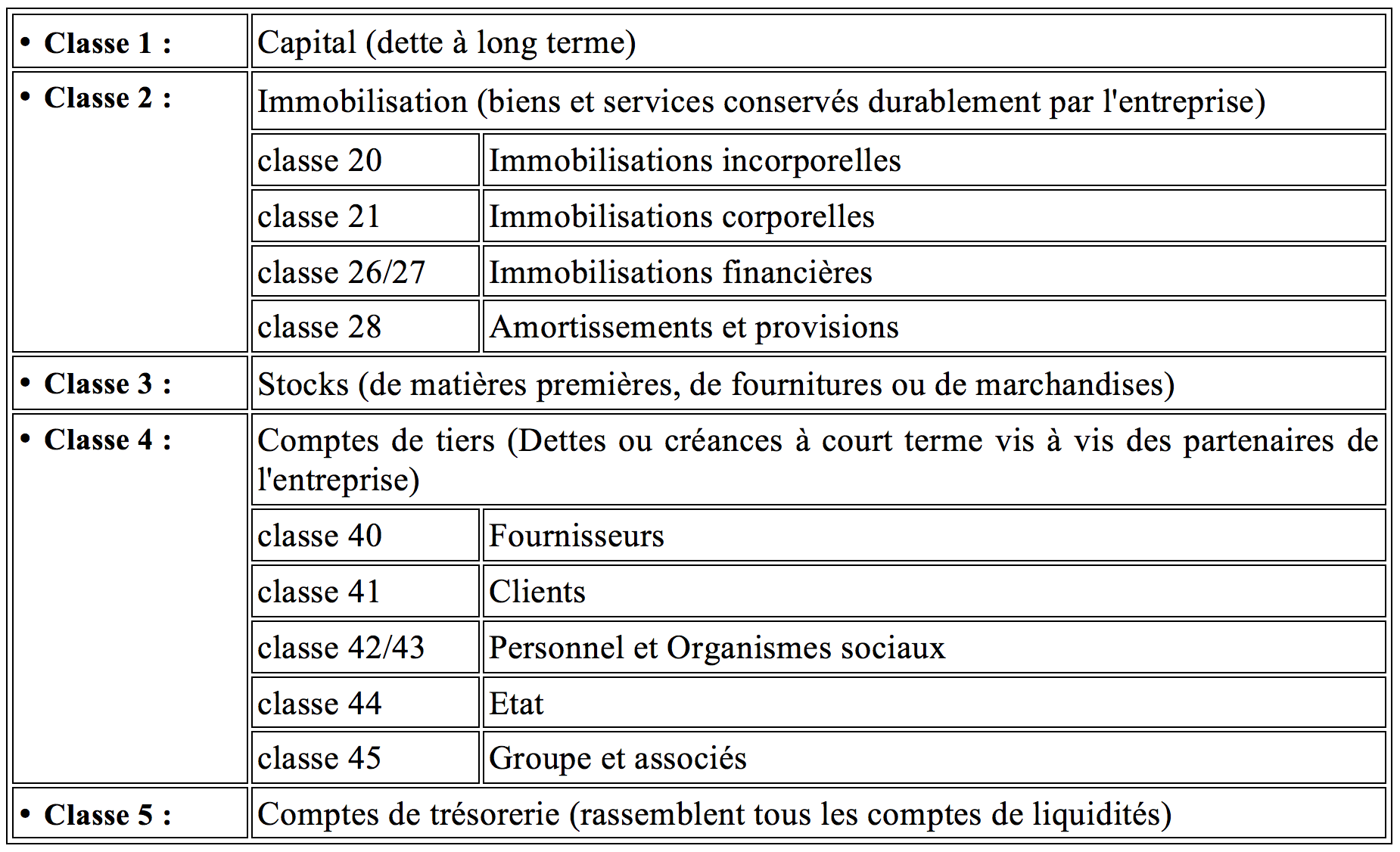
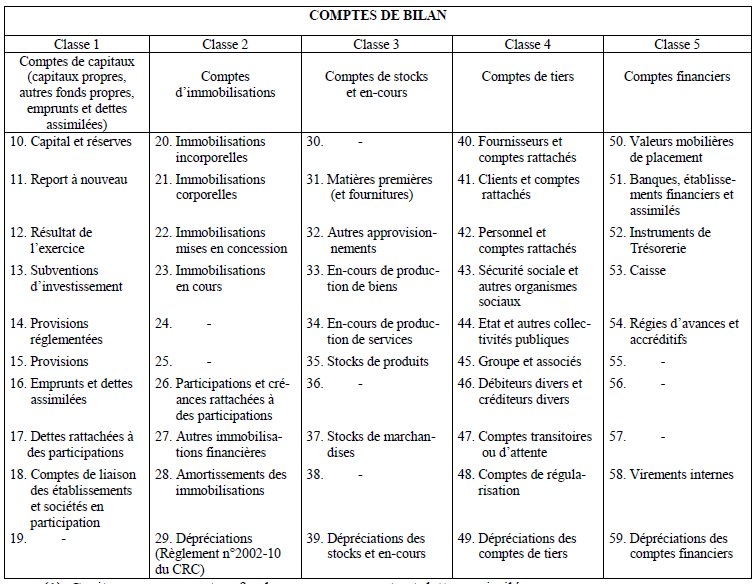
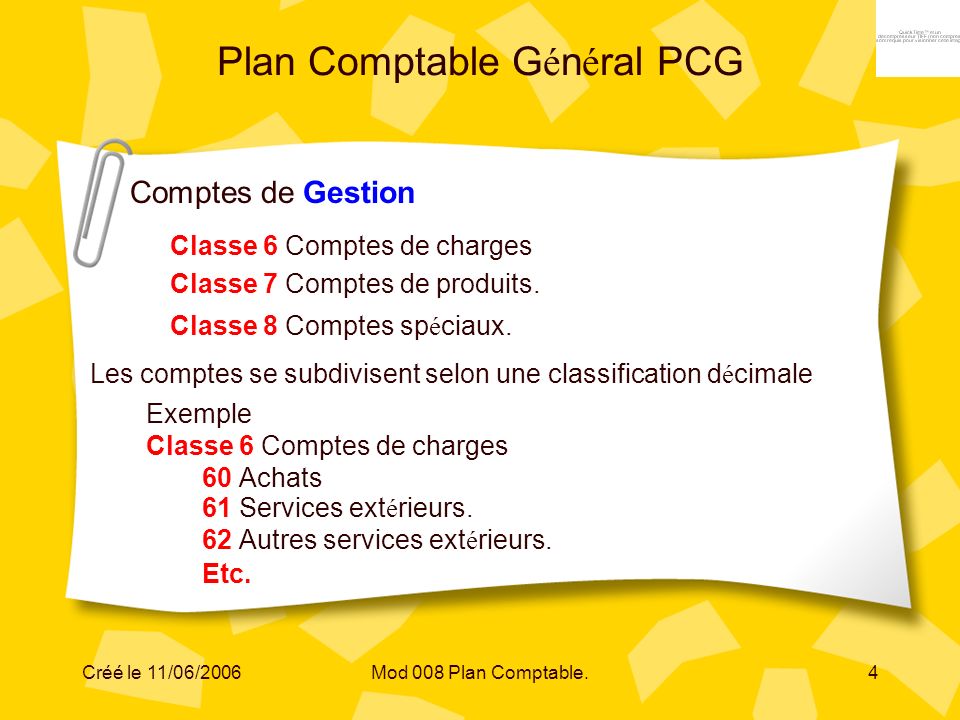
Now, don't get intimidated. Classe 6 might sound scary, but it's just a way to organize things. It's divided into several accounts, each covering a specific type of charge. Let's break down some of the key players:
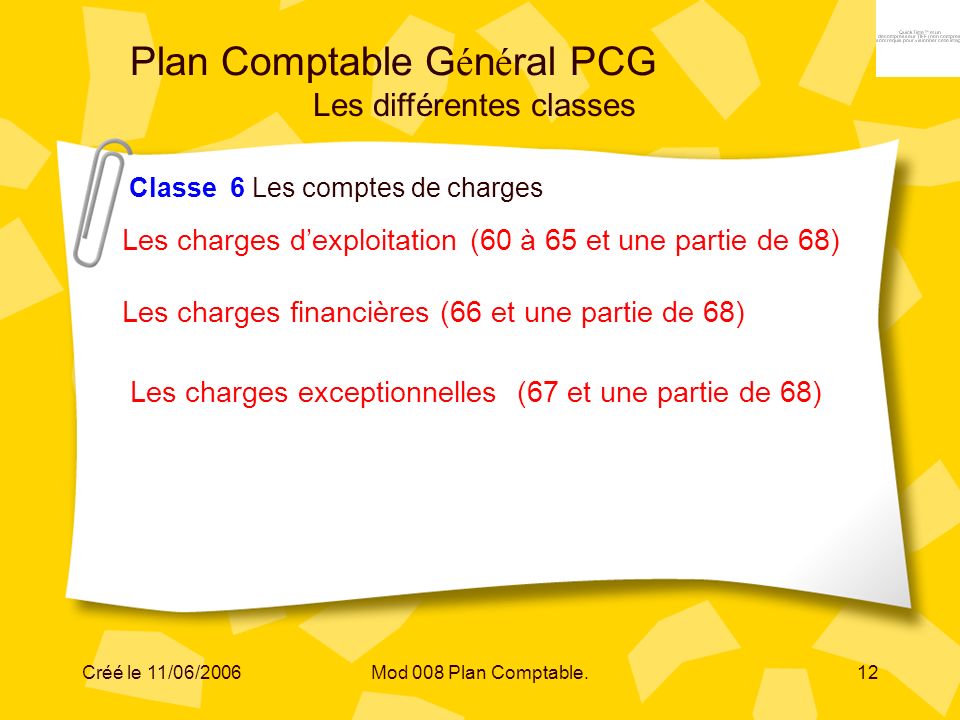
60: Achats (Purchases and Variations of Stocks)
Don’t get confused - we’re not diving into croissant ingredients here! This is mainly about the purchase of raw materials and goods that will be transformed. (Think of a carpentry shop buying wood, but not the office supplies). It also includes changes in the value of those materials. So, if the price of wood suddenly skyrockets after you’ve purchased it, this is where you'd account for the inventory change. Pretty straightforward, right? ... Right?
61/62: Services Extérieurs (External Services)
This is where it gets a bit more interesting. External services are all the things you pay for that aren’t directly related to making your product but are essential to running your business. Examples include:
- Rent: For “Le Petit Croissant’s” prime real estate spot.
- Insurance: Because nobody wants a croissant-related lawsuit.
- Maintenance: Keeping that fancy oven in tip-top shape.
- Subcontracting: If your friend hires someone to create a website.
- Legal and Accounting Fees: Always a good idea to keep things legit.
Basically, if you're paying someone else to do something for your business that isn't directly producing your goods, it probably falls under Services Extérieurs. (Unless it's related to personnel, in which case it falls under… well, we'll get there.)
63: Impôts, Taxes et Versements Assimilés (Taxes and Similar Payments)
Ah, taxes. The bane of every business owner’s existence. This section covers all the taxes a company has to pay, except for those related to income tax (which are in Classe 8). Think about:
- VAT (TVA): The Value Added Tax. A real head-scratcher sometimes!
- Property Tax: For owning the bakery, or the building.
- Payroll Taxes: Taxes linked to employee salaries.
Essentially, any required payments to the government (other than those income-related ones) usually go here. It's a fun category, really. Said no one ever.
64: Charges de Personnel (Personnel Costs)
This one's pretty self-explanatory. It covers all the costs associated with having employees, including:
- Salaries and Wages: The obvious one.
- Social Security Contributions: Employer's share of social security.
- Benefits: Health insurance, retirement plans, etc.
- Training Costs: Investing in your team’s skills.
It's important to remember that these costs can be substantial, so keeping accurate records is crucial for understanding your real expenses.
65: Autres Charges de Gestion Courante (Other Ordinary Management Expenses)
This is the "catch-all" category for expenses that don't fit neatly into the other categories. Think of it as the miscellaneous drawer of the accounting world. Examples include:
- Bank Charges: For using the bank’s services.
- Postage: Sending invoices or thank-you notes.
- Gifts: For clients (within limits, of course – the tax authorities have rules!).
- Small Losses on Receivables: When a customer doesn't pay their invoice.
Basically, if it’s a legitimate business expense and it doesn't fall into the previous categories, it probably lives here. It's always good to analyze these costs from time to time to see if you can optimize them.
66: Charges Financières (Financial Charges)
This section deals with the costs of borrowing money. If "Le Petit Croissant" takes out a loan to buy a bigger oven, this is where the interest payments would go. It covers things like:
- Interest on Loans: Paying back that sweet, sweet loan.
- Bank Charges on Overdrafts: Ouch, don't overspend!
- Discounts Granted: For early payments from customers (it's a financial cost because you're getting less cash than expected.)
Keeping a close eye on these charges is essential for managing your company's debt and overall financial health.
67: Charges Exceptionnelles (Exceptional Charges)
This is where things get a bit… dramatic. Exceptional charges are unusual and infrequent events that significantly impact the company's finances. Think of it as the financial equivalent of a plot twist in a movie. Examples include:
- Losses from Disasters: Fire, flood, etc. (Hopefully, "Le Petit Croissant" is well-insured!).
- Penalties and Fines: Ouch, breaking the rules can be expensive.
- Gains or Losses on Asset Sales: Selling off an old van, for example.
These charges are generally treated separately from regular operating expenses because they can distort the picture of the company's ongoing performance. These aren't exactly something you would plan on having!
68: Dotations aux Amortissements, Provisions et Dépréciations (Depreciation, Provisions, and Write-Downs)
Ah, the dreaded "amortissements" and "dépréciations" that started this whole adventure. This section covers the reduction in value of assets over time. It also covers provisions for potential future liabilities (money you set aside to pay something, even if you don’t know exactly when.) Here’s a quick breakdown:
- Amortissement (Depreciation): The systematic allocation of the cost of a tangible asset (like that fancy oven) over its useful life.
- Provisions: Setting aside money to cover potential future obligations or losses (like a warranty claim).
- Dépréciations (Write-Downs): Reducing the value of an asset (tangible or intangible) when it has become impaired (e.g., because it’s obsolete or damaged).
This is arguably the most complex part of Classe 6, and it's where a good accountant really earns their keep. It’s also very important, as it directly affects profitability and taxes!
69: Impôts sur les Bénéfices (Income Taxes)
This section is pretty straightforward: It covers the company's income tax expense. Remember when we said taxes other than income taxes go into the 63 account? Well, this is where the income tax lives.
Why is Understanding Classe 6 Important?
Okay, so you now know (a bit) about Classe 6. So what? Well, understanding these concepts is crucial for a few reasons:
- Accurate Financial Reporting: Classe 6 ensures that your financial statements (like the income statement) accurately reflect all of your company's expenses.
- Informed Decision-Making: By understanding where your money is going, you can make better decisions about pricing, cost control, and investments.
- Tax Compliance: Correctly classifying your expenses is essential for complying with tax regulations and avoiding penalties.
- Business Valuation: Knowing how and why your expenses are tracked, increases the business owner understanding on the business valuation when deciding on selling the company or attracting investors.
So, back to "Le Petit Croissant." By properly accounting for things like oven depreciation, insurance, and employee costs, your friend can get a much clearer picture of their true profitability. This allows them to make informed decisions about pricing, hiring, and expanding the business.
In conclusion, while Plan Comptable Classe 6 might seem daunting at first, it's an essential tool for any business owner who wants to understand their finances and make smart decisions. It can make the difference between financial clarity and a chaotic, delicious, but ultimately unsustainable mess.