Ah, "Le Garçon au Pyjama Rayé"! (Or, as we charmingly say in English, "The Boy in the Striped Pajamas"). A classic tearjerker, isn't it? A film that manages to be both profoundly moving and, let’s be honest, slightly requires you to suspend all rational thought. Don’t get me wrong, I enjoy a good sob-fest as much as the next person, but this one… well, let’s just say it's a rollercoaster of emotions that also prompts existential questions about historical accuracy and the unwavering innocence of children. Grab your tissues (and maybe a history textbook) because we're diving in!
The Premise: A Whimsical Jaunt to... Uh... Somewhere Else
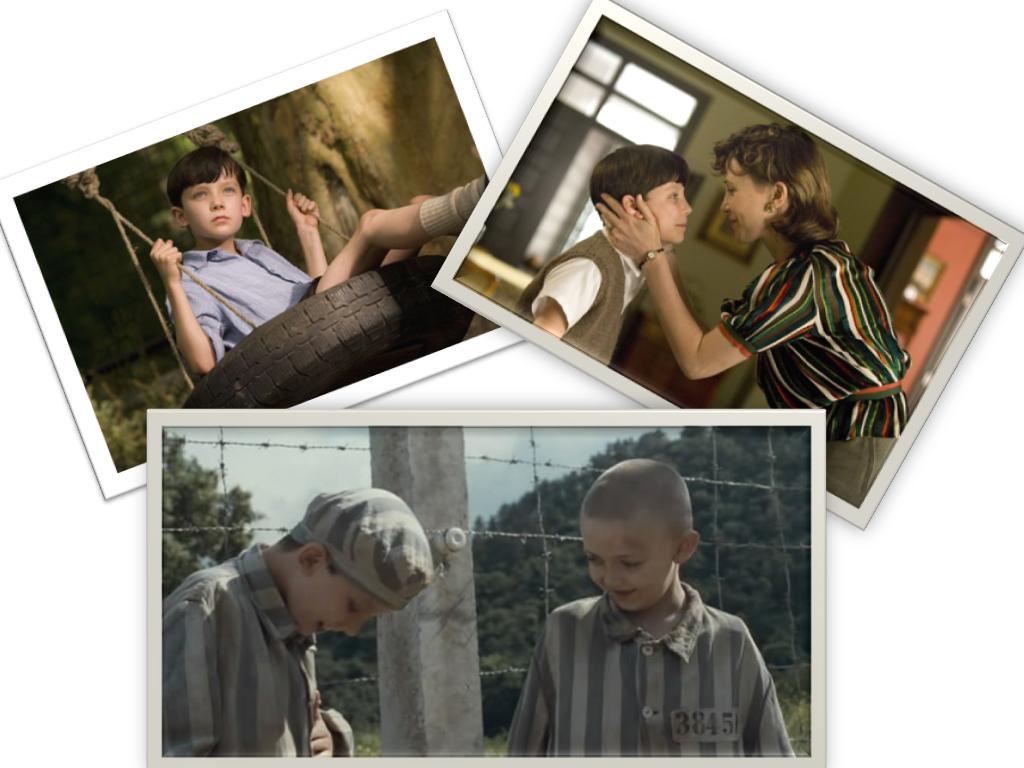
So, the basic setup is this: Bruno, a bright-eyed and bushy-tailed (figuratively, of course; he's a child, not a woodland creature), is a German boy whose father, a rather important fellow in a crisp uniform, gets promoted. This promotion entails uprooting the entire family from their comfy Berlin home to a rather… rustic location in the countryside. Bruno, naturally, is less than thrilled. No friends, no familiar surroundings, and a distinct lack of decent Wi-Fi (okay, maybe not Wi-Fi, considering the historical setting, but you get the gist). He's bored. Terribly, terribly bored.
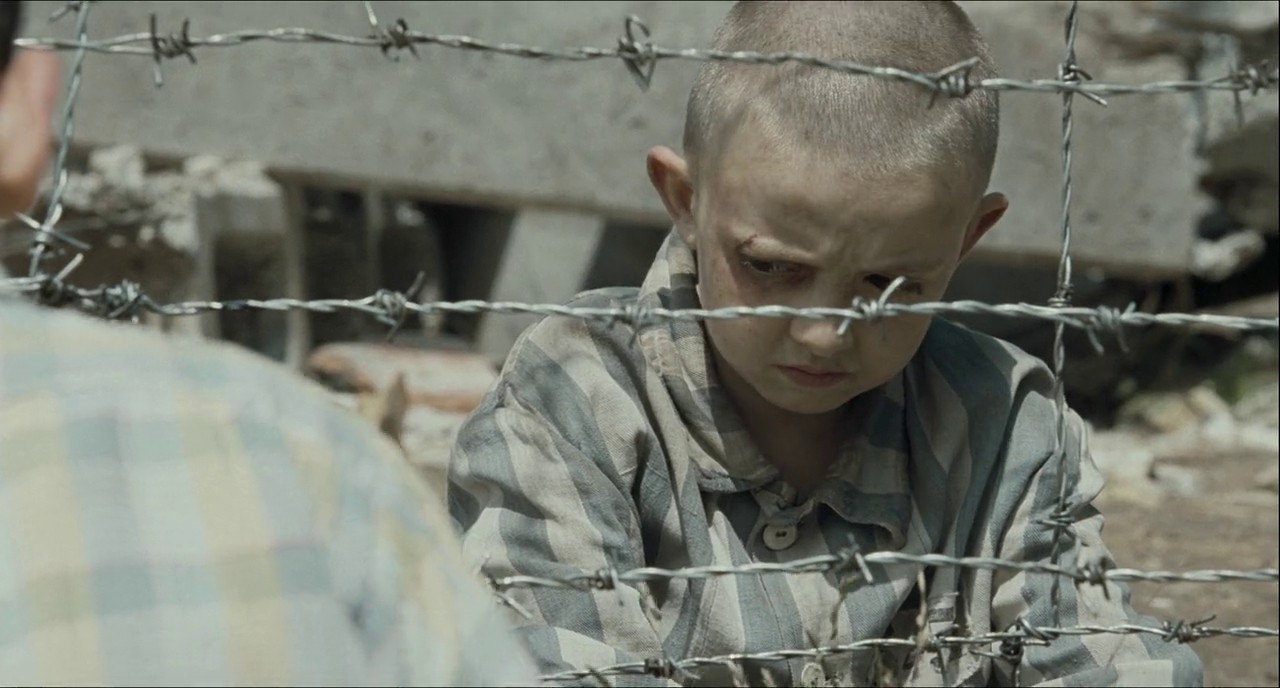
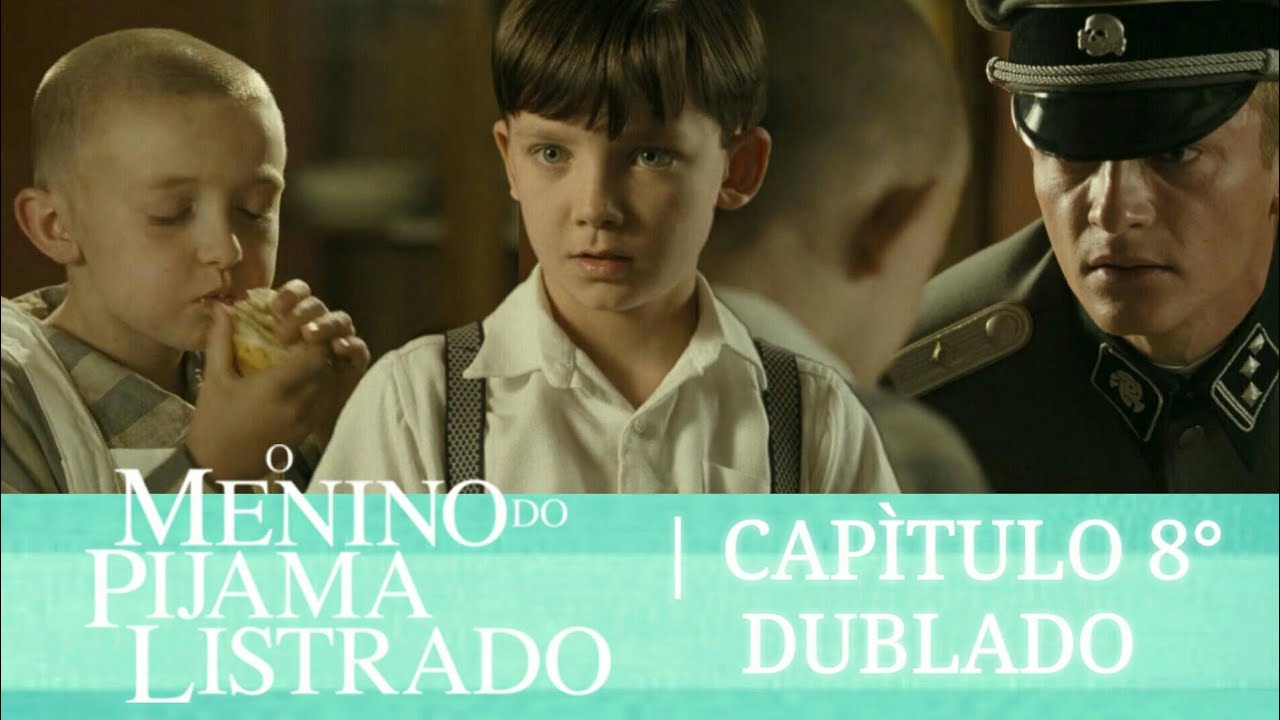
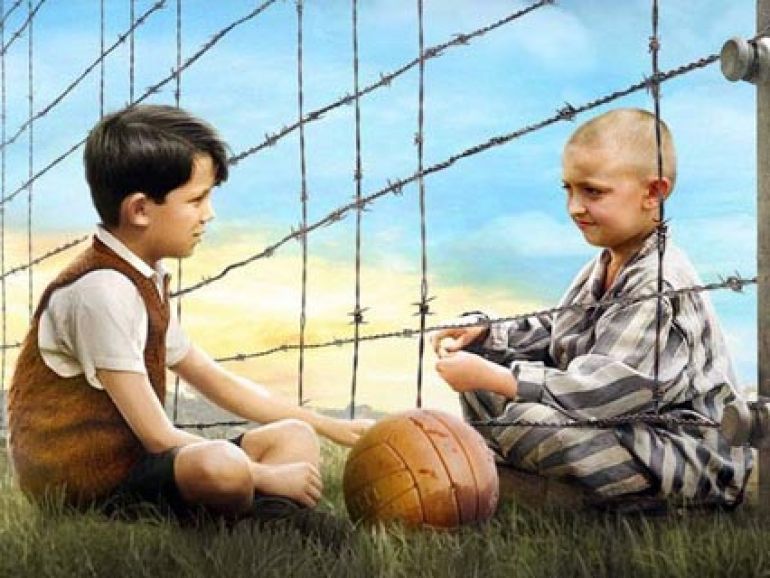
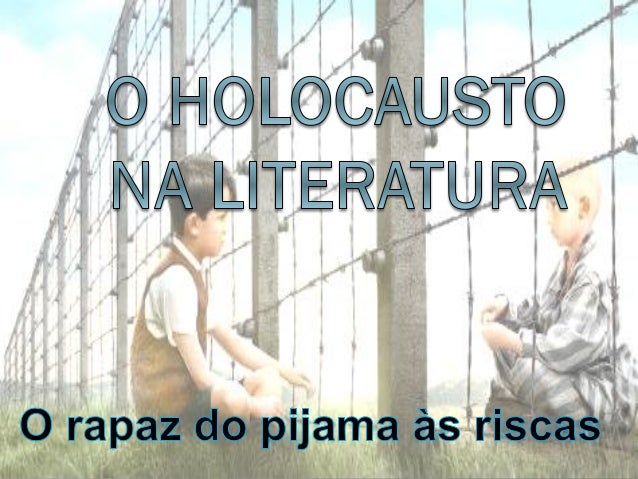
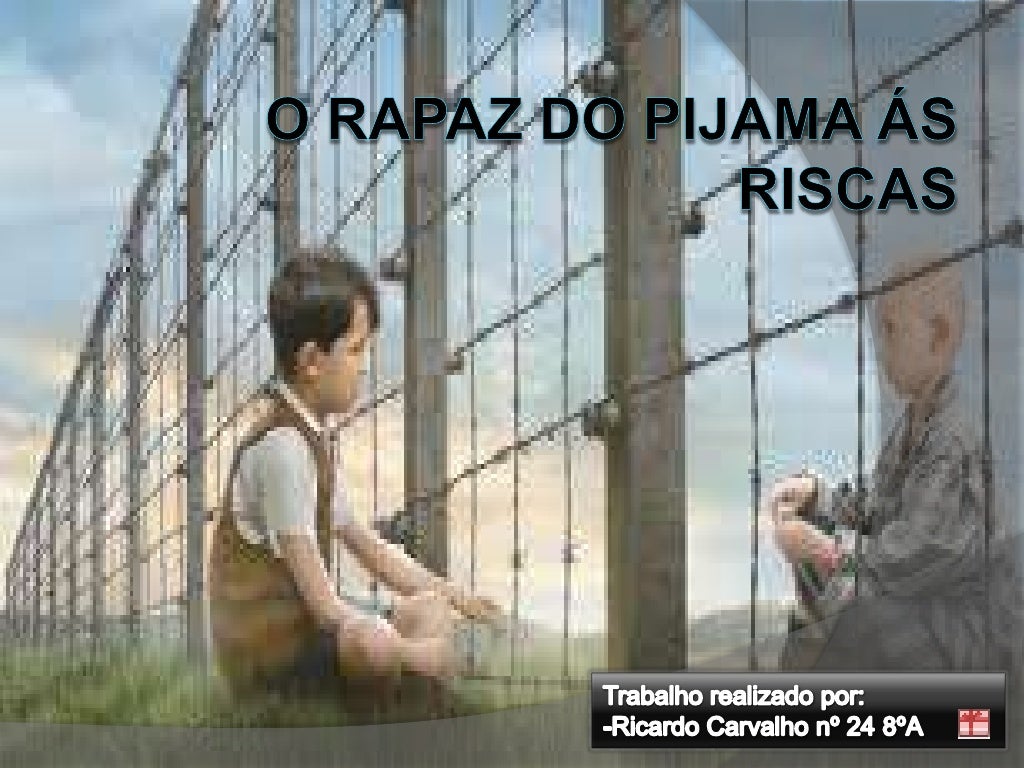
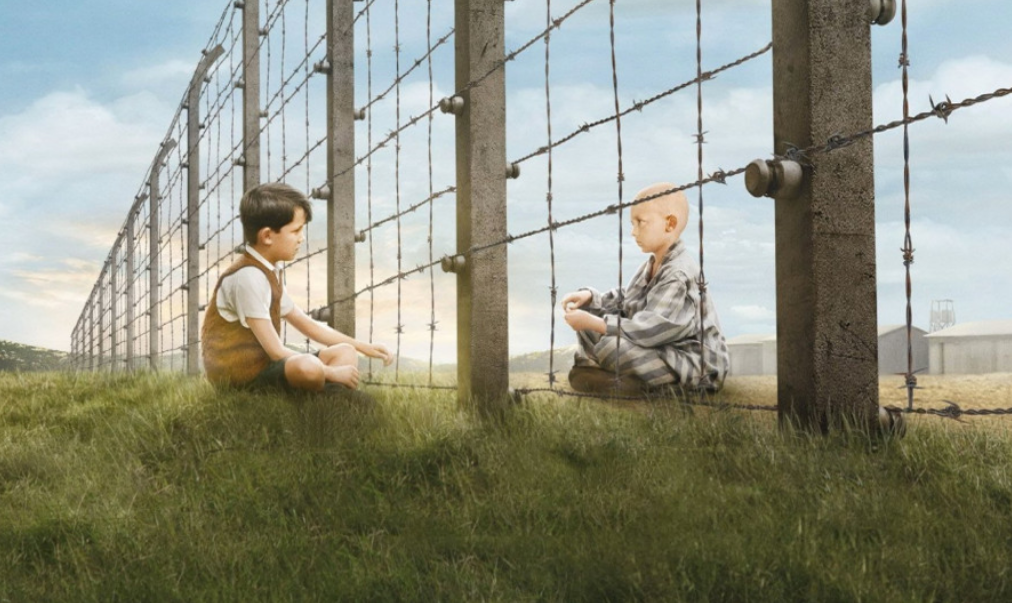
This new "home" is located right next to... well, a concentration camp. But, of course, Bruno, with the blissful ignorance only a child can possess, doesn't quite grasp what's going on. He sees a lot of people in striped pajamas, assumes it's some sort of bizarre farm, and decides to investigate. Because that's what curious little boys do, right? I mean, who wouldn't want to befriend hundreds of gaunt, miserable people living behind a barbed wire fence? Makes perfect sense!
Characters: A Cast of… Well, Characters
Let's take a quick peek at the colorful ensemble that makes up this cinematic experience:
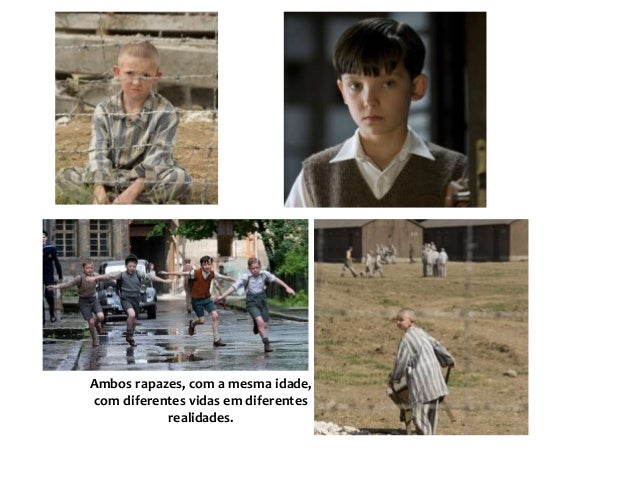
- Bruno: Our protagonist, the aforementioned boy with an insatiable curiosity and a somewhat selective understanding of the world around him. He's the kind of kid who would probably try to pet a wild badger, convinced it just needs a little love.
- Ralf (Bruno's Father): The stern, dutiful father and Nazi officer. He embodies the blind obedience and cold efficiency that characterized the regime. Let's just say he's not winning any "Father of the Year" awards anytime soon.
- Elsa (Bruno's Mother): Initially oblivious to the true nature of her husband's work, she gradually comes to realize the horrors unfolding around her. Her journey is one of dawning horror and internal conflict, as she grapples with the implications of her husband's actions.
- Gretel (Bruno's Sister): A teenage girl who becomes increasingly indoctrinated with Nazi ideology. She represents the chilling effectiveness of propaganda and the corruption of innocence. She also has a rather unhealthy obsession with maps, which, let's be honest, is a bit weird.
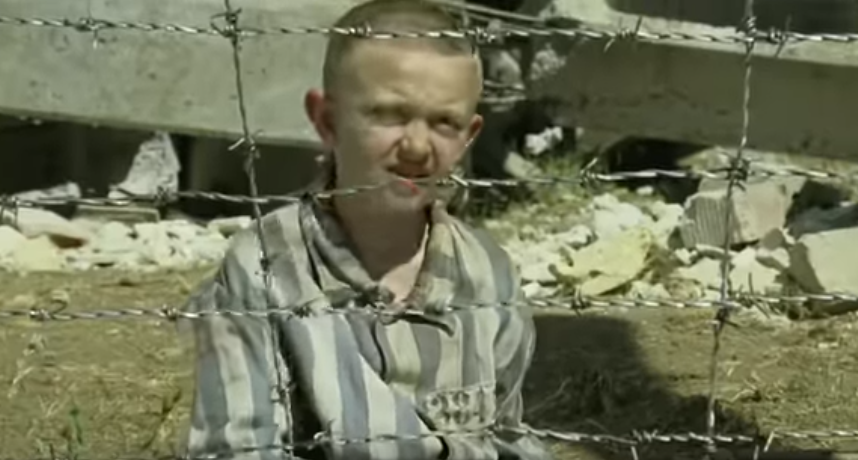
- Shmuel: The titular boy in the striped pajamas. A Jewish boy imprisoned in the concentration camp, he forms an unlikely friendship with Bruno. He is a symbol of the innocence and suffering of the victims of the Holocaust.
- Lieutenant Kotler: A young, ambitious, and utterly reprehensible Nazi officer. He embodies the cruelty and arrogance of the regime. He's the kind of guy you just love to hate.
Plot Points: A Series of Unfortunate (and Highly Improbable) Events
The plot unfolds with a series of… let’s call them “plot conveniences.” Bruno, driven by boredom and a genuine desire for friendship, manages to sneak out of his house on multiple occasions and wander around the vicinity of the concentration camp. He somehow manages to avoid detection by guards, dogs, and any other form of security that one might expect to find around such a facility. It's like he's wearing an invisibility cloak made of pure, unadulterated childlike innocence.
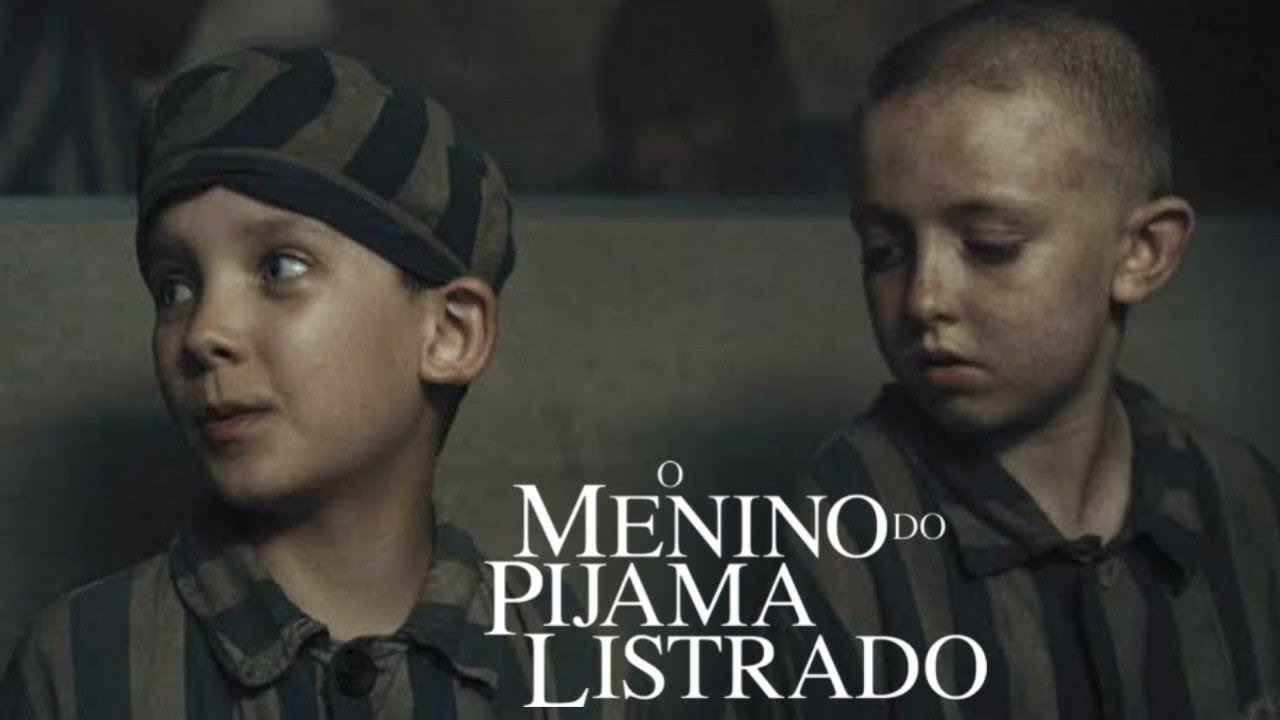
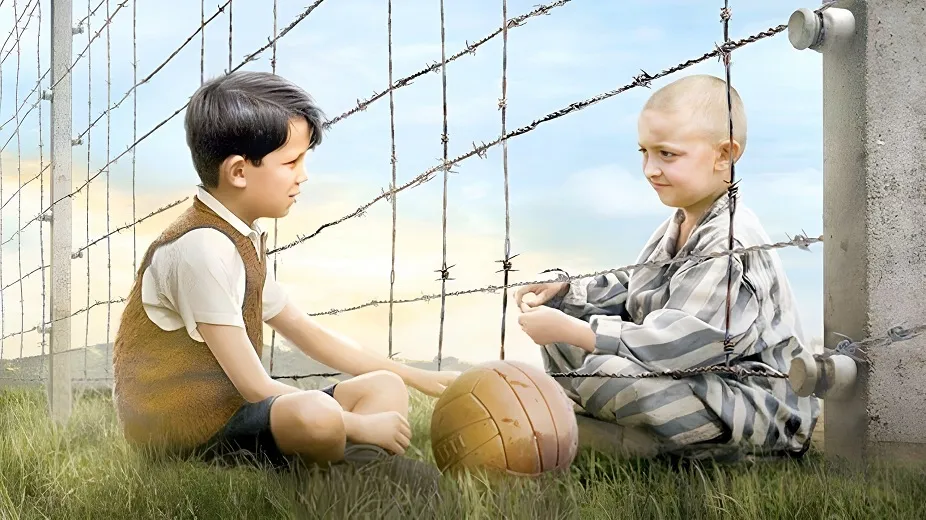
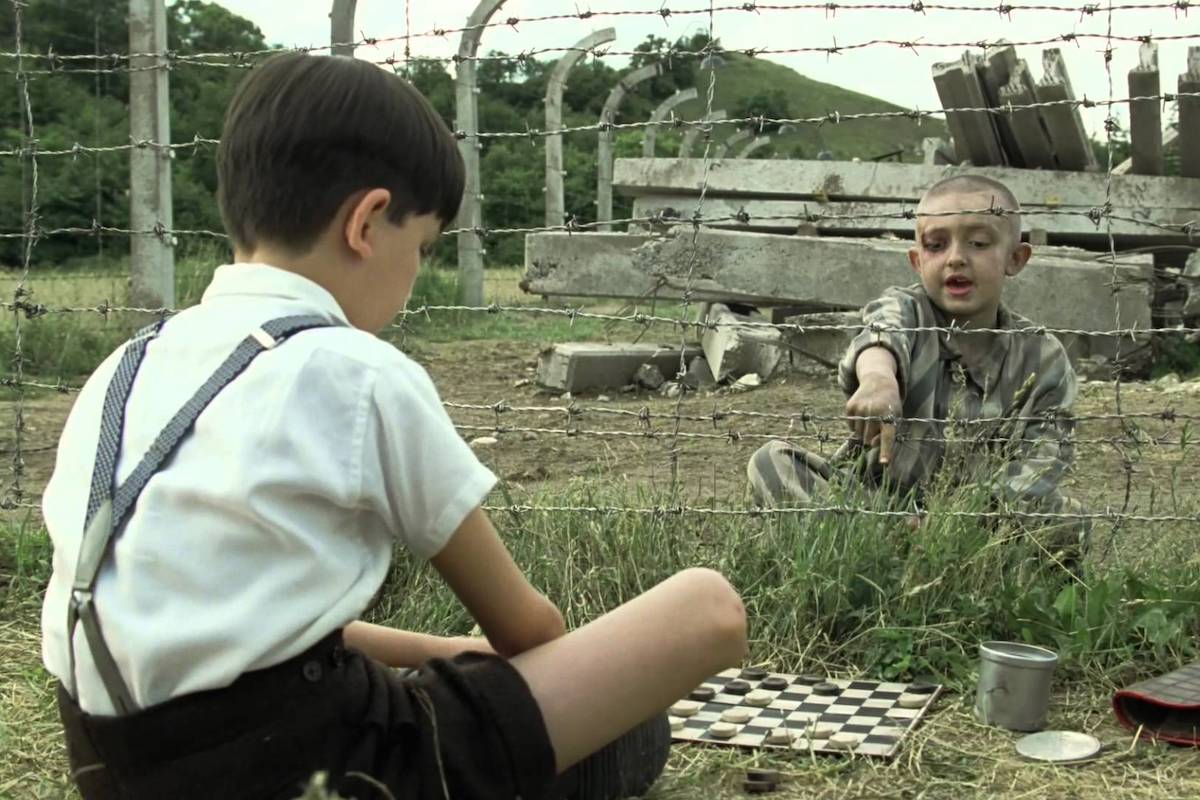
He eventually discovers Shmuel, a Jewish boy on the other side of the fence, and the two strike up an unlikely friendship. They meet regularly at the fence, sharing food and stories. Bruno, still largely unaware of the true nature of Shmuel's situation, sees him as simply another boy in need of a friend. Their bond is a testament to the power of human connection in the face of unimaginable horror.
As the story progresses, Bruno's mother begins to suspect the truth about her husband's work. This realization leads to intense conflict within the family, as she grapples with the moral implications of their situation. Meanwhile, Bruno's sister, Gretel, becomes increasingly indoctrinated with Nazi ideology, further highlighting the insidious nature of propaganda.
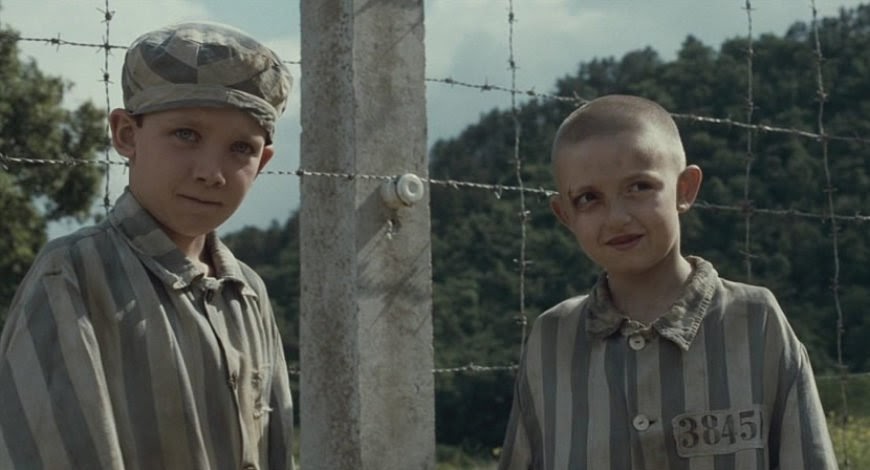
The climax of the film is, shall we say, intense. Bruno, finally understanding that Shmuel is in danger, decides to help him find his missing father. He sneaks into the camp (again, with remarkable ease) and dons a set of striped pajamas to blend in (because that's how logic works, right?). What follows is a series of events that lead to a tragic and unforgettable conclusion.
Historical Accuracy: Let's Just Say It's Not a Documentary
Now, let's address the elephant in the room: the historical accuracy of "The Boy in the Striped Pajamas." While the film is undeniably moving, it takes significant liberties with historical fact. Critics have pointed out numerous inaccuracies and implausibilities, including:
- The Lack of Security: As mentioned earlier, Bruno's ability to wander around the concentration camp undetected is highly improbable. Security at such facilities was notoriously strict, and it's unlikely that a child would be able to roam freely.
- The Friendship: While the idea of a friendship between a German boy and a Jewish boy in a concentration camp is emotionally compelling, it's also highly unlikely. Contact between prisoners and outsiders was strictly forbidden, and the risks involved would have been immense.
- The Ending: The film's ending, in which Bruno is accidentally led into a gas chamber, is particularly controversial. While tragic, it's not historically accurate to suggest that a child of Bruno's background would have been subjected to such treatment.
It's important to remember that "The Boy in the Striped Pajamas" is a fictional story, not a historical account. While it can serve as a starting point for discussing the Holocaust, it should not be taken as a definitive representation of the events that took place. It's crucial to supplement the film with accurate historical information and perspectives. Think of it as a gateway drug to historical understanding, albeit a slightly sugar-coated one.
Why Does It Resonate? The Power of Innocence (and a Good Cry)
Despite its historical inaccuracies, "The Boy in the Striped Pajamas" continues to resonate with audiences around the world. Why? Because it taps into powerful emotions and explores universal themes. The film's focus on the innocence of children allows viewers to see the horrors of the Holocaust through fresh eyes. Bruno's naivety and unwavering belief in the goodness of people make the atrocities he witnesses all the more shocking and heartbreaking.
The film also explores the themes of friendship, loyalty, and the consequences of blind obedience. Bruno and Shmuel's unlikely bond highlights the power of human connection in the face of unimaginable suffering. The film also serves as a cautionary tale about the dangers of propaganda and the importance of critical thinking.
And, let's be honest, it's a good cry. Sometimes, we just need a film that allows us to release our pent-up emotions and wallow in a bit of cathartic sadness. "The Boy in the Striped Pajamas" certainly delivers on that front. Just be sure to have those tissues handy!
The Ending: A Moment of Silence (and Perhaps a Stifled Snort)
Okay, let's talk about that ending. You know, the one where everything goes horribly, terribly wrong? The one that leaves you staring blankly at the screen, wondering what you just witnessed? Yeah, that one.
Bruno, in a misguided attempt to help Shmuel find his father, ends up being led into a gas chamber along with other prisoners. The film implies that both boys perish in the gas chamber, leaving the audience with a profound sense of loss and despair. It’s a gut-wrenching conclusion that is designed to stay with you long after the credits roll.
Is it emotionally effective? Absolutely. Is it historically plausible? Not so much. Does it make you want to hug your loved ones and question the very nature of humanity? Probably. But hey, at least it's memorable, right? It's the kind of ending that you'll be discussing (and debating) for years to come. Just try not to think about it too much before bedtime.
Final Thoughts: Striped Pajamas and Existential Dread
So, what's the final verdict on "Le Garçon au Pyjama Rayé"? It's a flawed film, no doubt. Its historical inaccuracies are glaring, and its plot relies on a fair amount of suspension of disbelief. However, it's also a powerful and emotionally resonant story that explores important themes. It reminds us of the importance of empathy, the dangers of prejudice, and the enduring power of the human spirit.

Whether you love it, hate it, or fall somewhere in between, "The Boy in the Striped Pajamas" is a film that is sure to provoke thought and discussion. Just remember to approach it with a critical eye and a healthy dose of historical awareness. And maybe keep a box of tissues nearby. You know, just in case.
Here are a few takeaway bullet points to summarize our adventure:
- It's a tearjerker, prepare accordingly.
- Historical accuracy? More like historical suggestion.
- Innocence can be a powerful, if slightly naive, force.
- Striped pajamas: not always the best fashion choice.
- Evil exists, even if little boys don’t immediately grasp it.
Ultimately, "The Boy in the Striped Pajamas" is a film that dares to ask uncomfortable questions and forces us to confront the darkest chapters of human history. It's a film that will stay with you long after you've seen it, prompting you to reflect on the importance of tolerance, understanding, and the enduring power of hope. And, of course, to double-check your own family history... just in case you have any surprise Nazi officers lurking in your ancestry. (Just kidding! ... Mostly.)
In conclusion, "The Boy in the Striped Pajamas" is a movie that manages to be both deeply affecting and slightly preposterous. It's like a historical drama directed by a particularly sentimental toddler. But hey, at least it gets people talking about important things. Just don't go quoting it in your history exam, okay? You'll get some very confused looks... and probably a failing grade. Now, if you'll excuse me, I'm off to watch a comedy. I need to cleanse my palate after all that existential dread.