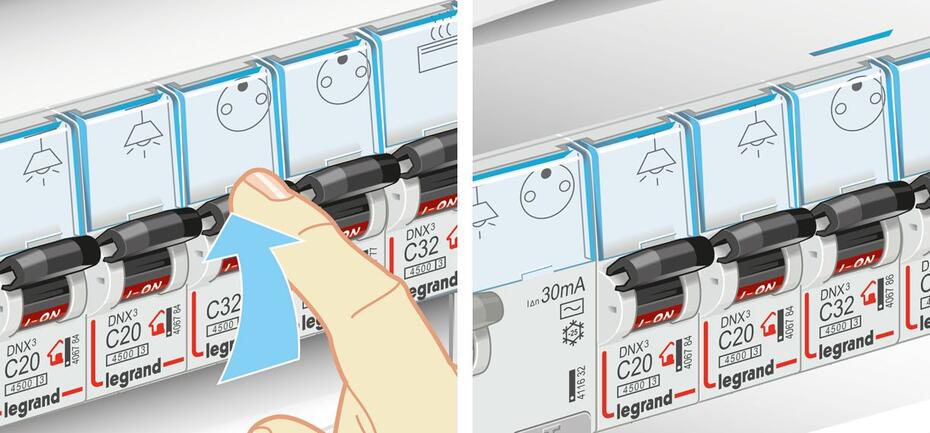
Okay, so picture this: I'm in the middle of a Game of Thrones marathon (don't judge!), the kettle's boiling for a much-needed tea, and suddenly – BAM – darkness. Complete and utter darkness. The TV's off, the kettle's cold, and I'm left wondering if the Night King finally decided to invade my apartment. Nope. Turns out, it was just my good ol' friend, the disjoncteur, deciding to take a little vacation.
We've all been there, right? That dreaded moment when the lights go out and you have to stumble around in the dark, desperately searching for the fuse box (which, let's be honest, is usually in the least convenient spot imaginable). It's annoying, frustrating, and sometimes, downright scary. But hey, at least it gives us a story to tell! But seriously, why does this keep happening? And more importantly, what can we do about it?
Well, buckle up, mes amis, because we're about to dive into the fascinating (and sometimes confusing) world of circuit breakers, electricity overloads, and the mysterious art of not blowing your apartment into the Stone Age.
What Is a Disjoncteur Anyway?
Before we start troubleshooting, let's make sure we're all on the same page. A disjoncteur, or circuit breaker in English, is basically a safety device that protects your electrical system from damage. Think of it as the electrical system's bodyguard, always ready to step in and take the hit when things get too intense. Its main job? To interrupt the flow of electricity when there's an overload or a short circuit.
So, imagine a scenario: you're trying to power too many appliances at once – the hair dryer, the space heater, the microwave, all plugged into the same outlet. (Yeah, I know, we've all done it.) This creates an overload, meaning the circuit is drawing more current than it's designed to handle. The disjoncteur senses this, trips, and shuts off the power to prevent the wires from overheating and potentially causing a fire. A true hero, I tell you!

Now, a short circuit is a bit different. It happens when a "hot" wire (the one carrying electricity) accidentally comes into contact with a "neutral" wire (the one returning electricity to the source). This creates a sudden and massive surge of current, which can be incredibly dangerous. Again, the disjoncteur jumps into action and breaks the circuit, preventing any serious damage. Basically, it's like the electrical system’s personal firefighter.
Why Does My Disjoncteur Keep Tripping?
Okay, so you understand what a disjoncteur is. But the million-dollar question is: why does yours keep tripping? There could be several reasons, and diagnosing the problem can sometimes feel like detective work. Here's a breakdown of the most common culprits:
- Overloaded Circuit: This is the most frequent offender. As we discussed earlier, plugging too many high-power appliances into the same circuit can easily overload it. Think about it: that vintage lamp you just bought? Pretty, but does it require a whole power plant to run?
- Faulty Appliance: Sometimes, the problem isn't the circuit itself, but rather an appliance that's malfunctioning. A damaged cord, a loose connection, or an internal fault can all cause a short circuit and trip the breaker. That old toaster oven that smells suspiciously like burnt toast? Time to retire it, my friend.
- Short Circuit in Wiring: This is a more serious issue and usually requires professional help. If there's a problem with the wiring inside your walls (e.g., damaged insulation, loose connections), it can create a short circuit that trips the breaker repeatedly. Do NOT try to fix this yourself! Electricity is not something to mess around with.
- Ground Fault: A ground fault occurs when electricity flows through an unintended path to the ground, often through a person (yikes!). Ground fault circuit interrupters (GFCIs) are designed to detect these faults and quickly shut off the power, preventing electrocution. These are often found in bathrooms and kitchens, near water sources. But a faulty GFCI can also cause the breaker to trip.
- The Breaker Itself is Faulty: Yes, even the mighty disjoncteur can fail! Over time, circuit breakers can wear out and become less reliable, tripping even when there's no actual problem.
How to Troubleshoot (and Hopefully Fix) the Problem
Alright, let's get down to business. Here's a step-by-step guide to troubleshooting your tripping disjoncteur. Remember, safety first! If you're not comfortable working with electricity, call a qualified electrician. seriously, call one, it's not worth risking your life, or causing a fire.
Step 1: Identify the Affected Circuit
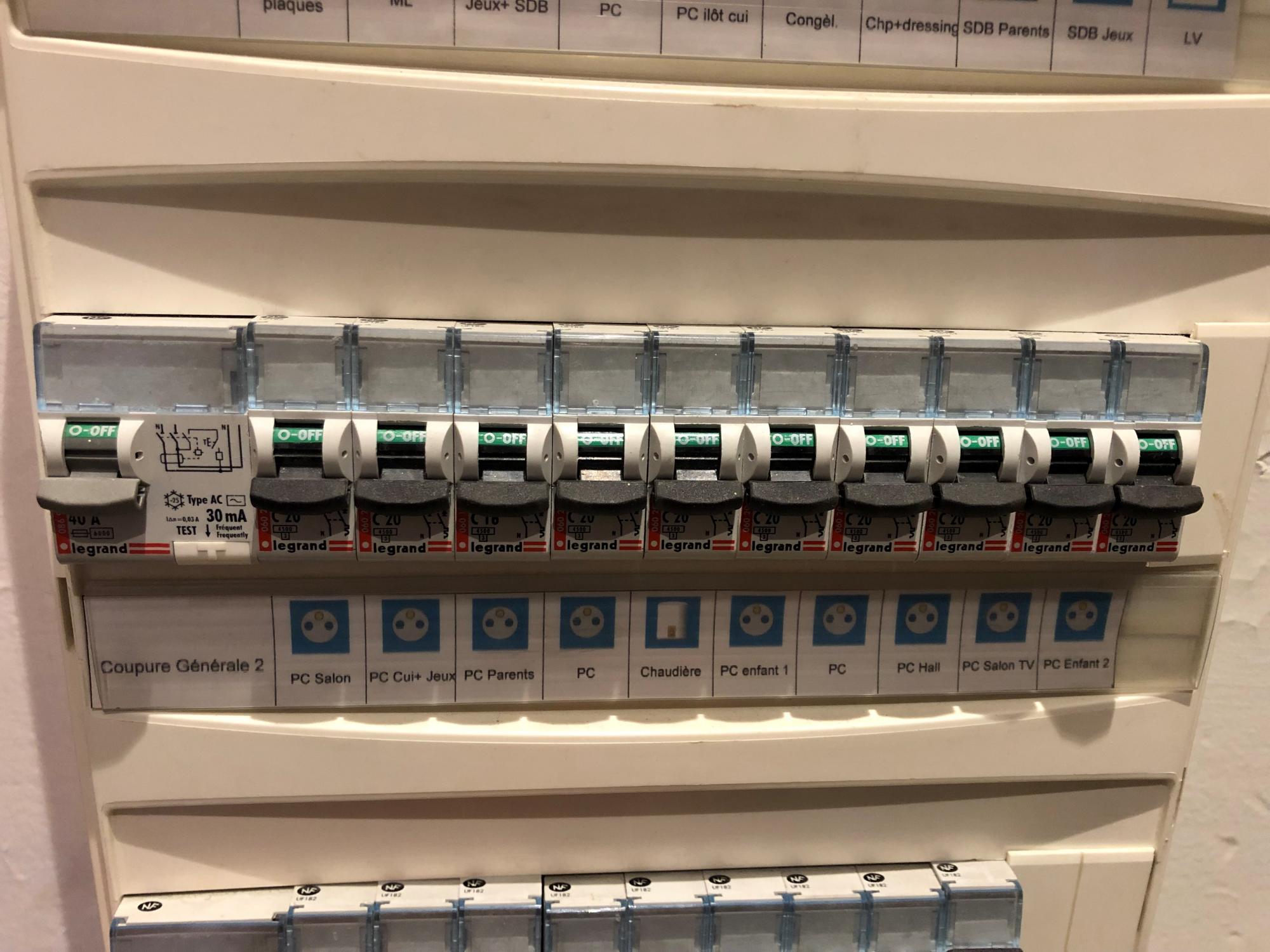
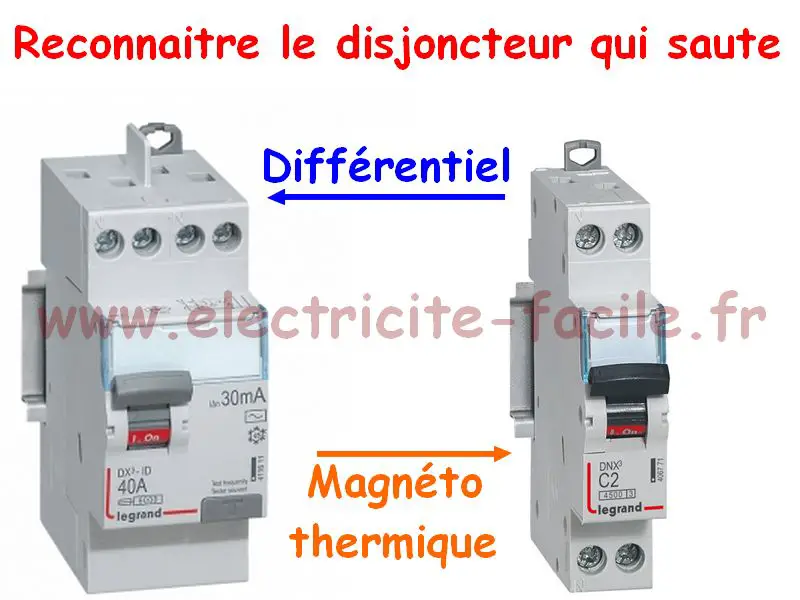
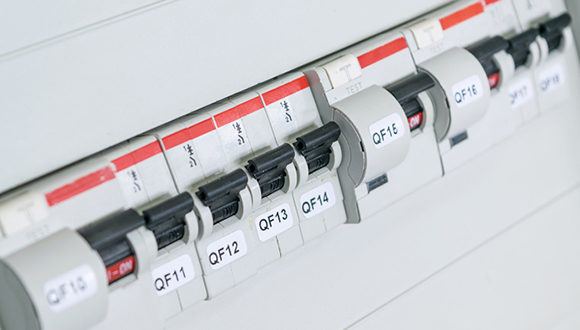
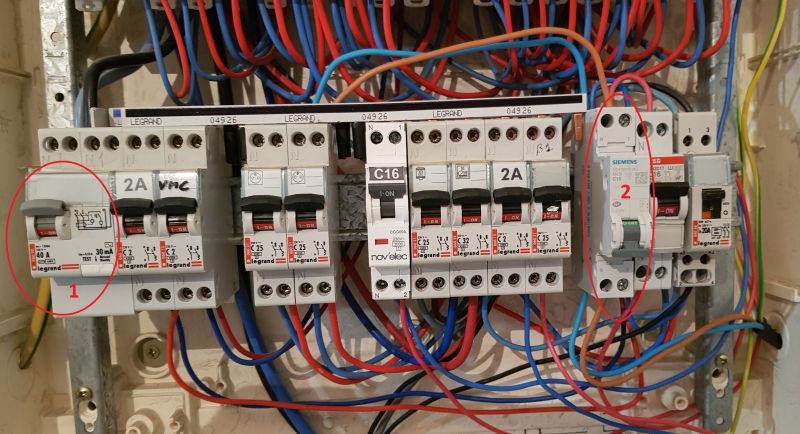
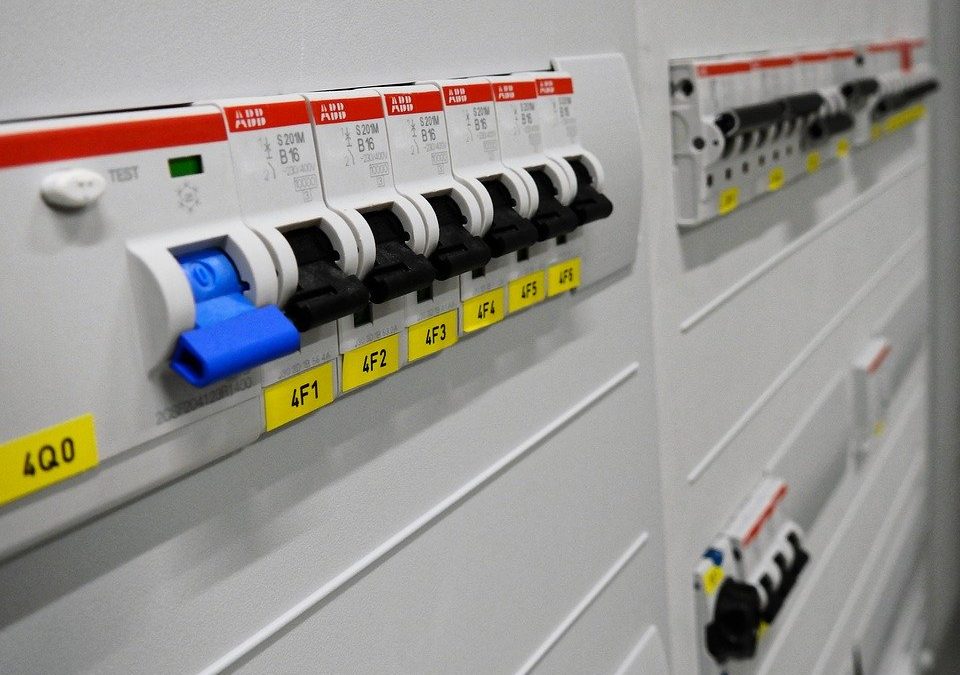
First, you need to figure out which circuit is causing the problem. Head to your fuse box (usually located near the entrance of your apartment or in the basement) and look for the breaker that's in the "tripped" position. This is usually indicated by the switch being in the middle position, or clearly labeled as "OFF". (Fun fact: Sometimes, the breaker might just look slightly off, so give them a good, hard stare to be sure.)
Step 2: Unplug Appliances
Before resetting the breaker, unplug all the appliances that are connected to that circuit. This will help you isolate the problem. Yes, even that phone charger that's been plugged in for, like, a decade.
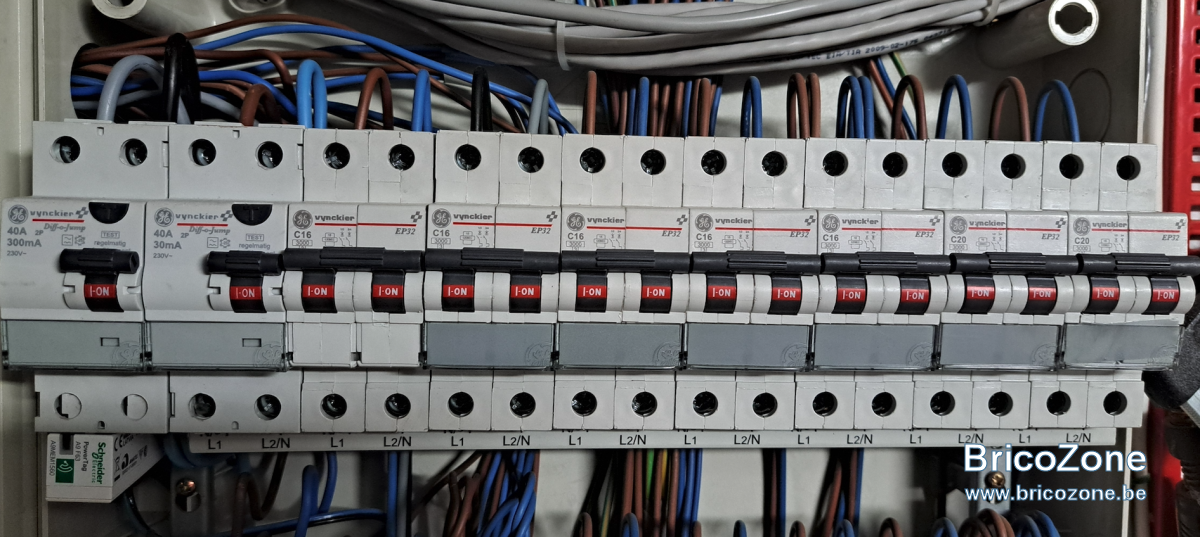
![[Divers] Disjoncteur différentiel principal qui saute ! [Résolu]](https://forums.futura-sciences.com/attachments/depannage/330272d1482351321-disjoncteur-differentiel-principal-saute-resolu-dsc_6084.jpg)
Step 3: Reset the Breaker
Now, flip the breaker all the way to the "OFF" position and then back to the "ON" position. This will reset the circuit. If the breaker immediately trips again, even with all the appliances unplugged, it likely indicates a short circuit in the wiring or a faulty breaker. Call an electrician!
Step 4: Plug in Appliances One at a Time
If the breaker stays on after resetting it, start plugging in the appliances one at a time, testing each one as you go. After plugging in an appliance, wait a few minutes to see if the breaker trips. If it does, you've found the culprit! That appliance is either faulty or drawing too much power. Consider replacing the faulty appliance or using it on a different circuit.
Step 5: Distribute the Load
If you've determined that the breaker is tripping because of an overloaded circuit, try to distribute the load more evenly across different circuits. Avoid plugging multiple high-power appliances into the same outlet or circuit. Consider using a power strip with a built-in surge protector to protect your devices and prevent overloads (but don’t plug too many things into it, otherwise you are back at square one.)
Preventing Future Breaker Trips
Okay, so you've fixed the problem (or at least identified it). Now, how can you prevent your disjoncteur from going on strike again? Here are a few tips:
- Be Mindful of Your Power Usage: Pay attention to how much power your appliances consume. Appliances like hair dryers, space heaters, and microwaves draw a lot of current, so avoid using them simultaneously on the same circuit.
- Regularly Inspect Your Appliances: Check the cords and plugs of your appliances for any signs of damage. Replace any damaged cords or plugs immediately.
- Don't Overload Outlets: Avoid plugging too many devices into a single outlet. Use power strips with surge protectors, but be careful not to overload them as well.
- Consider Upgrading Your Electrical Panel: If you frequently experience breaker trips, it might be time to upgrade your electrical panel. This will provide you with more circuits and greater capacity to handle your power needs. (This is a big project, but it can be worth it in the long run.)
- Know Your Limits: Educate yourself on the amp ratings for your circuits and appliances. That will help you estimate load balancing within your home to avoid unnecessary trips.
When to Call a Pro
Look, I'm all for DIY projects, but when it comes to electricity, there are times when it's best to leave it to the professionals. Here are a few situations where you should definitely call an electrician:
- The Breaker Trips Repeatedly: If your breaker trips frequently, even after you've tried troubleshooting the problem, it's likely a sign of a more serious issue.
- You Smell Burning or See Smoke: If you smell burning plastic or see smoke coming from an outlet or appliance, immediately turn off the power and call an electrician. This is a serious fire hazard.
- You're Not Comfortable Working with Electricity: If you're not comfortable working with electricity, don't risk it. It's always better to be safe than sorry. Seriously, electricity is not something you want to mess with if you aren't qualified to. It is better to be safe than sorry.
- You Suspect a Wiring Problem: If you suspect there's a problem with the wiring in your walls, do not attempt to fix it yourself. Call an electrician immediately.
So, there you have it – a (hopefully) comprehensive guide to understanding and troubleshooting your tripping disjoncteur. Remember, electricity is a powerful force, so always exercise caution and prioritize safety. And if all else fails, just light some candles and embrace the darkness. At least you'll have a good story to tell! Unless of course, you use electrical candles. Then you are back where you started.

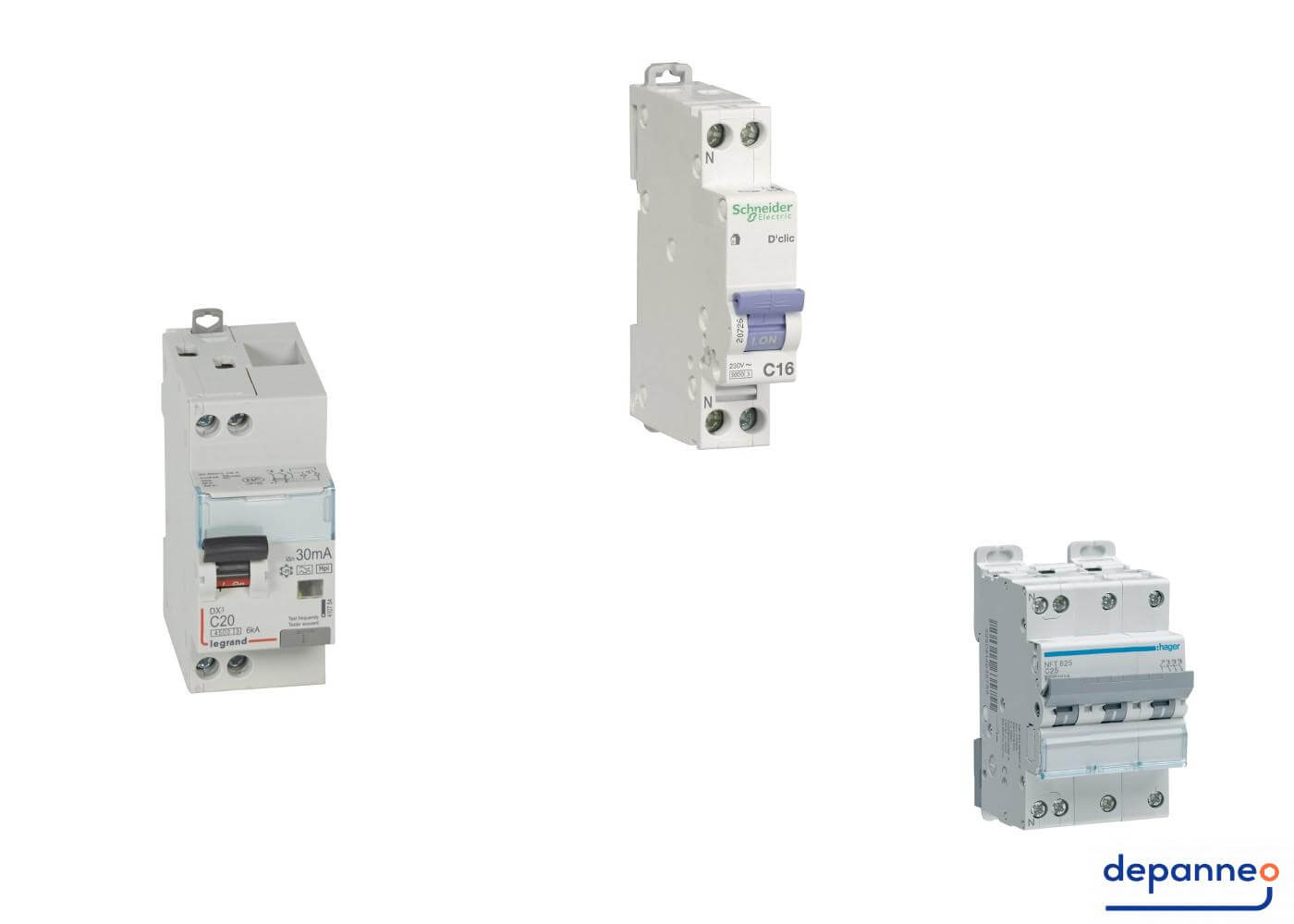
![[Divers] Pourquoi mon disjoncteur saute dès que mon cumulus s'enclenche](https://forums.futura-sciences.com/attachments/depannage/309423d1458242763-disjoncteur-saute-cumulus-senclenche-aux-horaires-de-nuit-tableau-int.jpg)




![[Divers] Pourquoi mon disjoncteur saute dès que mon cumulus s'enclenche](https://forums.futura-sciences.com/attachments/depannage/309422d1458242746-disjoncteur-saute-cumulus-senclenche-aux-horaires-de-nuit-tableau-ext.jpg)