Salut mes amis! Ever feel like you're stuck in neutral when trying to chat in French? Like you're watching everyone else effortlessly cruise along while you're sputtering and stalled? Well, buckle up, because today we're diving into something that's going to be your engine, your steering wheel, your GPS, and maybe even your cool, French leather driving gloves: Le Présent de l'Indicatif!
Now, I know what you might be thinking: "Grammar? Ugh. Sounds like dusty textbooks and grumpy teachers." But trust me, learning the present tense in French is anything BUT boring. It's the foundation for, well, basically everything. Think of it as learning to walk before you can run, or mastering the basics of guitar before you can shred a solo. You gotta start somewhere!
What IS Le Présent de l'Indicatif, Anyway?
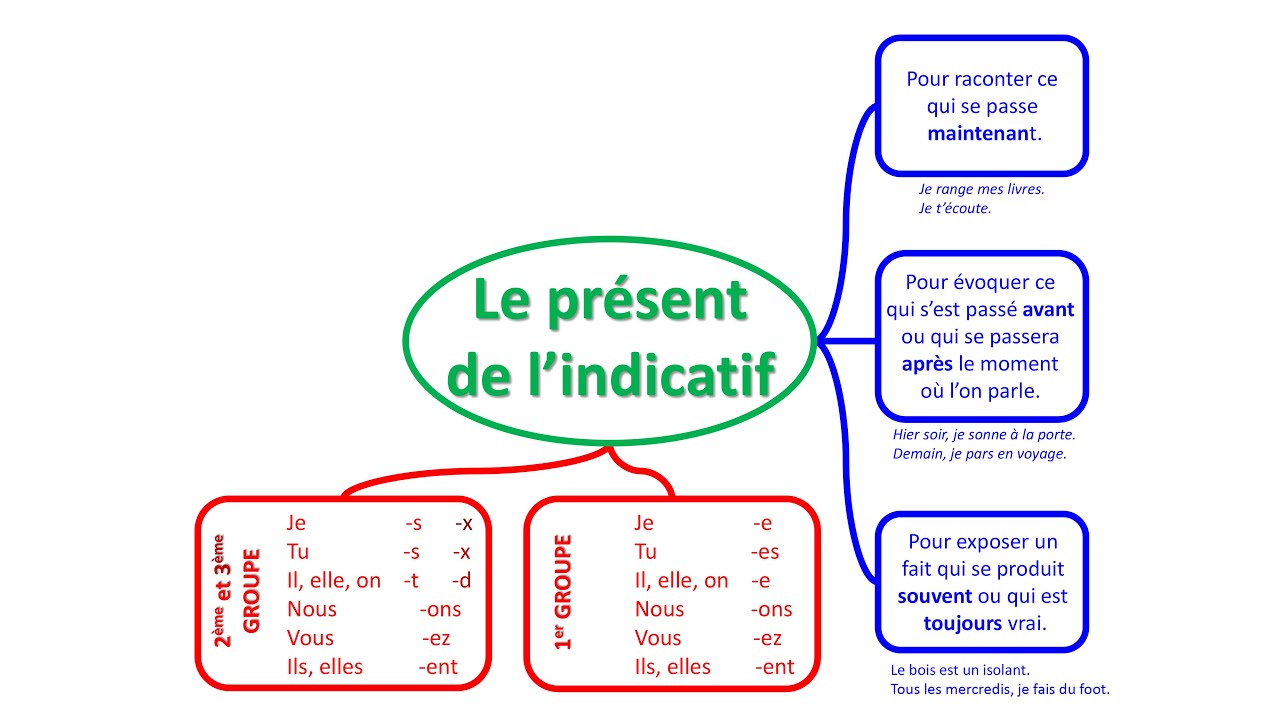
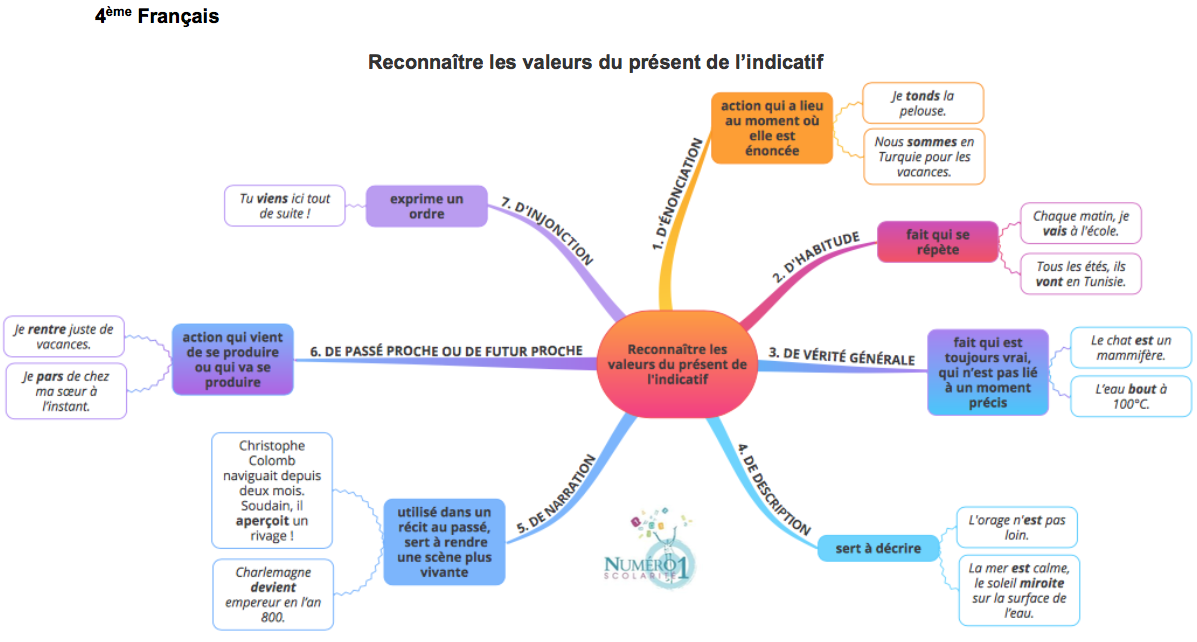
Okay, let's break it down. "Le Présent de l'Indicatif" simply means the present indicative tense. That's a mouthful, I know. In plain English, it's how you talk about what's happening right now, what you generally do, or what you know to be true.
Think about it: "Je mange une baguette" (I'm eating a baguette – because, let's be honest, who isn't thinking about baguettes?). "Tu parles français" (You speak French – even if it's just a little bit, you're doing it!). "Elle travaille" (She works). See? Simple, right? Okay, maybe not immediately simple, but definitely achievable!
Why Bother? (Seriously, Tell Me!)
Great question! Why spend your precious time wrestling with verbs? Because it unlocks French conversation! Without the present tense, you're limited to pointing and grunting (and while that can be fun, it's not exactly eloquent). With it, you can:
- Describe your day: "Je me lève, je bois du café, je travaille, je rêve de vacances..." (I get up, I drink coffee, I work, I dream of vacation...)
- Talk about your hobbies: "J'aime lire, je joue au tennis, je regarde des films français..." (I like to read, I play tennis, I watch French films...)
- Make plans: "On va au cinéma? Tu viens?" (Are we going to the cinema? Are you coming?)
- Order food (crucially important!): "Je voudrais un croissant, s'il vous plaît." (I would like a croissant, please.) Never underestimate the power of a well-ordered croissant!
Basically, the present tense is your ticket to participating in the French-speaking world. And who wouldn't want that?

Conjugation: The (Slightly) Tricky Part
Alright, let's tackle the "c" word: conjugation. This is where verbs change their endings depending on who's doing the action (I, you, he/she/it, we, you (plural), they). Don't panic! It's not as scary as it sounds.
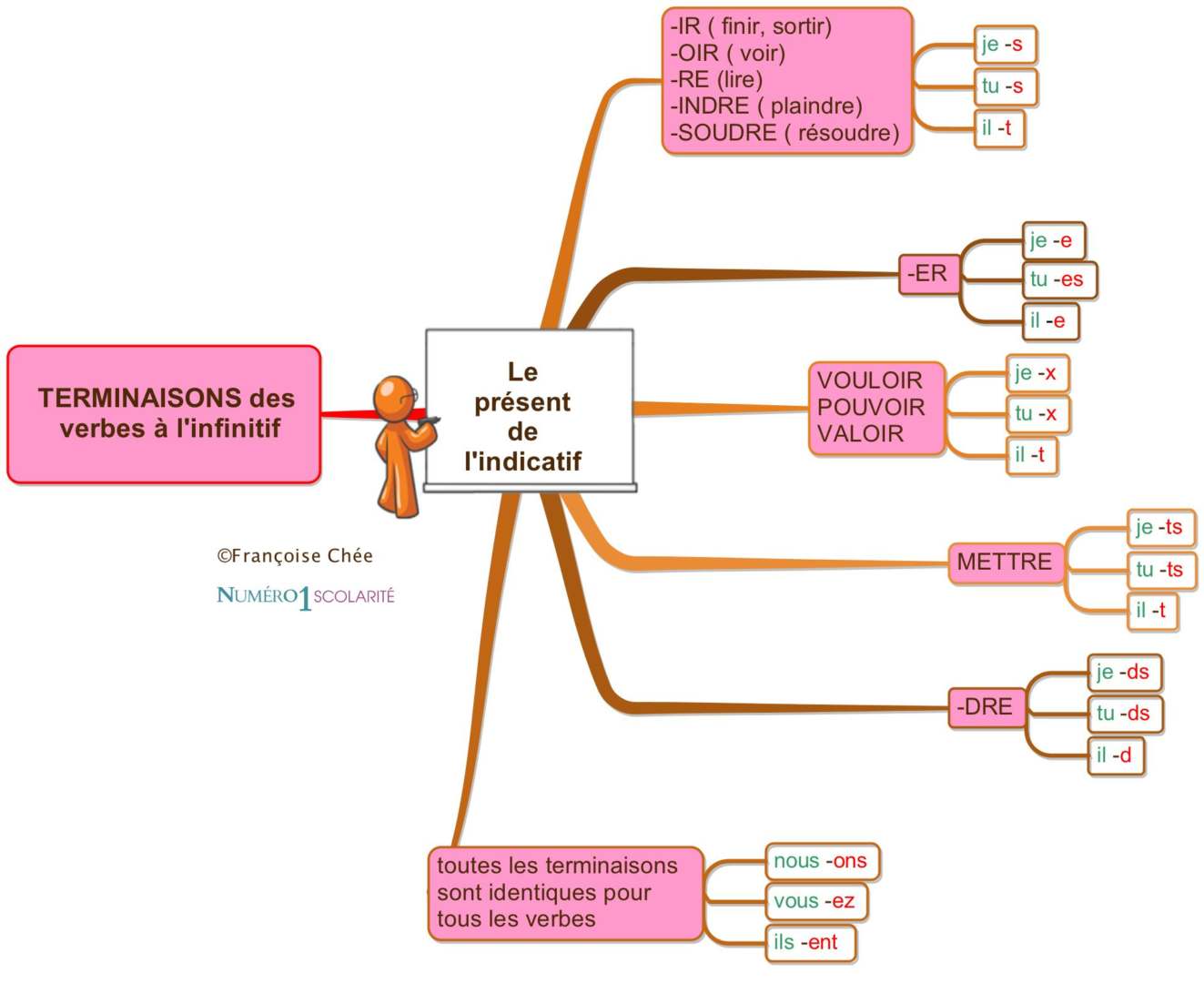
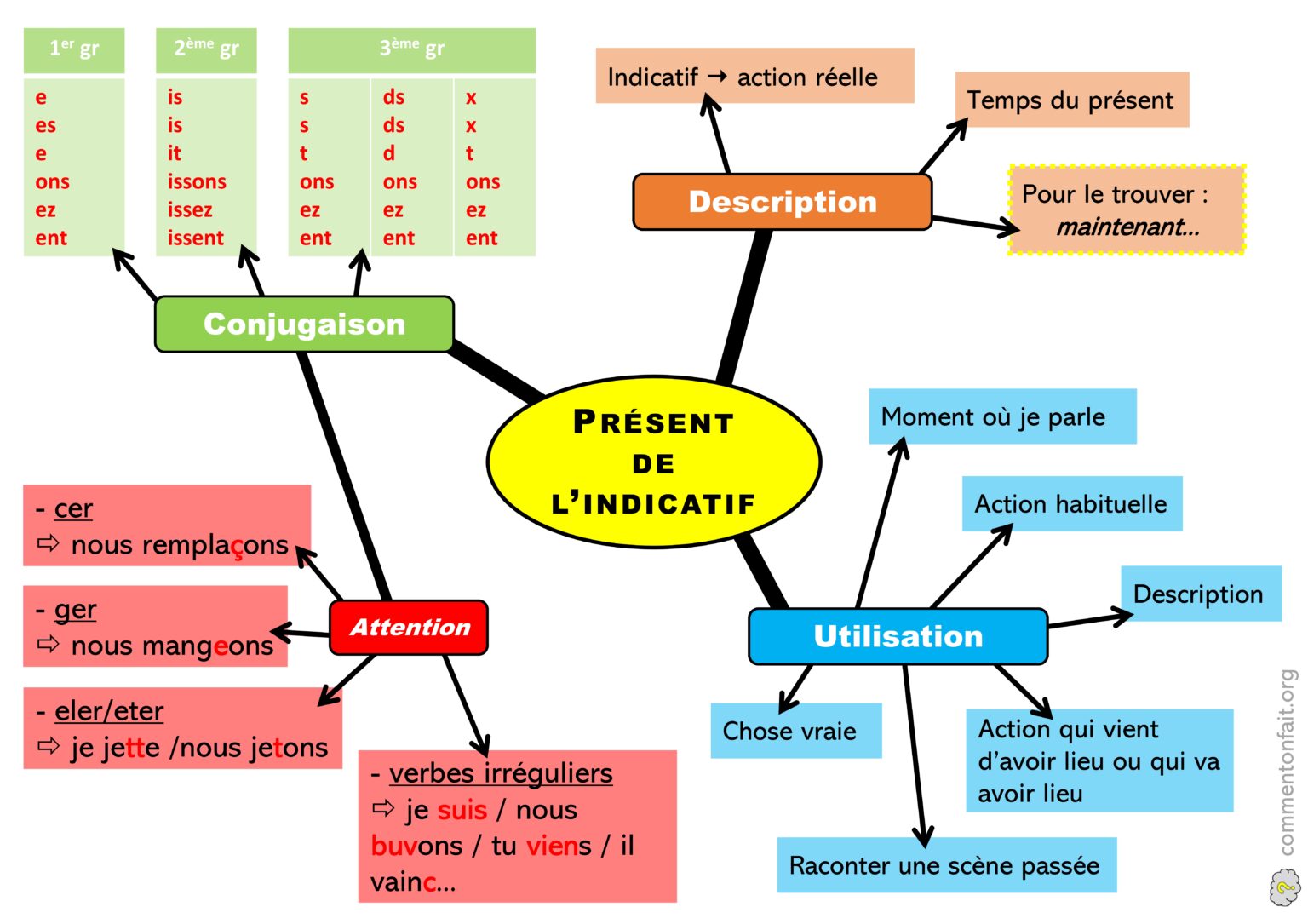
French verbs are generally grouped into three categories based on their infinitive endings: -er, -ir, and -re.
The Mighty -ER Verbs:
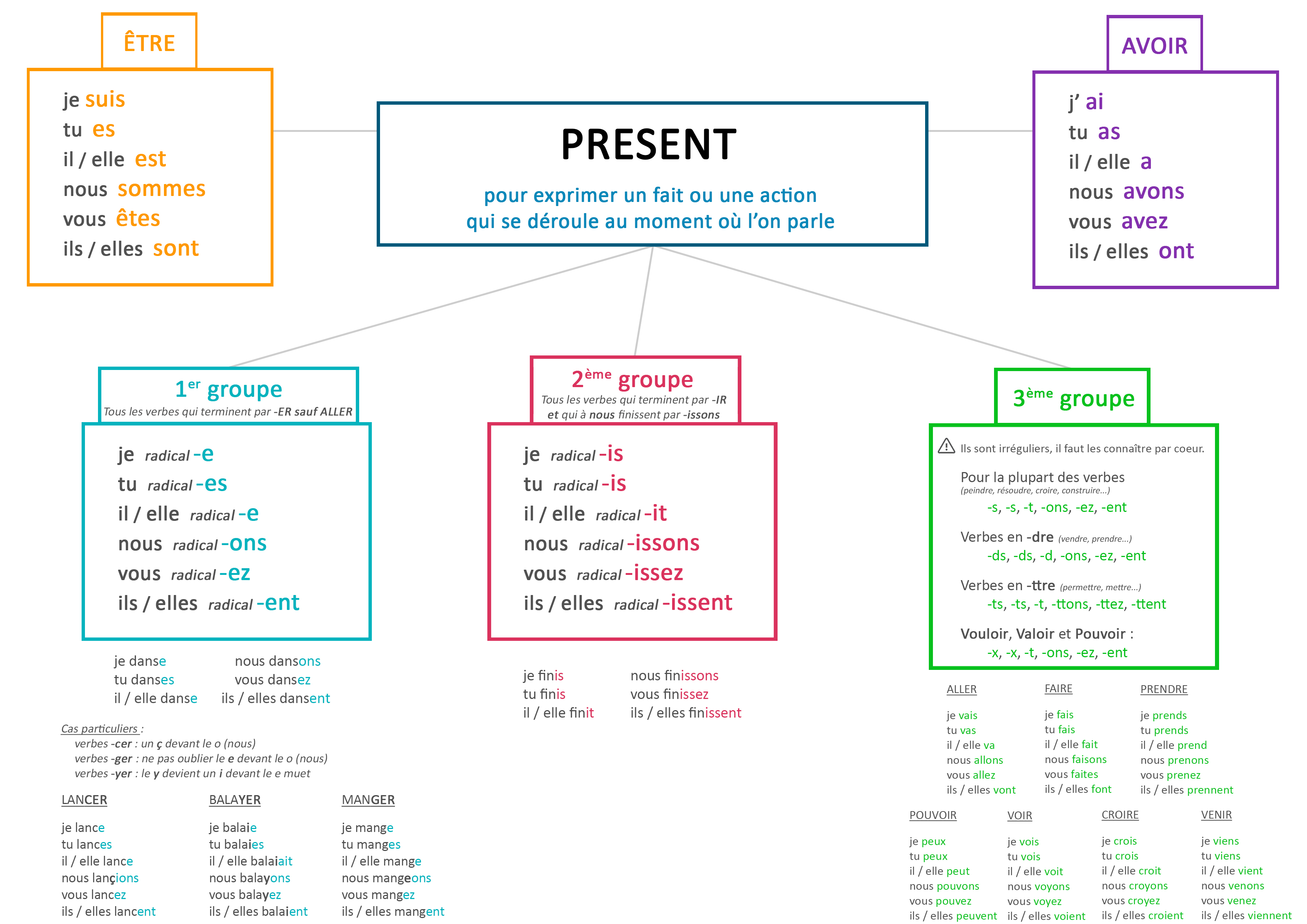
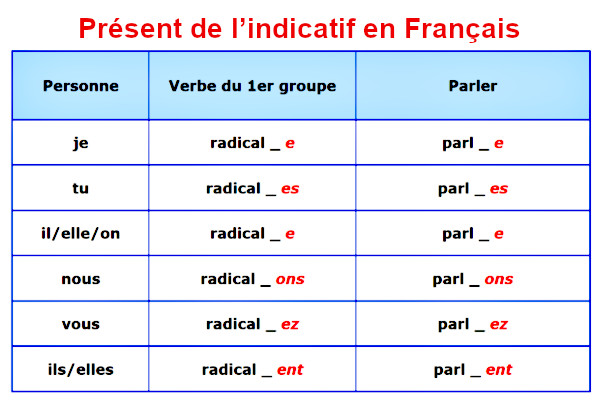
These are the most common, and luckily, their conjugation is pretty regular. Think of verbs like parler (to speak), manger (to eat), aimer (to like/love), and regarder (to watch). Here's how parler conjugates:
- Je parle (I speak)
- Tu parles (You speak)
- Il/Elle/On parle (He/She/One speaks)
- Nous parlons (We speak)
- Vous parlez (You (plural/formal) speak)
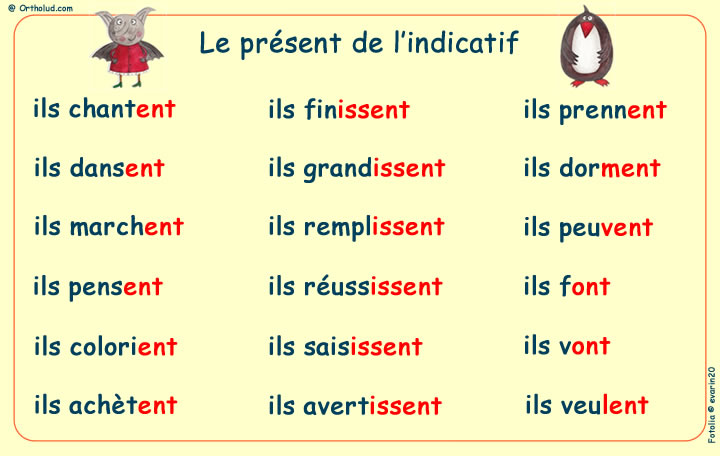
- Ils/Elles parlent (They speak)
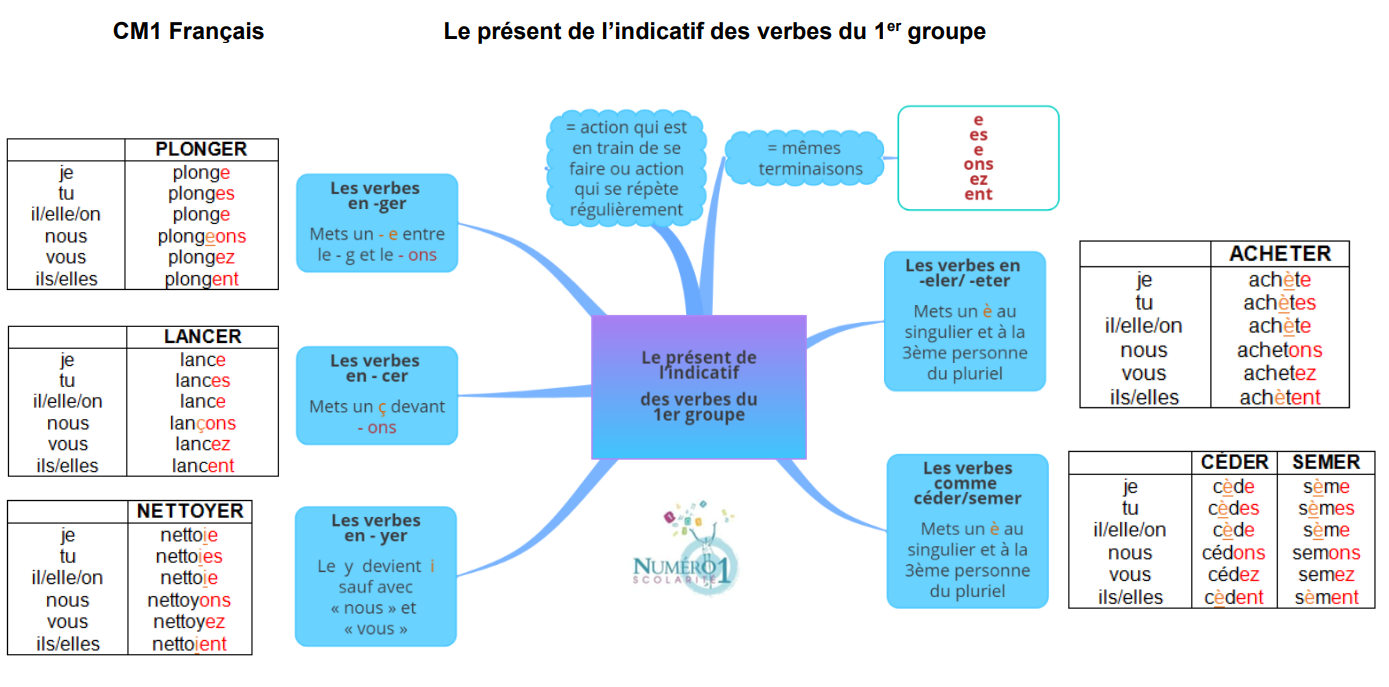
See the pattern? Remove the "-er" and add the corresponding ending! Once you've got this down, you're well on your way. Now, manger is similar, but there's a little wrinkle: "Nous mangeons" to keep the soft "g" sound. Just a little detail to watch out for!
-IR Verbs:
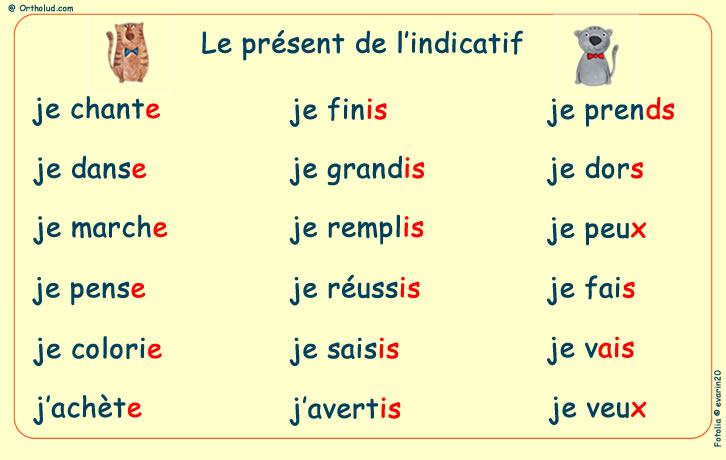
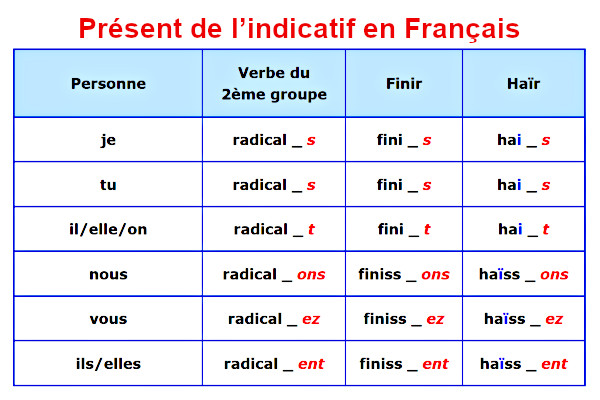
These are next up. Think of finir (to finish), choisir (to choose), and grandir (to grow). Here's finir conjugated:
- Je finis (I finish)
- Tu finis (You finish)
- Il/Elle/On finit (He/She/One finishes)
- Nous finissons (We finish)
- Vous finissez (You (plural/formal) finish)
- Ils/Elles finissent (They finish)
Again, a pattern! Remove the "-ir" and add the correct ending.
-RE Verbs:
Finally, we have the -re verbs. Think of vendre (to sell), attendre (to wait), and entendre (to hear). Here's vendre conjugated:

- Je vends (I sell)
- Tu vends (You sell)
- Il/Elle/On vend (He/She/One sells)
- Nous vendons (We sell)
- Vous vendez (You (plural/formal) sell)
- Ils/Elles vendent (They sell)
See the theme? Get rid of the "-re" and tack on the right ending. You're getting the hang of this! Aren't you glad you stuck around?
Irregular Verbs: The Rebels of the French Language
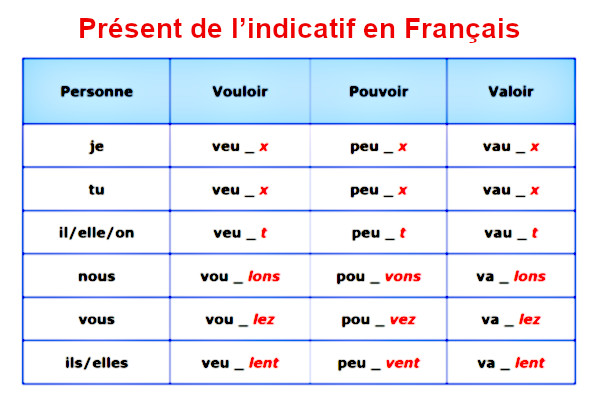
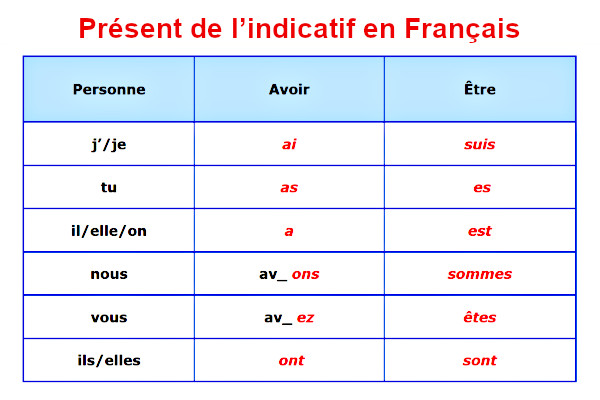
Of course, there are always rebels, aren't there? French has its fair share of irregular verbs that don't follow the "rules." These are verbs like être (to be), avoir (to have), aller (to go), and faire (to do/make). They're essential, so you'll need to memorize their conjugations. But don't let them discourage you! Think of them as special snowflakes – unique and important!
For example, let's look at être:
- Je suis (I am)
- Tu es (You are)
- Il/Elle/On est (He/She/One is)
- Nous sommes (We are)
- Vous êtes (You (plural/formal) are)
- Ils/Elles sont (They are)
Yeah, okay, it's totally different. But you can memorize it! Repetition is key. Write it out. Say it aloud. Teach it to your pet parrot (bonus points if the parrot develops a French accent!).
Tips for Mastering Le Présent de l'Indicatif:
- Start Small: Don't try to learn every verb conjugation overnight. Focus on the most common verbs first (être, avoir, aller, faire, parler, manger).
- Practice, Practice, Practice: Use flashcards, online quizzes, language learning apps, or even just write sentences using the verbs you're learning.
- Immerse Yourself: Watch French movies and TV shows (with subtitles, at first!). Listen to French music and podcasts. The more you expose yourself to the language, the easier it will become.
- Don't Be Afraid to Make Mistakes: Everyone makes mistakes when learning a new language. It's part of the process! The important thing is to learn from them and keep practicing. Seriously, everyone does it. Even native speakers sometimes goof up!
- Find a Language Partner: Practice speaking with a native speaker or another learner. This is a great way to improve your fluency and get feedback on your pronunciation.
- Make it Fun!: Learn through songs, games, and even memes! The more enjoyable you make the learning process, the more likely you are to stick with it.
Remember: Learning a language is a marathon, not a sprint. Be patient with yourself, celebrate your progress, and most importantly, have fun!
So, what are you waiting for? Go forth and conquer the present tense! Imagine yourself confidently ordering that croissant, chatting with locals on your next trip to Paris, or finally understanding that catchy French song. It's all within your reach!
Now, I know this might seem like a lot to take in, but trust me, once you get the hang of it, you'll be amazed at how much you can express in French. And the best part? The Présent de l'Indicatif is just the beginning! It's the gateway to a whole world of French grammar and vocabulary. So, take a deep breath, embrace the challenge, and get ready to embark on an exciting journey of language learning!
Allez, on y va! Let's go!