Bonjour, mes amis! Ever felt like your French is missing a certain… je ne sais quoi? Like you’re tiptoeing around, hinting at things, when what you really want is to just, well, tell people what to do? Then grab a croissant and a café, because we're about to unlock a secret weapon in your French arsenal: Le Présent de l'Impératif! (That’s the present imperative, for those playing along at home.)
What’s the Big Deal with L'Impératif?
Okay, so "imperative" sounds a bit… authoritative, right? Like you're about to command an army. And, okay, sometimes you are commanding an army… of your kids to clean their rooms. But think of it less as bossing people around and more as offering direct, friendly, and action-oriented suggestions! Think "Let's do this!" instead of "Perhaps, if you're not too busy, would you maybe consider...?" See the difference?
Basically, l'impératif is how you give commands, instructions, and advice. It's the go-to for recipes ("Ajoutez le beurre!" - Add the butter!), friendly suggestions ("Essaie ce vin!" - Try this wine!), and, yes, even the occasional gentle scolding ("Ne fais pas ça!" - Don't do that!).
Conjugating the "Be Nice!" Verb Tense
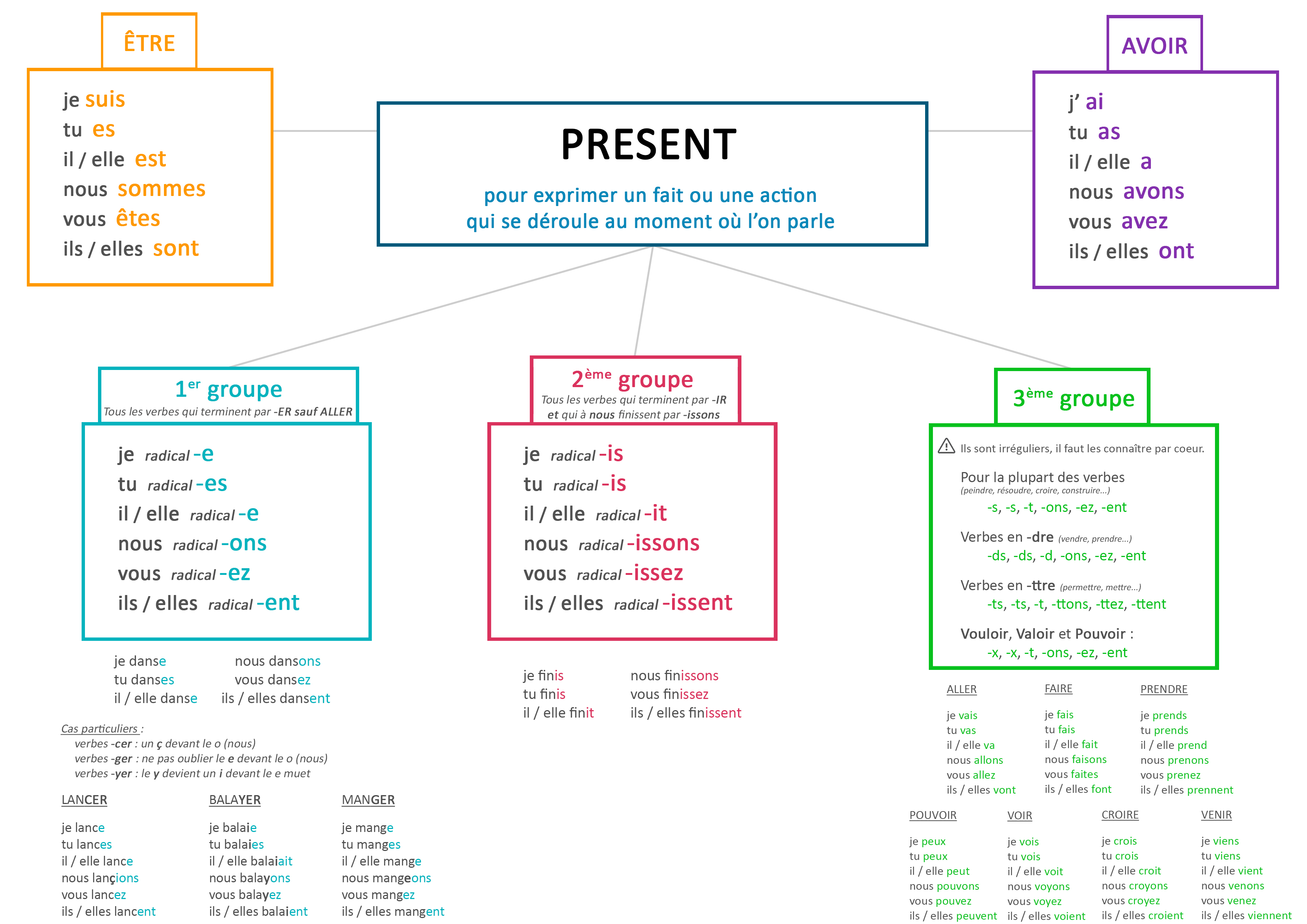
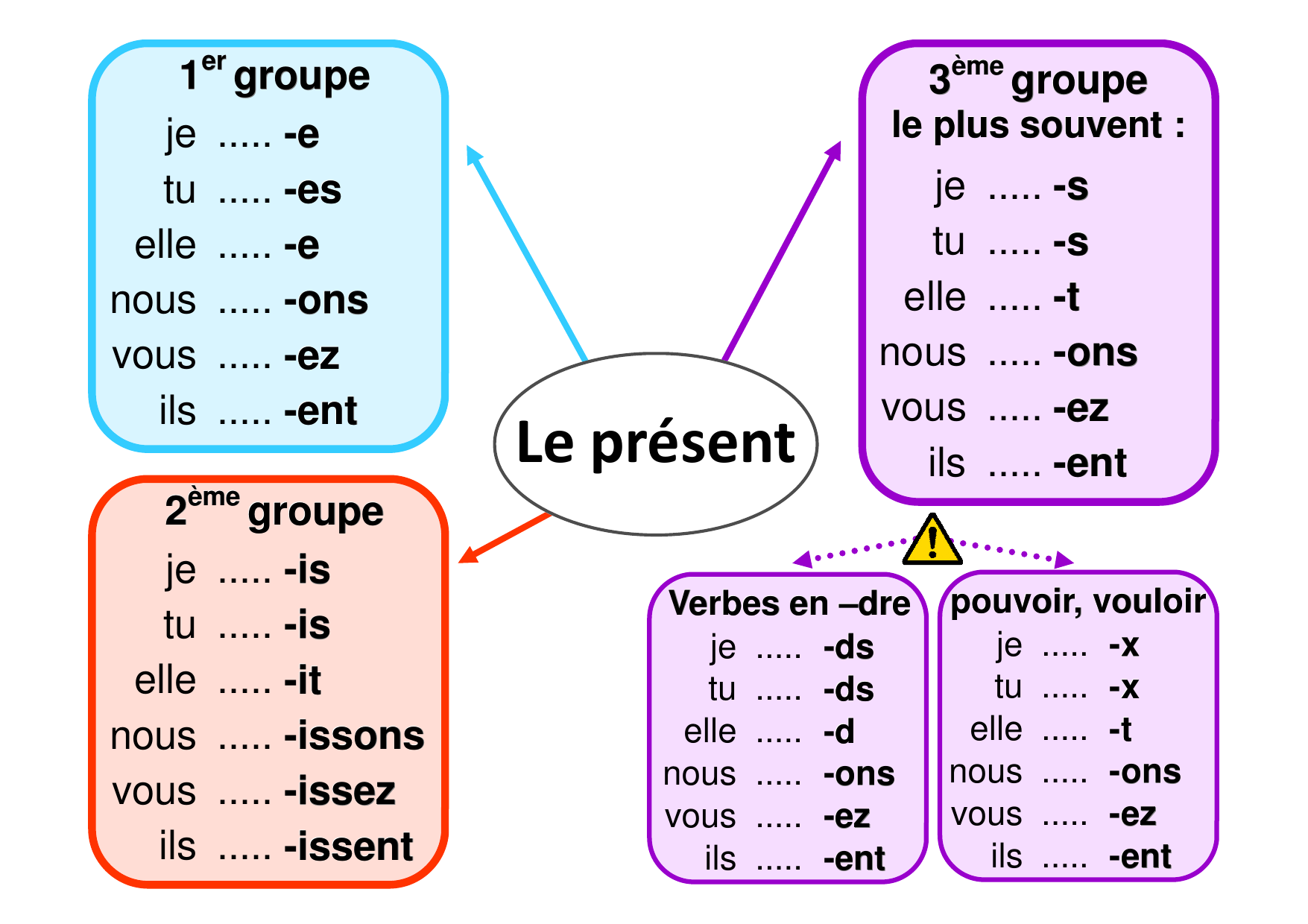
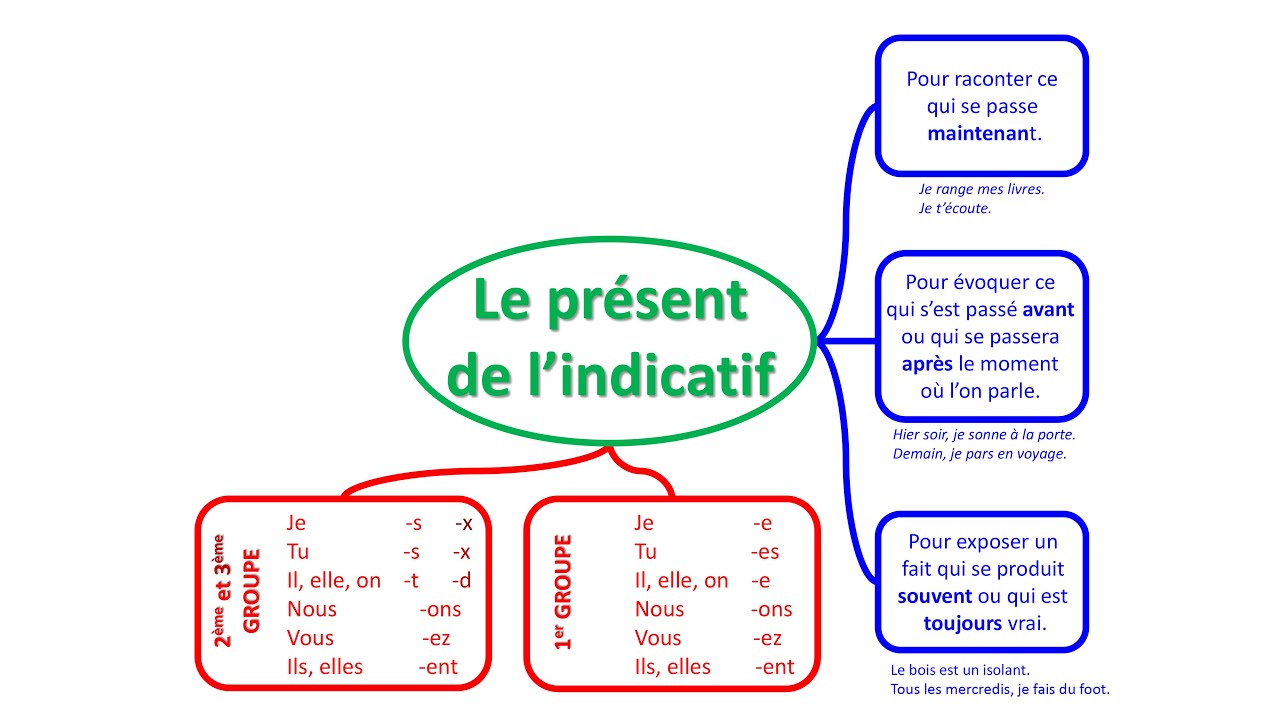
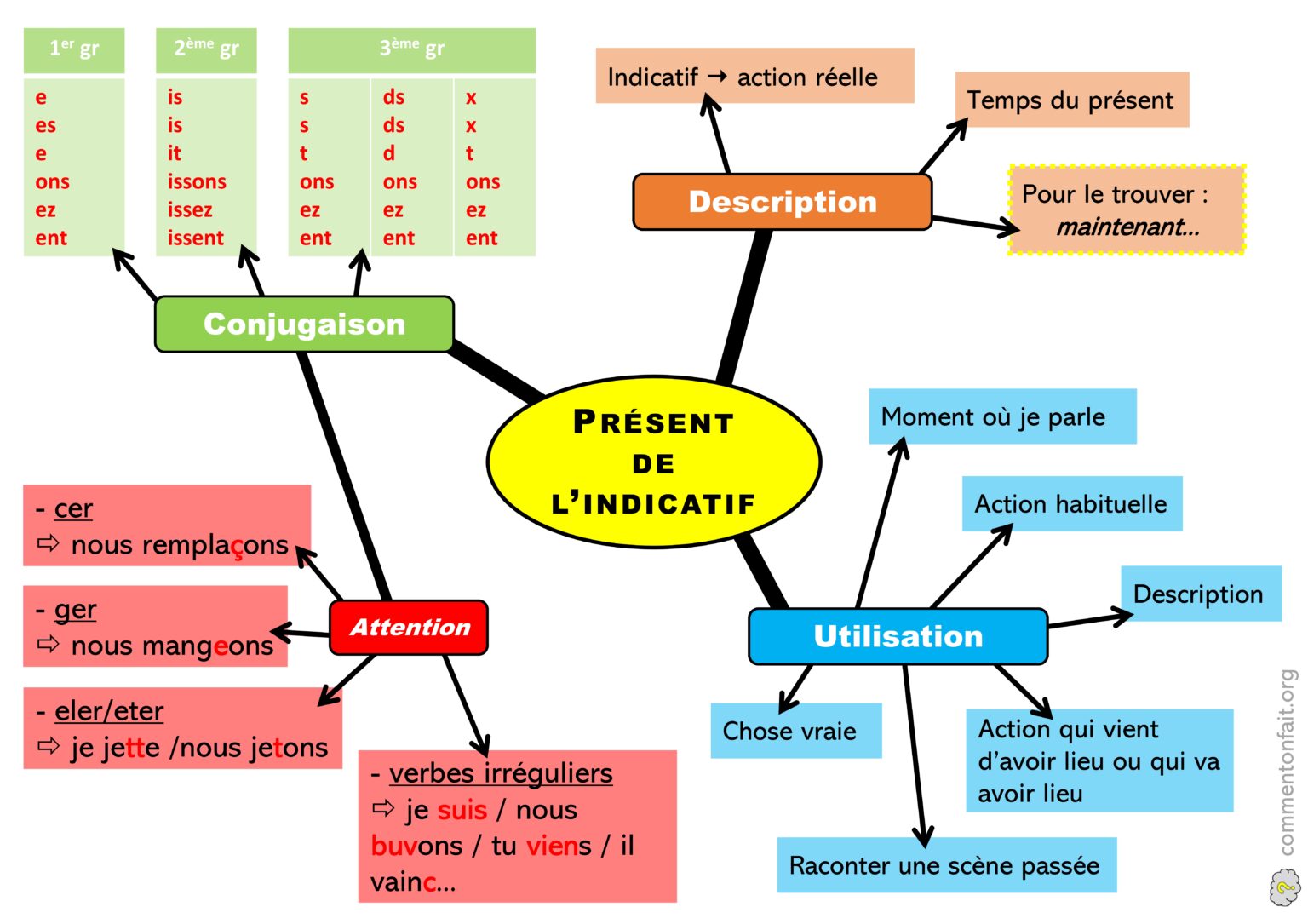
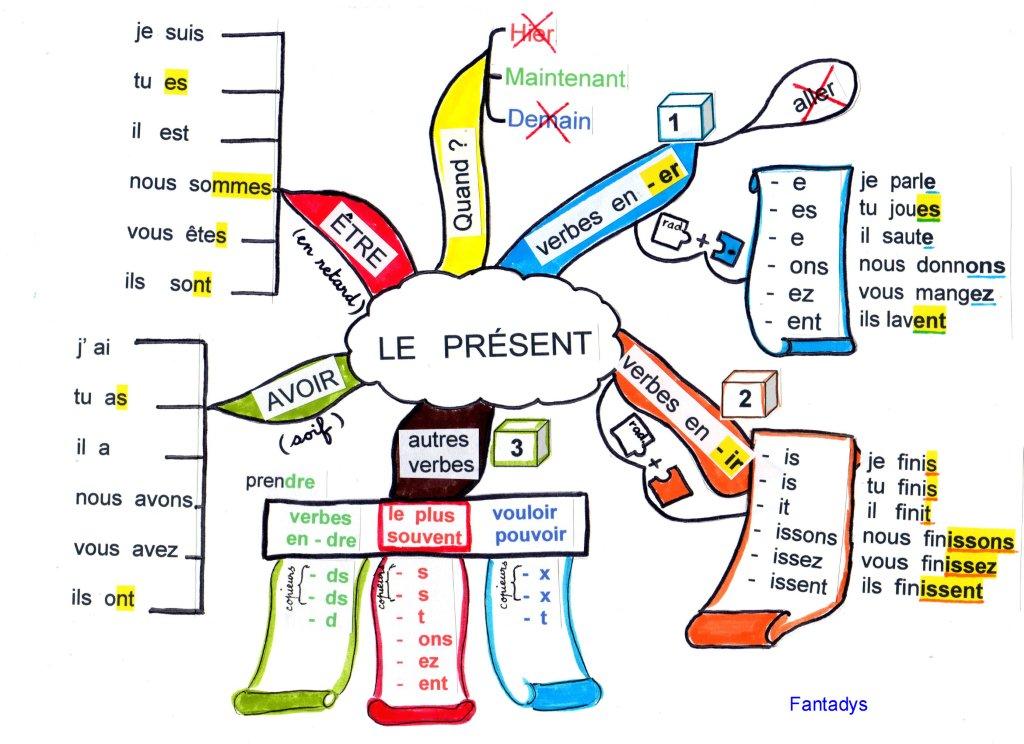
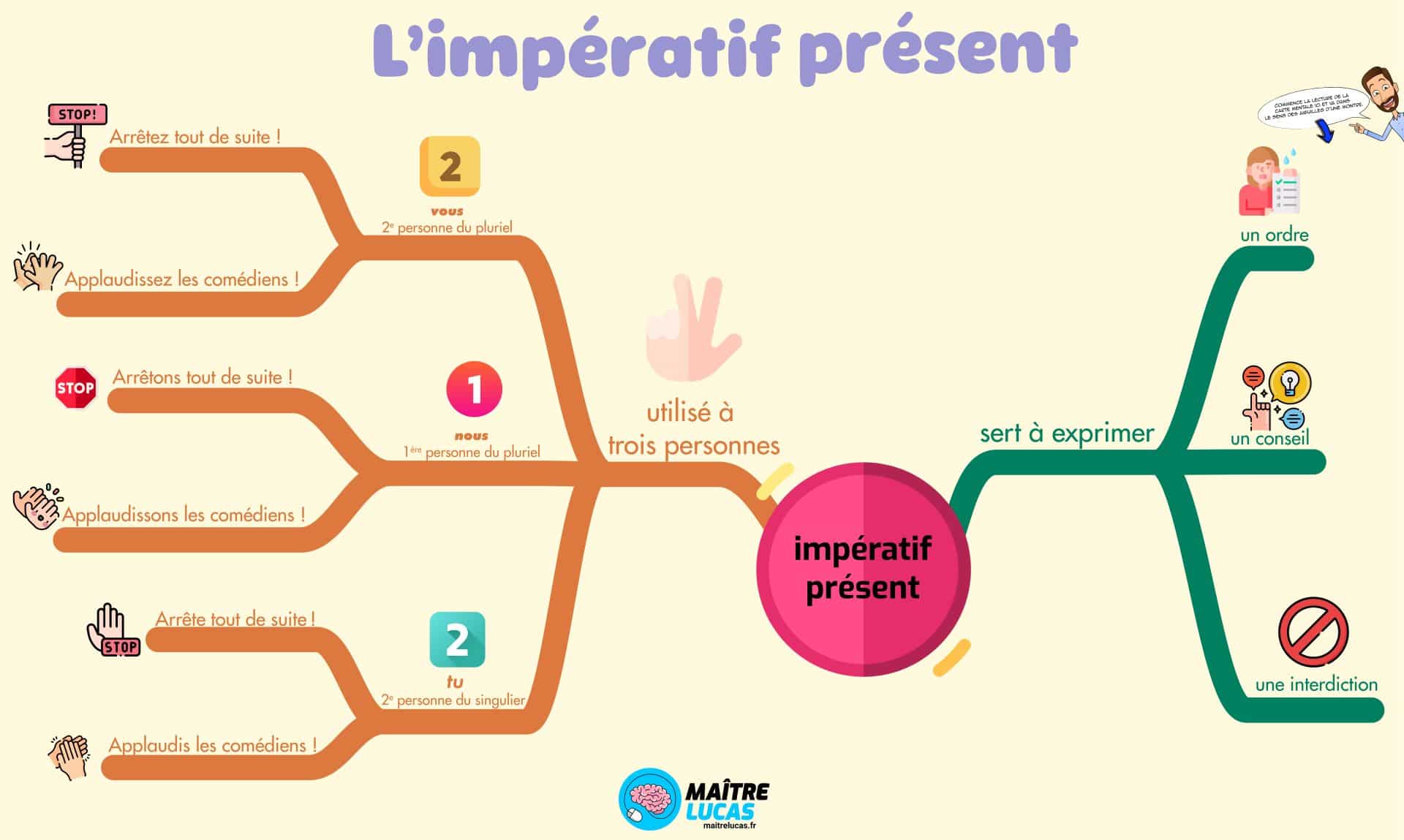
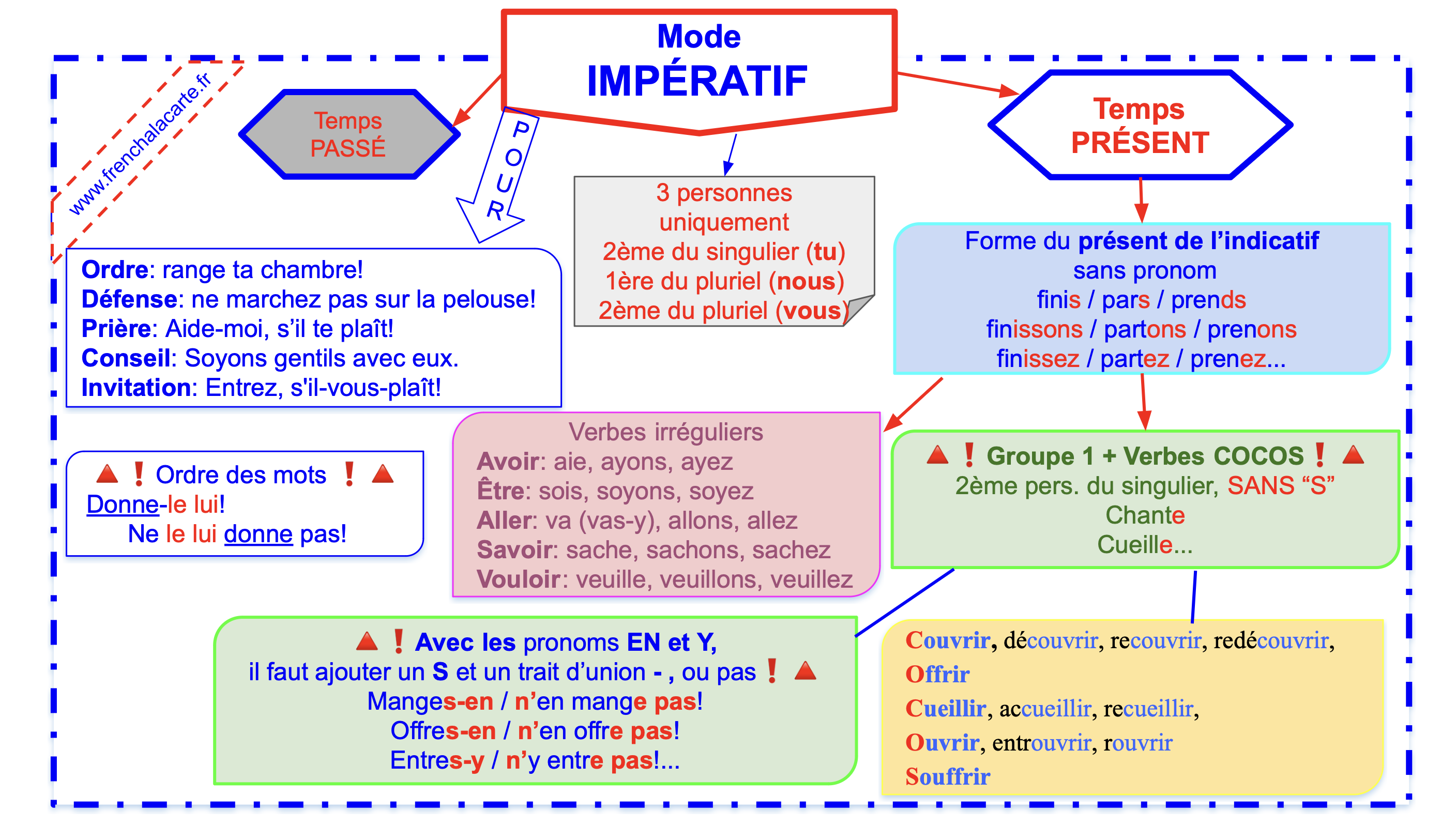
Now, for the nitty-gritty. Don’t worry, it’s not as scary as it sounds. The good news is, you only need to remember three forms: tu, nous, and vous. And even better news? It's almost identical to the present tense! Woohoo!
The "Tu" Form: Direct and Friendly
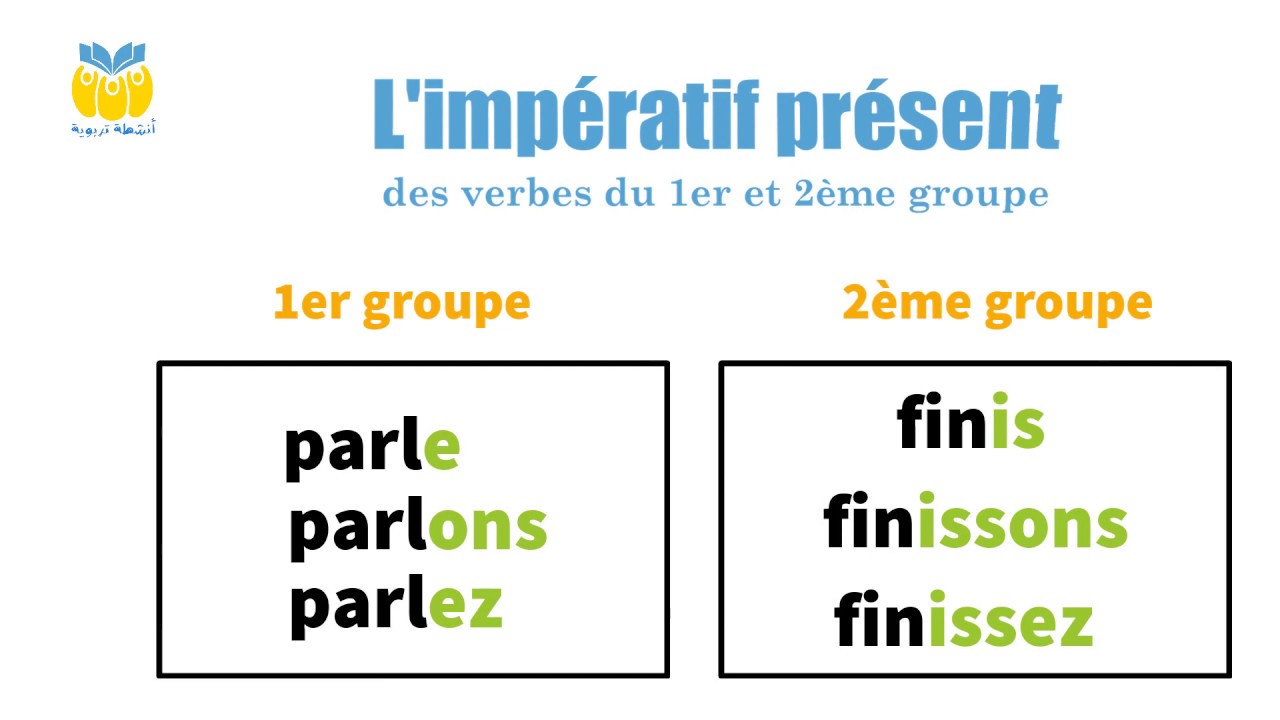
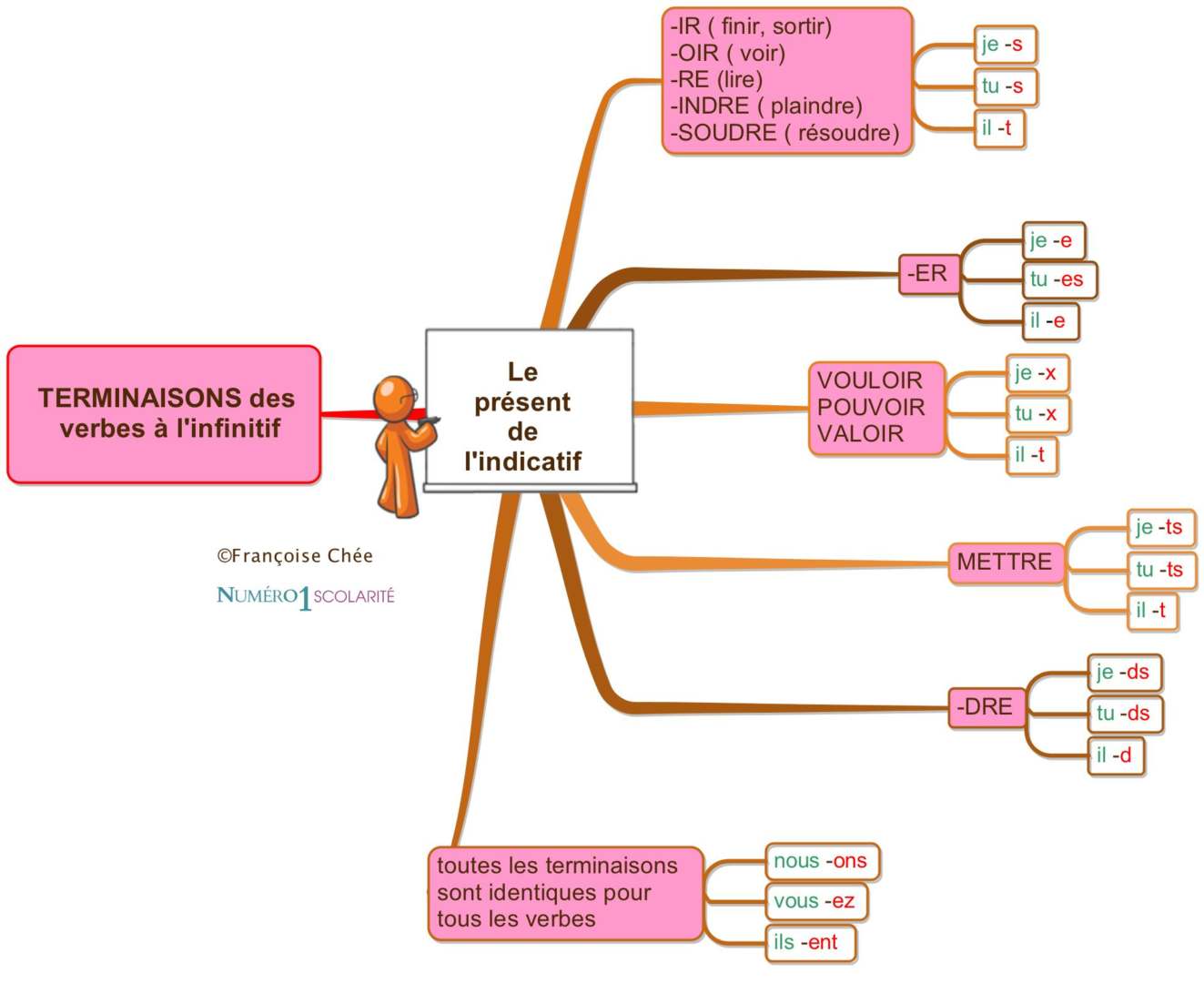
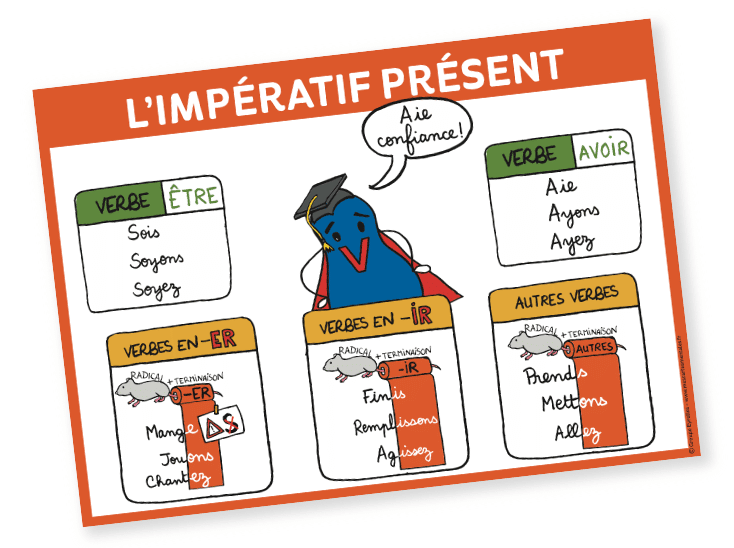
This is your informal, singular command. Think of talking to a friend, a child, or your cat (if your cat understands French, that is). For most verbs, you just chop off the "tu" and the "s" from the present tense form. Let's look at some examples:
- Parler (to speak): Tu parles (you speak) → Parle! (Speak!)
- Finir (to finish): Tu finis (you finish) → Finis! (Finish!)
- Attendre (to wait): Tu attends (you wait) → Attends! (Wait!)
Easy peasy, right? Almost! There's a slight exception for -er verbs. You drop the "s" for the tu form. Why? Because French. Just roll with it.
![[Conjugaison] Une carte mentale de l'impératif présent - Apprendre](https://apprendre-reviser-memoriser.fr/wp-content/uploads/2020/09/carte-mentale-conjugaison-impératif-présent.png)
- Manger (to eat): Tu manges (you eat) → Mange! (Eat!) (Note: No 's')
- Écouter (to listen): Tu écoutes (you listen) → Écoute! (Listen!) (Also, no 's')
Got it? Good! Now, let's move on.
The "Nous" Form: Let's Do It Together!
This is your "let's" form. Think of suggesting a group activity. It's usually used for things you want to do with someone. It's the most charming imperative, in my opinion. To form it, just use the nous form of the present tense!
- Parler (to speak): Nous parlons (we speak) → Parlons! (Let's speak!)
- Finir (to finish): Nous finissons (we finish) → Finissons! (Let's finish!)
- Attendre (to wait): Nous attendons (we wait) → Attendons! (Let's wait!)
- Manger (to eat): Nous mangeons (we eat) → Mangeons! (Let's eat!)
See? Simple as a… well, a simple French verb conjugation!
The "Vous" Form: Formal or Plural
This is your formal, singular "you" or your plural "you all." Use it when addressing someone you don't know well, someone older than you, or a group of people. Again, it's exactly the same as the present tense form.
- Parler (to speak): Vous parlez (you speak) → Parlez! (Speak!)
- Finir (to finish): Vous finissez (you finish) → Finissez! (Finish!)
- Attendre (to wait): Vous attendez (you wait) → Attendez! (Wait!)
- Manger (to eat): Vous mangez (you eat) → Mangez! (Eat!)
And that’s it! You’ve mastered the basic conjugations. Pat yourself on the back. Maybe with a baguette.
Irregular Imperatives: A Few Quirks
Of course, French wouldn't be French without a few exceptions, right? Thankfully, there are only a handful of super common irregular verbs in the imperative that you need to memorize.
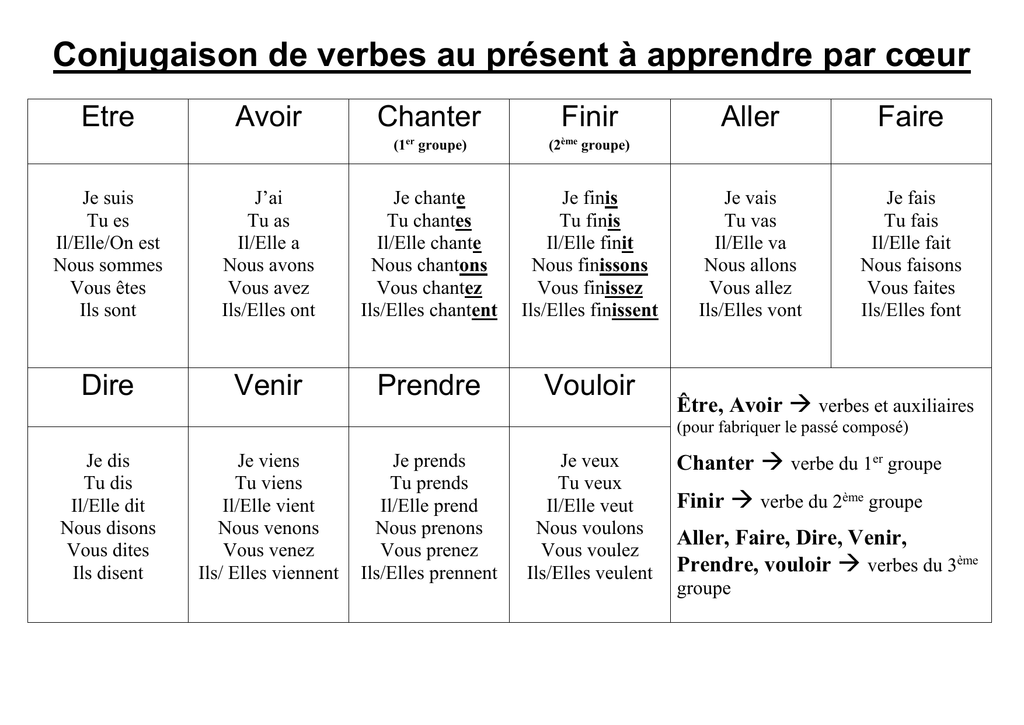
- Être (to be): Sois! (Be!), Soyons! (Let's be!), Soyez! (Be!)
- Avoir (to have): Aie! (Have!), Ayons! (Let's have!), Ayez! (Have!)
- Savoir (to know): Sache! (Know!), Sachons! (Let's know!), Sachez! (Know!)
- Vouloir (to want): Veuille! (Want!), Veuillons! (Let's want!), Veuillez! (Want!) - Note: Veuillez is also used as a polite "please" in formal requests.
These might seem daunting at first, but you'll hear them so often that they'll quickly become second nature. Ayez confiance! (Have confidence!)
Using Pronouns with L'Impératif
Okay, now for a slight twist: pronouns. When you want to add a pronoun (like "me," "you," "him," "her," etc.) to your imperative, things get a little different. The placement changes, and you need to add a hyphen. And, just to keep you on your toes, me and te become moi and toi in the affirmative imperative.
Let's look at some examples:
- Regarde-moi! (Look at me!) (Note: "me" becomes "moi")
- Parle-lui! (Speak to him/her!)
- Donne-le-moi! (Give it to me!)
- Aidez-nous! (Help us!)
In the negative imperative, however, the pronouns go back to their usual position before the verb, and you don't need the hyphen!
- Ne me regarde pas! (Don't look at me!)
- Ne lui parle pas! (Don't speak to him/her!)
- Ne me le donne pas! (Don't give it to me!)
- Ne nous aidez pas! (Don't help us!)
See? It's all about context. And practice! And maybe a little bit of wine to help you remember.
Why This Matters: Unleash Your Inner French Speaker
So, why should you care about l'impératif? Because it empowers you to speak more directly, more confidently, and more authentically in French. Instead of being hesitant and unsure, you can tell someone exactly what you want to say (politely, of course!).

Imagine:
- Ordering food like a pro: "Garçon, apportez-moi un croissant, s'il vous plaît!" (Waiter, bring me a croissant, please!)
- Giving directions to a lost tourist: "Allez tout droit, puis tournez à gauche." (Go straight, then turn left.)
- Encouraging a friend: "Courage! Tu peux le faire!" (Courage! You can do it!)
Suddenly, you're not just reciting textbook phrases; you're interacting with the world in a meaningful way. And that, my friends, is what language learning is all about!
Go Forth and Command (Nicely)!
Alors, qu'est-ce que vous attendez? (So, what are you waiting for?) Go forth and practice! Use l'impératif in your daily conversations, even if it's just with yourself. Listen to French speakers and notice how they use it. The more you practice, the more natural it will become.
Learning a language is a journey, not a destination. There will be challenges along the way, but the rewards are immeasurable. L'impératif is just one small piece of the puzzle, but it's a powerful one. So, embrace the challenge, have fun with it, and apprends! (Learn!) You might be surprised at how much you enjoy commanding the French language. Bonne chance, et amusez-vous bien! (Good luck, and have fun!)