Okay, picture this: me, age 16, convinced I had some incredibly rare disease after a particularly dramatic Google search. I was practically writing my will. My mom, bless her heart, rolled her eyes and said, "You’re just like Argan in Le Malade Imaginaire!" At the time, I just huffed and stomped off. Little did I know, she was dropping some serious literary truth on me. (Moms, am I right? Always right. Don't tell her I said that.)
And that, my friends, brings us to Molière's comedic masterpiece, Le Malade Imaginaire, and specifically, how we can approach writing a killer introductory dissertation about it. Because let's be honest, staring at a blank page trying to analyze 17th-century French theatre can be intimidating. But fear not! We’re going to break it down.
Laying the Foundation: The Hook
Think of your introduction as a delicious appetizer – it needs to entice the reader. Don't just dive straight into "Molière, born in 1622..." Snooze fest!
- Start with a relevant anecdote. Like my embarrassing hypochondria story, or maybe a brief, funny observation about the current obsession with wellness culture. This immediately connects the play to something relatable.
- Pose a question. "What is the true nature of sickness? Is it physical, or a product of our minds?" Get the reader thinking! (Spoiler alert: Molière is going to explore this a lot.)
- Use a striking quote. Find a powerful line from the play that encapsulates a key theme, and use it as your opening.
The goal is to grab attention and signal that your dissertation isn't going to be a dry, dusty regurgitation of facts. You're going to offer a fresh perspective!
The Essential Context: Introducing Molière and the Play
Now, you can't completely skip the background, but keep it concise. We need to know why Molière wrote this play.

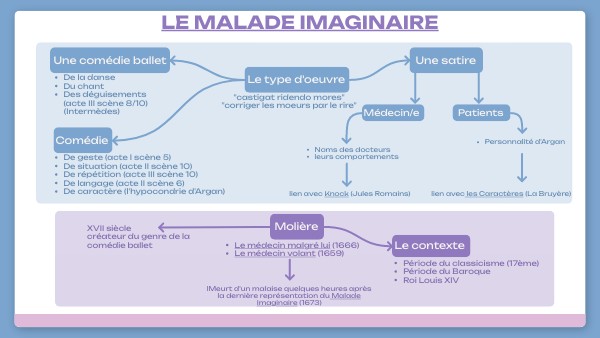
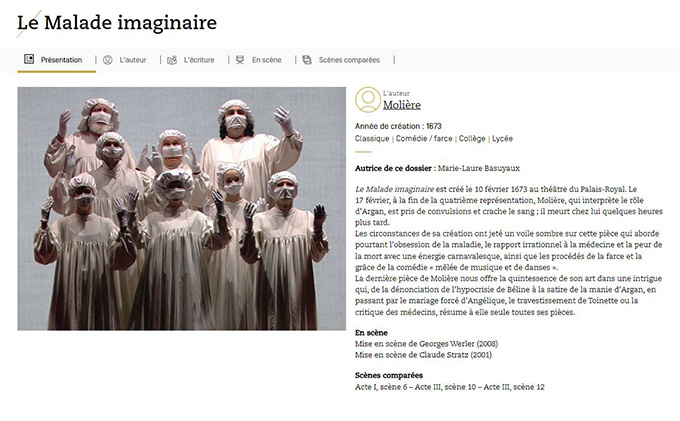
- Molière's own health. The irony! He was actually sick while writing this comedy about a hypochondriac. Mention this! It’s gold.
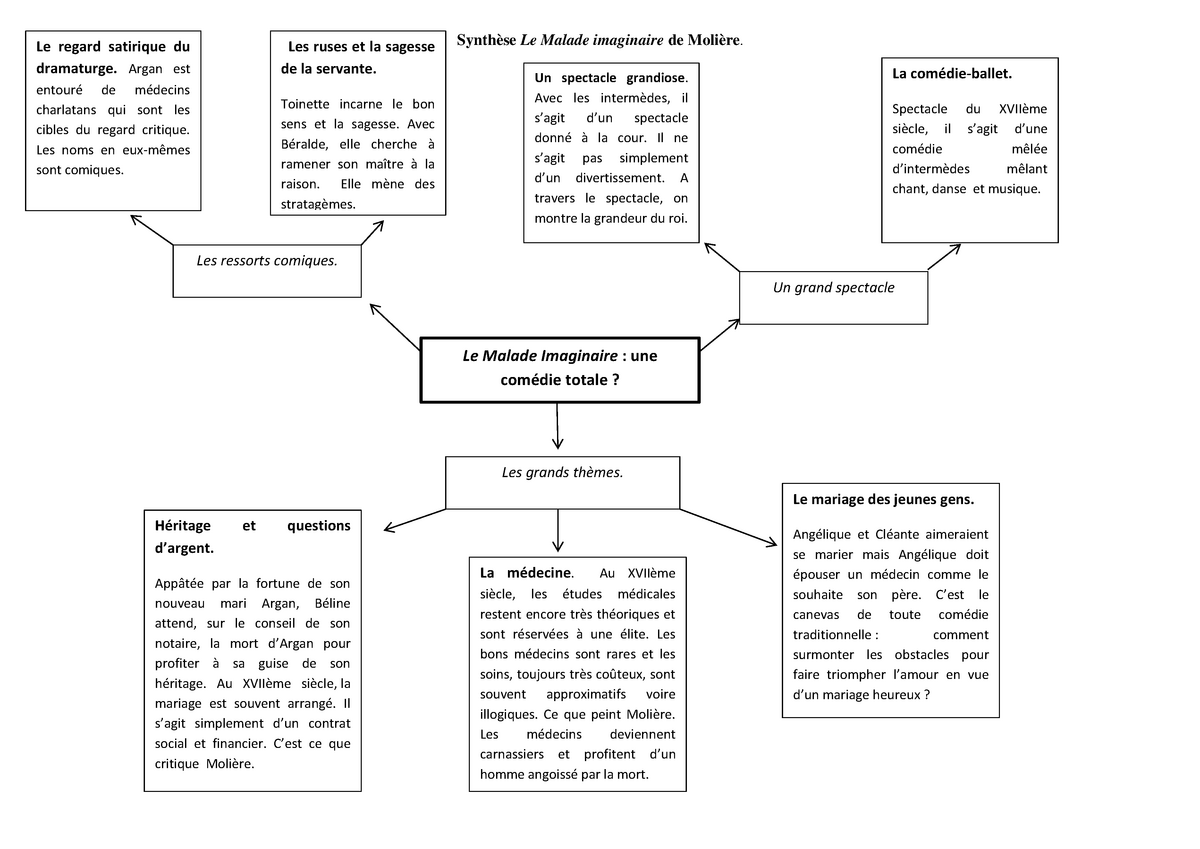
- The social satire. Molière was poking fun at doctors (and the medical profession in general). Explain this comedic angle.
- The comédie-ballet form. Remember, it's a play with music and dance! This isn’t just some straight-up drama.
Don't get bogged down in excessive biographical details. Just give enough context to understand the play's historical and social significance.
The Heart of the Matter: Your Thesis Statement
This is the most important part! Your thesis statement is the roadmap of your entire dissertation. It should clearly and concisely state your argument.

For example:
"Through the character of Argan, Molière satirizes not only the medical profession of his time, but also the human tendency towards self-deception and the dangers of unchecked obsession."
See how that sets the stage for what you’re going to explore? (You’re welcome.) It needs to be arguable, specific, and provide a clear direction for your analysis.

Outlining Your Approach: A Brief Preview
Finally, briefly outline the key points you will discuss in your dissertation. This gives the reader a sense of where you’re going. (Think of it as the table of contents, but in sentence form.)
Example:

"This dissertation will examine Argan's relationship with the doctors, analyze the role of Toinette as a voice of reason, and explore the play's enduring relevance to contemporary anxieties about health and well-being."
Keep it short and sweet! The point is to give the reader a glimpse into your analytical framework.
So, there you have it! A hopefully not-too-intimidating guide to writing an introduction dissertation on Le Malade Imaginaire. Remember, have fun with it! Molière certainly did. And maybe, just maybe, try to resist the urge to diagnose yourself on WebMD. (Speaking from experience…)