Okay, picture this: me, bleary-eyed, alarm clock screaming something unintelligible, and the vague, very unappealing thought of leaving my warm duvet. It was Sabah Namaz time. I remember thinking, "Seriously? Before the sun even thinks about waking up?" Let's be honest, sometimes the struggle is real. But, after a few groggy yawns and a pep talk (mostly involving the promise of strong coffee later), I dragged myself out of bed. And you know what? Afterwards, that feeling of accomplishment, that sense of peace… totally worth it. So, let's dive into how to actually do this whole Sabah Namaz thing. It's not as scary as the 5 AM wake-up call, I promise!
What Exactly Is Sabah Namaz?
First things first, for those who might be new to this, Sabah Namaz is the first of the five daily prayers in Islam. It's performed before sunrise – hence the early hour. Think of it as starting your day with a spiritual boost, a moment of connection, and a whole lot of blessings (if you believe in that sort of thing… which, presumably, you do if you’re reading this!). It's a fresh start, a clean slate, and a chance to set your intentions for the day. Plus, it's a great way to avoid the temptation of hitting snooze, like, five times.
Breaking Down the Steps: A Simple Guide
Alright, let's get practical. Here’s a step-by-step guide to performing Sabah Namaz. Don't worry, it’s not rocket science. And, you'll probably get faster with practice. (I definitely still fumble sometimes, though. Don't tell anyone!). Keep in mind, this is a simplified guide, and consulting with a knowledgeable religious figure or scholar is always recommended for any specific questions or concerns.
1. Preparing Yourself (Mentally and Physically)
Before you even think about the prayer itself, you need to prepare. This involves:
- Wudu (Ablution): This is the ritual washing you perform before prayer. It involves washing your hands, face, arms, head, and feet. It's a physical cleansing, but also a symbolic one. Think of it as washing away any lingering negativity from the previous day. There are many online videos demonstrating wudu.
- Intention (Niyyah): This is where you mentally state your intention to perform the Sabah Namaz. You don't need to say it out loud, it's all in your heart. Just focus on why you're doing this. Are you doing it out of obligation? Out of love? Out of a desire to connect with something bigger than yourself? Whatever it is, make it clear in your mind.
- Choosing a Clean Space: You need a clean place to pray. A prayer rug (sajjada) is ideal, but any clean surface will do. Even a corner of your room can become your personal sanctuary.
Side note: Don't stress too much about perfection. The most important thing is your intention. If you miss a step in wudu or can't find a prayer rug, don't beat yourself up. Just do your best.

2. The Rak'ahs: Understanding the Units of Prayer
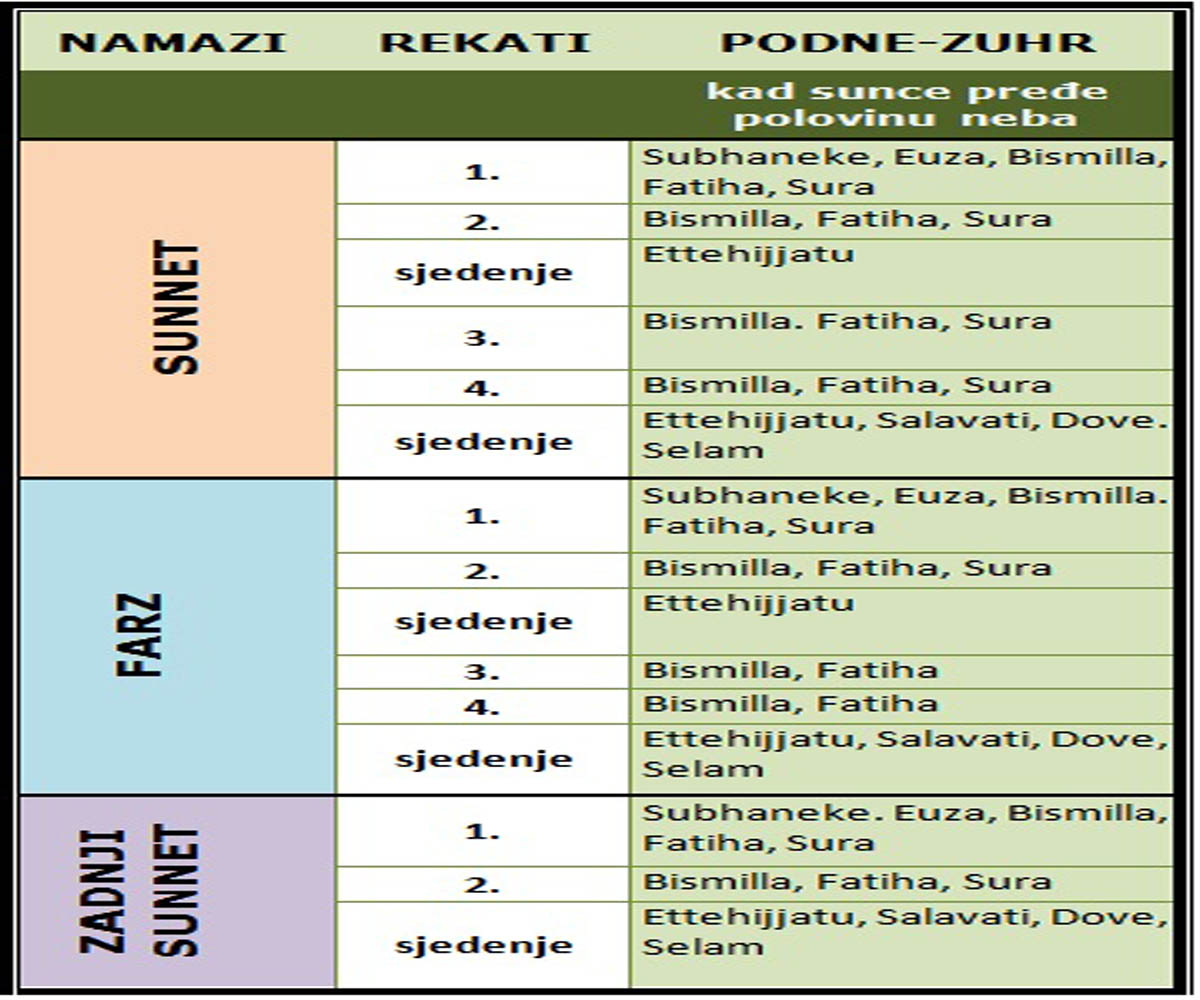
Sabah Namaz consists of two rak'ahs (units of prayer). Each rak'ah involves a series of movements and recitations. Here's a breakdown:
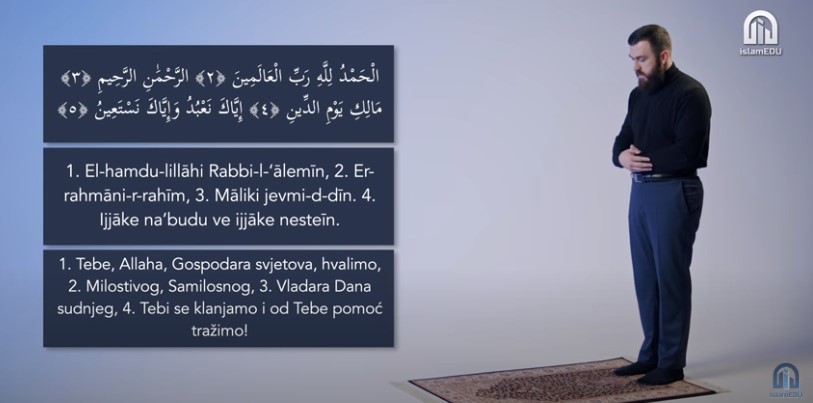
- Opening (Takbiratul Ihram): Stand facing the Qibla (the direction of the Kaaba in Mecca). Raise your hands to your ears, palms facing forward, and say "Allahu Akbar" (God is the Greatest). This marks the beginning of the prayer. This is it! You've officially started!
- Standing (Qiyam): Place your hands on your chest or slightly below your navel. Recite Surah Al-Fatiha (the opening chapter of the Quran). Then, recite another Surah (chapter) of your choice. Many people choose shorter surahs, especially when starting out.
- Bowing (Ruku): Say "Allahu Akbar" and bow down, placing your hands on your knees. Your back should be straight and parallel to the ground. Recite "Subhana Rabbiyal Azeem" (Glory be to my Lord, the Most Great) three times.
- Rising from Bowing: Stand up straight again, raising your hands to your ears (optional), and say "Sami Allahu Liman Hamidah" (God hears those who praise Him). Then, say "Rabbana Lakal Hamd" (Our Lord, praise is to You).
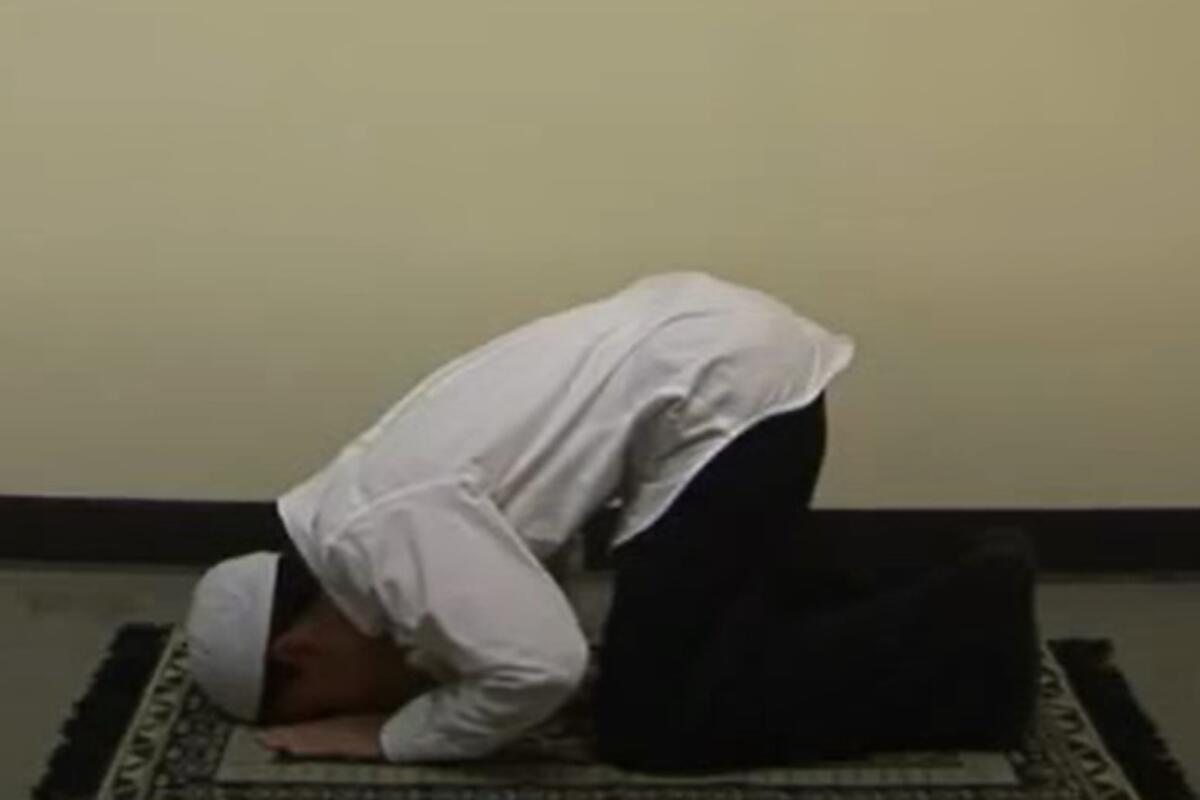
- Prostration (Sujud): Say "Allahu Akbar" and prostrate, placing your forehead, nose, palms, knees, and toes on the ground. Recite "Subhana Rabbiyal A'la" (Glory be to my Lord, the Most High) three times.
- Sitting (Jalsa): Raise your head and sit up briefly on your heels, placing your hands on your thighs. Say "Allahu Akbar".
- Second Prostration: Repeat the prostration as described above. Say "Allahu Akbar" and rise to standing position, beginning the second rak'ah.
3. Completing the Two Rak'ahs and the Final Steps
The second rak'ah is similar to the first, with a few key differences:
- After the second prostration of the second rak'ah, instead of rising, you sit in the Tashahhud position.
- Tashahhud: Sit on your heels and recite the Tashahhud, a prayer praising God and bearing witness to the Prophet Muhammad (peace be upon him). There are several versions of the Tashahhud.
- Salawat: Recite the Salawat, a prayer asking God to bless the Prophet Muhammad (peace be upon him) and his family. Again, there are various forms.
- Dua: Make a personal supplication (dua) to God. This is a time to ask for anything you need or desire.
- Salam: Turn your head to the right and say "Assalamu Alaikum Wa Rahmatullahi" (Peace be upon you and the mercy of God). Then, turn your head to the left and repeat the phrase. This marks the end of the prayer.
Feeling overwhelmed? Don't worry! Take it one step at a time. You can find numerous videos and guides online to help you visualize the movements and memorize the recitations. And remember, perfection isn't the goal; sincere effort is what matters.
Tips for Making Sabah Namaz Easier (Especially When You're Not a Morning Person!)
Let's be real, waking up for Sabah Namaz can be a challenge. Here are a few tips that have helped me (and hopefully will help you too):
- Go to Bed Earlier: This seems obvious, but it's crucial. Aim for a consistent bedtime to regulate your sleep cycle. Easier said than done, I know!
- Set Multiple Alarms: Don't rely on just one alarm. Set a few, spaced a few minutes apart. Place your alarm clock across the room, forcing you to get out of bed to turn it off.
- Enlist a Prayer Buddy: Find a friend or family member who also wants to pray Sabah Namaz. You can motivate each other and hold each other accountable.
- Make Wudu Before Bed: Performing wudu before going to sleep makes it easier to perform Sabah Namaz when you wake up as you can skip that step.
- Reward Yourself: Promise yourself a treat after Sabah Namaz, like a delicious cup of coffee or a few minutes of quiet time to read.
- Start Small: If you're new to this, don't try to change your routine overnight. Start by waking up just 15 minutes earlier each day until you reach the Sabah Namaz time.
- Remember the Benefits: Focus on the positive aspects of Sabah Namaz, such as the sense of peace, connection, and accomplishment. Think of it as a superpower!
Final Thoughts: Embrace the Journey
Sabah Namaz is more than just a ritual; it's a journey. It's a journey of self-discipline, spiritual growth, and connection with the Divine. It's okay to stumble along the way. The important thing is to keep trying, to keep learning, and to keep showing up. Even if you don't feel like it, even if you hit snooze a few times (we've all been there!), don't give up. The rewards, both tangible and intangible, are well worth the effort. And who knows, you might even start looking forward to those early mornings (okay, maybe not looking forward to them, but at least appreciating them!). So, go forth, pray, and have a blessed day!