Okay, imagine this: you’re baking a cake. You’ve followed the recipe, measured everything carefully, but halfway through baking, you realize… disaster! The cake is sinking, burnt on the edges, and generally looking like something you wouldn't want to serve even to your worst enemy. That's a bit like a business facing serious financial trouble. Sometimes, a rescue attempt (like trying to salvage that disastrous cake) just isn’t going to cut it. And that's where the "Jugement de Conversion en Liquidation Judiciaire" comes in. Sounds complicated, right? Let’s break it down in a way that even explains why you should care!
What in the World is "Jugement de Conversion en Liquidation Judiciaire"?
Let's unpack that mouthful! Think of it as a business’s last resort, a point of no return, but not necessarily a bad thing in every single instance.
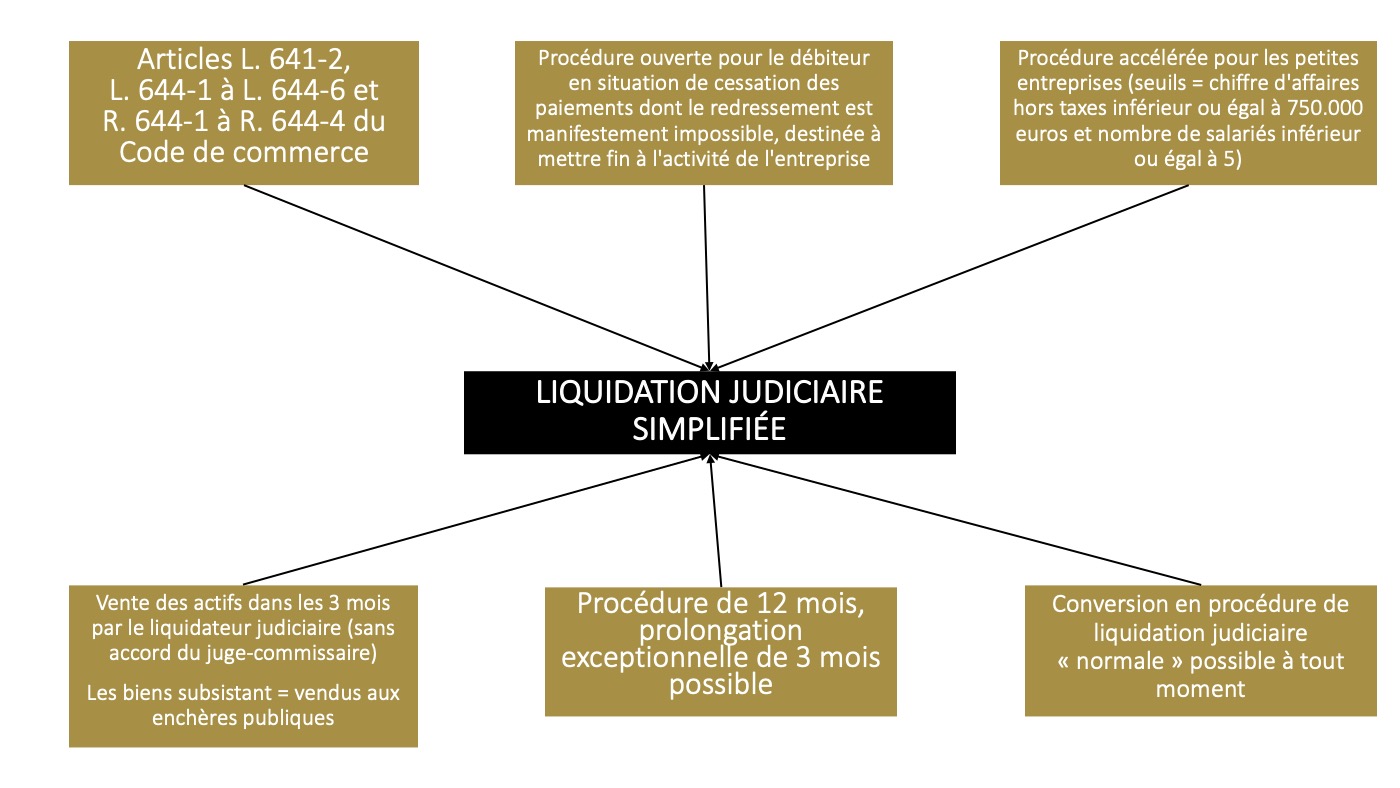
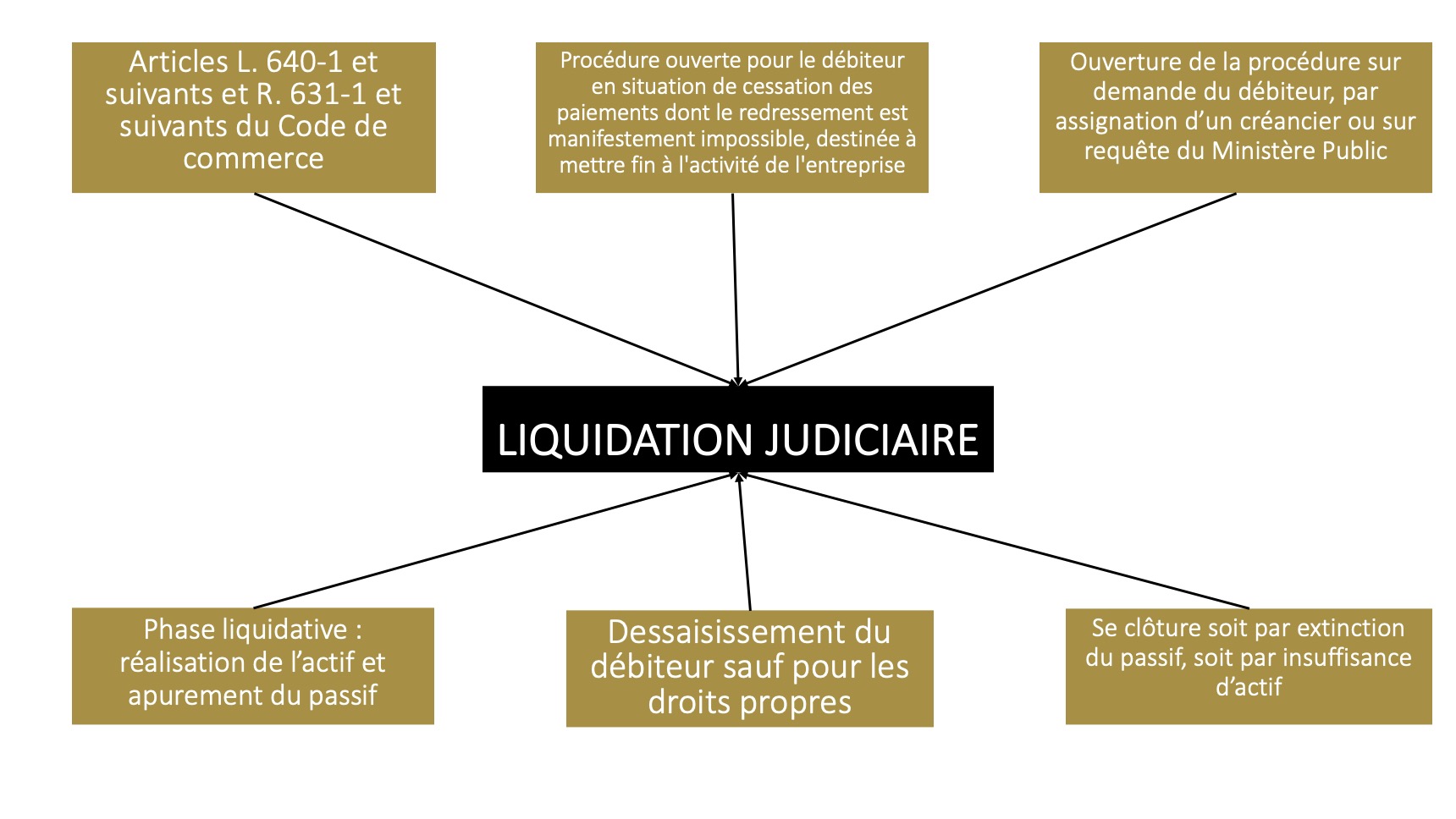
First, "Jugement" simply means a court ruling. Then "Conversion" means changing from one thing to another. So, the court is changing something. Finally, "Liquidation Judiciaire" is a legal process similar to closing down the shop. It is more complicated than closing a sole proprietorship. Think of it as selling everything off, distributing the money to creditors, and then…well, the business ceases to exist.
So, putting it all together, "Jugement de Conversion en Liquidation Judiciaire" is a court decision to switch a company from a rescue attempt (like a redressement judiciaire, which is like trying to revive a struggling patient) to a full-blown liquidation. It’s like the doctor saying, "Okay, we’ve tried everything, but unfortunately…"
Imagine you're running a small clothing boutique. Business starts slow, and you find yourself in a redressement judiciaire. This is basically a lifeline, a chance to restructure your debts, negotiate with suppliers, and come up with a plan to get back on your feet. Maybe you decide to focus on selling online, or you launch a new line of eco-friendly clothes. You're working hard, but the sales don't pick up. Rent is still due, suppliers still need to be paid. The plan isn't working. That is when the court might decide to convert to a liquidation judiciaire.

Why does it Happen? The Grim Reality
So, why would a court decide to switch gears like that? Well, usually it's because the company's situation is just too dire. The redressement judiciaire simply isn’t working. It is NOT a guaranteed success.
Here are a few common reasons:
- Not Enough Cash Flow: Imagine your boutique is bleeding money faster than you can make it. No matter how much you restructure, if you can't generate enough revenue to cover your expenses, you're in trouble. Think of it like trying to fill a leaky bucket – you can pour water in all day, but it'll never stay full.
- Unrealistic Recovery Plan: The redressement judiciaire relies on a realistic plan for recovery. If the plan is based on overly optimistic projections or unrealistic assumptions, the court won't approve it. It is important to be very very realistic.
- Failure to Comply with the Plan: Even if the recovery plan is approved, the company needs to stick to it. If they fail to meet the milestones or violate the terms, the court can convert to liquidation. Think of it like breaking a promise – if you don't keep your word, there will be consequences.
- Insufficient Creditor Support: During the redressement judiciaire, the company needs to get creditors to agree to the recovery plan. If too many creditors object, the court might lose faith in the plan's viability.
Why Should You Care About All This? (Even if You're Not a Business Owner)
Okay, so you might be thinking, "This all sounds very serious, but what does it have to do with me?" Well, actually, it can affect you in several ways! Understanding this process can give you insight into economic realities and how businesses impact your community.
- Job Security: If you work for a company that’s struggling, knowing about the possibility of "Jugement de Conversion en Liquidation Judiciaire" can help you understand the severity of the situation. It might be time to update your CV, or, if possible, help find ways to avoid it. It allows you to prepare accordingly.
- Customers and Suppliers: If you're a customer of a company facing liquidation, you might lose access to their products or services. Similarly, if you're a supplier, you might not get paid for outstanding invoices. This is extremely important to consider.
- The Economy: Liquidations can impact the local economy. Loss of jobs and business closures can have a ripple effect throughout the community. A business that goes under can impact many other smaller businesses as well.
- It Explains the News! You might hear about companies going into "liquidation" on the news. Now you have a better understanding of what that means in French context, that is generally that the redressement judiciaire failed.
Let's say you always buy your coffee from a local café. You know the owner, you love their coffee. But one day, you notice the café is struggling. Fewer customers, staff leaving, prices creeping up. If the café goes through a "Jugement de Conversion en Liquidation Judiciaire," your favorite coffee spot disappears, the employees lose their jobs, and the building might sit vacant for a while. A small event can therefore impact the neighborhood.
Understanding the Process (Simplified!)
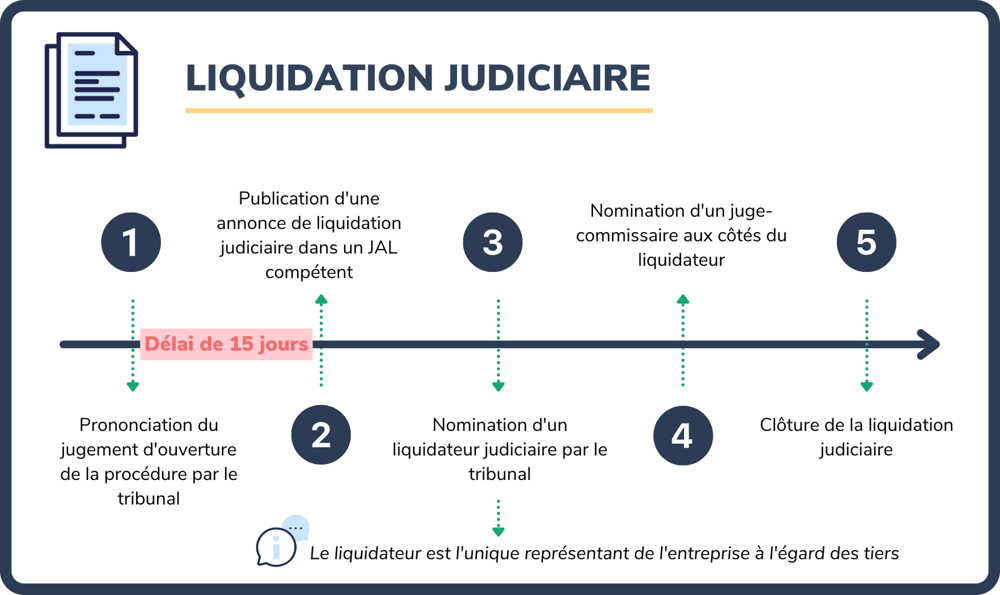
While the legal process is complex, here's a simplified overview:

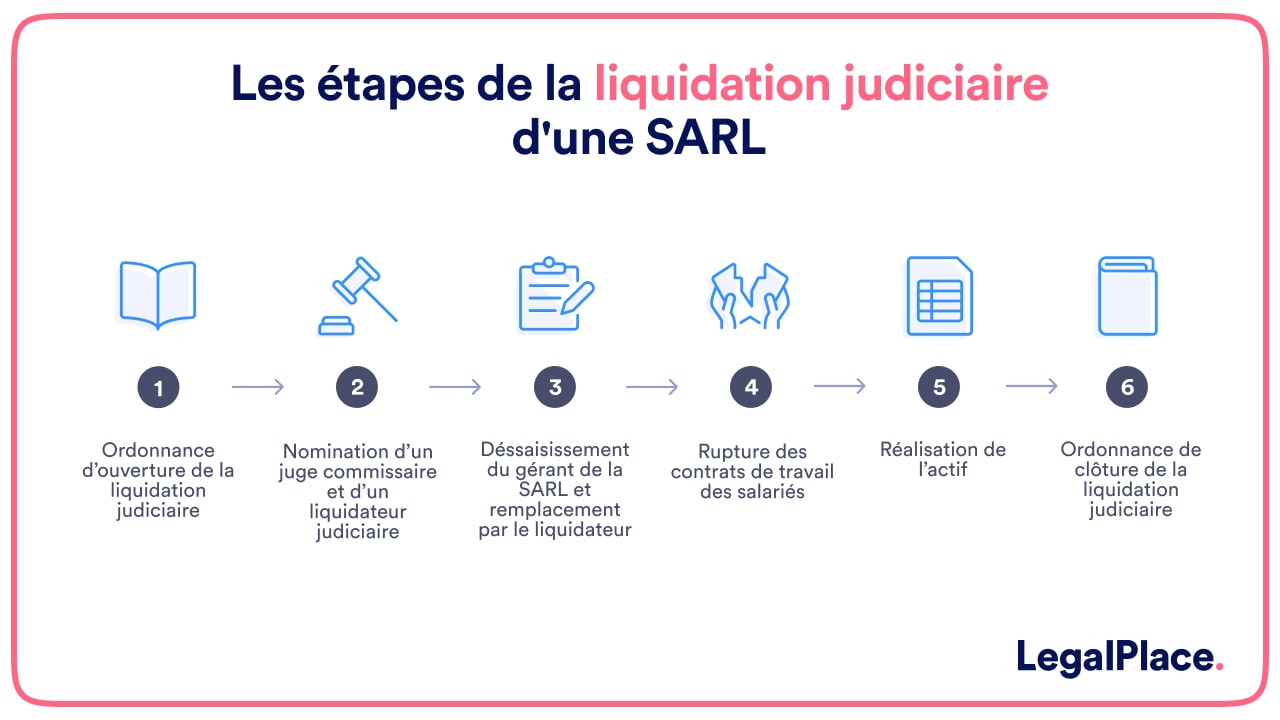
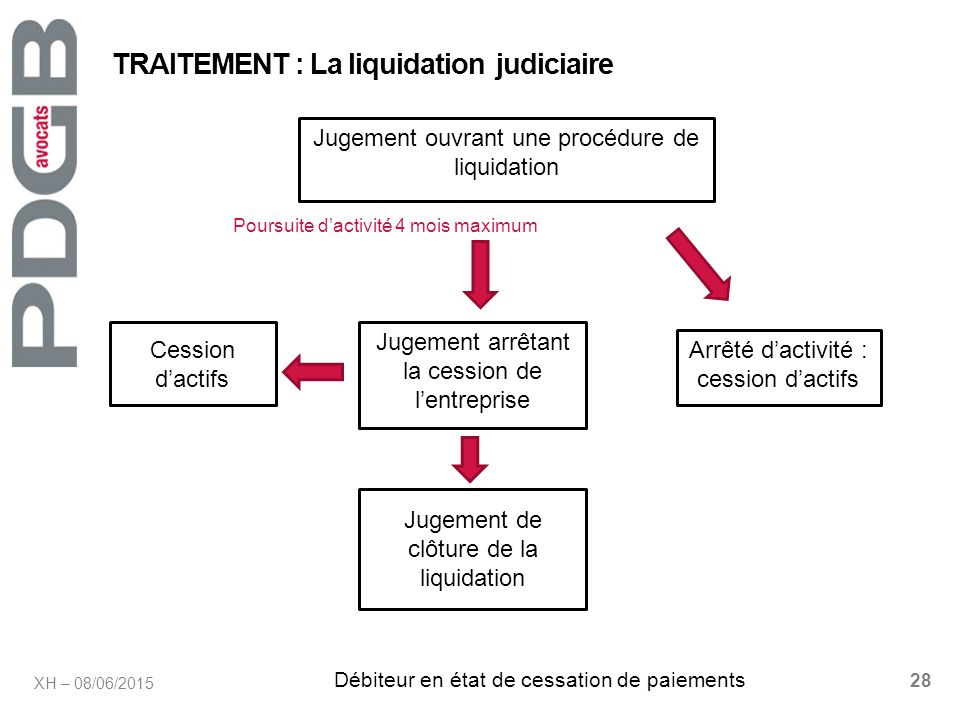
- Initial Assessment: The court reviews the company's financial situation to determine if the redressement judiciaire is viable.
- Hearing: A hearing is held where the company, creditors, and other stakeholders can present their arguments.
- Court Decision: The court decides whether to continue with the redressement judiciaire or convert to liquidation judiciaire.
- Liquidation Process: If the court orders liquidation, a liquidator is appointed to sell off the company's assets and distribute the proceeds to creditors.
- Closure: Once all the assets have been sold and the creditors have been paid (as much as possible), the company is officially closed.
Imagine selling your car. You assess its value, negotiate with potential buyers, and finally sell it to the highest bidder. The money goes to pay off your car loan. The remaining is yours! This is like the liquidator process.
Is it Always Bad News?
While "Jugement de Conversion en Liquidation Judiciaire" sounds like a doom and gloom scenario, it's not always entirely negative. Sometimes, it’s a necessary step to prevent further losses and protect creditors. Think of it as cutting your losses – sometimes it's better to stop digging a hole when you're already deep down.
For example, the directors might try and restructure things, or close the business to avoid greater debts. It can allow everyone to start afresh, either finding new jobs, new opportunities, or in the case of the directors, another business venture!
Key Takeaways: Why This Matters to You
Here’s the key takeaway: "Jugement de Conversion en Liquidation Judiciaire" is a legal process that happens when a company's attempt to recover from financial distress fails. It’s important because it can affect jobs, local businesses, and the overall economy. Understanding this process, even in a simplified way, helps you make informed decisions and understand the economic forces that shape your world. And who knows, maybe one day you'll be on Jeopardy and this knowledge will win you the big prize!
So, next time you hear about a company going into liquidation, you'll know it's not just a random event. It's often the culmination of a long and difficult struggle, and it has real consequences for real people. It’s not just business jargon; it's a glimpse into the fragile ecosystem of the economy and the importance of understanding how it works.
Remember the sinking cake? Sometimes, you just have to throw it away and start fresh. The same applies to businesses. It may seem sad, but it may be the best solution.