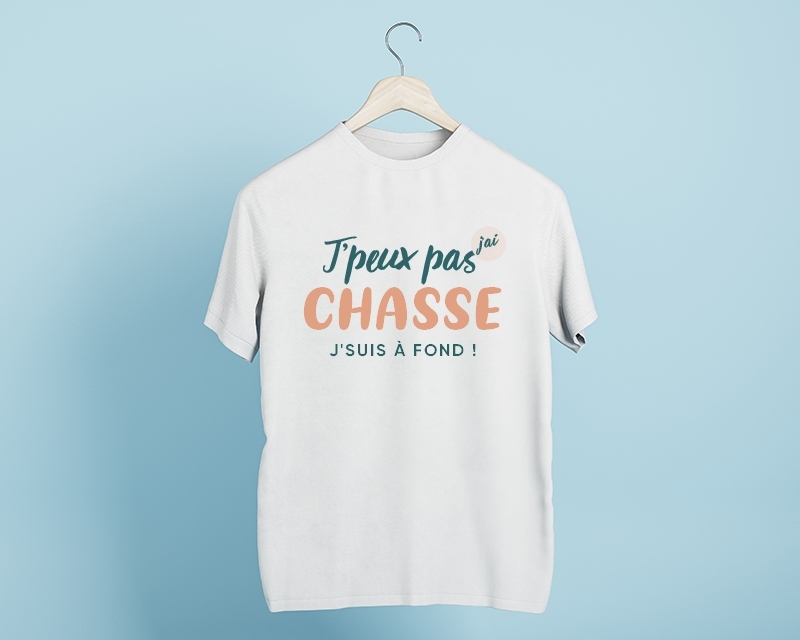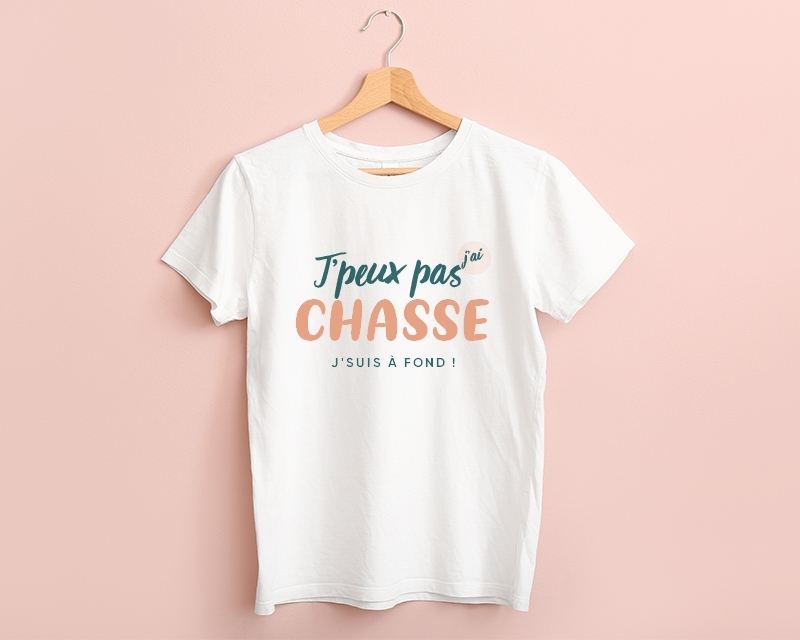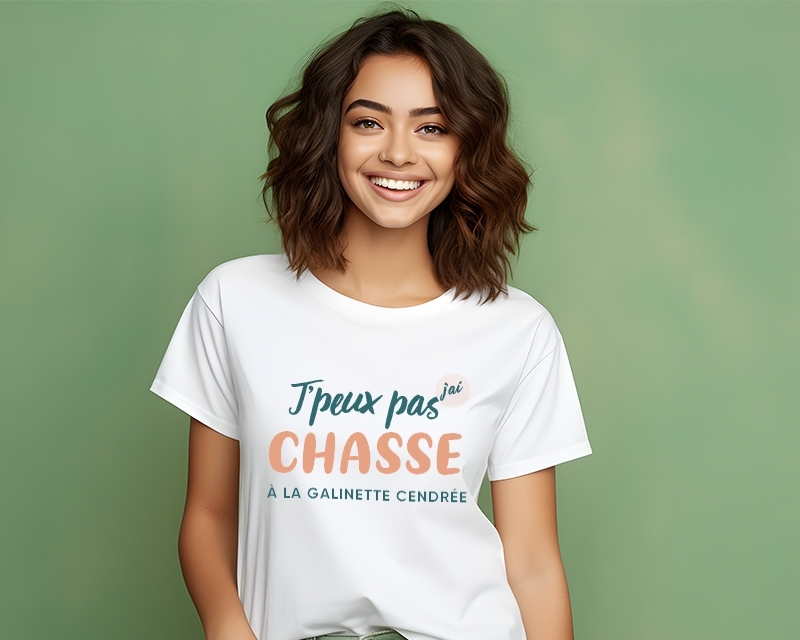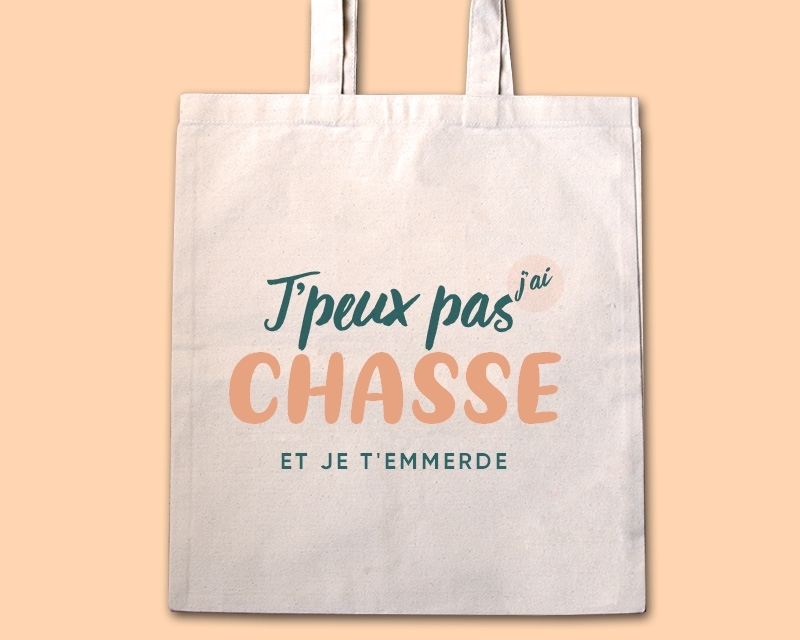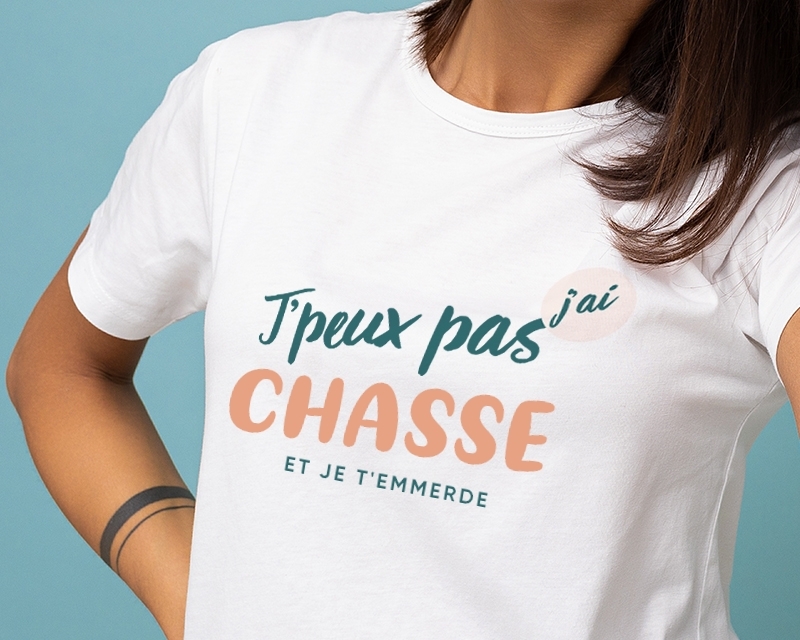
Alright, mes amis, gather 'round! Let me tell you about a phrase that's practically sacré in France, a phrase that trumps all other excuses, a phrase that can clear a calendar faster than you can say "baguette": "Je peux pas, j'ai chasse." Or, for those of you who haven’t brushed up on your Français lately, "I can't, I have hunting."
Now, you might be thinking, "Hunting? Seriously? In this day and age?" Oh, mon ami, you underestimate the power of the chasse. It's more than just shooting at furry (or feathered) things. It's a tradition, a ritual, a way of life for many French people. It's practically woven into the fabric of their being, right up there with complaining about Parisian traffic and arguing over the correct way to eat a croissant.
The Unbreakable Alibi: Why "Je Peux Pas, J'ai Chasse" Works Every Time
Think of "Je peux pas, j'ai chasse" as the ultimate get-out-of-jail-free card. Got a boring work meeting? Chasse! Your mother-in-law wants to visit? Chasse! Your best friend is having a surprise party for his cat's birthday (yes, these exist)? You guessed it: Chasse! It's the Swiss Army knife of excuses, ready to deploy at a moment's notice.
But why is it so effective? Well, a few reasons:
- Respect for Tradition: Questioning someone's hunting trip is like questioning their patriotism… only slightly less serious. It's a cultural faux pas of epic proportions.
- Solidarity Among Hunters: Even if the person you're talking to isn't a hunter, they probably know someone who is, and they understand the unspoken code. To break the chasse is to break the code.
- The "I'm Out in the Wilderness" Card: It implies a certain level of… well, unavailability. No cell service, miles from civilization, battling the elements… it's hard to argue with that. Unless, of course, they post pictures of their "wilderness adventure" on Instagram, which totally ruins the mystique.
Of course, the key to a convincing "Je peux pas, j'ai chasse" is commitment. You have to say it with the gravitas of a Shakespearean actor delivering a soliloquy. Eye contact is crucial. A slight nod of the head. And maybe a subtle whiff of gunpowder… (Okay, maybe not that last one. Unless you actually were hunting. In which case, carry on!).
Behind the Beret: The Real Deal About Hunting in France
So, what's the big deal about hunting anyway? Let's delve a little deeper, shall we? It's not just about blasting away at unsuspecting wildlife (though, let's be honest, that's part of it). It's also about:
- Conservation: Believe it or not, hunting plays a role in managing wildlife populations. In some areas, hunters help control the numbers of certain animals to prevent overpopulation and damage to ecosystems. It's a complicated issue, but there's definitely a method to the madness.
- Community: Hunting is often a social activity, passed down through generations. It's a chance for families and friends to bond, share stories (often highly exaggerated ones involving "the one that got away"), and enjoy the great outdoors.
- Tradition (Again!): I know, I know, I'm hammering this point home, but it's true! Hunting is deeply ingrained in French history and culture. Think about it: French kings used to hunt in the forests of Fontainebleau and Versailles. Okay, maybe they weren't exactly roughing it, but still…
- The Aftermath: Let’s not forget the delicious game dishes that result from a successful hunt. Think of hearty stews, flavorful pâtés, and succulent roasts. All those calories are earned after a long day traipsing through the woods.
Now, I'm not saying everyone in France is a hunter. Far from it! But even those who wouldn't dream of picking up a shotgun understand the importance of la chasse to French culture. It's a tradition that, for better or worse, is here to stay.

The Dos and Don'ts of Using "Je Peux Pas, J'ai Chasse"
Okay, you're intrigued. You're thinking of adding "Je peux pas, j'ai chasse" to your arsenal of excuses. But before you go around canceling all your appointments, let's go over some ground rules:
- DO: Use it sparingly. Overuse will lead to suspicion and ridicule. Remember, subtlety is key.
- DON'T: Use it on your wedding day. Or your anniversary. Or your child's graduation. Just… don't.
- DO: Have a basic understanding of hunting terminology. You don't need to be an expert, but knowing the difference between a "sanglier" (wild boar) and a "lapin" (rabbit) will help your credibility.
- DON'T: Post pictures of yourself at the beach while claiming to be in the wilderness. This is just common sense.
- DO: Be prepared to discuss your "hunting trip" in vague, yet convincing, terms. "Oh, you know, saw some deer, missed a few shots, enjoyed the fresh air…"
- DON'T: Claim to have bagged a unicorn. Keep it realistic, people.
And finally, the most important rule of all:

- DO: Use "Je peux pas, j'ai chasse" responsibly. It's a powerful tool, and with great power comes great responsibility… or at least the responsibility to not get caught in a lie.
A Final Word (Or Two, Or Three…)
So, there you have it. The story of "Je peux pas, j'ai chasse," the phrase that has saved countless French people from unwanted social engagements, tedious tasks, and overly enthusiastic relatives. It's a testament to the enduring power of tradition, the unspoken bonds of community, and the sheer, unadulterated joy of spending a day in the great outdoors… with a loaded shotgun. À bientôt! And remember, if someone asks you to do something you don't want to do, just smile and say, "Je peux pas, j'ai chasse." They'll understand (or at least pretend to).
P.S. I may or may not be writing this article while supposed to be à la chasse. Don't tell anyone.