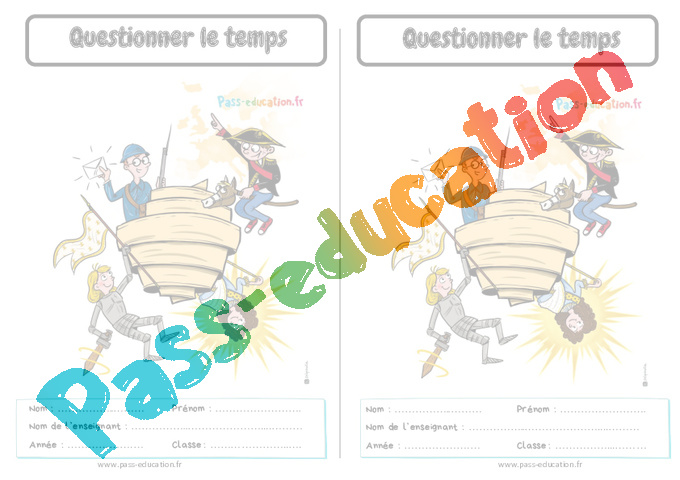
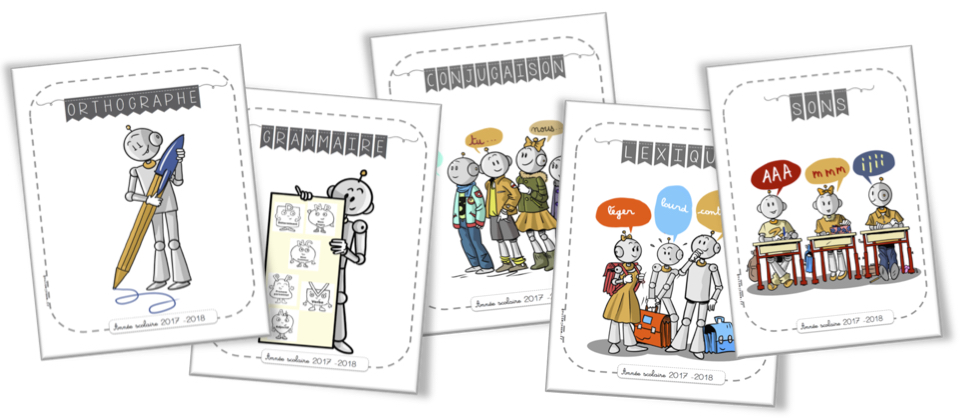
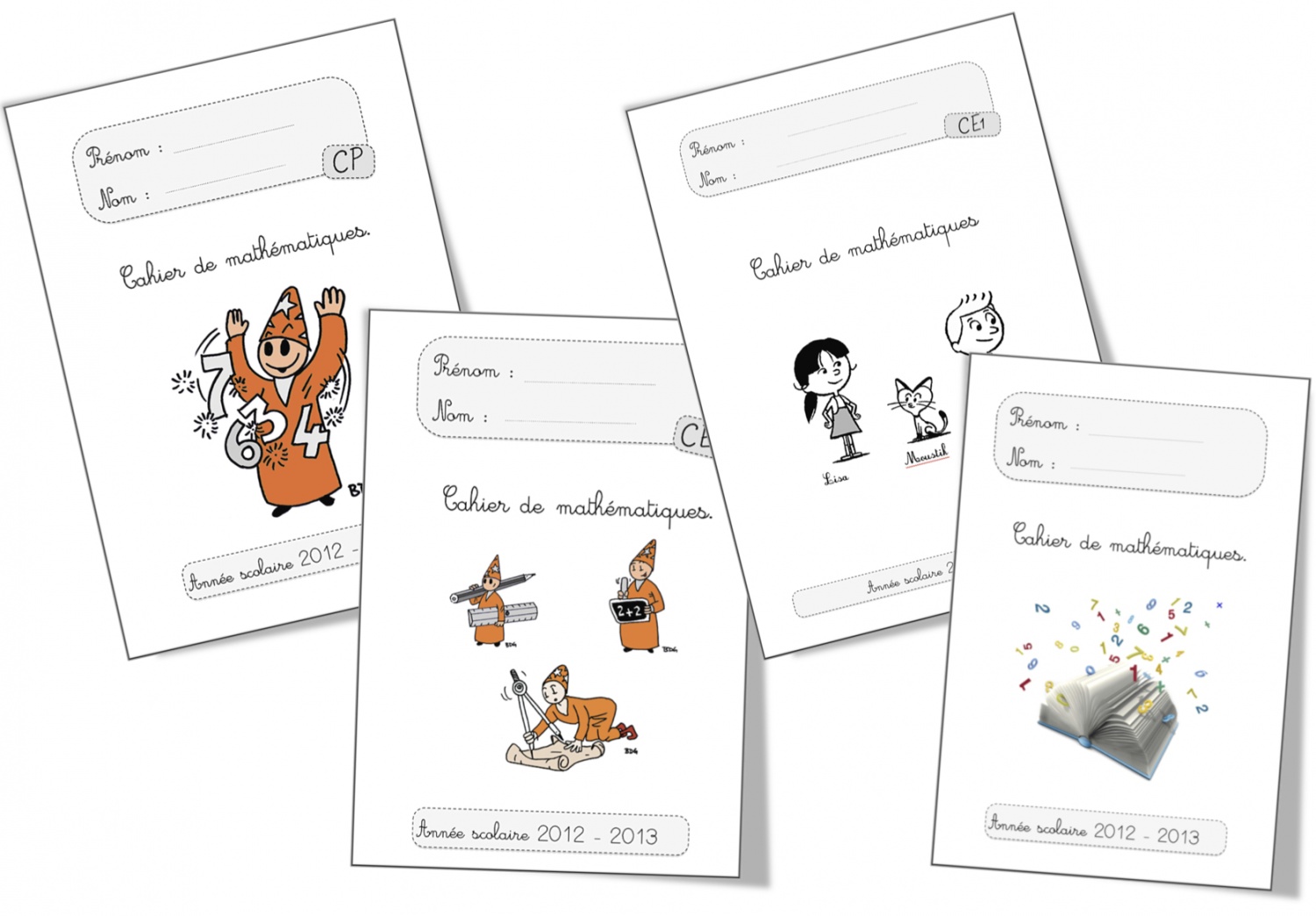
Ah, la France! Land of romance, breathtaking landscapes, and… the dreaded page de garde! For students, this seemingly simple title page can feel like the first hurdle of a marathon. But fear not, mes amis! Let's demystify this French academic ritual and transform it from a source of stress into an opportunity to showcase your personality (in a subtle, academically appropriate way, bien sûr!).
What Exactly Is a Page de Garde?
Simply put, a page de garde is the title page of your assignment. Think of it as the elegant introduction to your masterpiece. It's the first impression you'll make, so it's worth putting a little thought into it. Unlike the flamboyant covers of your favorite magazines (think Elle or Paris Match!), the page de garde is all about clarity and professionalism.
Traditionally, it includes essential information. But the beauty lies in how you present that information. It's like ordering a perfectly brewed café au lait – the ingredients are simple, but the result is exquisite!
Key Elements of a Successful Page de Garde
Here's a breakdown of the must-have elements:
- Nom et Prénom: Your last name and first name. Sounds obvious, but don't forget!
- Numéro d'étudiant (if applicable): Your student ID number. Check your institution's guidelines.
- Nom du cours: The official name of the course you're taking.
- Nom du professeur: The name of your professor (Madame/Monsieur [Last Name]).
- Titre du devoir: The title of your assignment. Be clear and concise. Think Hemingway, not Proust!
- Date de remise: The date you're submitting the assignment.
- Institution: The name of your school or university.
Pro Tip: Many universities have specific templates available. Check your course website or ask your professor to avoid any faux pas.
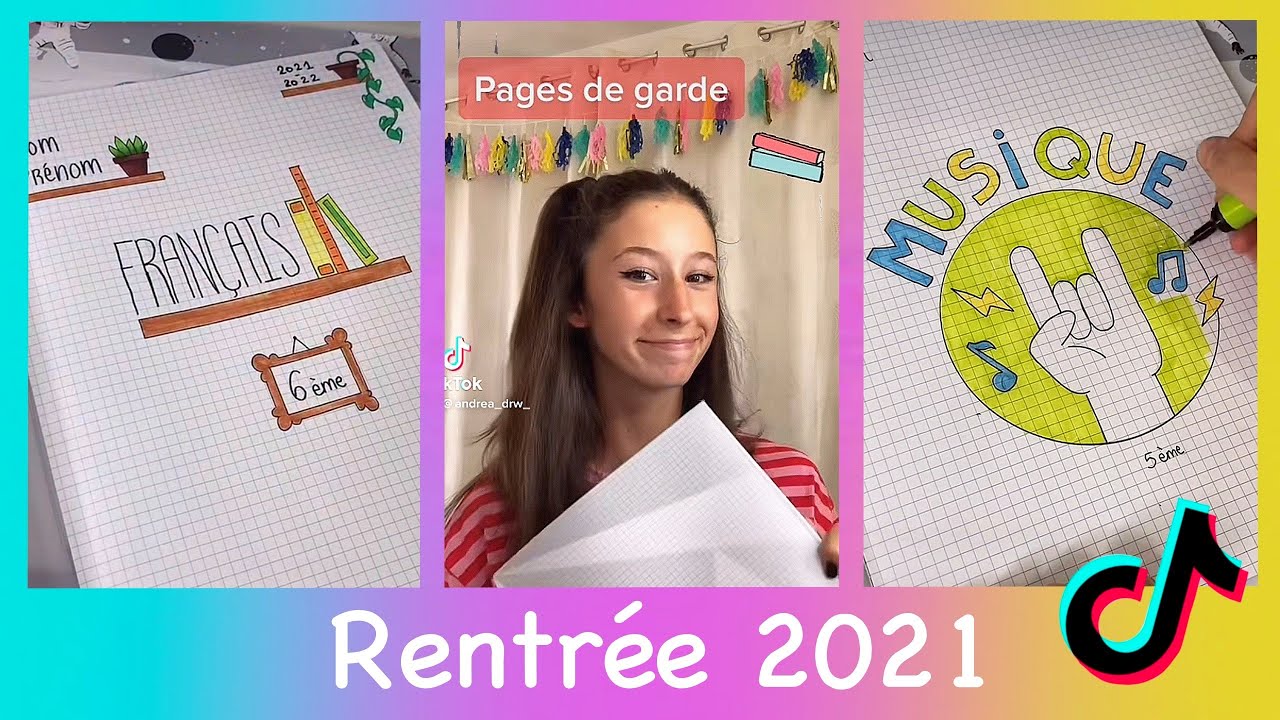
Styling Your Page de Garde: Less is More!
Remember, we're aiming for elegance, not extravagance. Here are some tips to achieve a polished look:
- Font Choice: Stick to classic, readable fonts like Times New Roman, Arial, or Calibri. Think of them as the little black dress of typography – always in style.
- Font Size: Use a consistent font size throughout (e.g., 12pt). Slightly larger for the title is acceptable, but avoid going overboard.
- Layout: Center the information neatly on the page. Imagine a perfectly balanced Monet painting.
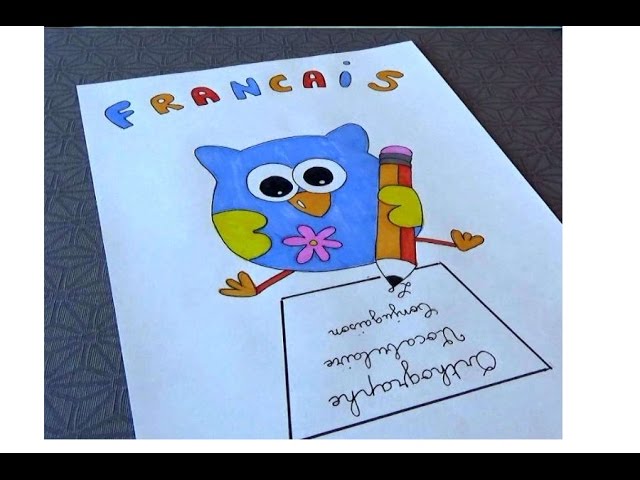
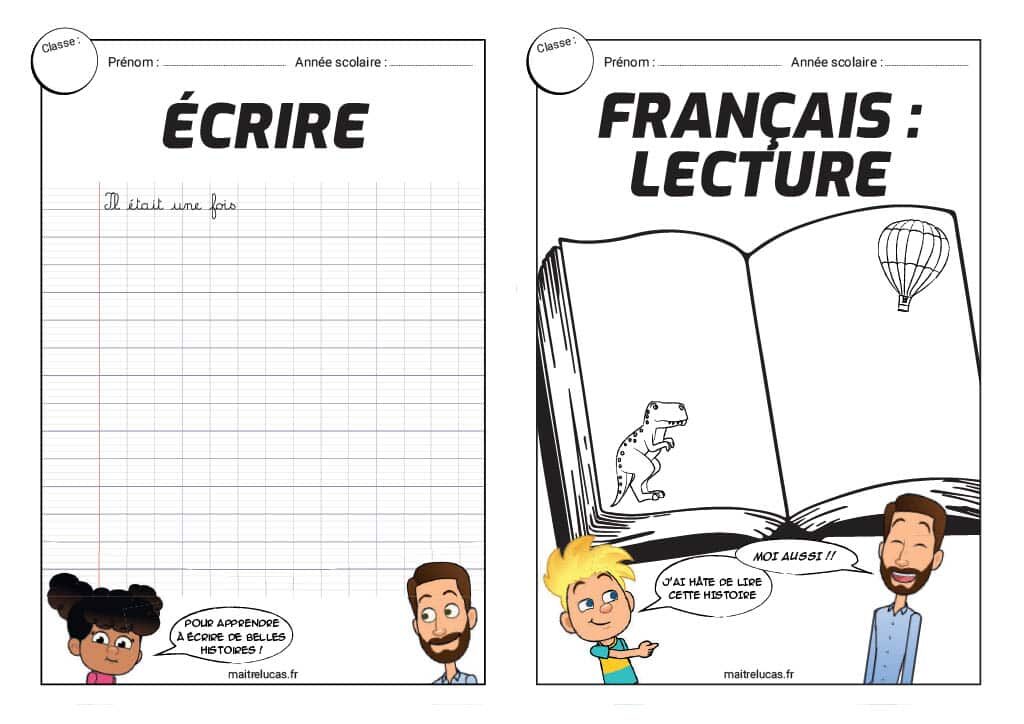
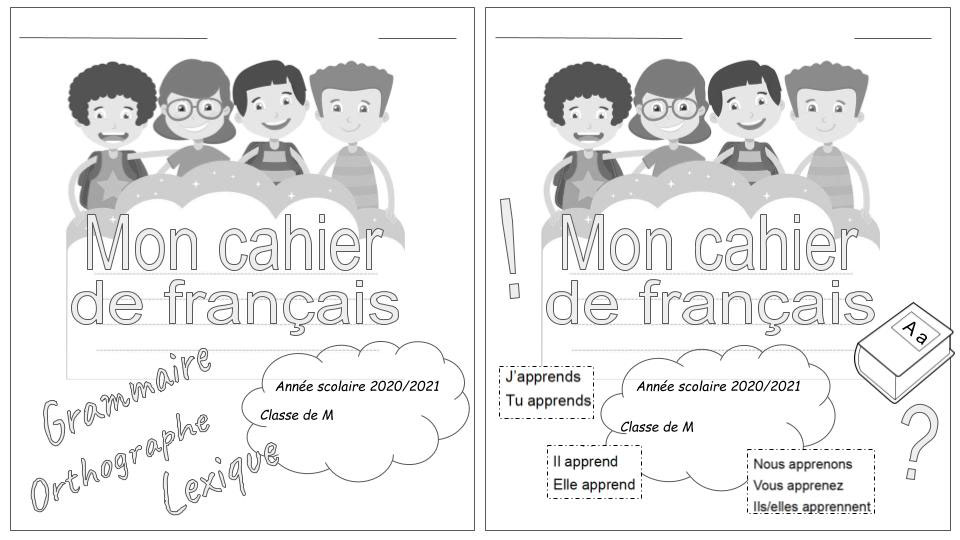
- Avoid Colors and Graphics: Unless explicitly permitted, steer clear of colorful backgrounds, images, or borders. Let the content speak for itself.
- Proofread, Proofread, Proofread! Typos are a cardinal sin. Imagine serving a perfectly cooked soufflé that's deflated – disappointing!
A Touch of French Flair (Without Overdoing It!)
While formality is key, you can subtly inject a bit of your personality. Consider these options (depending on your professor's preferences):

- Adding a subtitle to your assignment: A short, intriguing subtitle can add depth and pique the reader's interest.
- Using a slightly more elegant font (while still maintaining readability): Think Garamond or Palatino.
- Including a brief, relevant quote at the bottom of the page: Perhaps a quote from a French philosopher or writer (translated into French, of course!).
However, always err on the side of caution. When in doubt, simplicity is your best friend.
Fun Fact: Did you know that the French word "garde" comes from the verb "garder," meaning "to keep" or "to protect"? In this context, the page de garde is literally protecting your hard work!
The Bigger Picture
Mastering the page de garde might seem like a small detail, but it reflects a broader approach to academic work: attention to detail, respect for convention, and a commitment to presenting your best self. These are valuable skills that extend far beyond the classroom. Whether you're crafting a presentation at work or writing an important email, taking the time to present your work professionally will always make a positive impact. So embrace the page de garde as a stepping stone towards a more polished and professional you. After all, as Coco Chanel famously said, "Elegance is not the prerogative of those who have just escaped from adolescence, but of those who have already taken possession of their future."