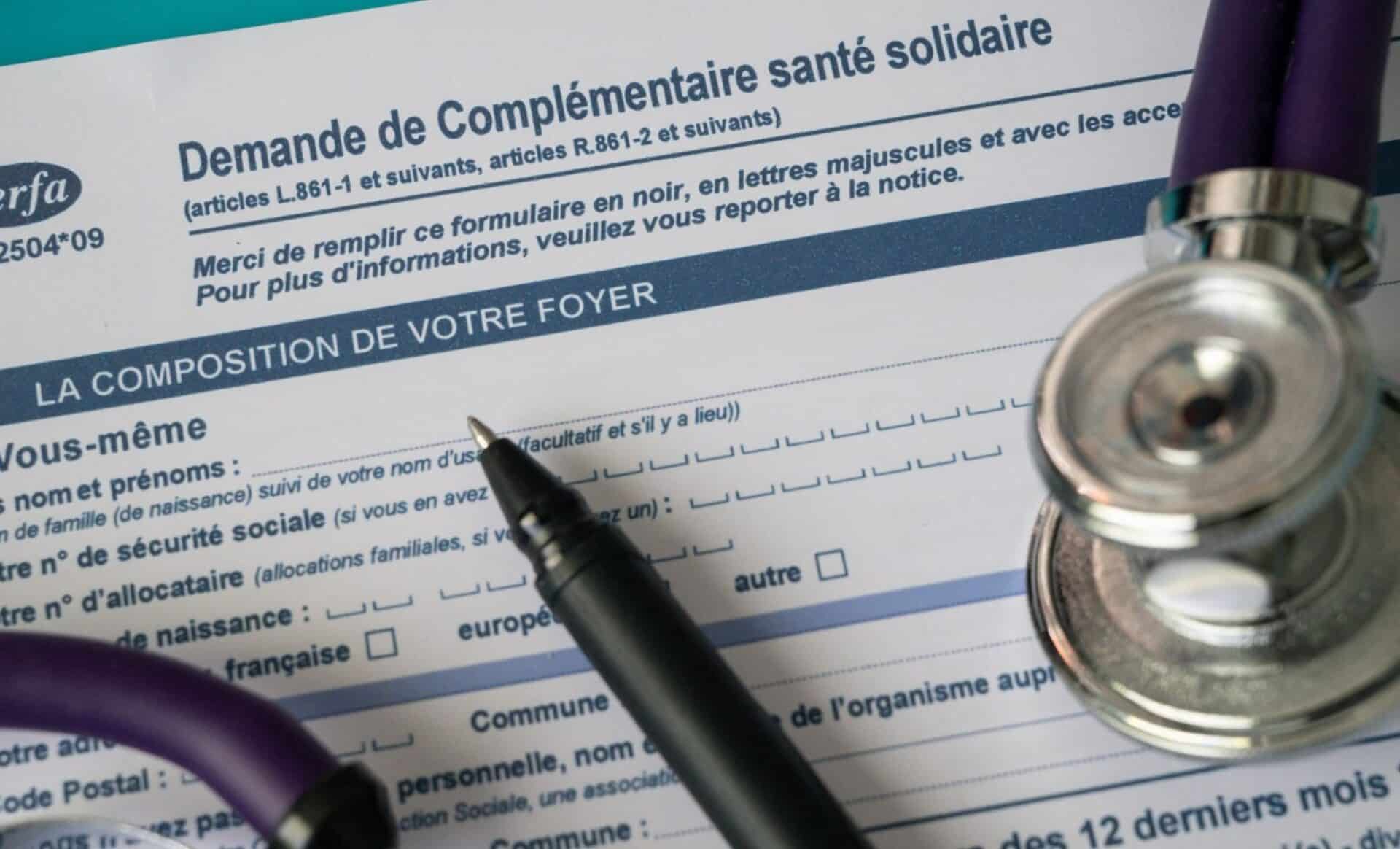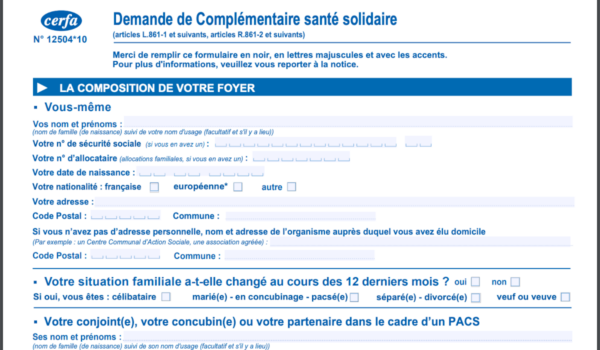
Ah, the "Formulaire S3711 Demande De Complémentaire Santé Solidaire." Just the name itself sounds like a secret code from a James Bond movie, doesn't it? But instead of saving the world, it's saving… well, your wallet when it comes to healthcare costs. And let’s be honest, that’s pretty heroic in its own right.
Decoding the Enigma: What is the S3711, Really?
Okay, so you’ve stumbled upon this mystical document, probably after battling through the labyrinthine website of the Assurance Maladie (the French healthcare system). Don't worry, you're not alone! The S3711 is basically your application form for the Complémentaire Santé Solidaire (CSS). Think of it as your golden ticket to potentially lower healthcare costs. It’s like winning the lottery, except instead of yachts and private islands, you get affordable doctor visits. Still pretty good, right?
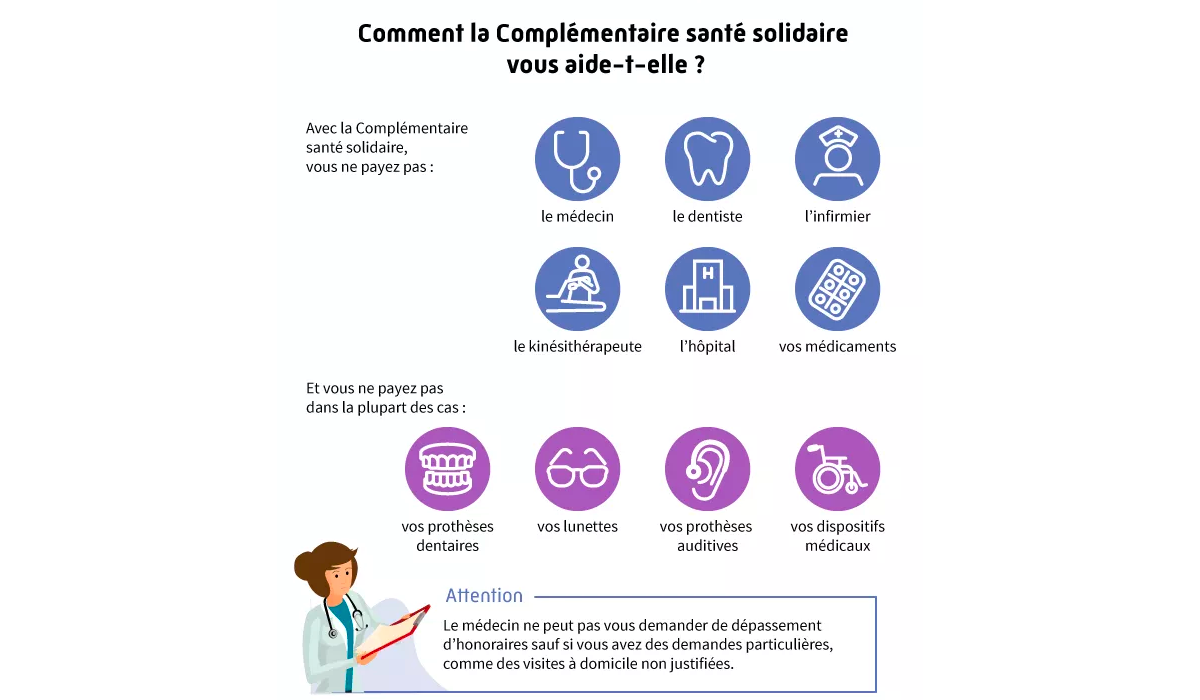
The CSS is a government-sponsored health insurance that helps cover the "ticket modérateur" (the portion of your medical expenses not covered by the basic French healthcare). It can also cover things like dental care, eyeglasses, and other treatments, depending on your income. So, if you’re tired of seeing your bank account weep every time you visit the dentist, this might be your salvation.
Think of the Sécurité Sociale as your primary healthcare insurance. It's the foundation, the bedrock upon which your healthcare coverage is built. But sometimes, that bedrock needs a little extra support, a financial boost to truly cover all your needs. That's where the CSS comes in, acting as your secondary insurance to fill in the gaps left by the Sécu. It’s like having Batman and Robin, a dynamic duo fighting against the evil villains of expensive medical bills!
Who Can Brave the S3711 and Claim the CSS Prize?
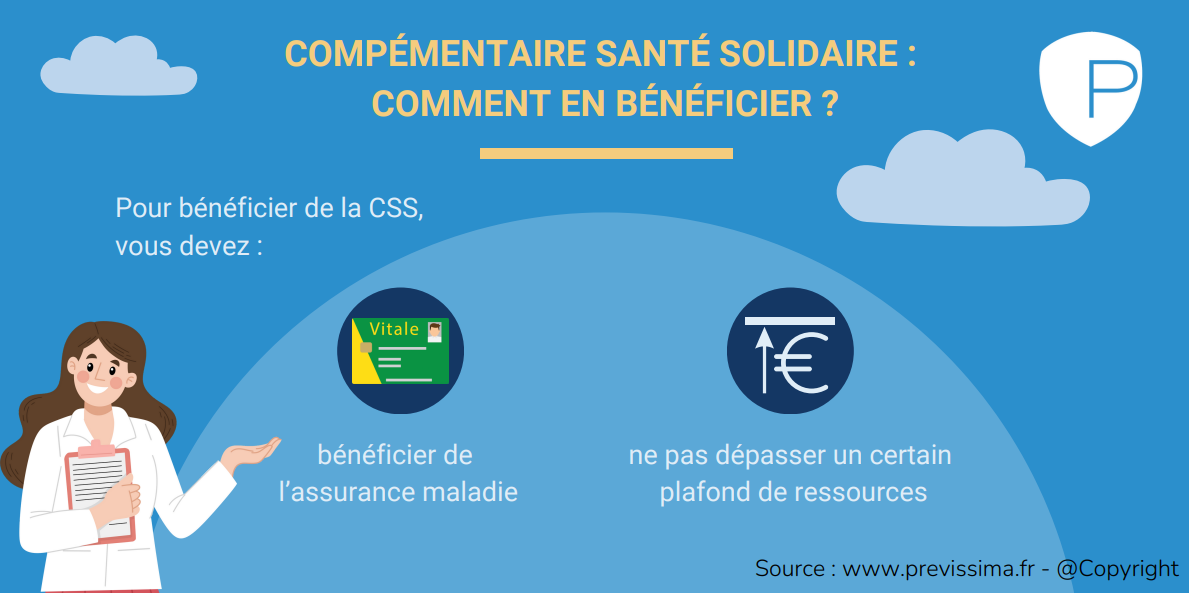
Not everyone can just waltz in and demand the CSS. There are a few hurdles to jump over, income-related hurdles, to be exact. Basically, if your income is below a certain threshold (which varies depending on the size of your household), you're in the running! It’s like a real-life game show, where the prize is financial peace of mind regarding your health.
Here’s a quick rundown of the criteria:
- Residency: You need to be residing in France in a stable and regular manner. This means you're not just here on a whirlwind tour of the Eiffel Tower and croissant shops (tempting as that may be). You need to be a proper resident with the required paperwork to prove it.
- Income: This is the big one. Your income needs to be below the threshold. The exact figures change regularly, so make sure you check the official Assurance Maladie website for the latest information. It's like chasing a moving target, but worth it if you succeed!
- Affiliation to the Sécurité Sociale: You need to be covered by the French national health insurance system. You can't just show up from another planet and demand coverage (though, wouldn't that be interesting?).
If you meet these criteria, congratulations! You're officially eligible to embark on the S3711 adventure. Now, let's prepare for battle!
Conquering the Form: A Step-by-Step Guide (with Humorous Detours)
Okay, deep breaths. The S3711 might look intimidating at first glance, but we can break it down into manageable chunks. Think of it as eating an elephant… one bite at a time. (Disclaimer: please don't actually eat an elephant).
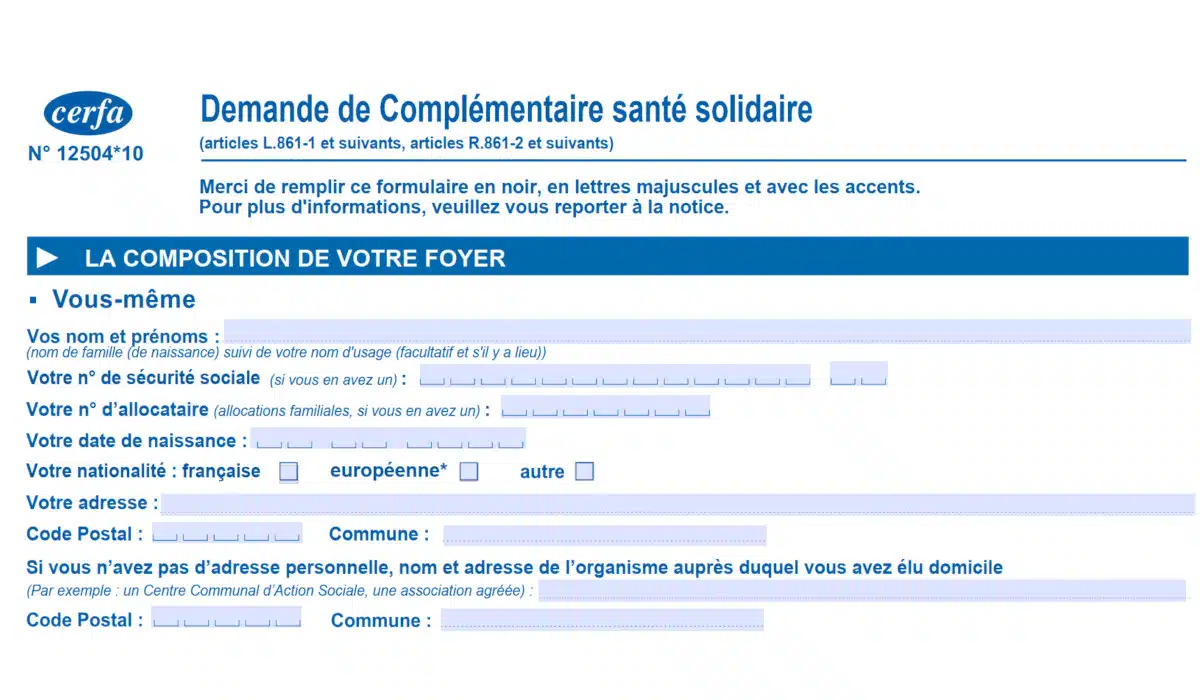
Section 1: Identification – Who Are You, Really?
This section is all about you. Your name, your address, your social security number (the famous numéro de sécurité sociale). Basically, all the stuff that proves you are who you say you are. It’s like a digital fingerprint, only on paper.
- Carefully fill in all the required fields. Double-check your spelling! A misplaced letter could send your application into the bureaucratic abyss. Imagine your file being eternally lost in a government archive filled with other misplaced documents. A truly terrifying thought!
- Make sure your information matches what's on your carte vitale (your health insurance card). Discrepancies can cause delays, and nobody wants that. It’s like showing up to a party with the wrong invitation. Awkward!
- If you have a partner or dependents, you'll need to provide their information as well. It's a family affair! The more, the merrier (and potentially, the more financial aid).
Section 2: Resources – Show Me the Money (or Lack Thereof)
This is where things get a bit more… personal. You'll need to declare all your income and assets. This includes salaries, pensions, unemployment benefits, and even any money you have stashed away in a piggy bank (okay, maybe not the piggy bank, but you get the idea). It’s like having to confess your deepest financial secrets to a piece of paper.
- Be honest! Trying to hide income is a bad idea. The French authorities have ways of finding out. Trust me, you don't want to mess with the tax man (or woman). They are not known for their sense of humor.
- Include all sources of income, even if they seem insignificant. Every little bit counts (or, in this case, gets counted). It’s like trying to assemble a puzzle – you need all the pieces, even the tiny ones, to get the full picture.
- Gather all your supporting documents, such as pay slips, bank statements, and tax returns. Proof is key! It’s like showing your credentials to get into an exclusive club. Only this club gets you cheaper healthcare.
Remember, the period they are interested in is usually the 12 months preceding your application. Get ready to dive into your archives and piece together your financial life from the past year. It’s like an archeological dig, but instead of dinosaur bones, you’re unearthing old bank statements. Exciting, right?
Section 3: Declaration – Pinky Swear You're Telling the Truth
This is where you solemnly declare that everything you've written is true and accurate to the best of your knowledge. It's like taking an oath in court, except the judge is a form. So, think carefully about what you write!
- Read the declaration carefully before signing. Make sure you understand what you're agreeing to. It’s like reading the terms and conditions before clicking "I agree." A crucial step that many people skip, but really shouldn’t.
- Sign and date the form. An unsigned form is as useless as a chocolate teapot. It’s the final touch that makes it official.
Section 4: Supporting Documents – The Evidence Locker
This is where you gather all the necessary documents to support your application. Think of it as building a case to prove your eligibility for the CSS. The stronger the evidence, the better your chances of success. It’s like preparing for a debate – you need to have all your facts straight and your arguments well-supported.
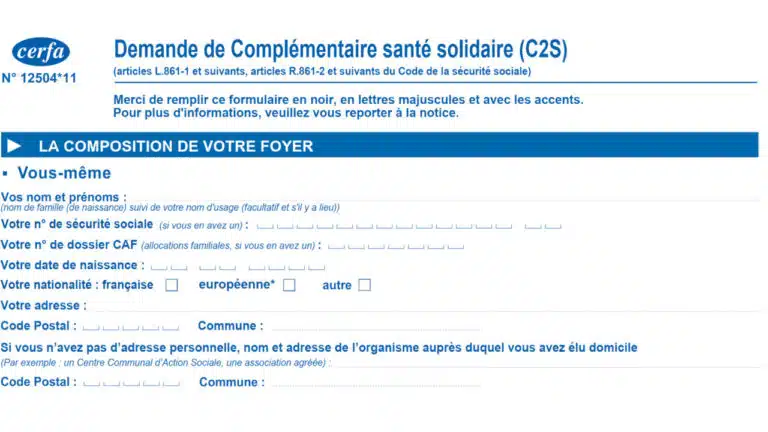
Typical supporting documents include:
- Proof of identity (ID card, passport, etc.) Show them who you are! It’s like presenting your credentials to enter a secret society (again, only this society gets you cheaper healthcare).
- Proof of residency (utility bill, rent receipt, etc.) Prove you actually live in France! It’s like showing your address to prove you're not a tourist.
- Proof of income (pay slips, bank statements, tax returns, etc.) Show them the money (or lack thereof)! It’s like presenting your financial records to prove you’re eligible for a loan (except, in this case, the loan is healthcare coverage).
- Proof of affiliation to the Sécurité Sociale (carte vitale, attestation de droits, etc.) Show them you're part of the French healthcare system! It’s like showing your membership card to enter a club.
- Any other documents that may be relevant to your application. If you're unsure, it's always better to include extra documents than to leave something out. It’s like packing for a trip – better to have too much than too little.
Submitting the Beast: Where to Send Your S3711
Once you've filled out the form and gathered all your supporting documents, it's time to submit it. This can be done in a few different ways:
- By mail: Send your application to your local Caisse Primaire d'Assurance Maladie (CPAM). You can find the address on their website. It’s like sending a message in a bottle, hoping it reaches its destination safely.
- In person: You can drop off your application at your local CPAM office. This is a good option if you want to ask any questions or get confirmation that your application has been received. It’s like delivering a package directly to the recipient, ensuring it gets there safely.
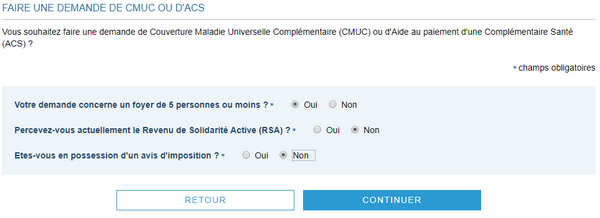
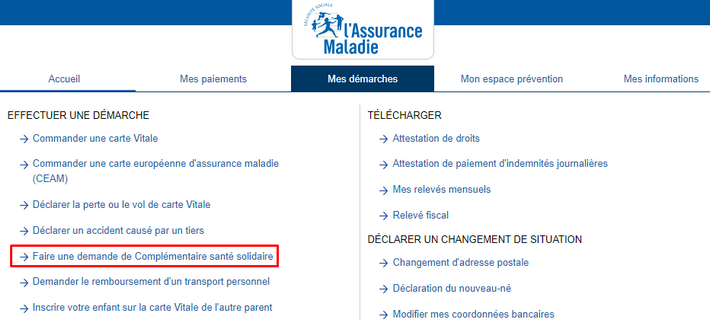
- Online: In some cases, you may be able to submit your application online through your Ameli account (your online account with the Assurance Maladie). This is the most convenient option, but it's not always available. It’s like sending an email – fast, efficient, and environmentally friendly.
No matter how you choose to submit your application, make sure you keep a copy for your records. You never know when you might need it. It’s like backing up your computer – just in case something goes wrong.
The Waiting Game: Patience is a Virtue (Especially with Bureaucracy)
After submitting your application, all you can do is wait. And wait. And wait some more. The French bureaucracy is not known for its speed. It’s like watching paint dry, only slightly more stressful.
The processing time can vary depending on several factors, such as the complexity of your application and the workload of your local CPAM. Generally, you can expect to wait a few weeks, or even a few months, to receive a decision. Don't panic if you don't hear back immediately. It's all part of the process.
During this time, you can check the status of your application online through your Ameli account or by contacting your local CPAM. But be prepared to be patient. It's like waiting for a package to arrive – you can track its progress, but you can't make it arrive any faster.
The Grand Finale: Approval or Rejection – What Happens Next?
Finally, the moment of truth arrives. You receive a letter (or an email) from the CPAM informing you of their decision. It's like opening a fortune cookie – will it be good news or bad news?
- If your application is approved: Congratulations! You are now covered by the CSS. You'll receive a new attestation de droits (proof of rights) which you can use to show to healthcare professionals. Enjoy the benefits of cheaper healthcare! It’s like winning the lottery (again, but with cheaper healthcare instead of yachts).
- If your application is rejected: Don't despair! You have the right to appeal the decision. The letter will explain the reasons for the rejection and the steps you can take to appeal. It’s like losing a battle, but not the war. You can regroup, gather new evidence, and fight again.
If you choose to appeal, make sure you do so within the timeframe specified in the letter. Gather any additional documents that may support your case and write a clear and concise letter explaining why you believe the decision was wrong. It’s like preparing for a second trial – you need to be even more prepared than before.
Tips and Tricks for Navigating the S3711 Maze
To make the S3711 process as smooth as possible, here are a few tips and tricks:
- Start early: Don't wait until the last minute to fill out the form and gather your documents. Give yourself plenty of time to complete the process. It’s like preparing for a marathon – you need to train well in advance.
- Read the instructions carefully: Make sure you understand what each section of the form is asking for. It’s like following a recipe – if you skip a step, the dish might not turn out right.
- Be organized: Keep all your documents in one place so you can easily find them when you need them. It’s like having a well-organized filing system – it makes everything easier to find.
- Don't be afraid to ask for help: If you're unsure about something, don't hesitate to contact your local CPAM or a social worker for assistance. They are there to help you. It’s like asking for directions when you're lost – it's better than wandering around aimlessly.
- Be patient: The French bureaucracy can be slow and frustrating, but don't give up. Keep following up on your application and eventually, you'll get a decision. It’s like climbing a mountain – it's challenging, but the view from the top is worth it.
CSS and the World of Work: The "Prime d'activité" Consideration
Navigating the CSS application can get particularly tricky when you're receiving the Prime d'activité (an income supplement for low-income workers). Here's why:
- Prime d'activité and CSS Eligibility: The Prime d'activité counts as income. This means it will be factored into the income calculation that determines your eligibility for the CSS. Depending on the amount of Prime d'activité you receive, it could push you over the income threshold, making you ineligible.
- Declaration Requirements: When filling out the S3711 form, you must declare the Prime d'activité you receive. Hiding it is not an option, and as mentioned before, honesty is always the best policy (especially with the French authorities).
- Impact of Variations: The Prime d'activité can fluctuate depending on your income and family situation. These variations can affect your CSS eligibility from month to month. It's important to monitor your income and report any significant changes to the CPAM.
- Justification and Documentation: It's highly recommended to keep detailed records of your Prime d'activité payments and provide supporting documentation (e.g., CAF statements) with your S3711 application. This helps ensure accurate assessment of your income and avoids potential delays or misunderstandings.
Think of it this way: the Prime d'activité is like that one friend who always brings a dish to the potluck… but sometimes it’s too much and throws off the entire balance of the meal. It's important to know exactly what that dish contains (and how much of it there is) when calculating the overall cost of the feast (your healthcare coverage).
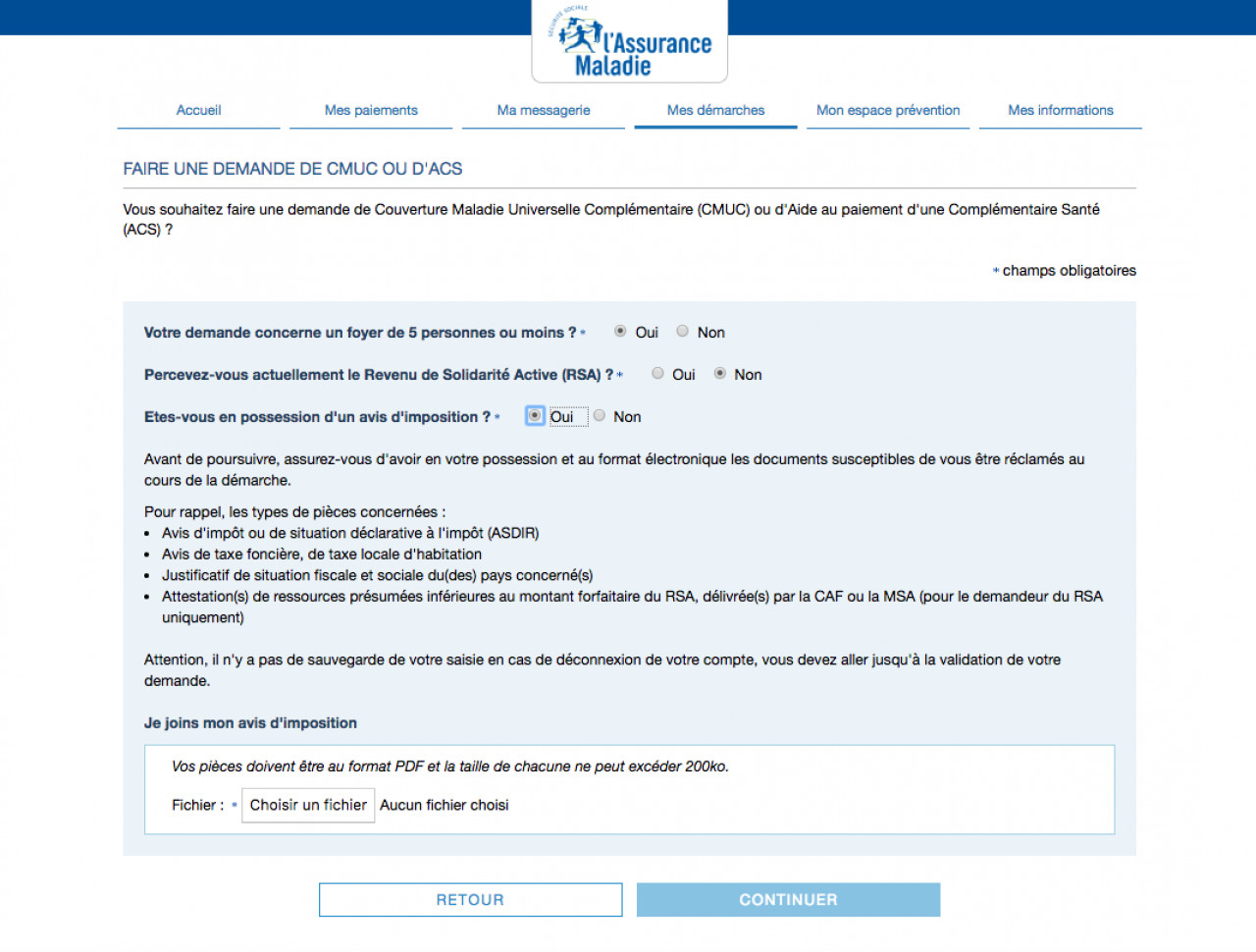
The Digital Frontier: Online Application via Ameli
While the S3711 form itself might seem like a relic of the paper age, the Assurance Maladie is slowly but surely embracing the digital world. The Ameli website and app offer an increasingly convenient way to manage your healthcare information and, in some cases, even apply for the CSS online.
Here's what you need to know about the online application process:
- Ameli Account: You'll need to have an active Ameli account to apply online. If you don't have one already, you can create one on the Ameli website using your numéro de sécurité sociale and other personal information. Think of it as your digital key to the kingdom of French healthcare.
- Availability: The online application option isn't available to everyone in every situation. It often depends on your specific circumstances and the policies of your local CPAM. Check the Ameli website or app to see if the online option is available to you.
- Simplified Process: The online application process is generally more streamlined than the paper-based one. The system will often pre-fill certain information based on your existing records, saving you time and effort. It’s like having a personal assistant fill out the boring parts of the form for you.
- Document Upload: You'll likely still need to upload supporting documents electronically. Make sure you have clear, high-quality scans or photos of your documents ready to go. Think of it as assembling a digital scrapbook to prove your eligibility.
- Tracking and Communication: The Ameli platform allows you to track the progress of your application and communicate with the CPAM electronically. This can be a more efficient way to stay informed than waiting for snail mail. It’s like having a direct line to the CPAM, without the hold music.
While the online application isn't a magic bullet that eliminates all bureaucratic headaches, it can certainly make the S3711 journey a little less daunting. It's worth checking out to see if it's an option for you.
The Fine Print: Important Considerations and Caveats
Before you rush off to conquer the S3711, here are a few more things to keep in mind:
- Renewal: The CSS isn't a lifetime entitlement. You'll need to renew your application periodically (usually every year) to maintain your coverage. The CPAM will send you a reminder when it's time to renew. Don't ignore it! It’s like remembering to water your plants – if you neglect them, they'll wither and die.
- Changes in Circumstances: If your income or family situation changes significantly during your CSS coverage period, you're obligated to inform the CPAM. This could affect your eligibility and the amount of coverage you receive. It’s like telling your gym you won’t be coming as often – you don’t want to keep paying for services you aren’t using!
- Fraud and Misrepresentation: Providing false or misleading information on your S3711 application can have serious consequences, including fines and even legal action. Don't even think about it! It’s like trying to cheat on a test – you might get away with it for a while, but eventually you'll get caught.
- Complementary Coverage: Even with the CSS, you might still want to consider purchasing additional complementary health insurance to cover expenses that aren't fully reimbursed. This is especially true if you have significant healthcare needs. It’s like adding extra toppings to your pizza – it makes it even better!
Conclusion: The S3711 – A Necessary Evil (or a Sweet Savior?)
So, there you have it – a (hopefully) humorous and informative guide to the "Formulaire S3711 Demande De Complémentaire Santé Solidaire." It might seem like a daunting task, but with a little patience, perseverance, and a good sense of humor, you can conquer it and potentially save yourself a lot of money on healthcare costs. Just remember to double-check everything, be honest, and don't be afraid to ask for help.
And if you ever feel overwhelmed by the French bureaucracy, just remember: you're not alone. We've all been there. Just take a deep breath, pour yourself a glass of wine, and remember that even the most complicated systems can be navigated with a little bit of wit and determination. Now go forth and fill out that S3711 like a boss! And if all else fails, blame it on the cat. It always works.