Okay, so picture this: You're 11, maybe 12. It's a rainy Tuesday. Madame Dubois is droning on about the relative merits of Victor Hugo (again!). And then BAM! Homework explosion: "Exposé sur un héros!" A hero? Really? At this age, your heroes are probably footballers or that kid who can chug a soda in five seconds flat. (Hey, no judgment!). But suddenly, you have to write a serious presentation about someone... heroic. Panic sets in. Been there, done that.
But fear not, young Padawan! That dreaded exposé doesn't have to be a total nightmare. In fact, it can actually be... dare I say it... interesting? Let's break down this "héros" thing and figure out how to nail that 5ème grade presentation.
Qu'est-ce Qu'un "Héros," Anyway?
First things first: what even is a hero? Is it someone who wears a cape? (Probably not for a 5ème grade exposé, unless you're doing Batman – and even then, approach with caution!). Think broader. A hero can be:
- Someone brave: They face a scary situation head-on.
- Someone selfless: They put others' needs before their own. Think firefighters, doctors, volunteers... you get the idea.
- Someone who overcomes adversity: They face challenges and come out stronger.
- Someone who inspires others: They motivate people to be better versions of themselves.
- Someone who stands up for what's right: They fight against injustice, even when it's difficult. This is HUGE.
See? Not all heroes wear capes. Some wear stethoscopes. Some wear… well, normal clothes while changing the world. (Looking at you, Greta Thunberg!).
Side note: Avoid clichés! Superman is tempting, but your teacher has probably seen a million Superman exposés. Let's get creative!
Choisir Ton Héro(ïne)
This is where it gets fun! Think outside the box. Here are some ideas to get the brainstorming flowing:
Historical Figures (But With a Twist!)
Yes, you could do Napoleon. But maybe try focusing on a lesser-known aspect of his life, or even better, pick someone less obvious!
- Marie Curie: Beyond the Nobel Prizes, she faced sexism and prejudice in the scientific community. Focus on her resilience.
- Nelson Mandela: His fight against apartheid is incredibly powerful. But instead of rehashing his biography, focus on a specific moment of courage or a particular speech.
- Rosa Parks: A simple act of defiance changed history. Analyze the significance of her protest on the bus.
Pro-tip: Don't just regurgitate information. Analyze! What makes them a hero in your opinion? Why is their story important today?
Contemporary Heroes (More Relevant to Your Life!)
These are the people making a difference right now. This can be super engaging for your audience!

- Malala Yousafzai: Her fight for girls' education is incredibly inspiring.
- Greta Thunberg: Her activism on climate change has sparked a global movement. (But remember, present a balanced view, even if you admire her. Acknowledge different perspectives.)
- Local heroes: Is there someone in your community who's making a difference? A volunteer at an animal shelter? A teacher who goes above and beyond? Interview them! This will make your exposé unique and personal.
Remember: Even "ordinary" people can be heroes. It's about their actions and their impact.
Fictional Characters (Use Sparingly!)
Okay, so I said avoid Superman... but thoughtful analysis of a fictional character can work. But you need to go deep!
- Katniss Everdeen (The Hunger Games): She's brave, resourceful, and fights against oppression. But analyze her flaws too. Complex characters are more interesting.
- Harry Potter: Beyond the magic, he's a symbol of hope and resilience. Focus on his courage and his willingness to sacrifice himself for others.
Warning! Don't just summarize the plot of the book/movie. Analyze the character's heroic qualities and how they develop throughout the story.
La Recherche: Finding the Goods
Once you've chosen your hero, it's time to dig in! Good research is key.
- Books: Libraries are your friend!
- Reliable Websites: Wikipedia can be a starting point, but always double-check the information with other sources. Look for reputable news organizations, academic journals, and official biographies.
- Documentaries: Visuals are great!
- Interviews: If possible, try to interview someone who knows your hero (or knows about them). This can add a personal touch to your exposé.
Important! Cite your sources! Plagiarism is a big no-no. Your teacher will appreciate the effort you put into properly crediting your information.
Structuring Your Exposé: Making It Flow
Okay, you've got your research. Now it's time to organize it! Here's a basic structure:
Introduction
- Grab the audience's attention! Start with an interesting fact, a quote, or a question.
- Introduce your hero and briefly explain why you chose them.
- State your thesis statement: What is the main point you're trying to make about your hero? (e.g., "Malala Yousafzai is a hero because she bravely advocates for girls' education despite facing immense danger.")
Body Paragraphs
- Each paragraph should focus on a specific aspect of your hero's life or their heroic qualities.
- Provide evidence to support your claims! Use quotes, examples, and anecdotes from your research.
- Analyze the evidence! Explain why it's important and how it relates to your thesis statement.
Conclusion
- Summarize your main points.
- Restate your thesis statement in a new way.
- Leave the audience with a lasting impression. Why is your hero's story still relevant today? What can we learn from them?
Remember: Keep it clear and concise! Use simple language and avoid jargon. Your teacher isn't looking for a PhD thesis. They want to see that you understand the material and can communicate it effectively.

Présentation Orale: Show Time!
The presentation itself can be nerve-wracking, but preparation is key!
- Practice, practice, practice! Rehearse your presentation out loud until you feel comfortable with the material.
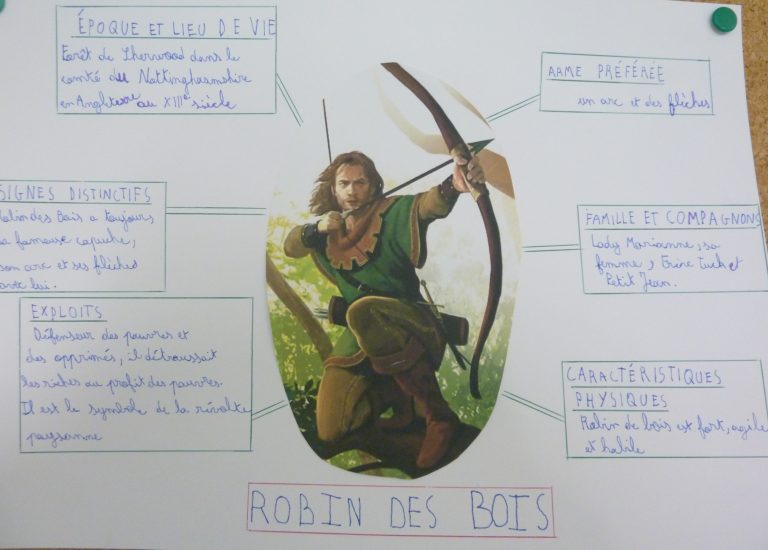
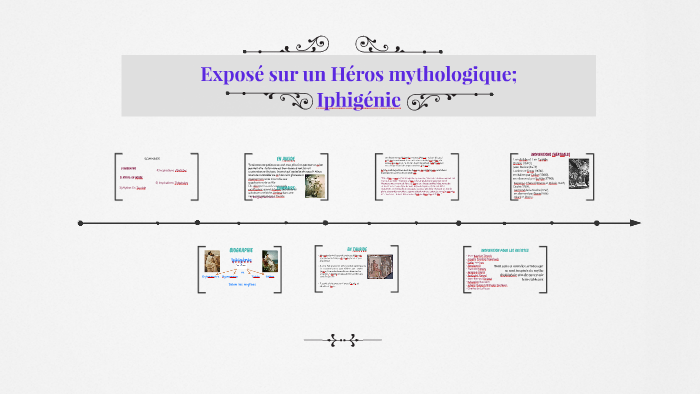
- Use visuals! A poster, a slideshow, or even just a few images can help keep the audience engaged.
- Speak clearly and confidently! Make eye contact with your audience.
- Be enthusiastic! If you're passionate about your topic, your audience will be too.
Bonus Tip: Anticipate questions! Think about what your teacher and classmates might ask, and prepare your answers in advance.
The "Wow" Factor: Going the Extra Mile
Want to really impress your teacher? Here are some ideas to take your exposé to the next level:
- Original Research: Conduct an interview, write a poem, or create a piece of artwork inspired by your hero.
- Multimedia: Incorporate audio or video clips into your presentation.
- Connect to Current Events: How does your hero's story relate to issues that are happening in the world today?
- Show Enthusiasm: Passion is contagious!
Final Thought: An exposé sur un héros is more than just a homework assignment. It's an opportunity to learn about someone who has made a difference in the world and to inspire others to do the same. So embrace the challenge, choose a hero you're passionate about, and have fun with it! Bonne chance!