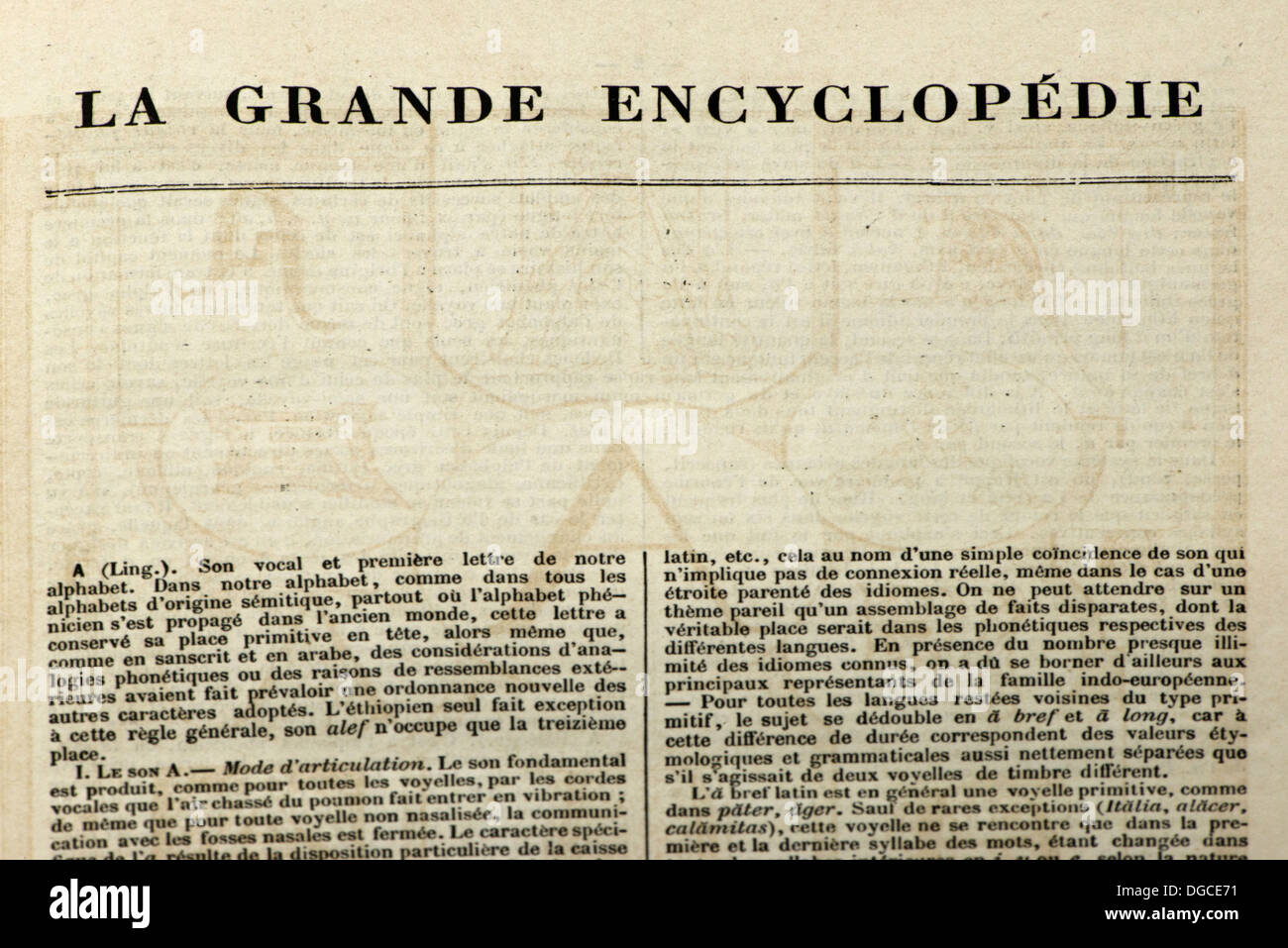
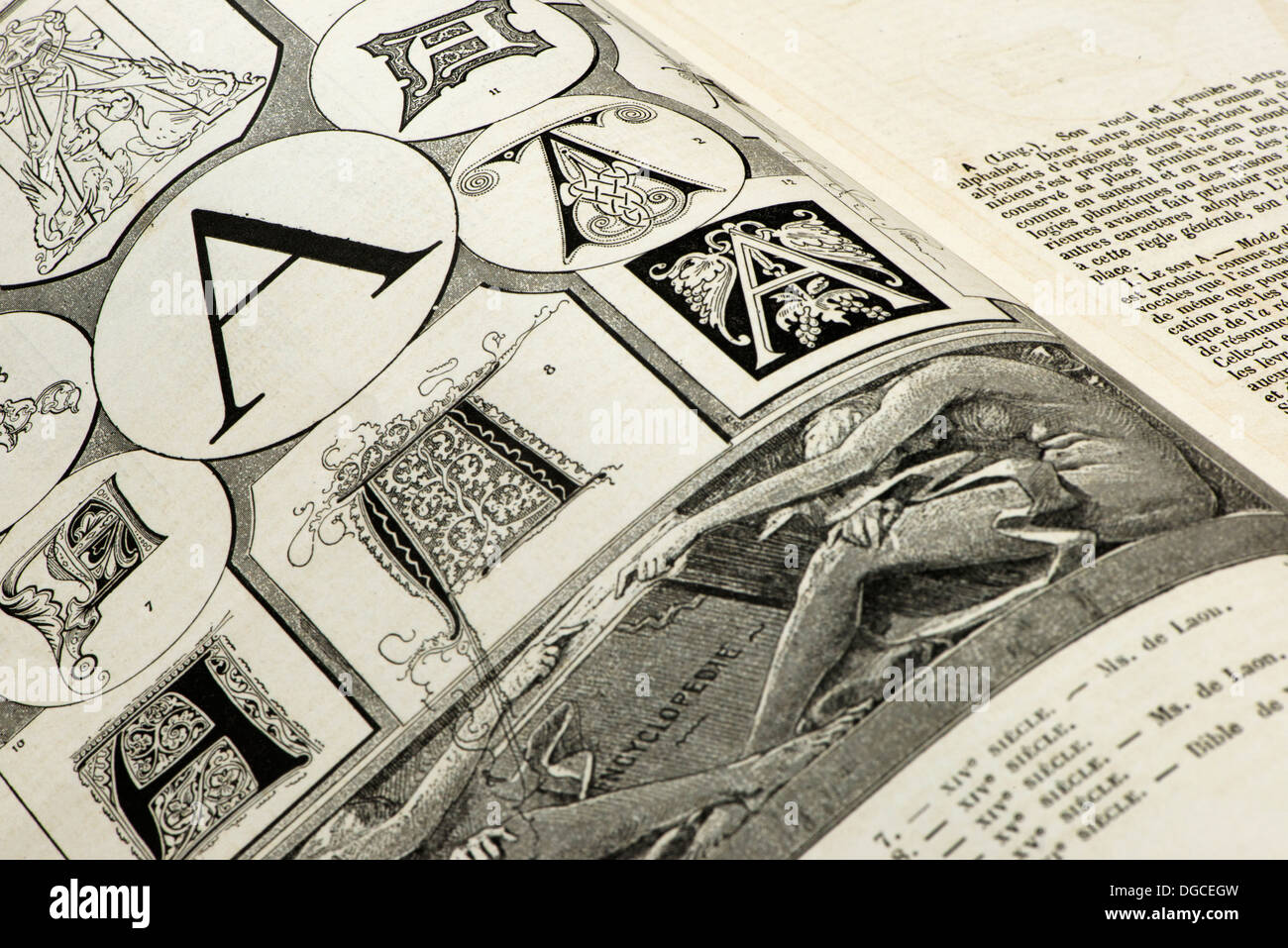
Okay, imagine this: You're at a flea market, right? And buried under a pile of porcelain kittens and questionable taxidermy, you find it. A massive, leather-bound book. Dusty, smelling faintly of old paper and forgotten wisdom. You hesitantly open it... and BAM! Intimidating title page. Happens to the best of us, n'est-ce pas?
Well, that’s kinda like the Encyclopédie's title page. It's beautiful, elaborate, and maybe a little daunting. But fear not, my friends! Today, we're cracking the code. We're diving into the imagery and symbolism of that iconic page to understand what those Enlightenment dudes were really trying to say.
Decoding the Visual Feast
First things first, let's talk visuals. This ain't no minimalist design, folks. This is full-blown Baroque glory! We're talking allegorical figures, rays of light, and enough classical references to make your head spin. But it's all for a reason. Each element is meticulously chosen to convey the core ideas of the Encyclopédie: reason, knowledge, and the pursuit of truth.
- The Central Figure: Truth - Usually depicted as a radiant woman, often unveiling herself. This symbolizes the revealing of knowledge, the stripping away of ignorance and superstition. Pretty powerful, right?
- Reason & Philosophy - Always nearby, guiding Truth and representing the power of rational thought in uncovering knowledge. They’re the BFFs of the Enlightenment.
- The Surrounding Figures: Arts & Sciences - You'll see a diverse cast of characters representing various disciplines: astronomy, mathematics, music, etc. They're all drawing inspiration and guidance from Truth and Reason. Think of it as the ultimate study group!
- The Overthrowing of Superstition and Ignorance - Often depicted as monstrous figures being trampled underfoot or fleeing from the light. Ouch! Talk about shade!
- The Rays of Light - Emanating from Truth, these represent the dissemination of knowledge, illuminating the world and banishing darkness. Dramatic, but effective!
Beyond the Pretty Pictures: The Message
So, what’s the overall takeaway? The title page isn't just a pretty face (though it is pretty). It's a statement. A bold declaration of the Enlightenment's core beliefs. It’s saying: "Hey, we're not just collecting information here. We're building a new world based on reason, science, and the free exchange of ideas."
The Encyclopédie wasn't just a book; it was a project. A project to catalog all human knowledge, to make it accessible, and to use it to improve society. (Ambitious, I know! But hey, aim high!). And the title page served as a visual manifesto for that project.
Think of it like this: If the Encyclopédie was a rock band, the title page would be their album cover. It’s the first impression, the visual hook that draws you in and tells you what they're all about. And trust me, this album cover is telling you, “Get ready to have your mind blown!”
Why Does it Matter Today?
Okay, so it's a cool historical artifact, but why should you care now? Because the ideas represented on that title page – reason, knowledge, critical thinking – are just as relevant today as they were in the 18th century. Maybe even more so. In a world drowning in misinformation, the pursuit of truth and the willingness to challenge assumptions are crucial.
Next time you see an image of the Encyclopédie's title page, take a moment to appreciate the symbolism. Remember the Enlightenment's ambition and the enduring power of knowledge. And maybe, just maybe, feel inspired to join the quest for truth yourself. After all, knowledge is power, mes amis! And a little flea market treasure hunting never hurt anyone either.




![[Docx] Modele page de garde rapport de stage word](https://blogger.googleusercontent.com/img/b/R29vZ2xl/AVvXsEj8m5I_iP6XKMhnfvh6LKwOsAcoP4EGFHdzklqLopRuE_nJhUR0BWbLnAtTOALSdBNUJ8u0weC6O22SjXA06MBqMeLRlfXNxCzYETDw4JGCrTWkuF4DGaqH24uKoZCdV6bp-ChpsOJbz2EE/s1600/modele+page+de+garde+gratuit+word.PNG)