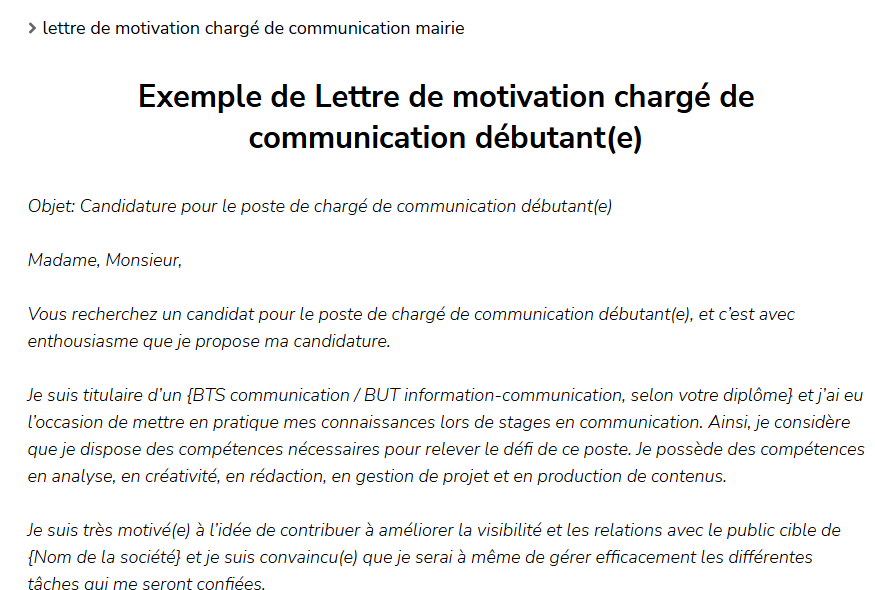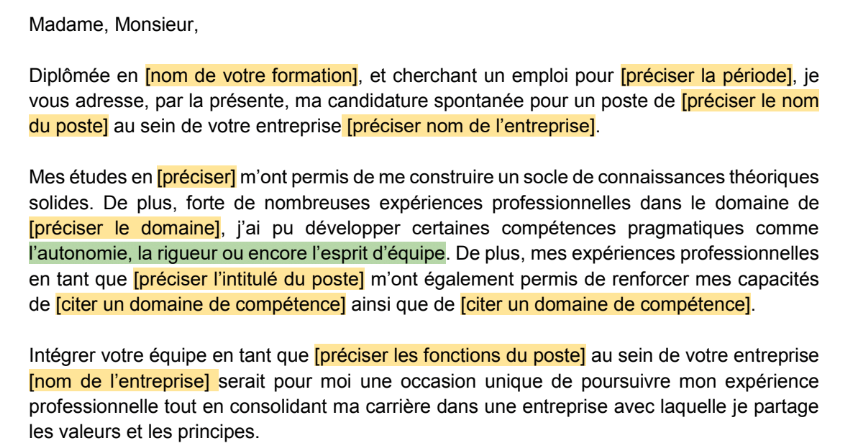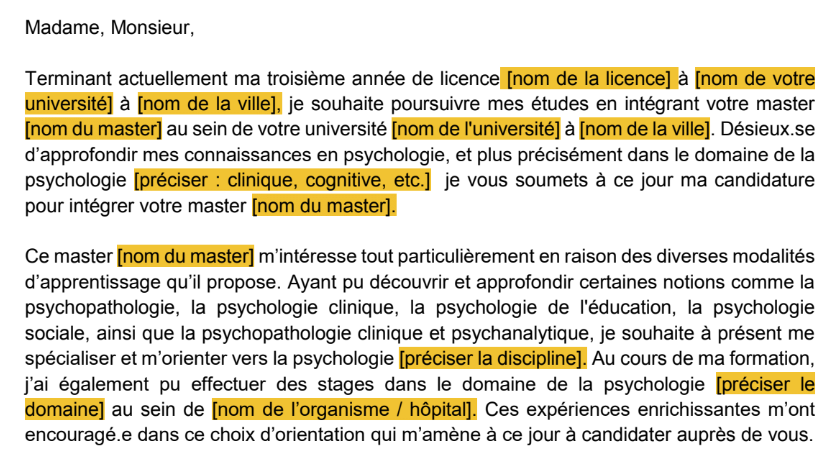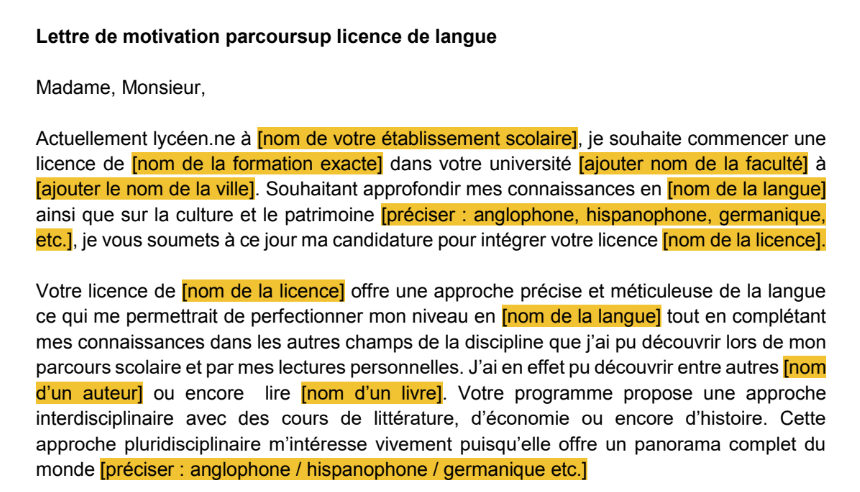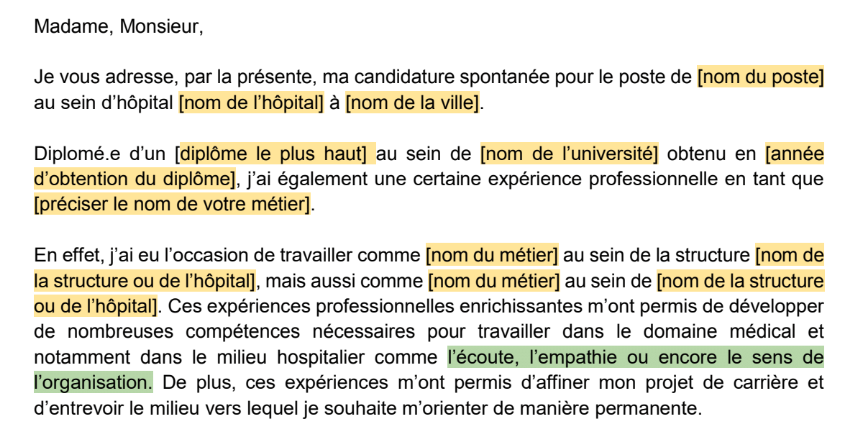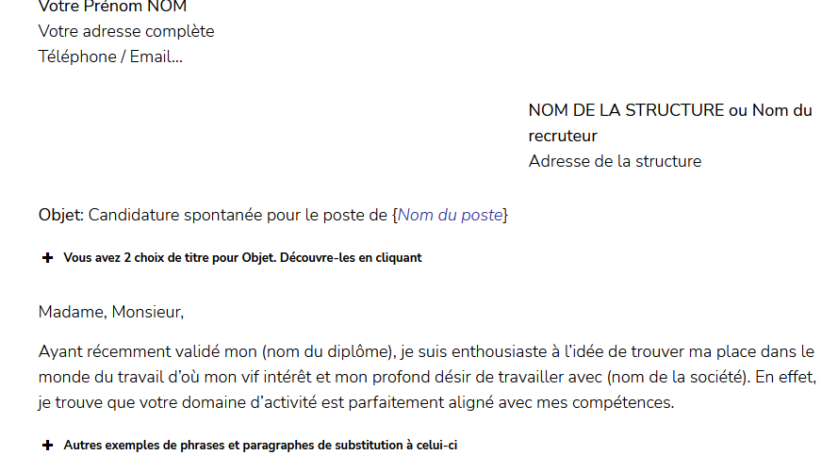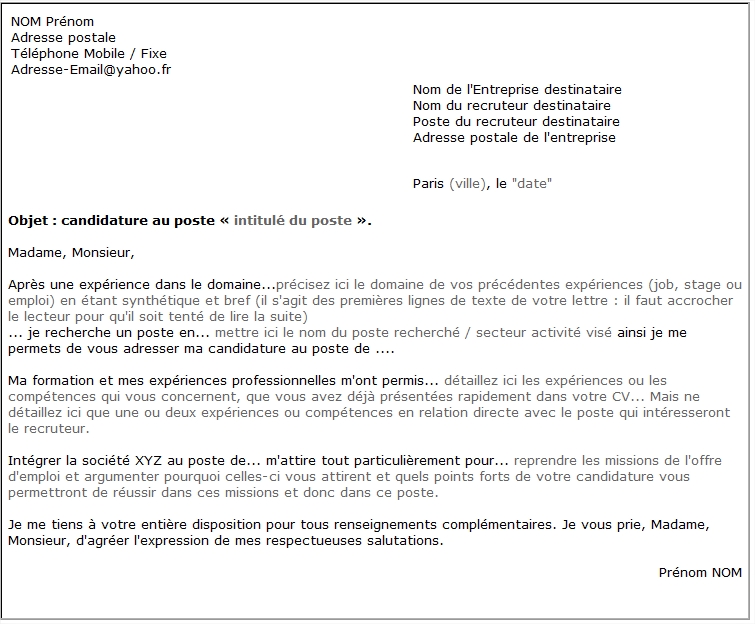
Okay, picture this: I'm sitting across from my cousin, Marc, who's sweating bullets. He's got a huge interview coming up at this swanky tech company. He’s got the skills, the experience… everything, really. Except one thing: the dreaded lettre de motivation. He's staring blankly at his laptop screen, mumbling about transferable skills and vague career goals. Sound familiar? Yeah, we’ve all been there. (Trust me, I’ve written enough of these to paper my walls… theoretically.)
That's when it hit me. So many people stress over this seemingly small document, but it can truly make or break your application. It's not just about regurgitating your CV. It's about telling a story. Your story.
Pourquoi diable une lettre de motivation ? (Why even bother with a cover letter?)
Let’s be honest, in this digital age, you might be asking yourself, "Does anyone even read these things anymore?" Good question! And the answer, frustratingly, is: it depends. Some recruiters skim them, some devour them. But here’s the key: if a company asks for one, it’s an opportunity you cannot afford to miss. Consider it a test. A test of your communication skills, your attention to detail, and, most importantly, your genuine interest in the role and the company.
Think of your CV as the highlights reel. The letter of motivation is the director's commentary. It allows you to elaborate, to connect the dots, and to show the human behind the qualifications. It's your chance to say, "Hey, I'm not just a collection of bullet points. I'm [insert your awesome personality here] and I'm really excited about this opportunity!"
Side note: Don't be that person who sends the exact same letter to every company. Recruiters will spot it, and it screams "I didn't actually care enough to tailor this." Ouch.
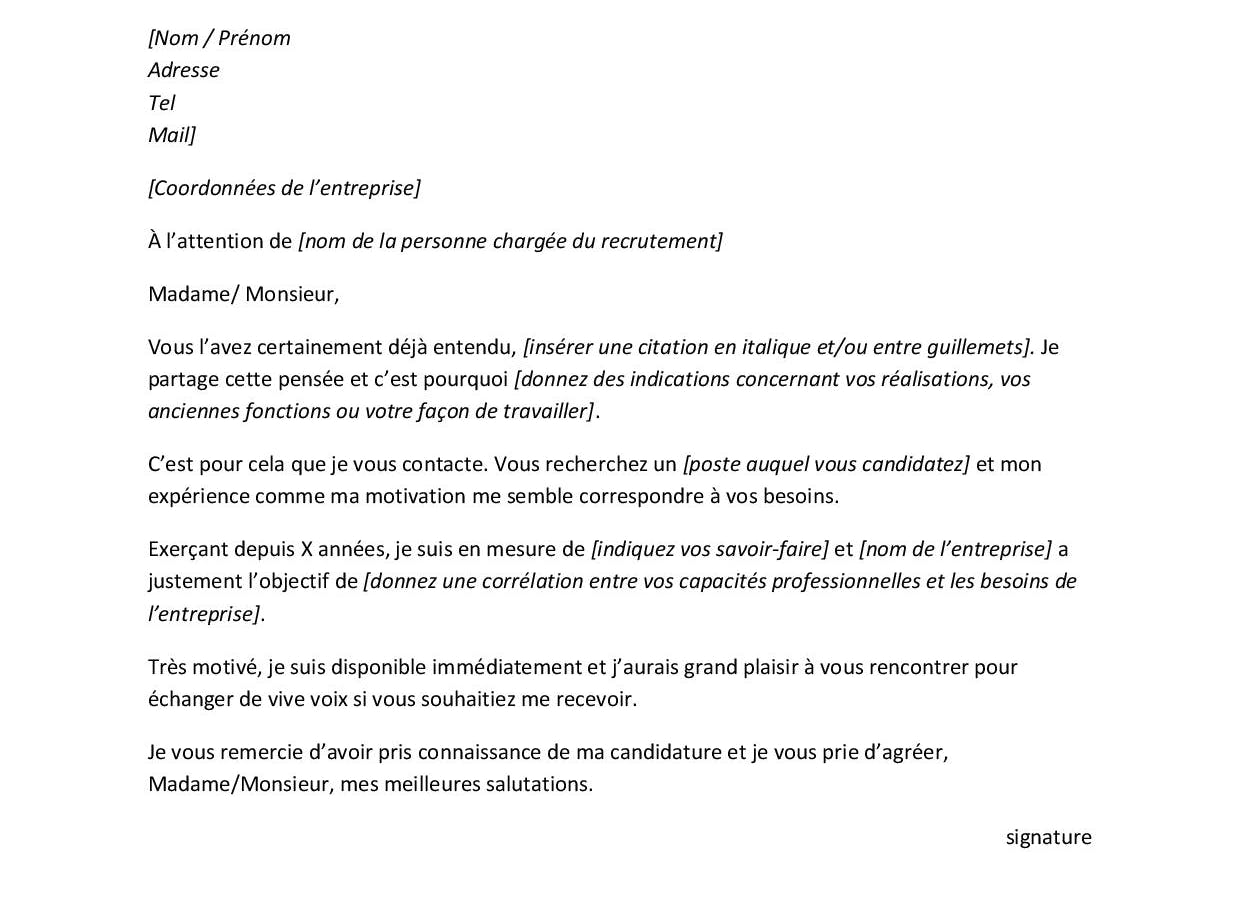
Décortiquons l'exemple : Anatomy of a Great Motivation Letter
So, how do you actually write a good lettre de motivation? Let’s break down some key elements:
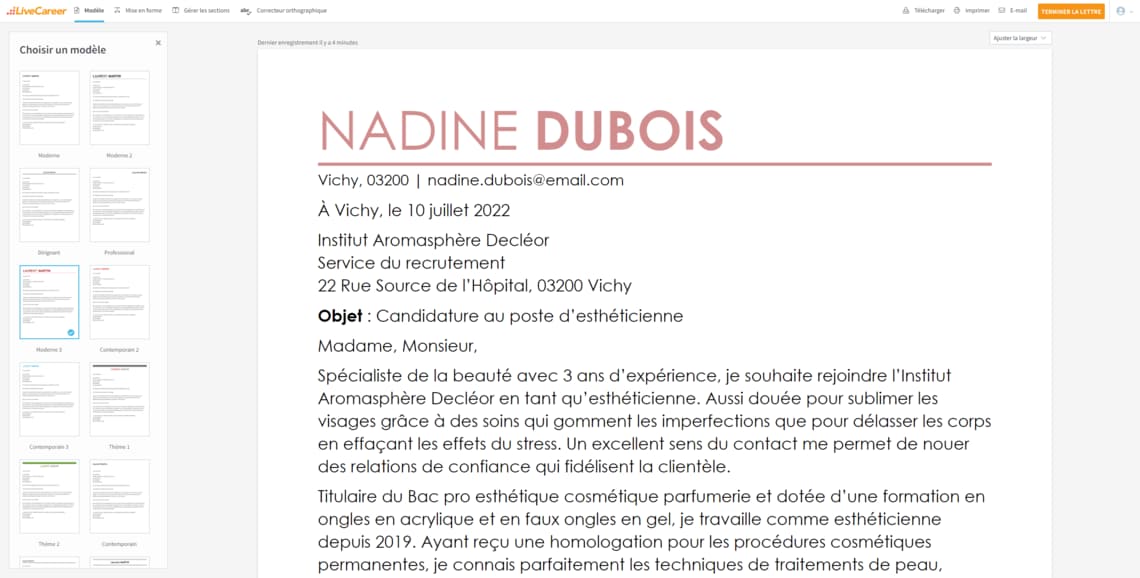
1. L'en-tête : Make it professional (but not boring)
This might seem obvious, but get the basics right. Your name, contact information, and the date should be clearly displayed. Then, include the recipient's name (if you know it – research is your friend!) and their title/address. Keep it clean and professional.
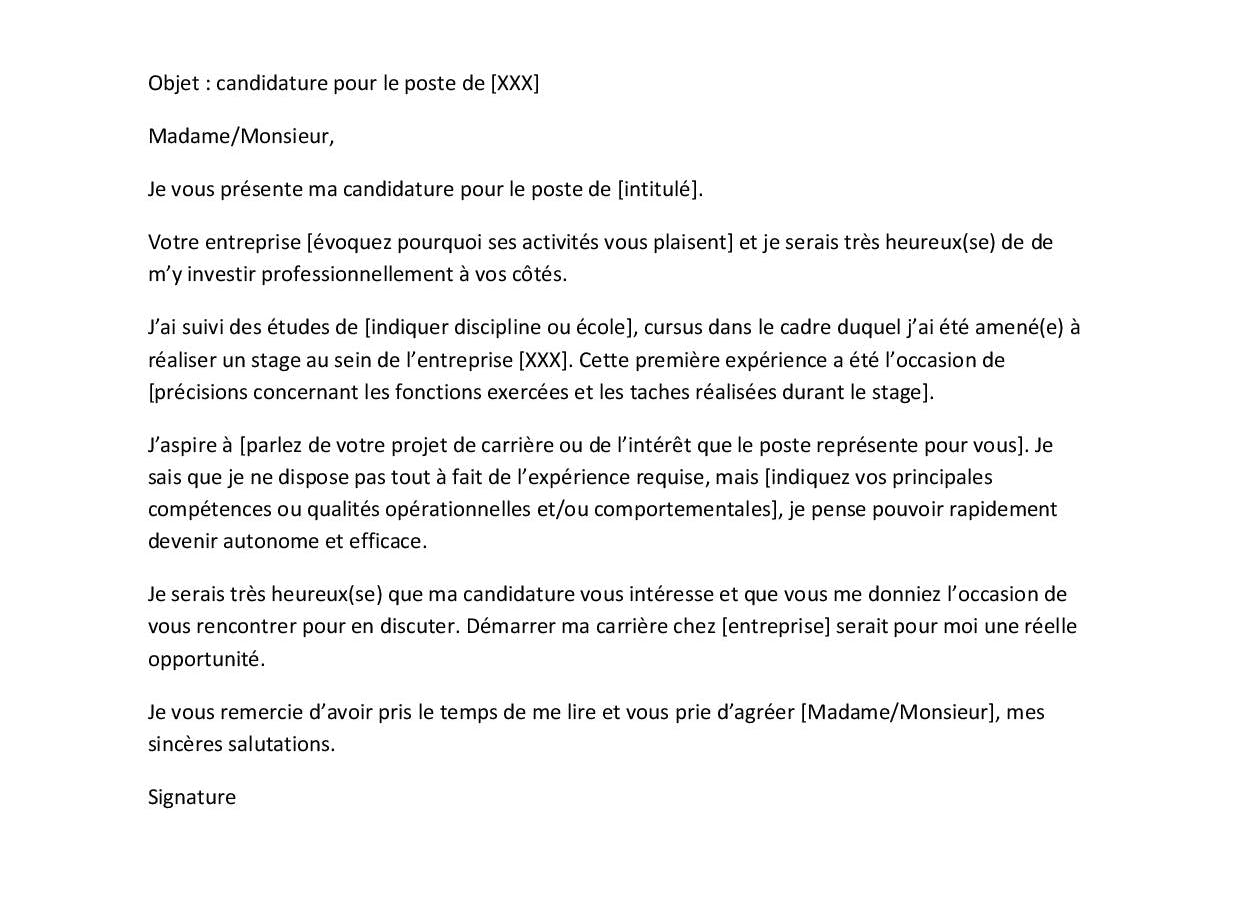
Pro tip: If you can't find the hiring manager's name, try LinkedIn or the company website. Showing that extra effort goes a long way.
2. L'objet : Be clear and concise
Don't get fancy here. State the specific position you're applying for. For example: "Candidature pour le poste de [Position] – Référence [If applicable]". Simple, direct, and effective.
3. L'accroche : Hook them in!
This is your first impression, so make it count! Don't start with the generic "Je me permets de vous contacter..." (Please allow me to contact you...). Yawn. Instead, try something that grabs their attention:
- Show genuine enthusiasm: "Après avoir suivi de près les innovations de [Company Name] dans le domaine de [Industry], je suis particulièrement enthousiaste à l'idée de contribuer à..."
- Highlight a connection: "Lors de ma participation à l'événement [Event Name], j'ai été impressionné par la présentation de [Speaker Name] sur [Topic]. Votre approche de [Relevant Field] résonne particulièrement avec mes propres valeurs professionnelles."
- Mention a mutual connection: "Suite à une conversation avec [Name of Contact], qui m'a vivement encouragé à vous contacter, je suis ravi de vous présenter ma candidature..."
Remember: Tailor this to the specific company and role. Do your research and show you understand their mission and values.
4. Le corps du texte : Sell yourself (without being salesy)
This is where you connect your skills and experience to the requirements of the job. Don't just rehash your CV. Instead, tell a story about your accomplishments and how they relate to the position.
- Focus on 2-3 key skills/experiences: Don't try to cram everything in. Choose the most relevant qualifications and elaborate on them. Use the STAR method (Situation, Task, Action, Result) to showcase your achievements.
- Quantify your results: Use numbers and data to demonstrate the impact you've made in previous roles. "Increased sales by 15%," "Reduced customer churn by 20%," etc.
- Show, don't tell: Instead of saying "I'm a great leader," describe a specific situation where you demonstrated leadership skills.
- Connect to the company's needs: Demonstrate that you understand the challenges and opportunities facing the company and explain how you can help them achieve their goals.
Important: Use strong verbs and active voice. Instead of "Responsibilities included...", say "I managed...", "I developed...", "I implemented...".
5. La conclusion : Leave a lasting impression
Don't just fade away at the end. Reiterate your enthusiasm and express your desire for an interview. Be confident and professional.
- Reiterate your interest: "Je suis convaincu que mes compétences et mon expérience correspondent parfaitement aux exigences de ce poste et je suis très enthousiaste à l'idée de contribuer au succès de [Company Name]."
- Express your availability: "Je suis disponible pour un entretien à votre convenance afin de discuter plus en détail de ma candidature."
- Thank them for their time and consideration: "Je vous remercie de votre temps et de votre considération."
Final touch: End with a professional closing, such as "Cordialement" or "Sincèrement".

6. La relecture : The most crucial step!
Seriously, do not skip this step. Even the most brilliant letter can be ruined by typos and grammatical errors. Read it aloud. Have a friend or family member read it. Use a grammar checker. Do whatever it takes to ensure your letter is perfect.
Trust me: A single typo can be the difference between getting an interview and getting your application tossed in the bin.
Quelques erreurs à éviter (Common Mistakes to Avoid)
Now that we've covered the "dos," let's talk about the "don'ts." Here are some common mistakes to avoid:
- Generic phrases: As mentioned before, avoid generic phrases like "Je suis très motivé" (I am very motivated). Show, don't tell.
- Rehashing your CV: The letter of motivation is not a substitute for your CV. It's a complement to it.
- Typos and grammatical errors: Seriously, proofread!
- Focusing on what you want: Focus on what the company needs. How can you solve their problems?
- Being too informal or overly familiar: Maintain a professional tone throughout the letter.
- Lying or exaggerating: Be honest and authentic. Don't claim skills or experiences you don't have.
- Negative language: Avoid negativity or complaining about previous employers.
Exemple Concret (Concrete Example)
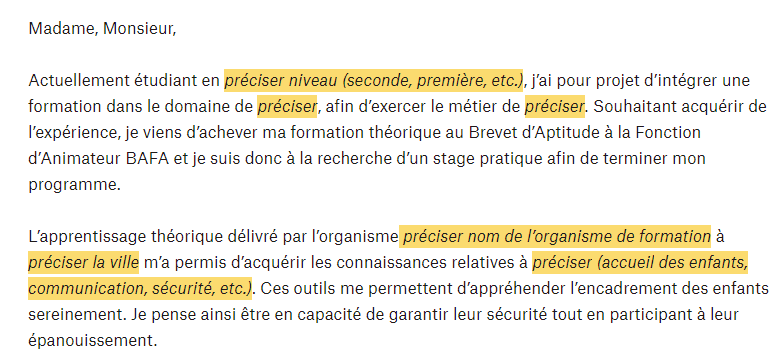
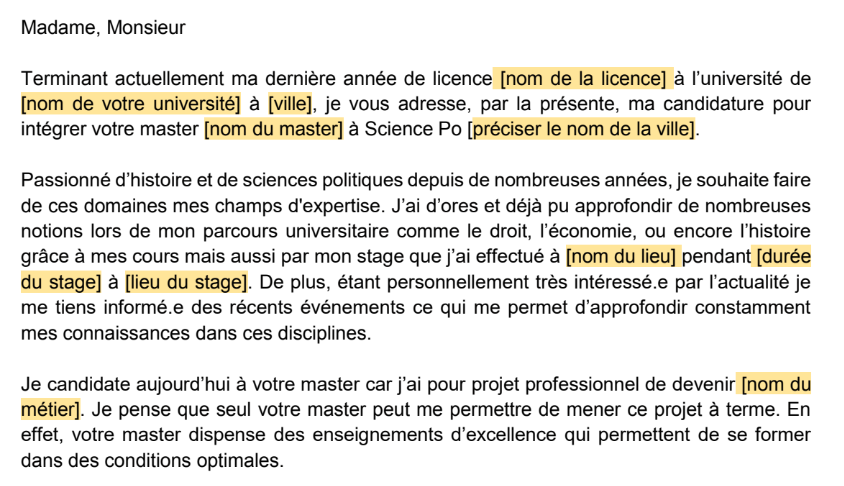
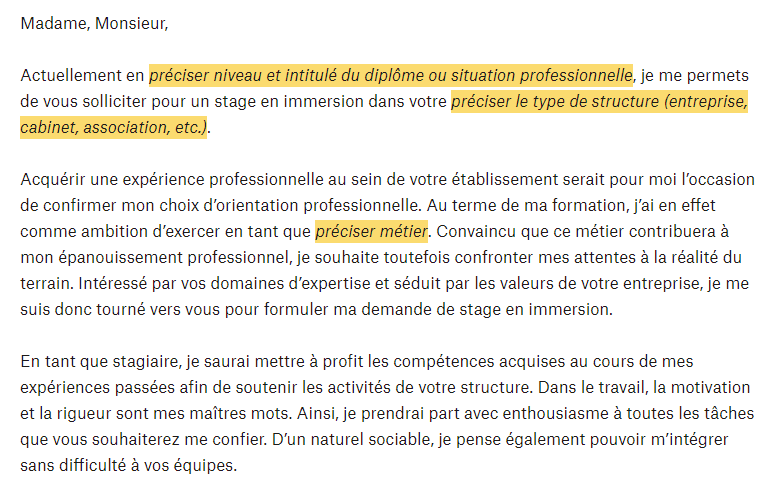
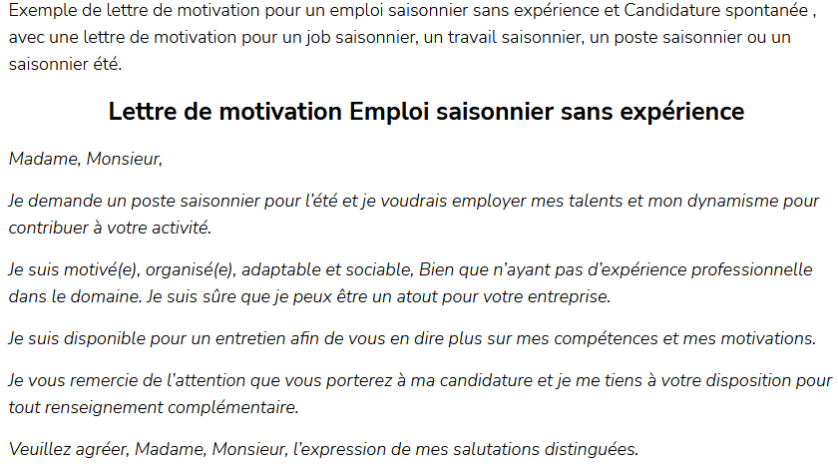
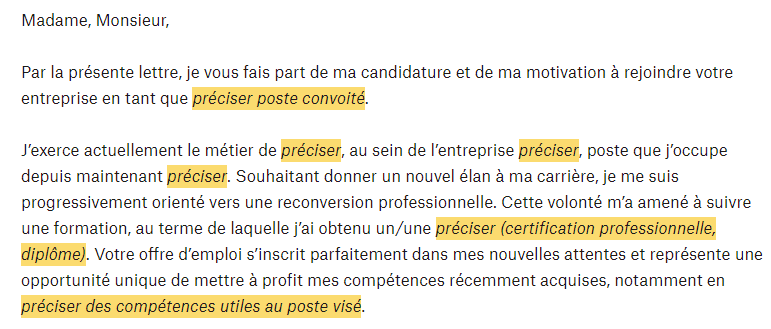
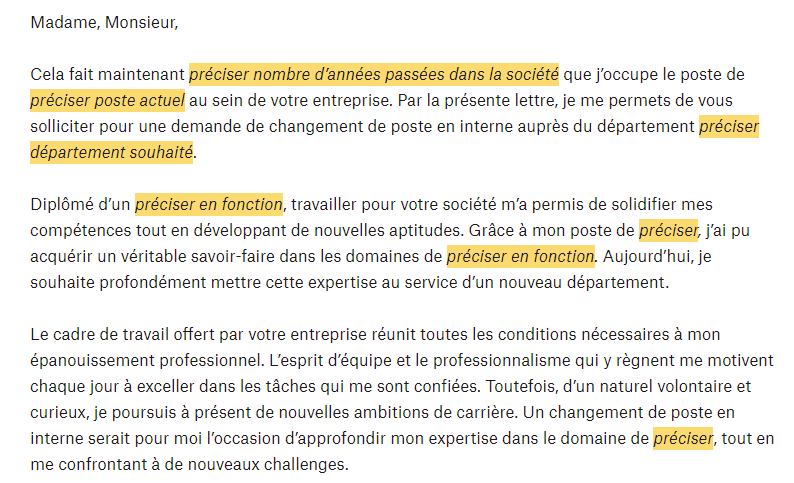
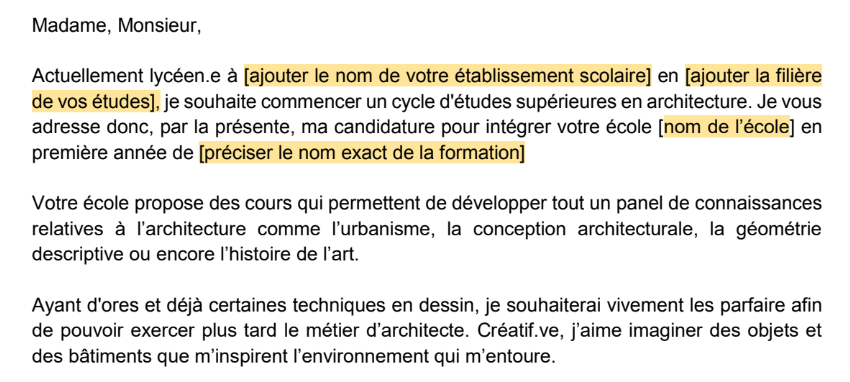
While I can't provide a perfect, ready-to-use template (because every letter should be tailored!), here’s a short snippet to illustrate the principles we've discussed:
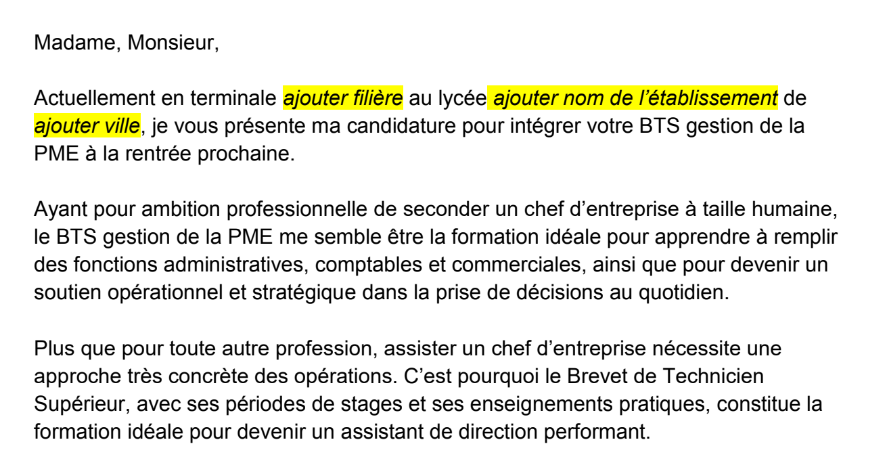
Instead of writing: "Je suis un bon candidat pour ce poste car j'ai de l'expérience en marketing."
Try something like: "Lors de ma dernière expérience chez [Previous Company], j'ai développé et mis en œuvre une stratégie de marketing digital qui a permis d'augmenter le trafic sur le site web de 30% et de générer une augmentation de 15% des ventes. Je suis convaincu que mon expérience dans [Specific area of marketing] et ma capacité à [Specific skill] seraient des atouts précieux pour [Company Name], notamment dans le cadre de votre nouvelle campagne [Campaign name]."
See the difference? The second example is specific, quantifiable, and directly related to the company's needs.
Le mot de la fin (Final Thoughts)
Writing a compelling lettre de motivation takes time and effort. But it's an investment that can pay off big time. So, ditch the generic templates, embrace your unique story, and show the world what you've got. Bonne chance!
And remember Marc, my cousin sweating buckets? He nailed that interview. And guess what? He says his personalized, well-crafted letter of motivation played a HUGE role. Just sayin’.