Bonjour, mes amis! Settle in, grab your café au lait. Today, we’re chatting about something fascinating: the art of persuasion. And I promise, it’s less intimidating than it sounds. Think of it as charming someone into seeing your point of view, but in a totally ethical and delightful way.
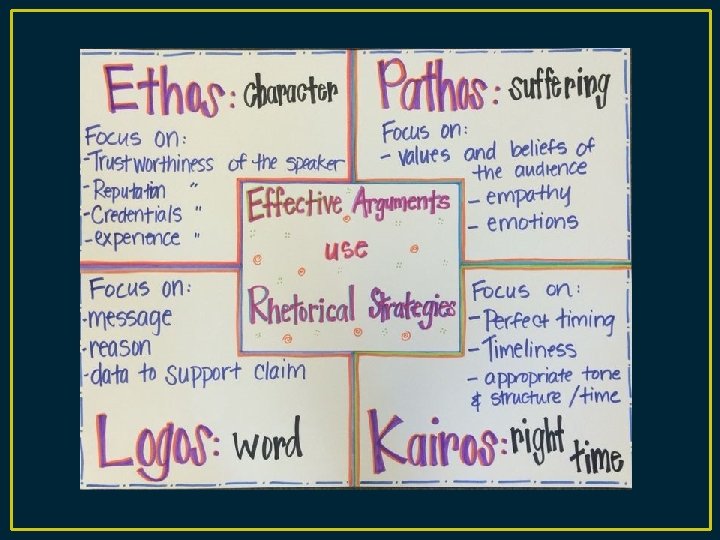
We’re going to delve into four key elements: Ethos, Pathos, Logos, and Kairos. Sounds a bit… ancient Greek, doesn't it? Well, that's because it is! These concepts, originally developed by Aristotle, still hold incredible power today. They're the secret ingredients to crafting a convincing argument, whether you're writing a heartfelt email, delivering a presentation, or simply trying to convince your friend that your favorite bakery has the best croissants (which, obviously, it does!).
Ethos: Building Trust and Credibility
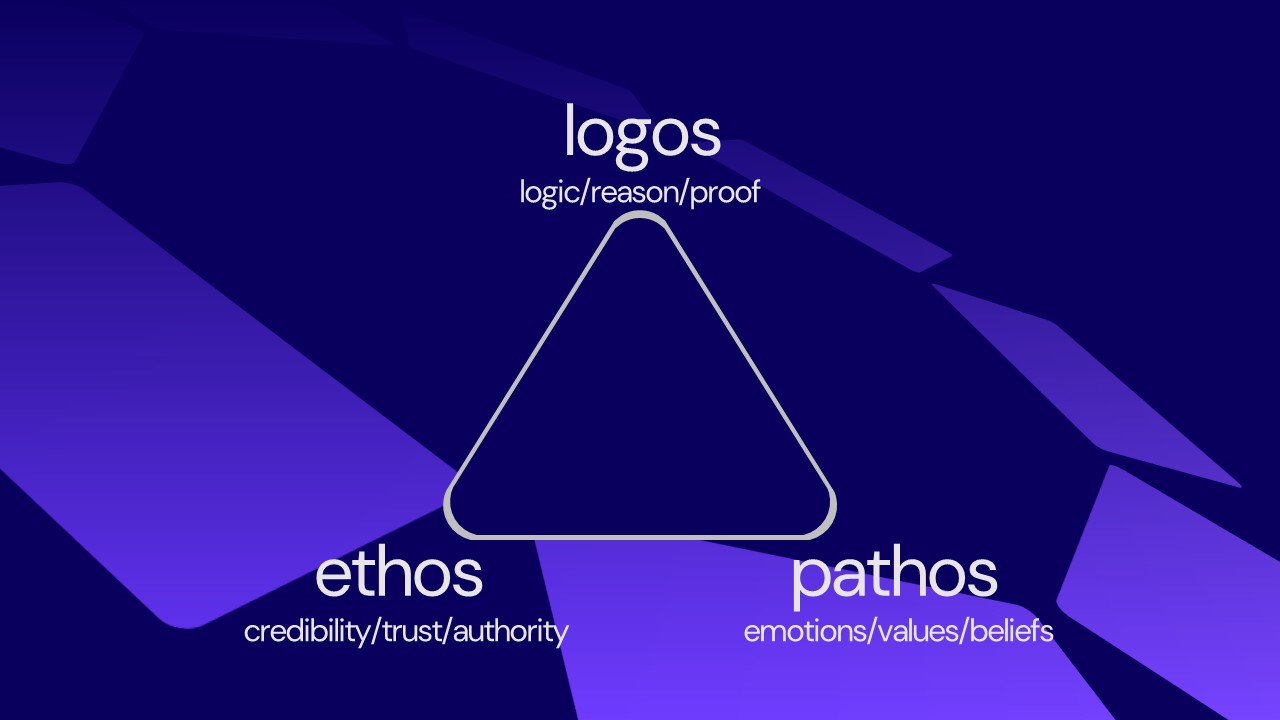
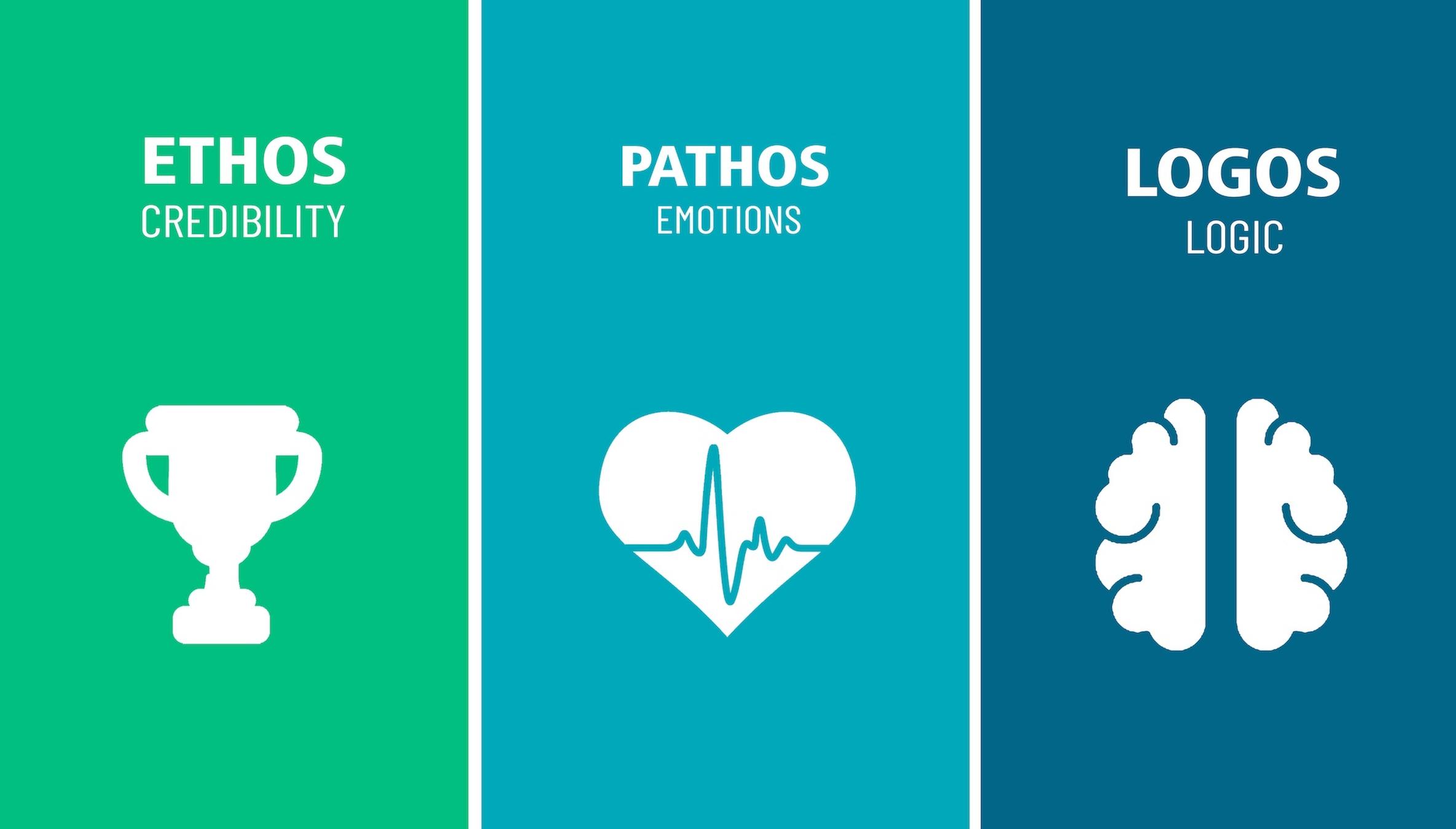
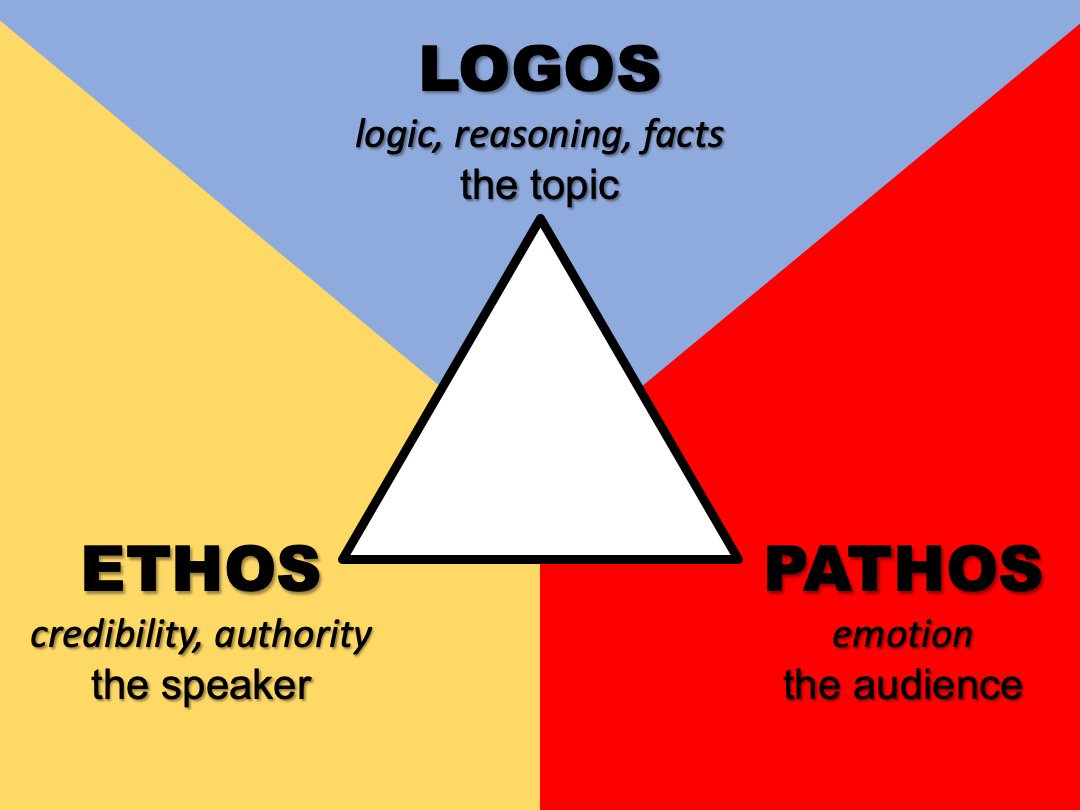
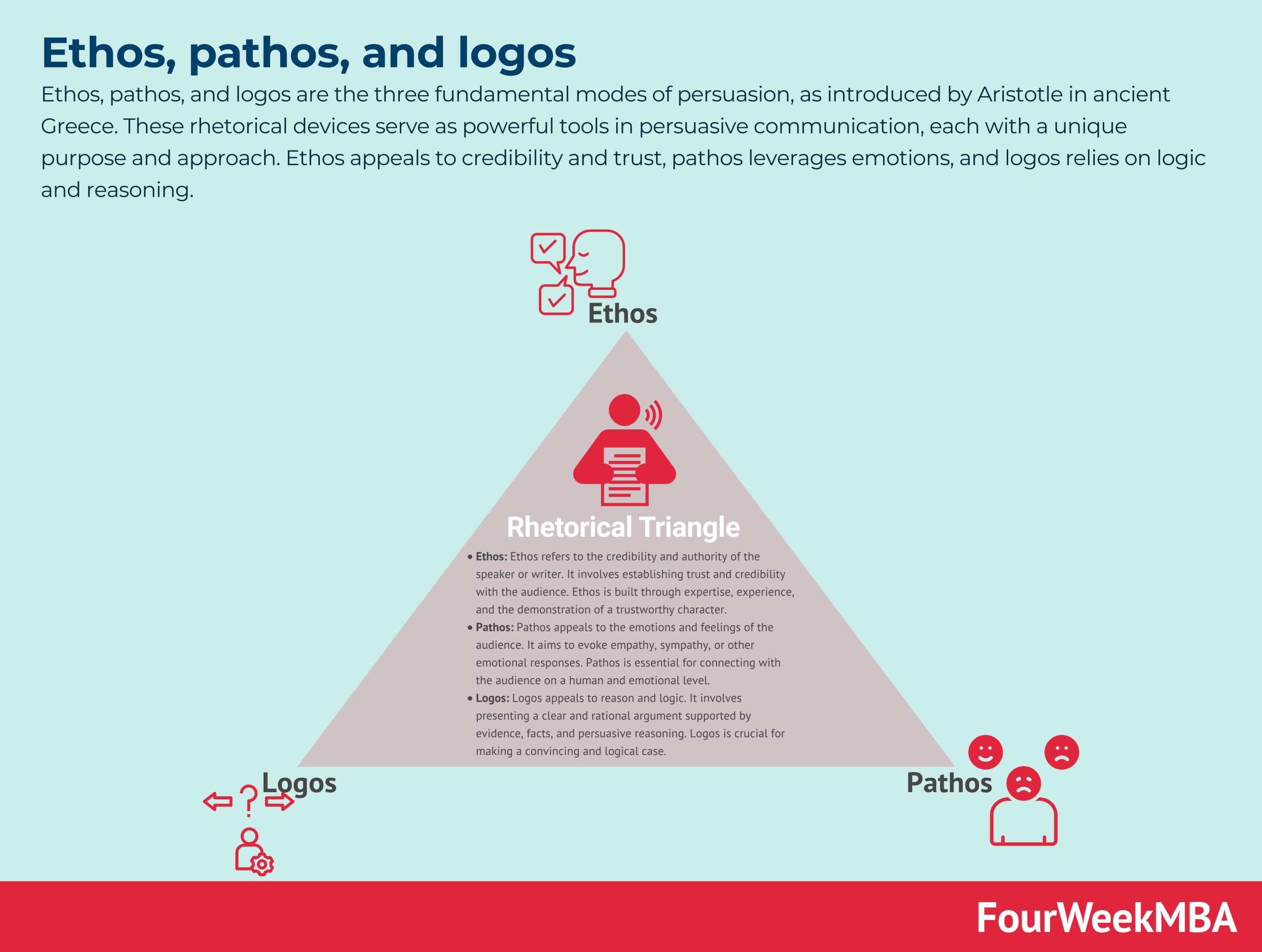
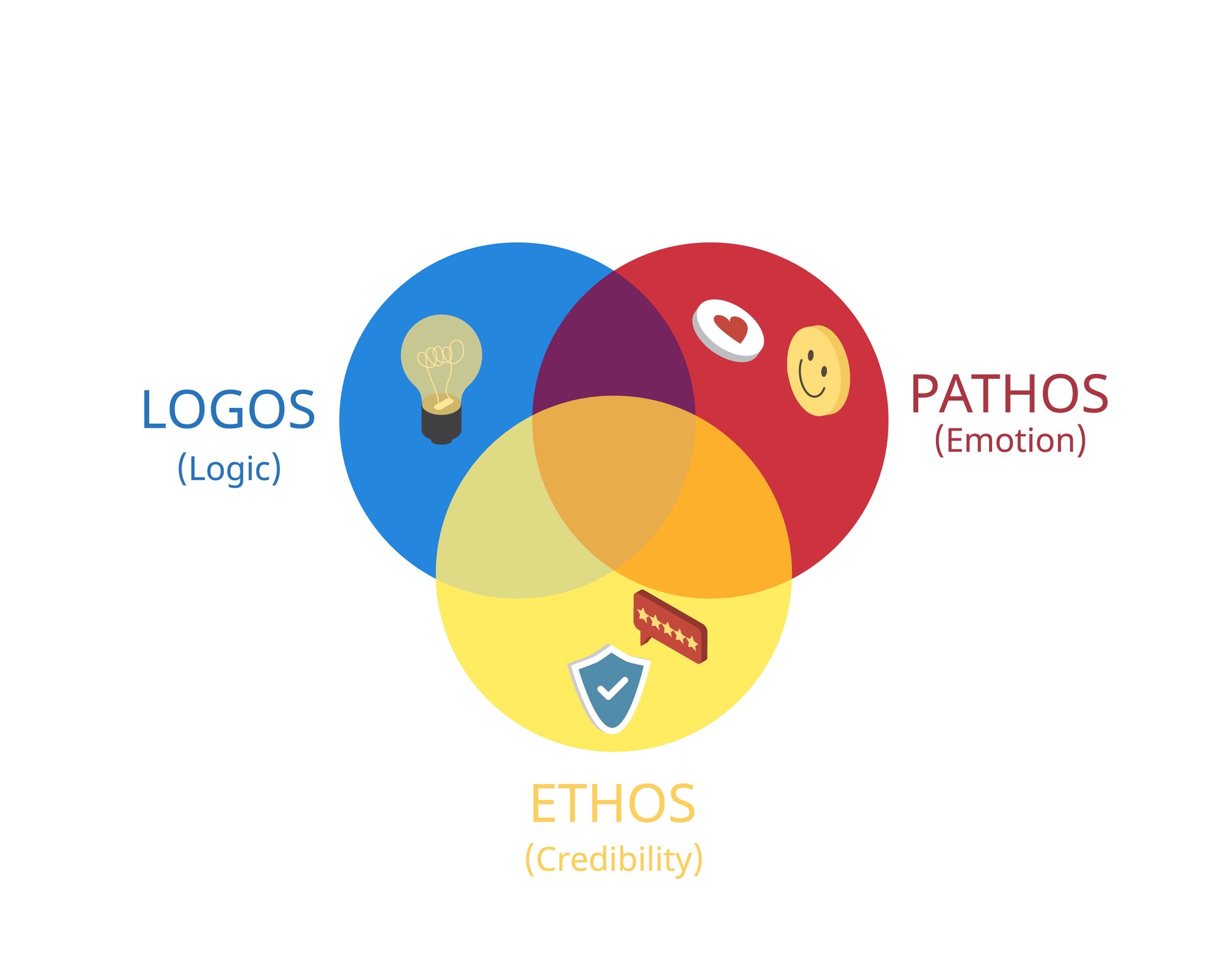
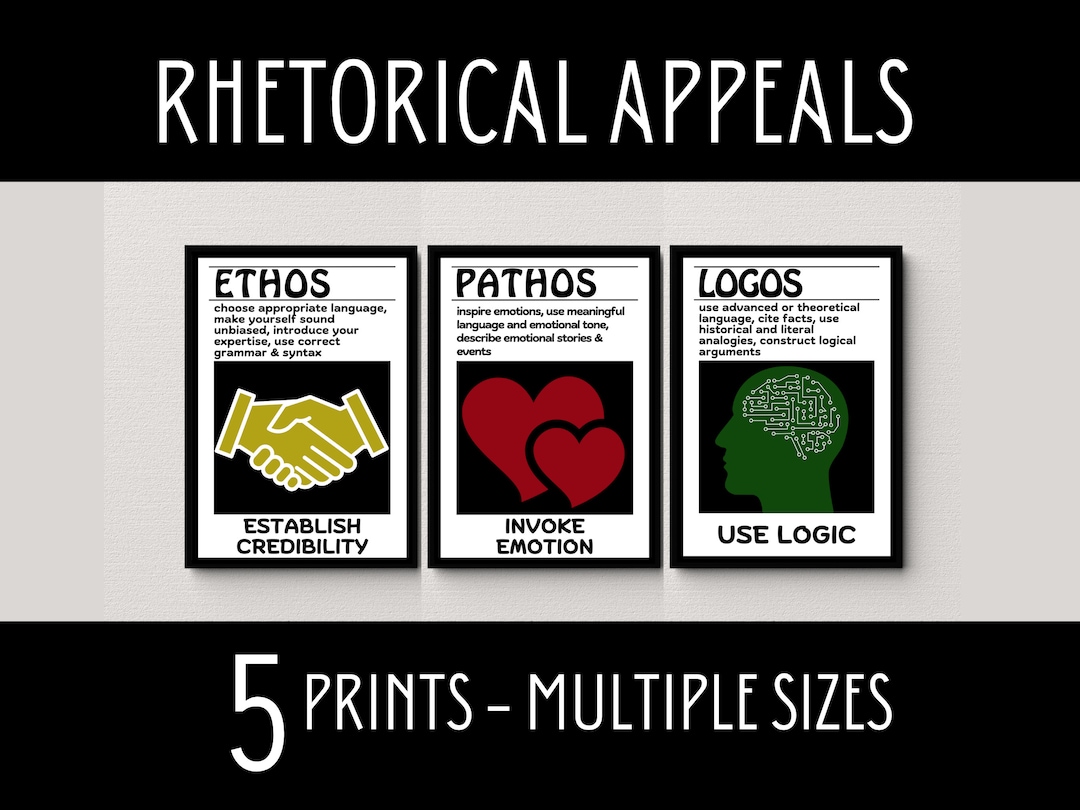
First up: Ethos. Imagine a doctor in a white coat. Immediately, you’re more likely to trust their medical advice, right? That's Ethos at work! It's all about establishing your credibility and authority. You want people to believe you, to see you as trustworthy and knowledgeable.
How do you achieve this? Well, there are a few ways. You can highlight your experience, your expertise, or your credentials. For example, if you're arguing for a specific environmental policy, you might mention your degree in environmental science or your years of experience working with conservation organizations.
But it's not just about qualifications. Ethos is also about demonstrating good character. Are you honest? Are you fair? Do you have the audience's best interests at heart? Think about how you present yourself. Are you respectful, even when you disagree with someone? Do you acknowledge opposing viewpoints? These things matter! They build trust and make people more receptive to what you have to say.
Have you ever been instantly turned off by someone because they came across as arrogant or condescending? That's a failure of Ethos! Nobody wants to be lectured to. People want to connect with someone who seems genuine and approachable. So, be yourself! Be authentic! And let your credibility shine through.
Pathos: Appealing to the Emotions
Next, we have Pathos. Ah, now we're getting to the heart of the matter! Pathos is all about connecting with your audience on an emotional level. Think of those heart-wrenching commercials that show adorable puppies in need of adoption. Boom! That's Pathos in action.
Why is appealing to emotions so effective? Because emotions drive decisions. We're not always rational creatures! We're often swayed by our feelings, our fears, our hopes, and our dreams. A skilled persuader knows how to tap into those emotions and use them to influence their audience.
Now, Pathos isn't about manipulating people. It's about making them feel something, about connecting with them on a human level. You can use stories, anecdotes, and vivid language to evoke emotions. You can talk about the impact of a problem on real people, sharing their experiences and their struggles.
For example, if you're advocating for improved healthcare access, you might share a story about someone who suffered because they couldn't afford treatment. Or, if you're promoting a new product, you might focus on how it will make people feel happy, confident, or secure.
Remember, it’s a balance. Too much Pathos without substance can come across as manipulative. But ignoring emotions altogether can make your argument feel cold and impersonal. Find that sweet spot where logic and emotion work together in harmony.
Logos: The Power of Logic and Reason
Alright, let's move on to Logos. This is where things get logical! Logos is all about using reason, evidence, and facts to support your argument. It's about constructing a clear, logical case that convinces your audience through the power of intellect.
Think of it like building a house. You need a solid foundation, strong walls, and a well-designed roof. Logos provides that structure for your argument. You need to present your evidence in a clear, organized way. You need to back up your claims with credible sources. And you need to demonstrate how your argument logically leads to your conclusion.
What kind of evidence can you use? Statistics, data, research findings, expert opinions, and even examples. The key is to choose evidence that is relevant, reliable, and persuasive. And remember to cite your sources! You want to show your audience that you've done your homework and that your argument is based on solid ground.
Logos also involves avoiding logical fallacies. These are common errors in reasoning that can weaken your argument. For example, attacking the person making the argument instead of addressing the argument itself (ad hominem) or assuming that because two things are correlated, one must cause the other (correlation does not equal causation).
Strong Logos makes your argument credible and convincing. It shows that you've thought things through, that you're not just relying on opinions or emotions. It gives your audience a reason to believe you, to trust your judgment, and to accept your conclusions.

Kairos: The Art of Perfect Timing
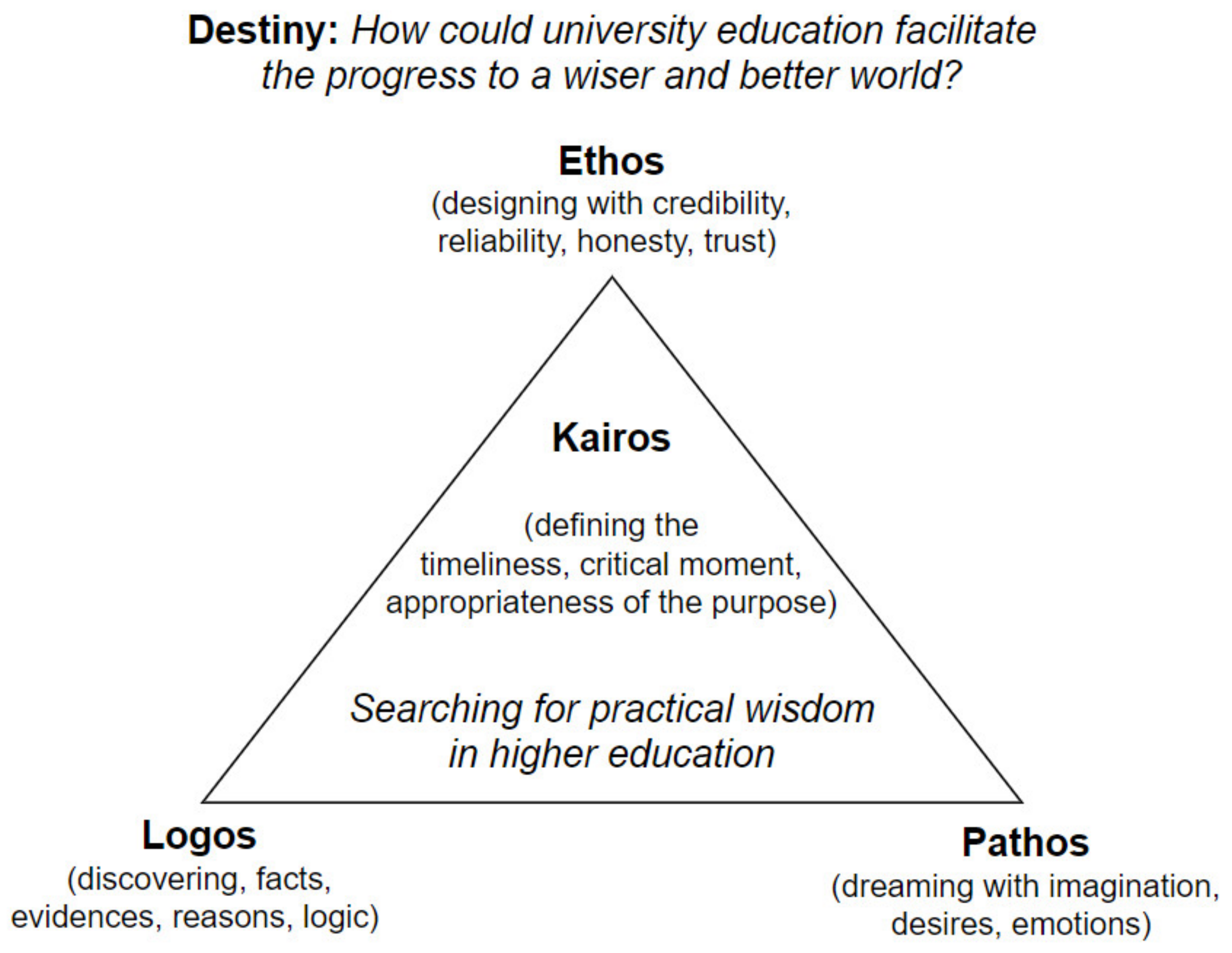
Finally, we arrive at Kairos. Ah, the elusive art of perfect timing! Kairos is about seizing the opportune moment. It's about understanding the context, the audience, and the current situation, and then tailoring your message accordingly.
Imagine trying to sell ice cream in the middle of winter. Not the best timing, right? Or trying to talk about climate change during a heatwave? Much more effective! Kairos is about knowing when and how to deliver your message to maximize its impact.
Consider your audience. What are their values, their beliefs, and their concerns? What are they already thinking and feeling? And what is the current mood or climate in the world? Tailor your message to resonate with your audience and to address the issues that are most relevant to them at that moment.
For example, if you're trying to convince people to donate to a disaster relief fund, you'll want to do so immediately after the disaster has occurred, when people are most aware of the need and most willing to help. Or, if you're trying to promote a new product, you might time your launch to coincide with a major holiday or a relevant cultural event.
Kairos requires you to be flexible and adaptable. You need to be able to read the room, to sense the mood, and to adjust your message accordingly. And sometimes, it means knowing when to remain silent, when to wait for a more opportune moment to speak.
Putting It All Together
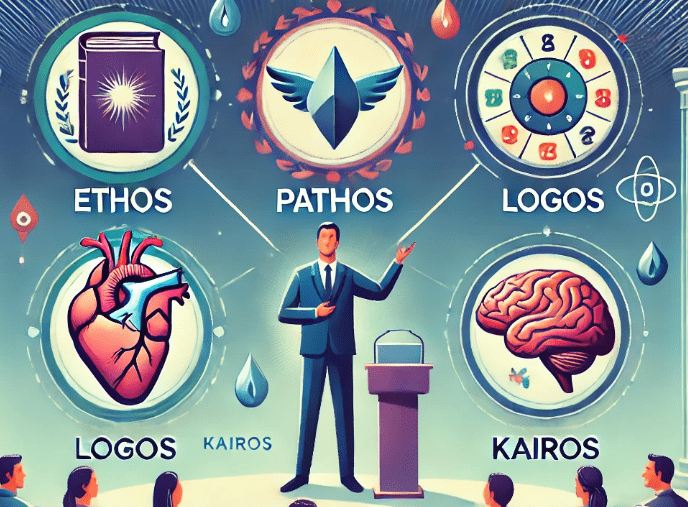
So, there you have it! Ethos, Pathos, Logos, and Kairos. The four pillars of persuasion. Remember, it’s not about using these tools to manipulate people. It’s about using them to communicate effectively, to connect with others, and to share your ideas in a way that is both compelling and ethical.
Think of it like baking a cake. Ethos is like the quality of your ingredients – are they fresh and reliable? Pathos is like the frosting – it makes the cake visually appealing and emotionally satisfying. Logos is like the recipe – it provides the structure and the instructions for how to put everything together. And Kairos is like the timing – you need to bake the cake at the right temperature and for the right amount of time to ensure that it comes out perfectly.
Mastering these elements takes practice, but it’s a skill that will serve you well in all aspects of your life. From your personal relationships to your professional career, the ability to persuade and influence others is invaluable.
So, go forth and persuade! And remember, a little bit of charm, a sprinkle of logic, and a whole lot of heart can go a long way.
À bientôt, mes chéris! May your arguments be strong, your connections be genuine, and your croissants always be perfectly flaky!