Salut les amis ! Ever found yourself staring blankly at a document, wondering what exactly goes where? Especially when it comes to the front? Pas de panique! Today, we're tackling a question that's stumped many a student and professional: la différence entre une page de garde et une couverture. Sounds serious, right? Trust me, it's easier (and more fun!) than parallel parking.
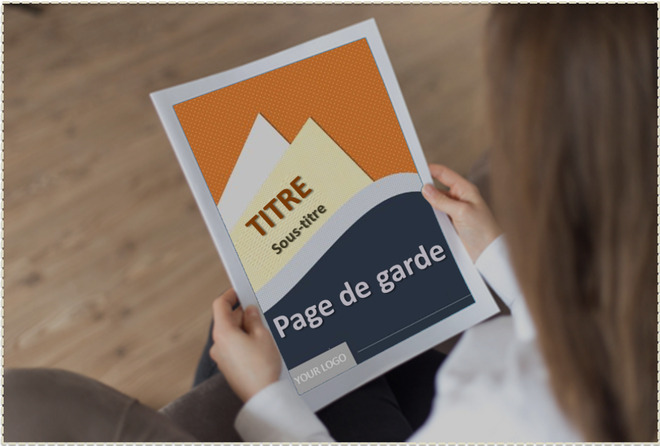
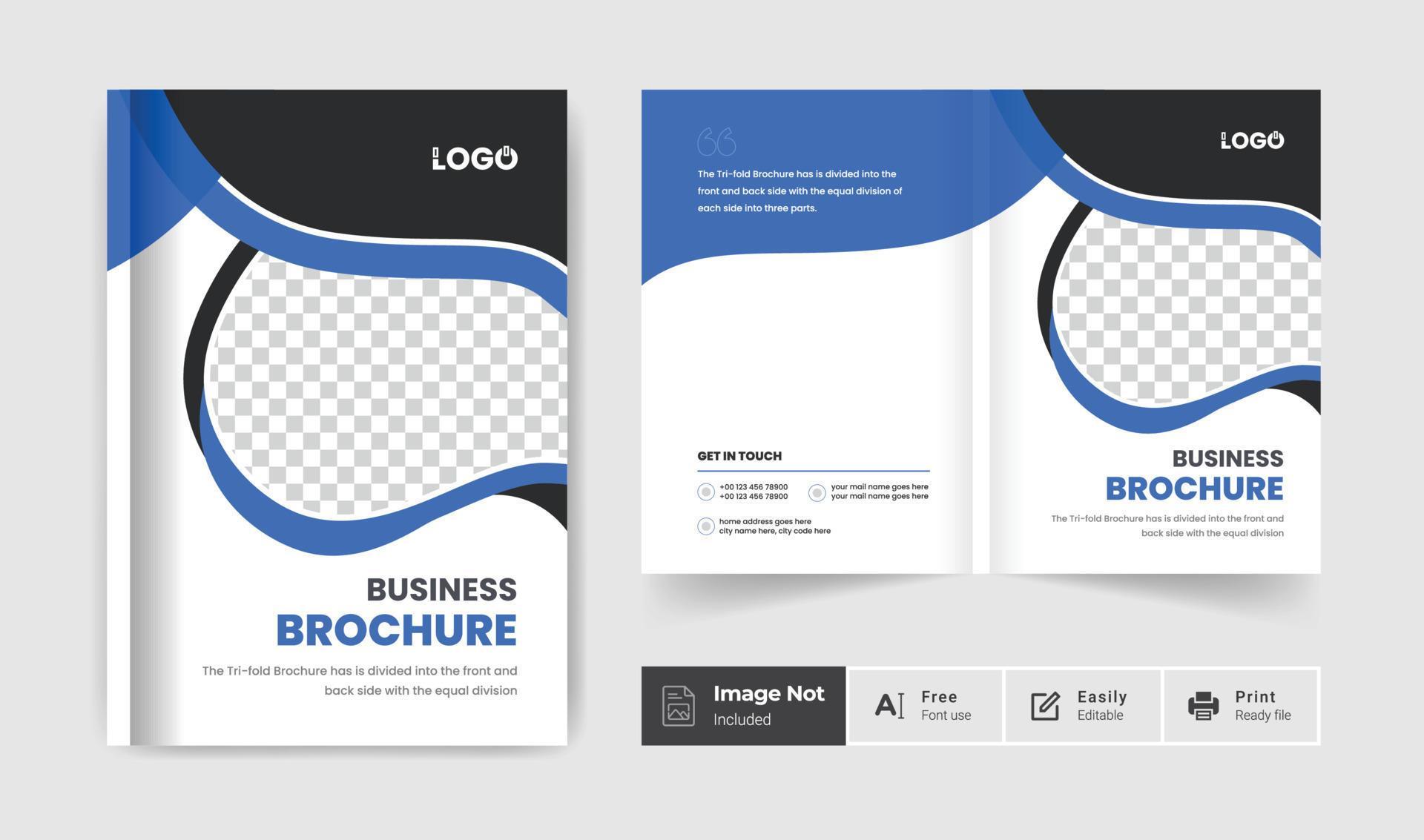
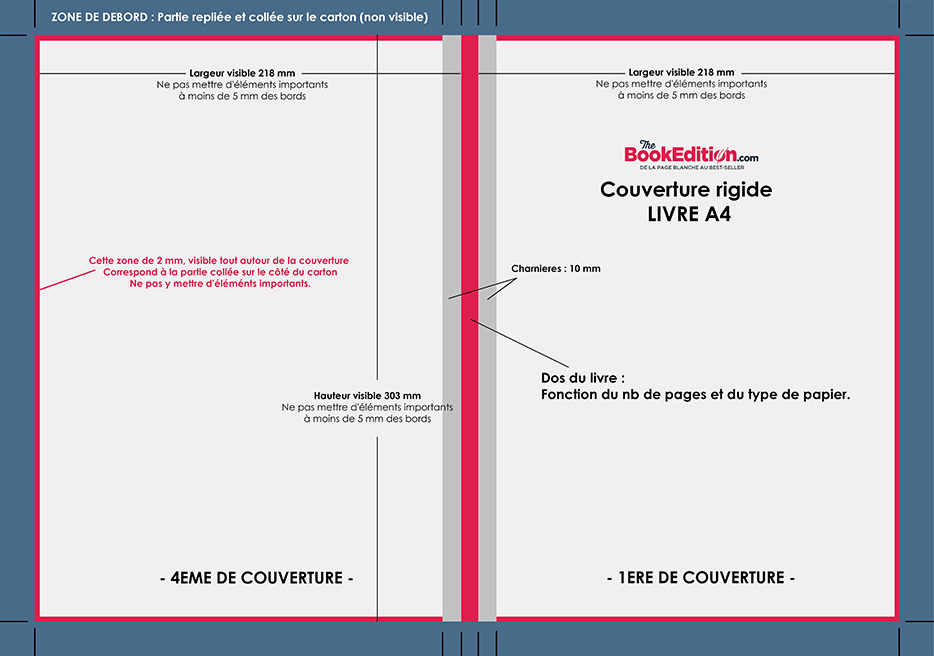
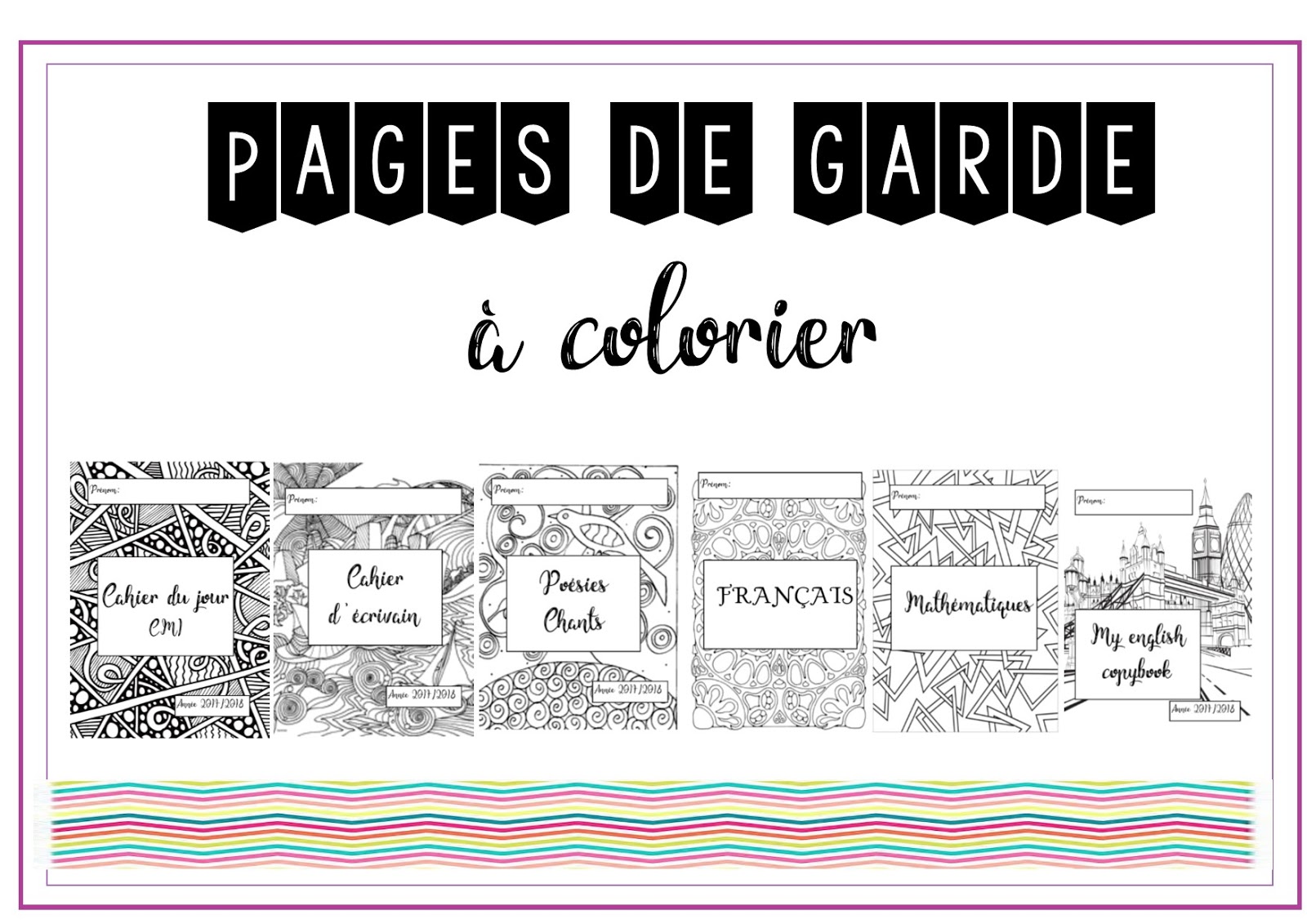
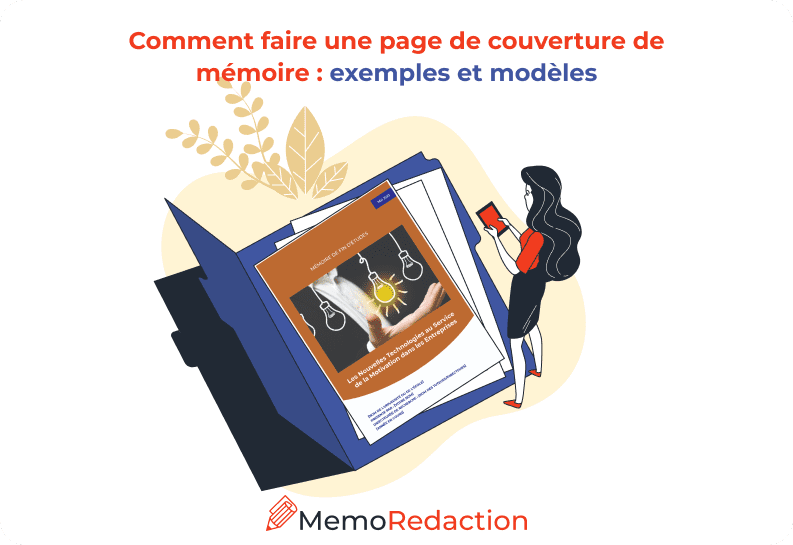
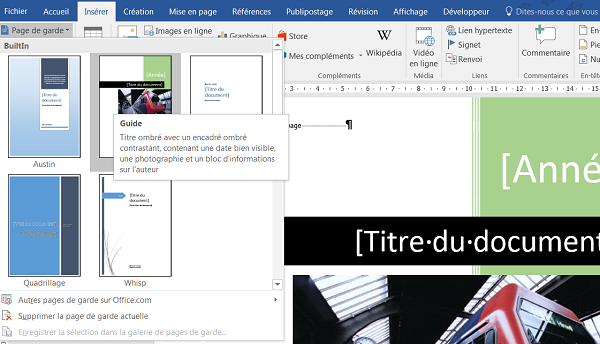
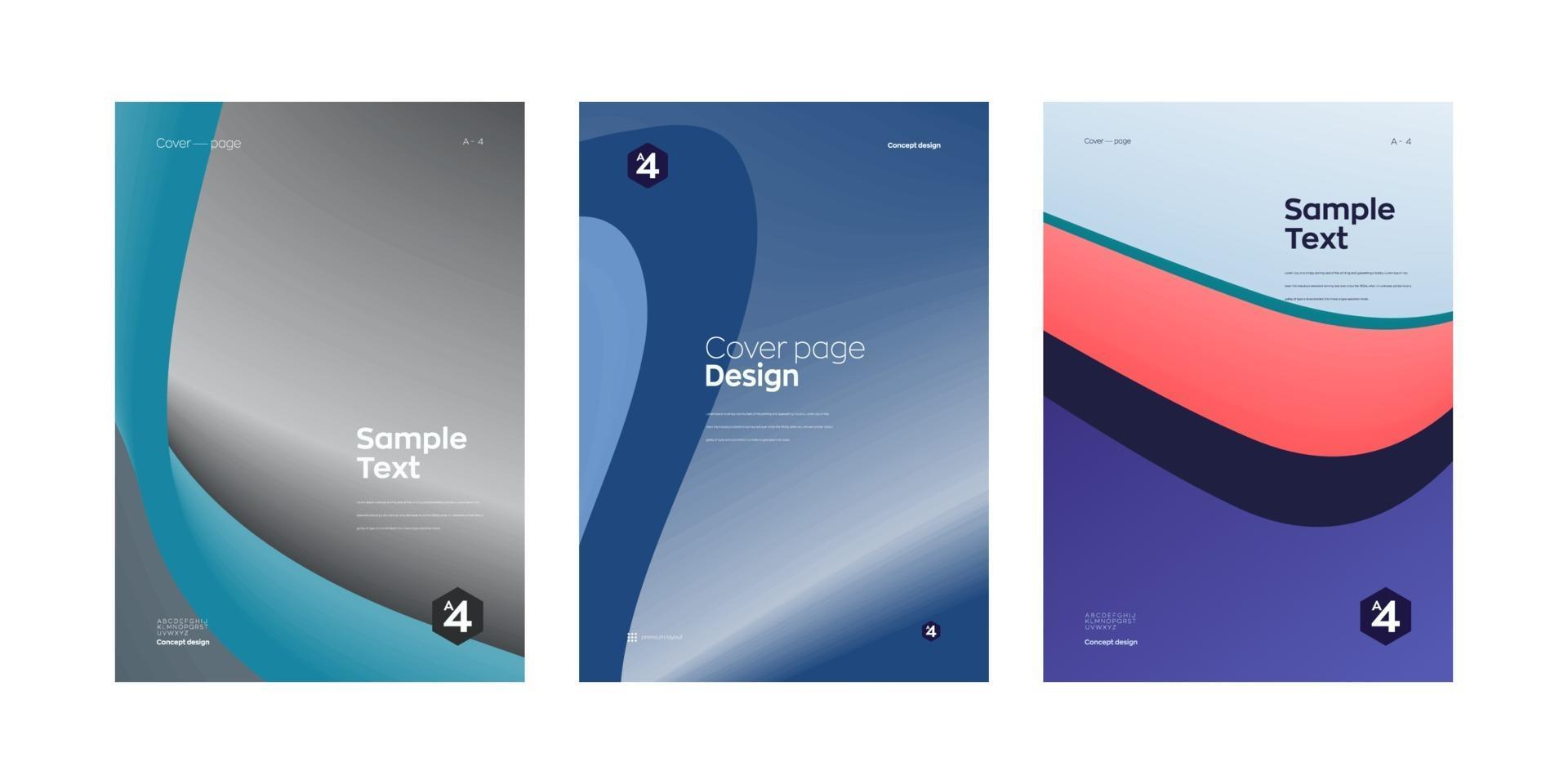
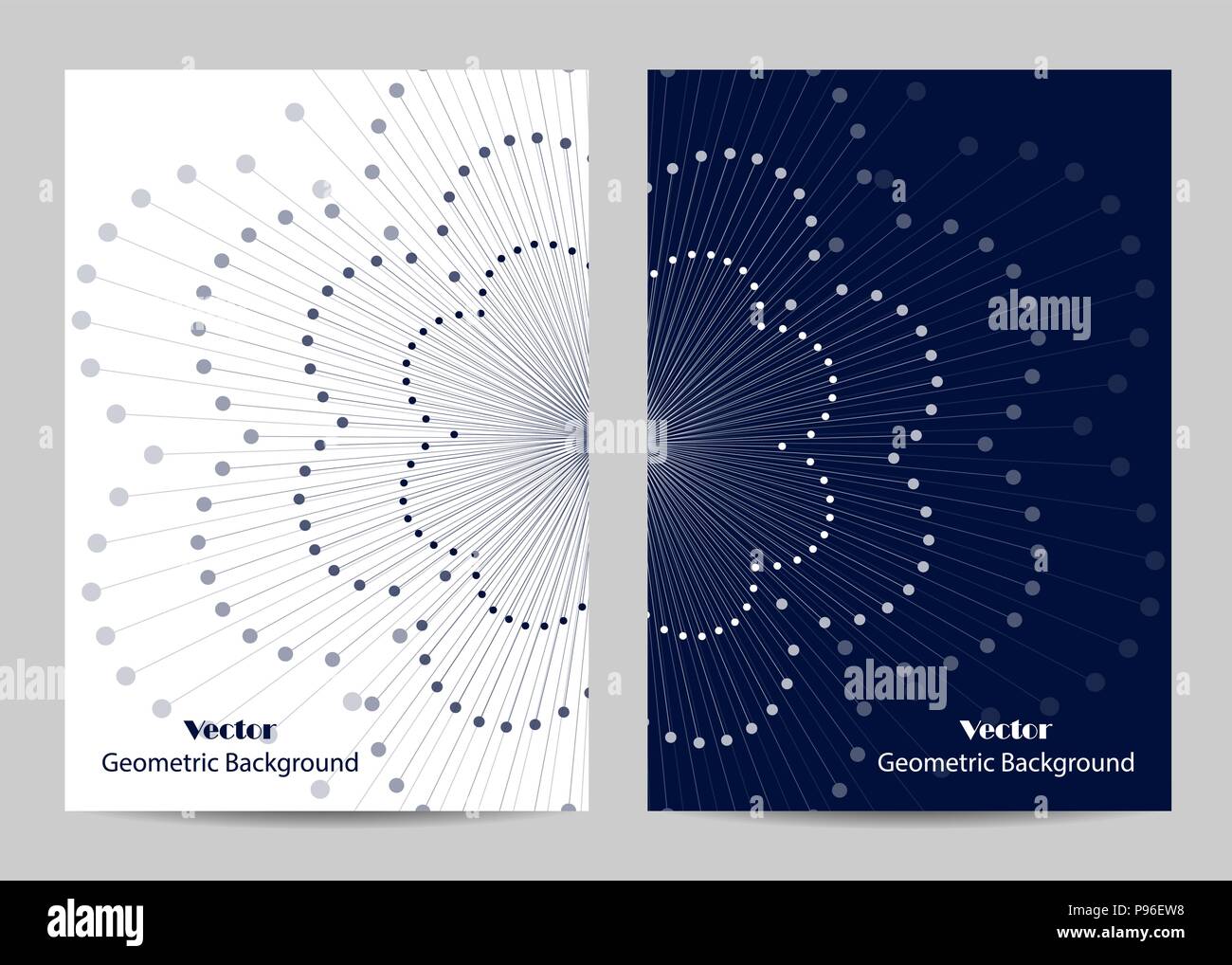
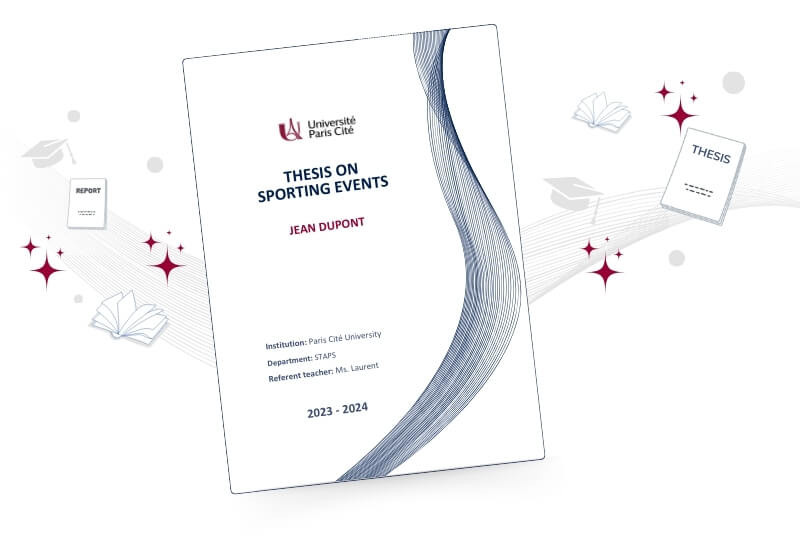
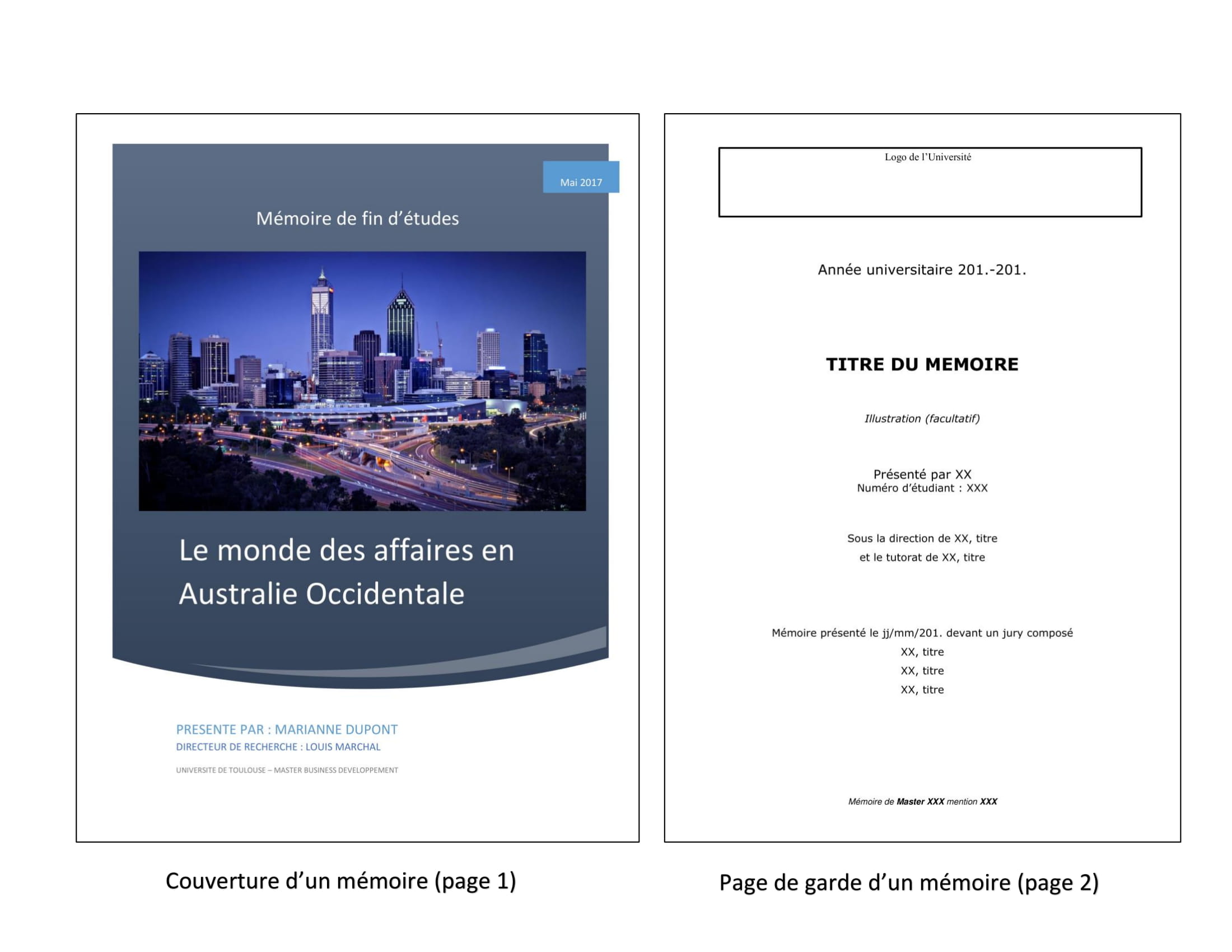
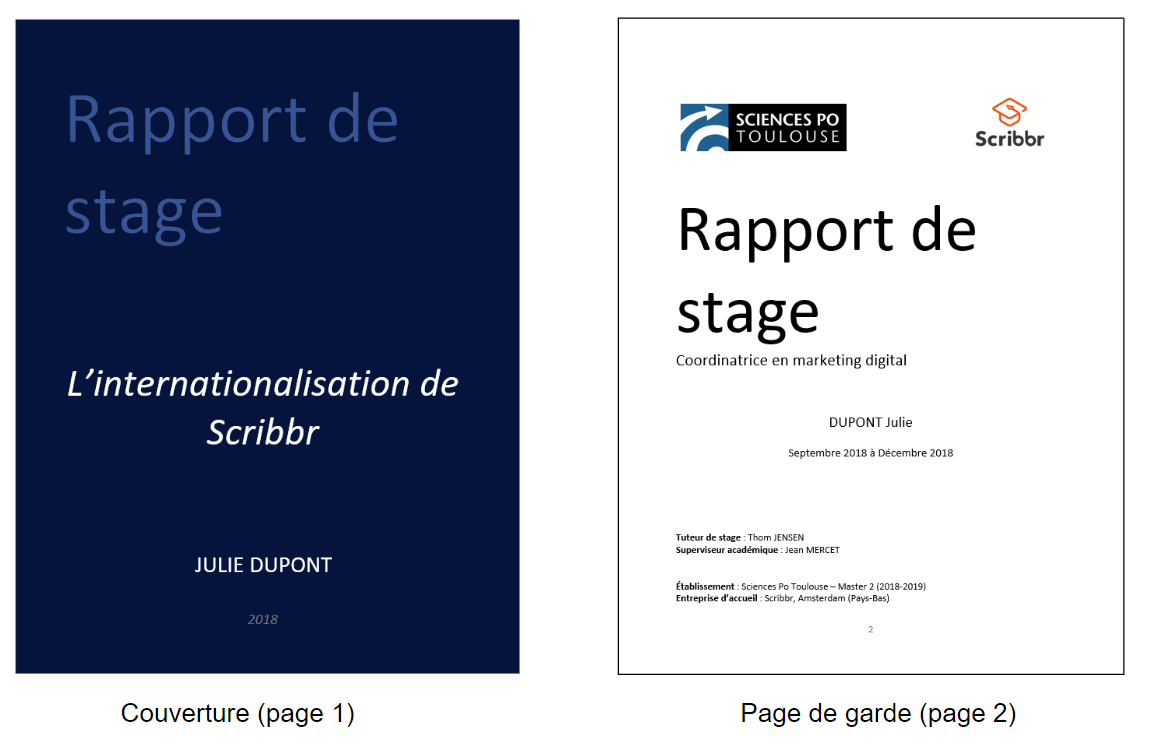
First, let's talk about the couverture. Think of it as the rockstar of your document. It's the first thing people see, the one making the grand entrance. It's supposed to be eye-catching, professional (or artistic, depending on the document!), and give a clear idea of what lies within. Think beautiful images, bold titles, maybe a snazzy design. Basically, it’s selling your work before anyone even reads it! Who wouldn't want to make a great first impression?
Now, enter the page de garde. Imagine it as the ultra-organized assistant. It's less about flashy visuals and more about essential information. Think of it as the "business card" of your document. You'll usually find things like the title of your work, your name (très important!), the date, maybe the name of your institution or company, and sometimes a professor's name or a course number (if it's for school, of course!). It's all about clarity and giving context.
So, to put it simply: the couverture is the pretty face, and the page de garde is the brains behind the operation. They're both important, but they have very different roles. A good couverture grabs attention; a good page de garde provides the crucial details.
Think of a novel. The couverture is the cover art, the title, the author's name in big, impressive letters. The page de garde is the inside page that repeats the title, author, and publisher information, often with a copyright notice. See? Makes sense, right?
Let's break it down even further:
- Couverture: Visual impact, attractive design, grabs attention.
- Page de garde: Essential information, title, author, date, etc. It's all about being clear and concise.
Don't stress too much about getting it perfectly right. The most important thing is to be clear and professional. And remember, knowing the difference between these two can make your documents look polished and professional. Think of it as adding that final chef's kiss to your work!
Understanding these differences not only makes your documents more professional but also boosts your confidence. You'll walk into that presentation or submit that paper knowing you've nailed the details! And who knows, maybe you’ll even become the expert on document formatting amongst your friends! 😉
So, go forth and conquer your documents! Experiment with different designs, find what works for you, and don't be afraid to get creative. The world of document formatting awaits your newfound knowledge! Now that you’ve grasped the basics, why not explore different design software or research document formatting best practices? The possibilities are endless, and the power to create impactful documents is now in your hands. Allez, on y va!