Okay, picture this. My friend Sophie, total sweetheart, decided to rent an apartment with her slightly… shall we say, adventurous brother, Antoine. Antoine, bless his heart, is the kind of guy who "forgets" things – like paying rent. Sophie, being the responsible one, naturally signed as the caution. Fast forward six months, Antoine is four months behind on rent and the landlord is breathing down Sophie's neck. Big time. Now, here's the kicker: she'd signed as a "caution simple". This little detail changed everything. You’ll see why in a minute… because spoiler alert, it could have been a lot worse for her! And that, my friends, is why we're here today: to untangle the mysteries of caution simple versus caution solidaire.
Because let's be honest, "caution" sounds like something you shout at someone who's about to trip, not a legally binding agreement. It all gets a bit… murky. So, grab your coffee (or wine, no judgement here!), and let's dive in.
What exactly is a "Caution"?
In simple terms, a "caution" (guarantor in English) is someone who promises to pay someone else's debt if they can't. Think of it as a safety net. Typically, this comes into play when renting an apartment. The landlord wants assurance that they'll get their rent, even if the tenant defaults. Enter the caution – usually a parent, relative, or close friend willing to vouch for the tenant's reliability.
You are a caution? Big responsibilities! But before you sign anything, you NEED to know what kind of caution you're getting yourself into. That's where the "simple" and "solidaire" distinctions come in.
Caution Simple: The "Nice Guy" Version
Caution simple is, generally speaking, the less risky option for the guarantor. Here's the deal:

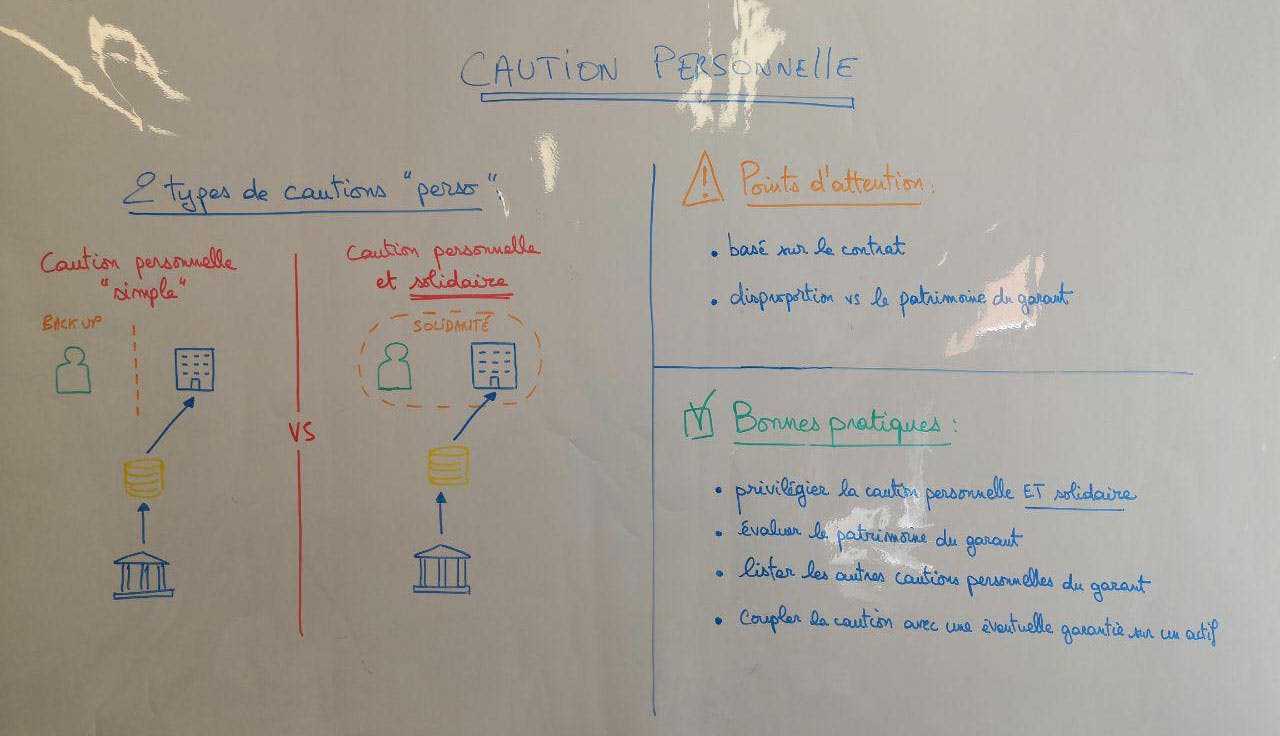
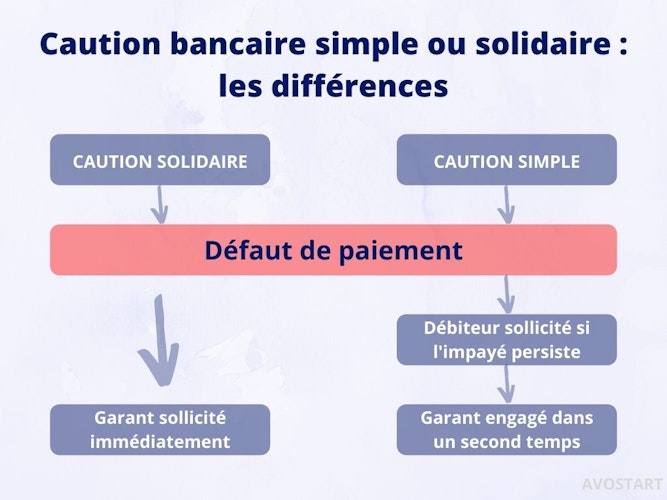
- The Landlord's Gotta Try First: Before the landlord can come after you (the caution), they must first pursue the tenant for the unpaid debt. This is called the "bénéfice de discussion." Basically, they need to prove they've exhausted all options to get the money from the tenant directly. Think: sending demand letters, initiating legal proceedings, attempting to seize assets – the whole shebang.
- "Okay, so I just have to stall for the tenant, right?" NOPE! Don't get any ideas. The landlord doesn't have to wait forever. But they do have to make a genuine effort to collect from the tenant first. This is a crucial detail.
- Show Me the Money (...of the Tenant): You, as the caution simple, can even tell the landlord: "Hey, I know Antoine has a sweet vintage motorcycle collection rotting in his garage. Go seize that before you bother me!" (Okay, maybe say it more politely. Legally.) This is called the "bénéfice de division." If there are other cautions on the lease, you can insist the landlord goes after everyone else.
- Limited Liability: You're only responsible for what's stated in the caution agreement. So, if the agreement specifies a maximum amount or a specific period of guarantee, that's all you're liable for.
So, in Sophie's case, the landlord had to prove they'd tried everything to get the rent from Antoine before turning to her. This bought her some time and potentially lessened her financial burden.
Caution Solidaire: Buckle Up, Buttercup!
Caution solidaire, on the other hand, is where things get… interesting. Or terrifying, depending on your perspective. It's the "not-so-nice guy" version, from the guarantor's point of view. Here's the lowdown:
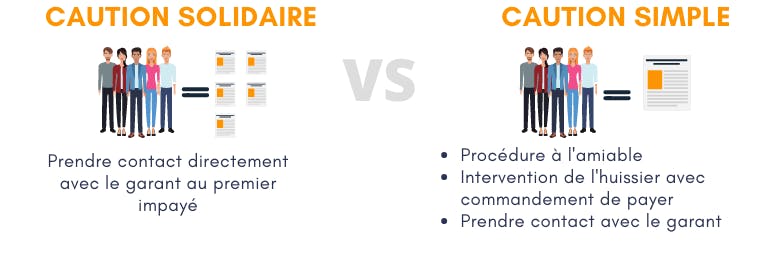
- Landlord Goes Straight for the Jugular (Yours!): With caution solidaire, the landlord can come after you immediately if the tenant defaults. No need to bother with all that pesky "trying to collect from the tenant first" business. Forget the "bénéfice de discussion." It's gone! Bye-bye!
- Joint and Several Liability: "Solidaire" means "jointly liable". This means you are as responsible as the tenant. The landlord could demand the entire debt from you, even if the tenant has some assets.
- No Hiding Behind Other Cautions: Remember the "bénéfice de division" we talked about? Doesn't exist here! If there are other cautions, the landlord can still demand the full amount from you alone. You're on the hook, my friend.
- Potentially Unlimited Liability: Unless the agreement explicitly limits your liability, you could be on the hook for the entire debt, plus interest, penalties, and legal fees. Ouch!
Imagine if Sophie had been a caution solidaire. The landlord could have skipped Antoine entirely and demanded the full four months' rent directly from her, potentially putting her in a very difficult financial situation. Scary, right?

Why Landlords Prefer Caution Solidaire (Duh!)
It's pretty obvious, isn't it? Caution solidaire gives landlords maximum protection. It's faster, easier, and guarantees they'll get their money, one way or another. From their perspective, it's a no-brainer.
The Million-Dollar Question: Which One Are You Signing?
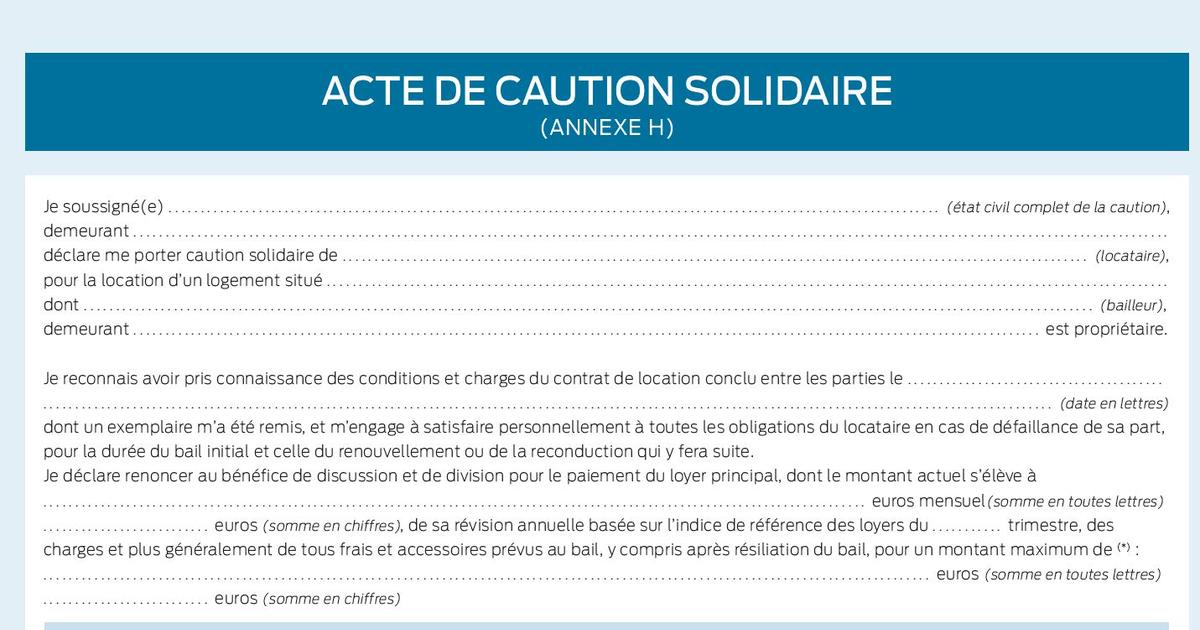
This is the most important thing to understand. READ THE AGREEMENT CAREFULLY! Don't just skim it. Don't assume anything. Look for the phrases "caution simple" or "caution solidaire". If it's not explicitly stated, ask the landlord to clarify. If you don't understand something, get legal advice! Trust me, a few hundred euros for a lawyer's consultation is a small price to pay compared to potentially being on the hook for thousands of euros in unpaid rent.
Seriously, people. Don't be like my Uncle Gerard who signed a lease in tiny font, thinking he was doing a good deed for his nephew. Ended up paying the mortgage for his nephew's gambling debt!
In Summary: A Quick Cheat Sheet
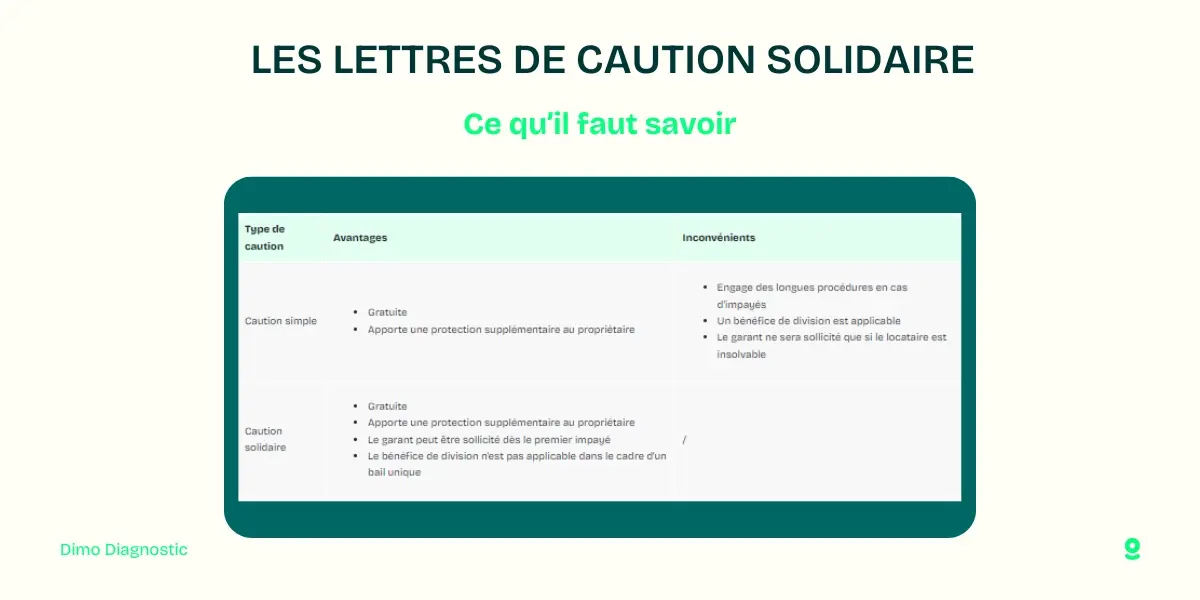
- Caution Simple: Landlord must pursue the tenant first. You can invoke "bénéfice de discussion" and "bénéfice de division". Generally less risky.
- Caution Solidaire: Landlord can come after you immediately. No "bénéfice de discussion" or "bénéfice de division". Higher risk.
- Always Read the Agreement Carefully! Look for "caution simple" or "caution solidaire". Ask questions. Get legal advice if needed.
Final Thoughts: Be Informed, Be Prepared
Being a caution is a generous act, but it's also a serious commitment. Understand the risks involved, and make sure you're comfortable with them before signing anything. Don't be pressured into signing something you don't understand. Protect yourself! And maybe, just maybe, vet your potential tenants a little bit more carefully than Sophie did. Just a thought!
And remember, I'm not a lawyer, so this isn't legal advice. Consider getting professional advice if you're unsure about anything. Now go forth and conquer the confusing world of French rental agreements! Good luck!