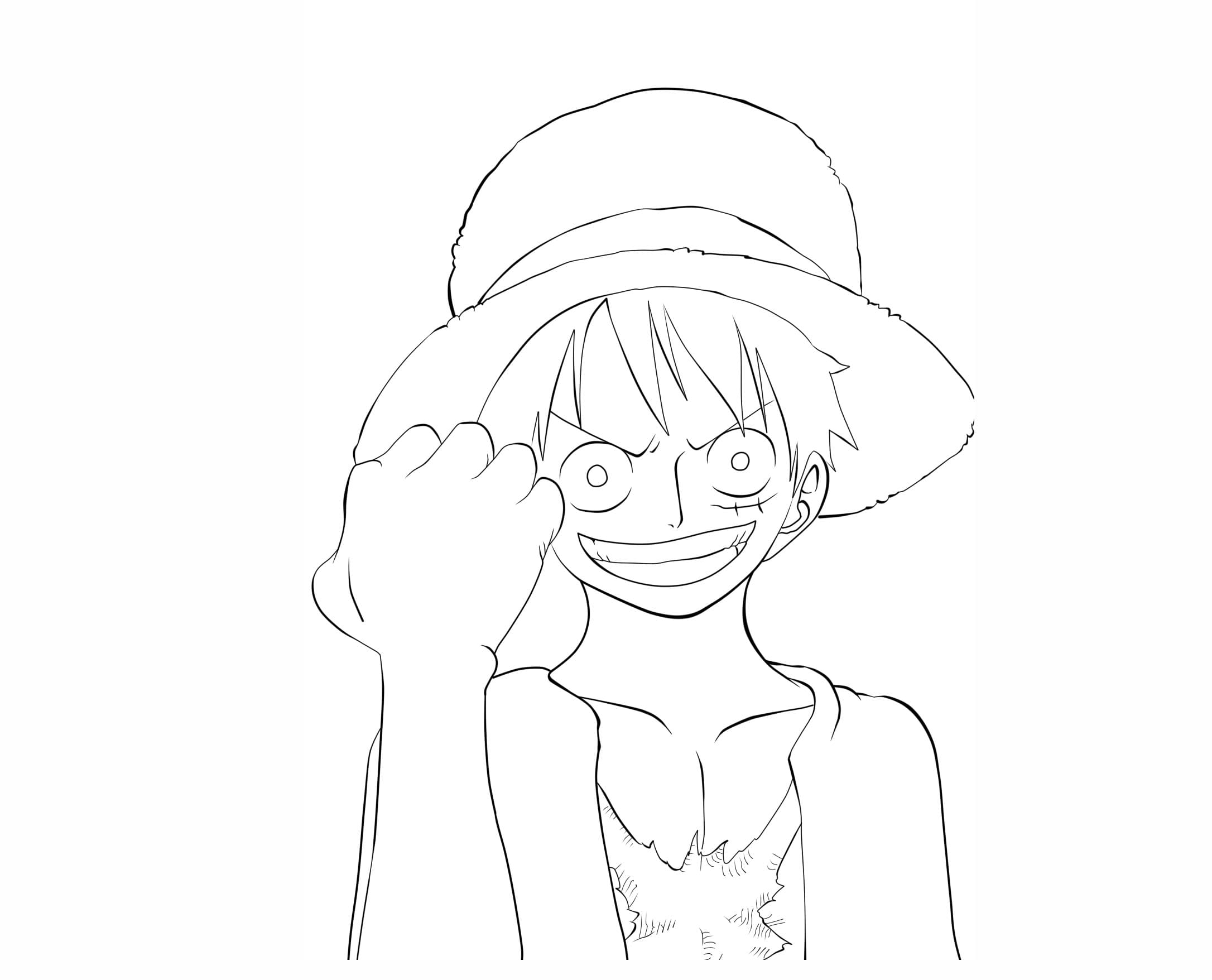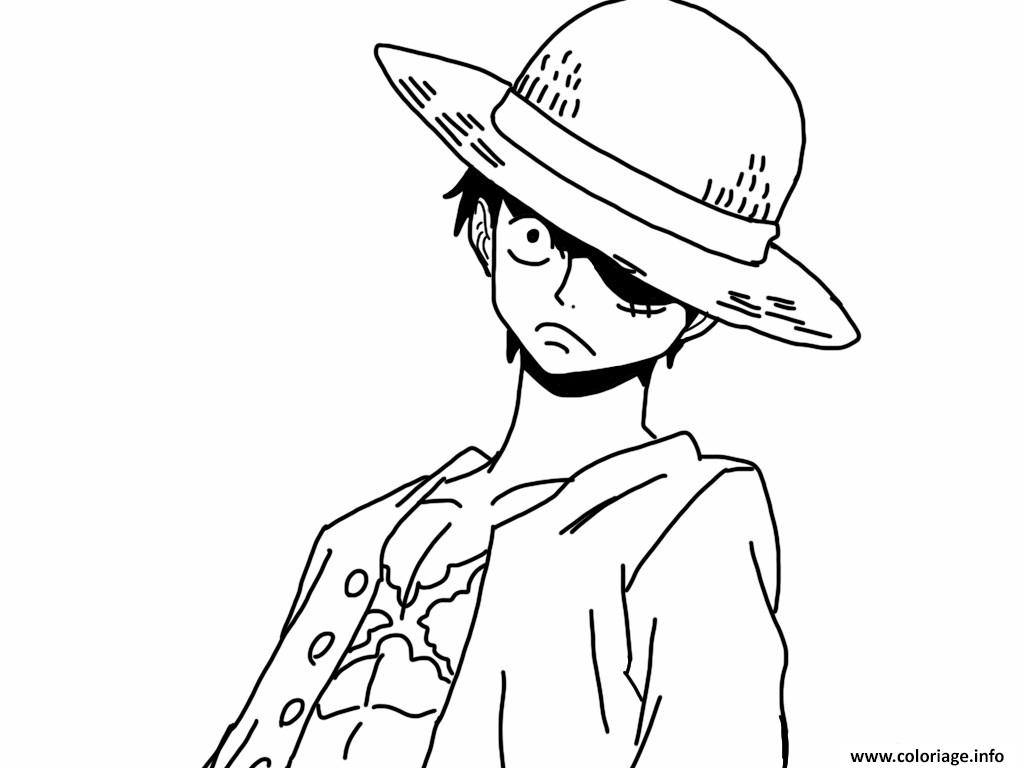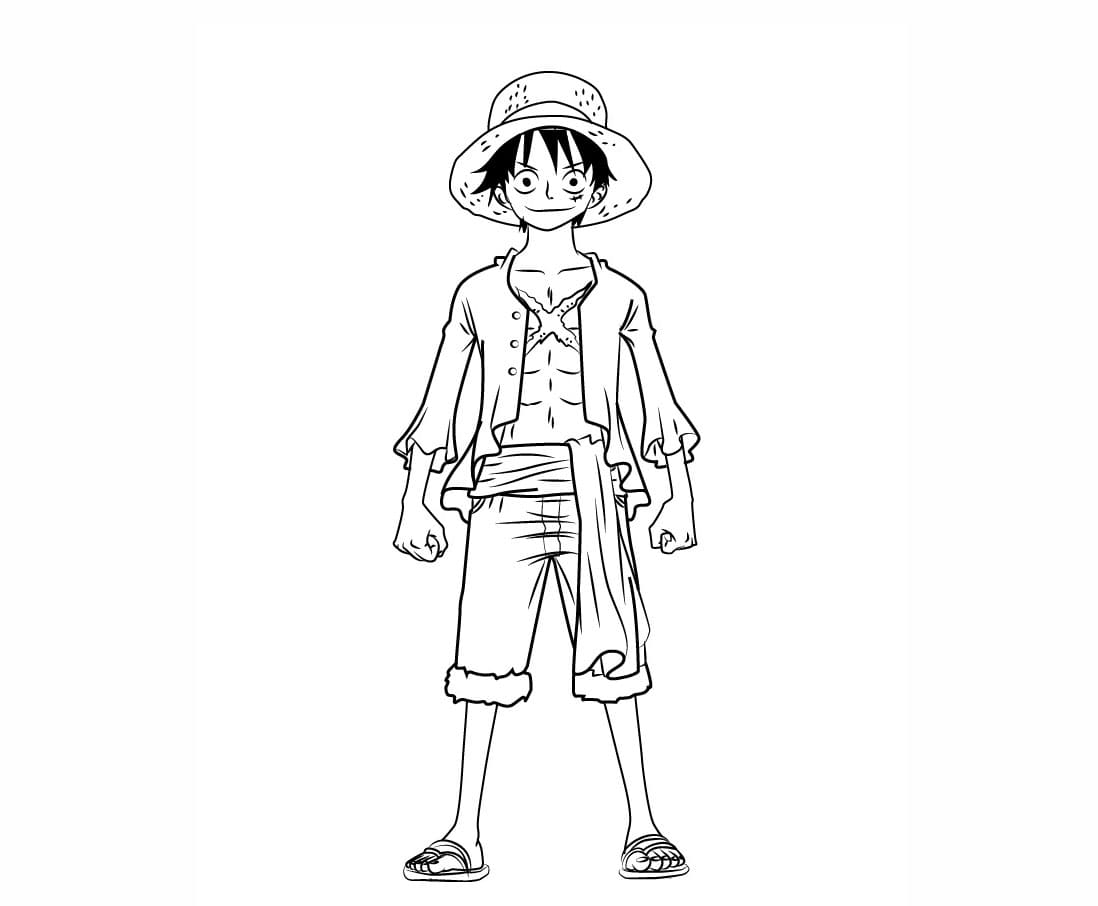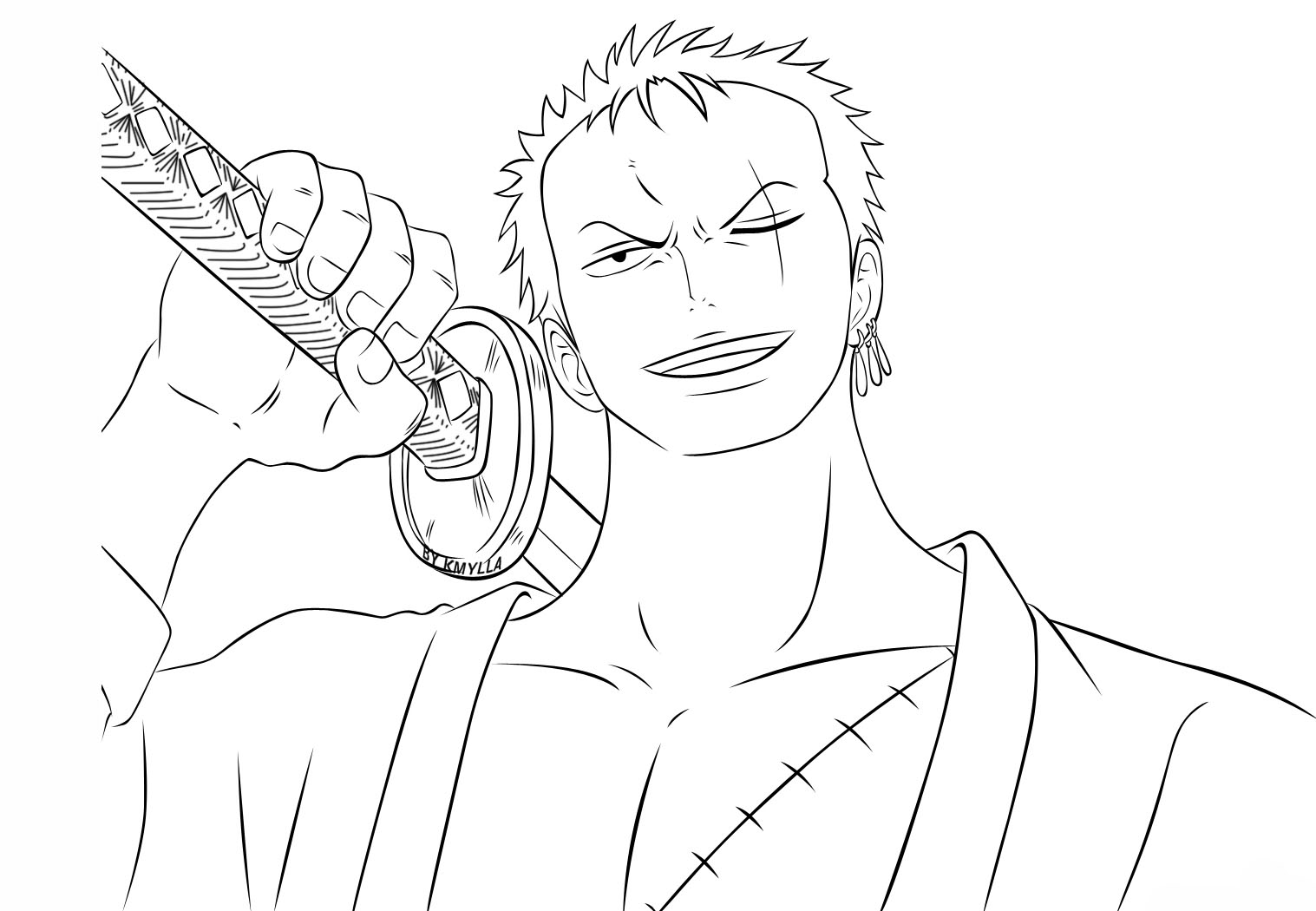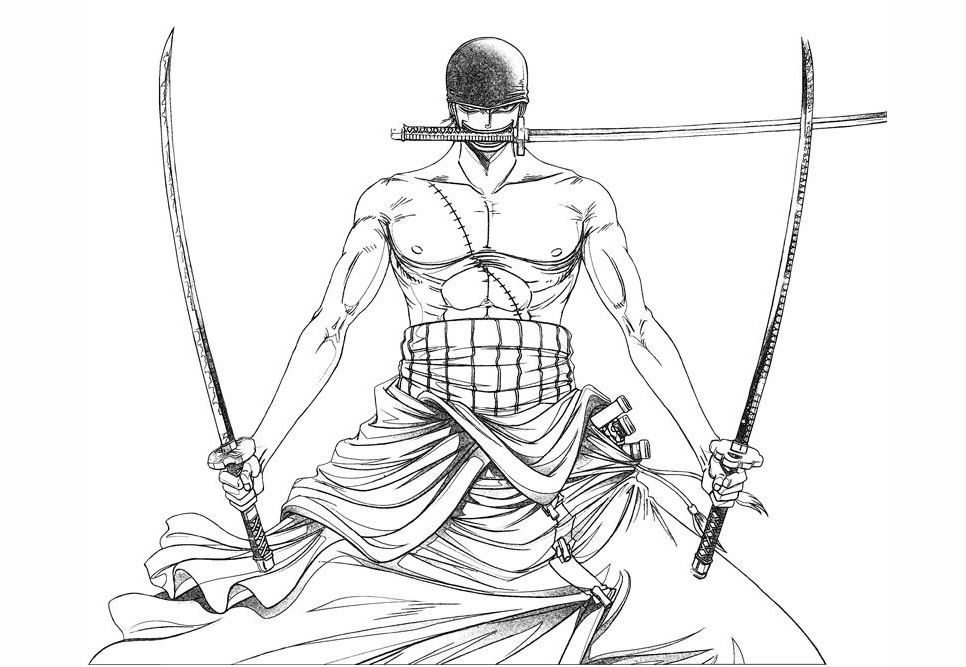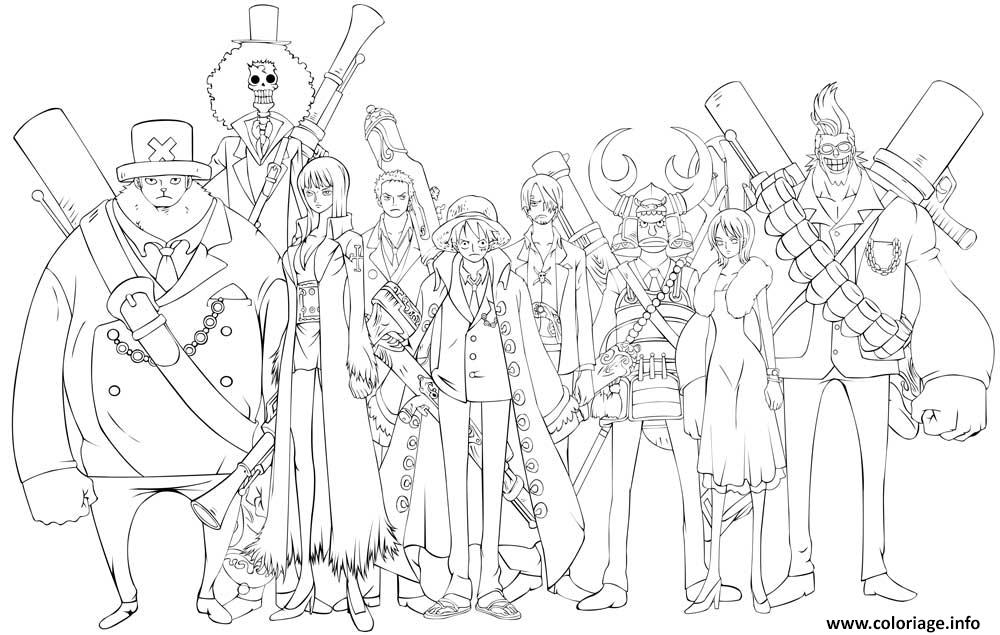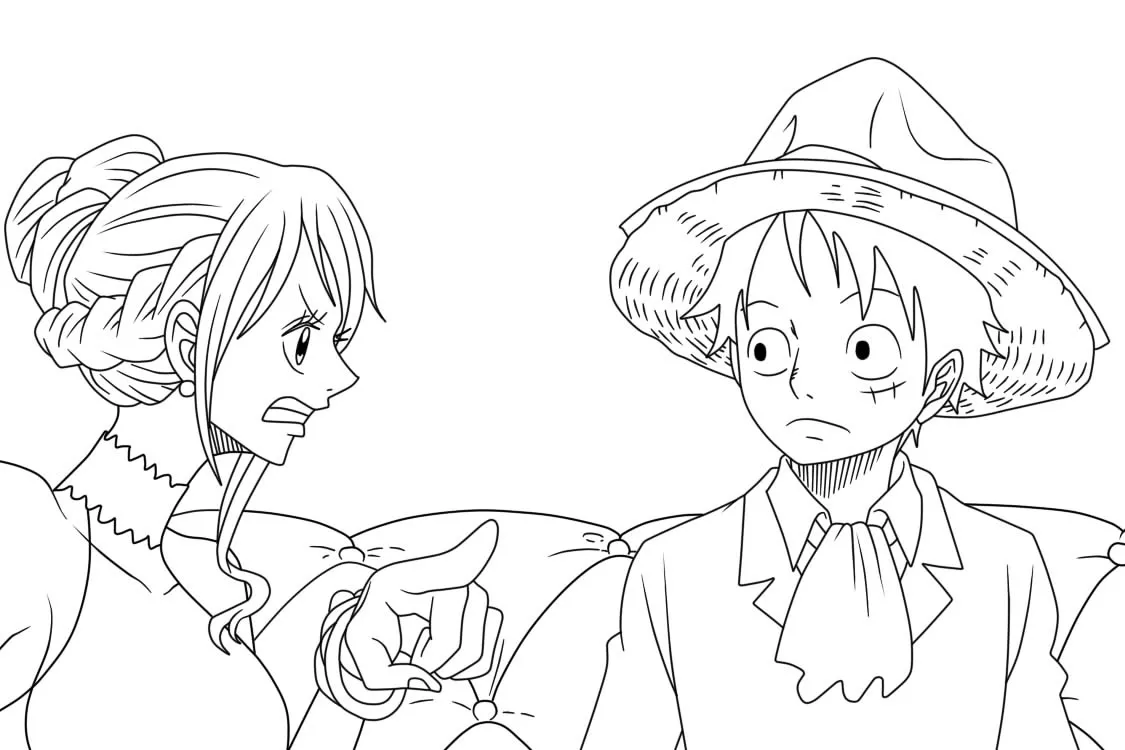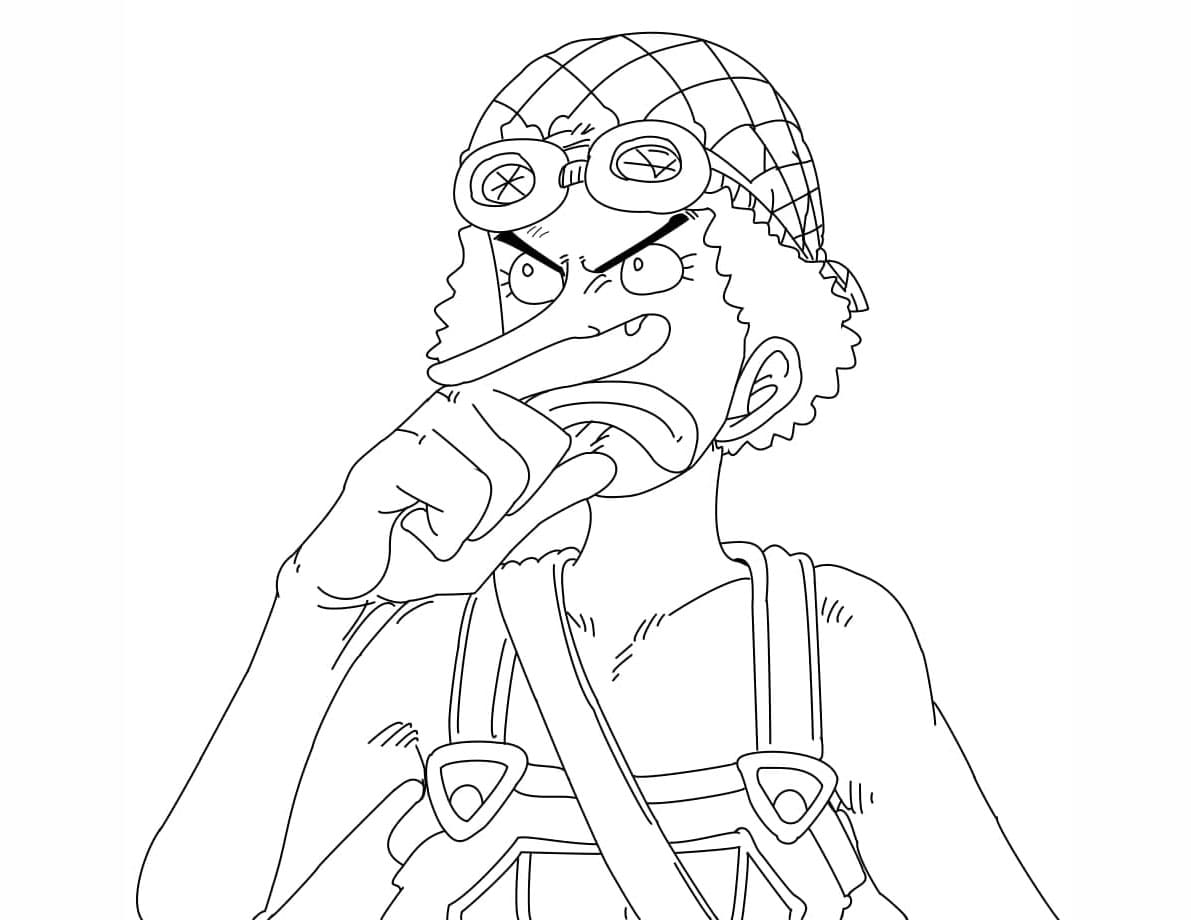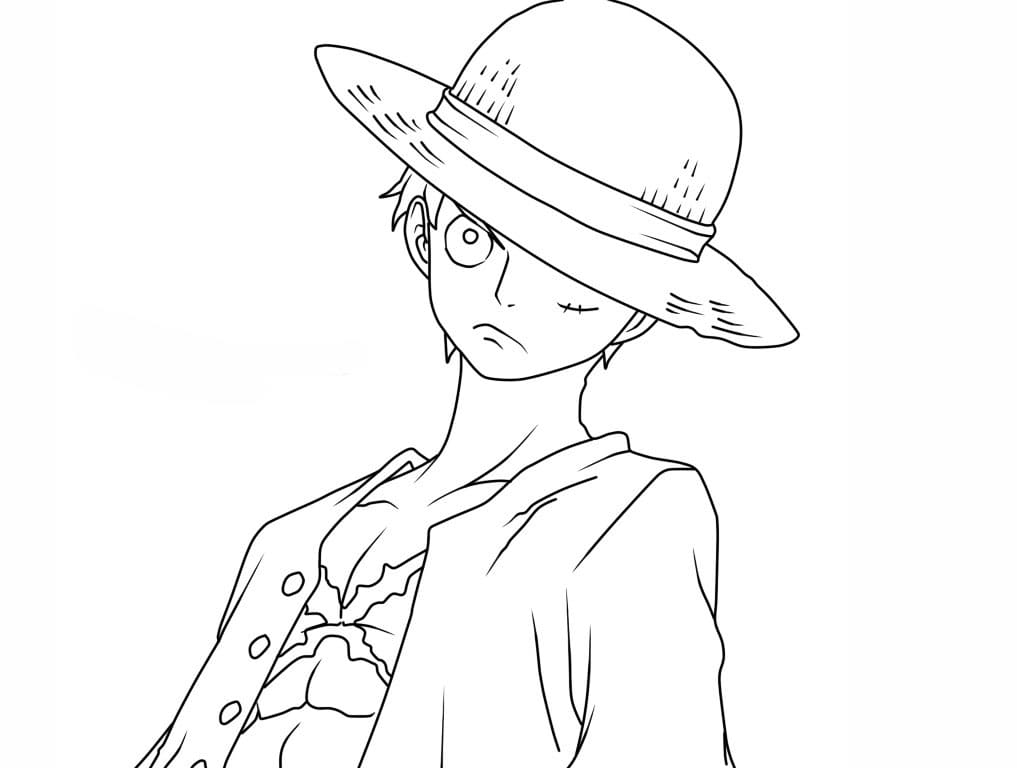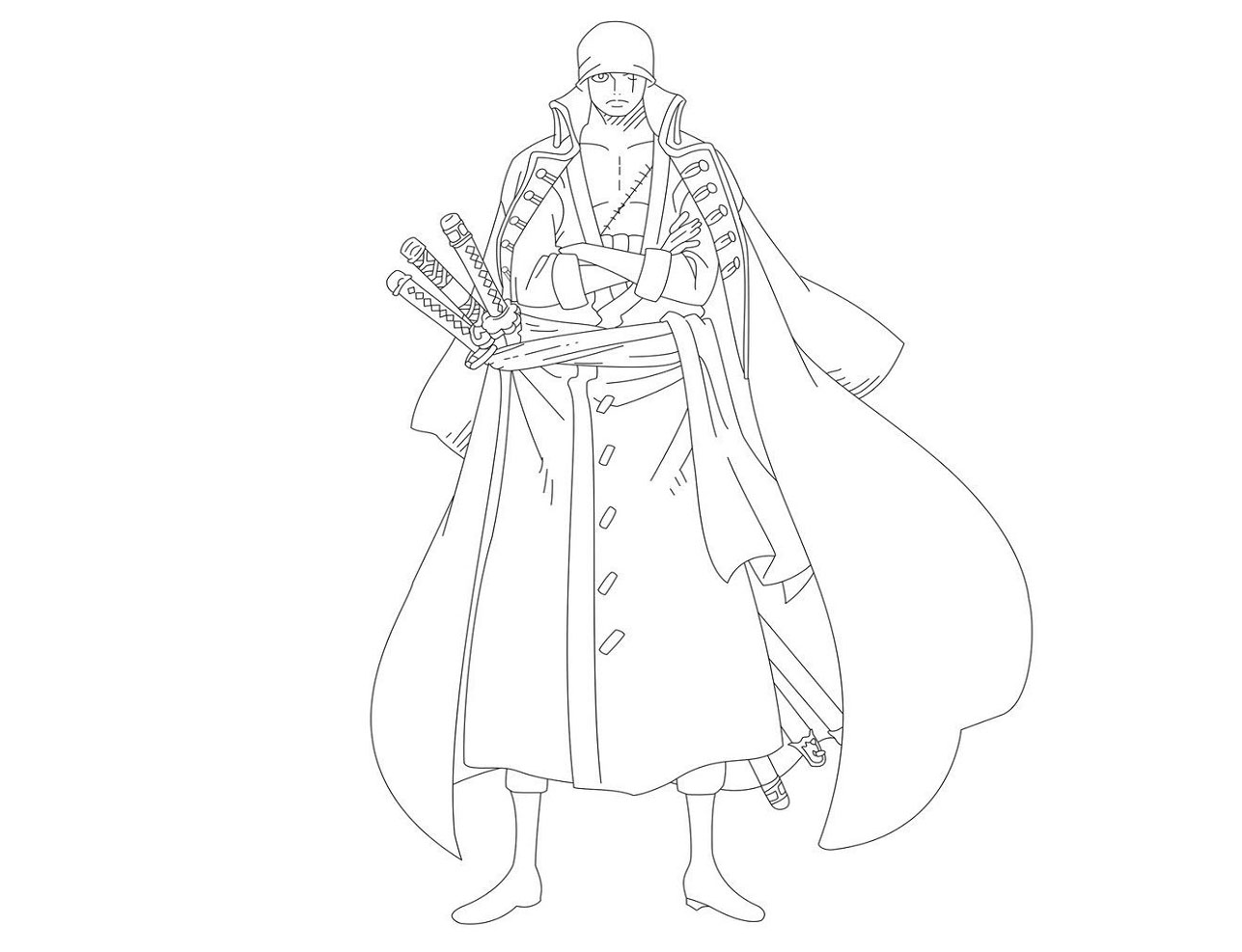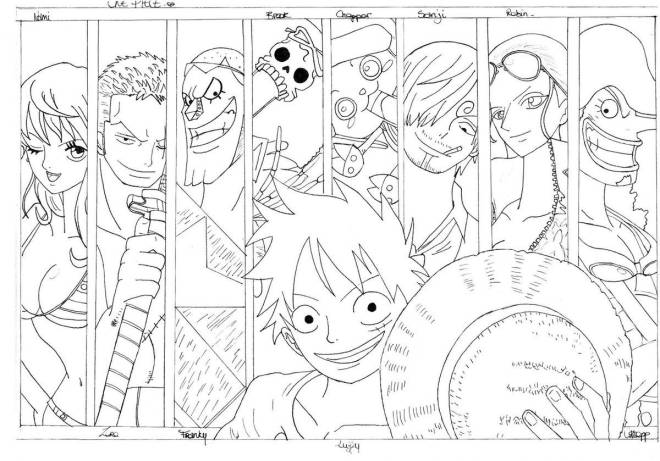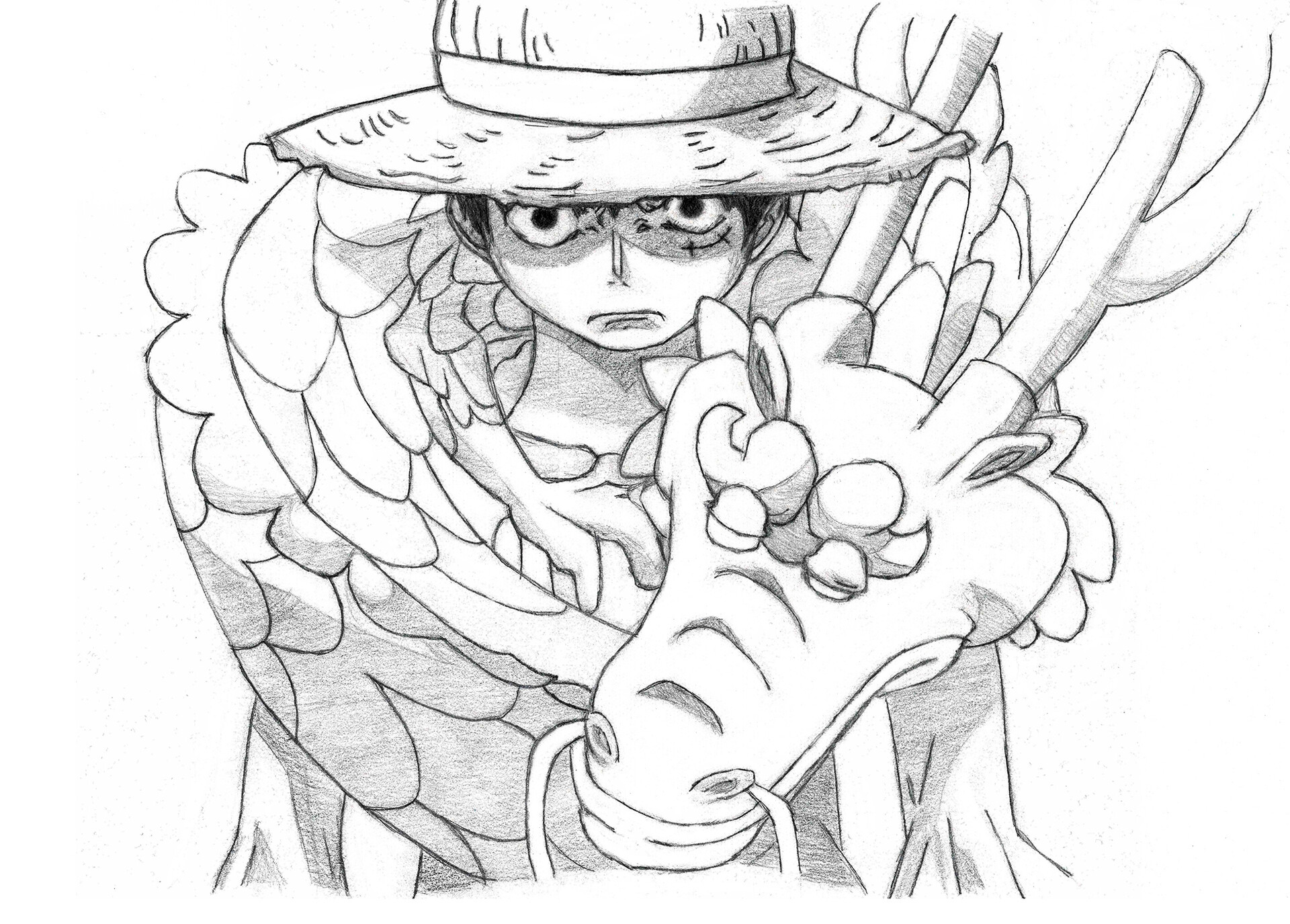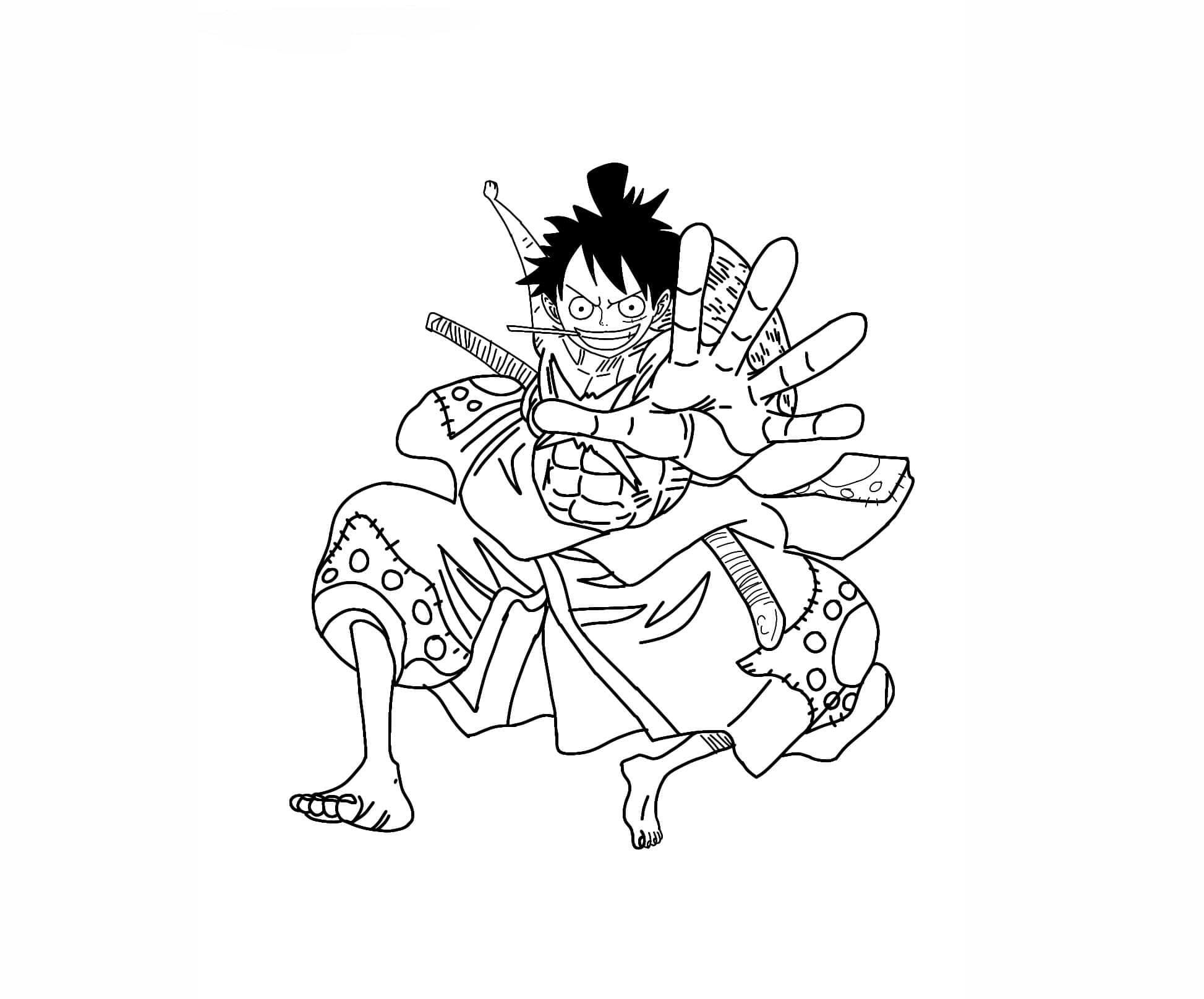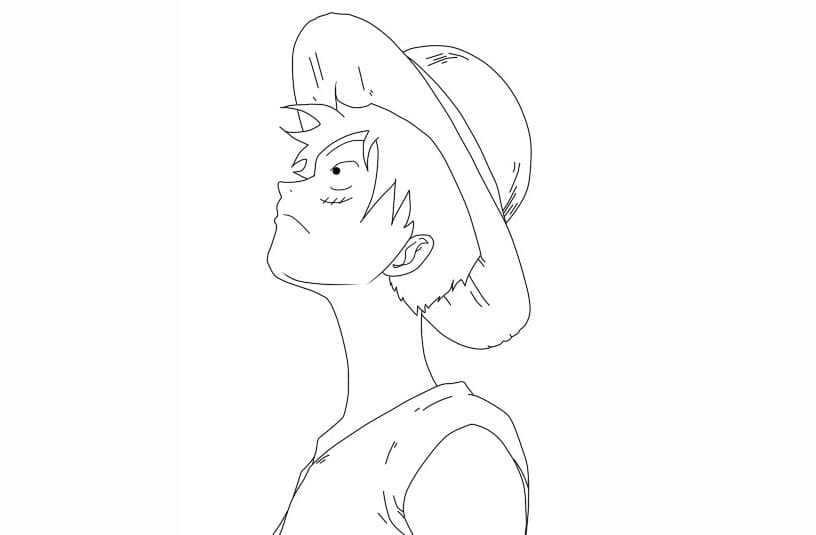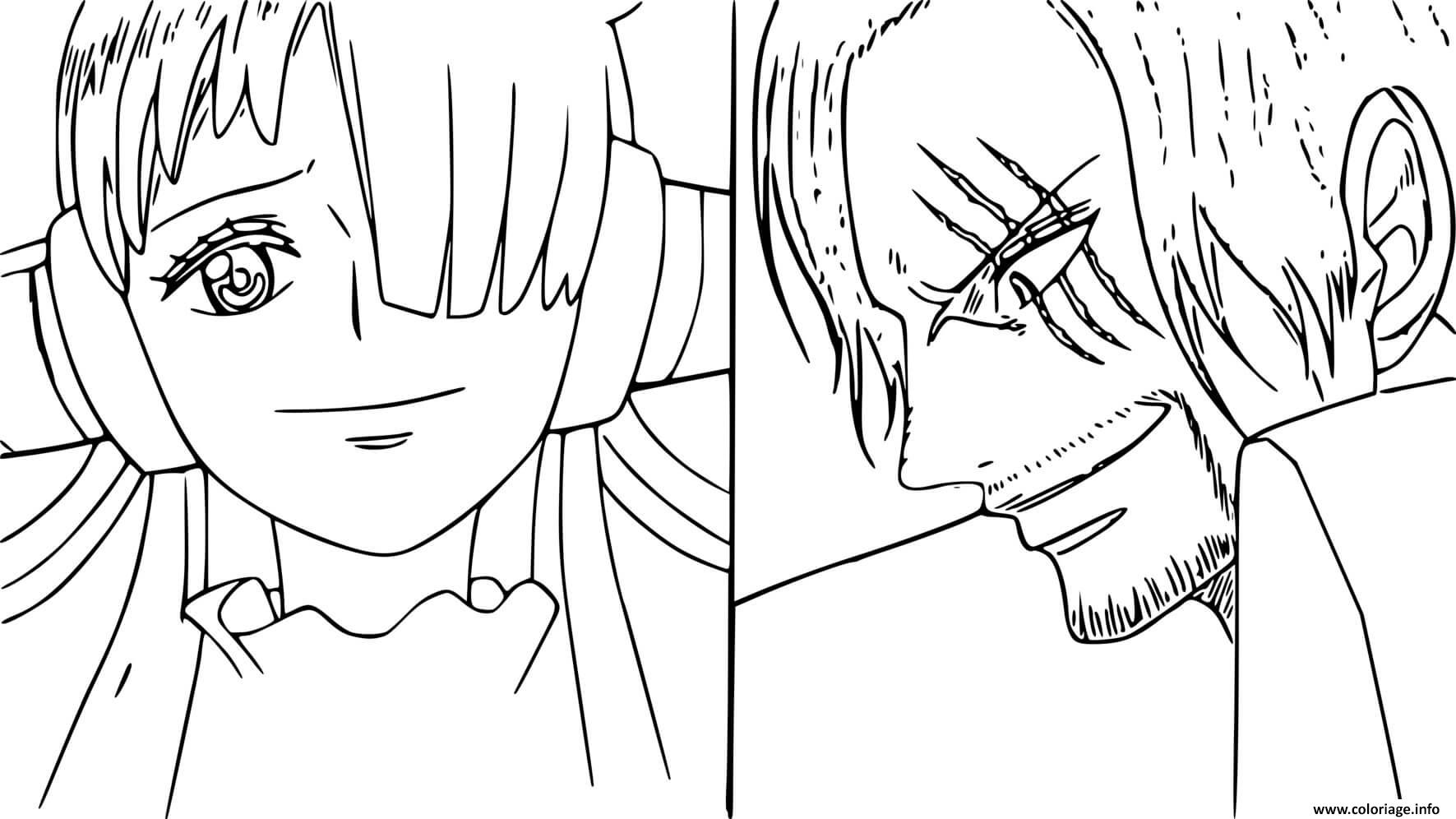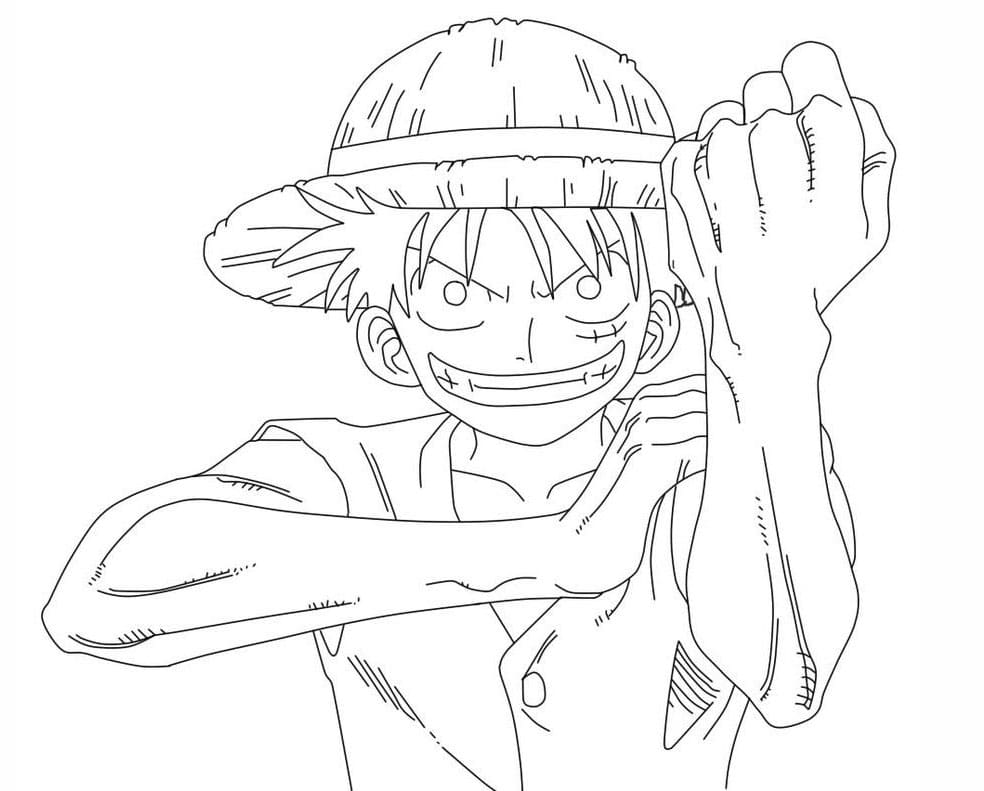
Okay, imagine this: I'm at a comic convention, surrounded by a kaleidoscope of colors. Cosplayers are flashing their vibrant costumes, booths are overflowing with manga volumes bursting with inks and screentones…and then BAM! My eyes land on it. A simple, yet utterly captivating, black and white One Piece drawing. It stopped me dead in my tracks. You know that feeling when something just clicks? That's what happened. It was raw, powerful, and somehow, even more One Piece than all the hyper-colored stuff around it. Seriously, it felt like a punch to the gut, in the best way possible.
That experience got me thinking (as art usually does). Why was this monochrome drawing so effective? What makes One Piece, stripped down to its essential lines and shadows, so…well, so damn cool? We're diving deep into the world of One Piece Black and White Art today. Strap in, Nakama!
Why Black and White? The Appeal of Simplicity
Let’s be honest, in a world saturated with color (looking at you, Instagram!), there's something incredibly refreshing about black and white art. It forces you to really see the subject. No distractions, no hiding behind flashy hues. It's all about form, composition, and emotion. Think about classic film noir, old school photography, and, of course, legendary manga artists like Takehiko Inoue (Vagabond). They understood the power of restraint.
Here's the thing about One Piece: Eiichiro Oda's art style is already incredibly dynamic and expressive. He uses a lot of hatching, speed lines, and exaggerated poses to convey movement and emotion. Translate that into black and white, and you amplify those qualities tenfold. You get pure, unadulterated Oda goodness.
The Technical Side: Line Work and Shading
Good black and white art isn't just about removing the color. It's about understanding how to use value (the lightness or darkness of a color) to create depth, volume, and interest. In a black and white One Piece drawing, the artist needs to master:
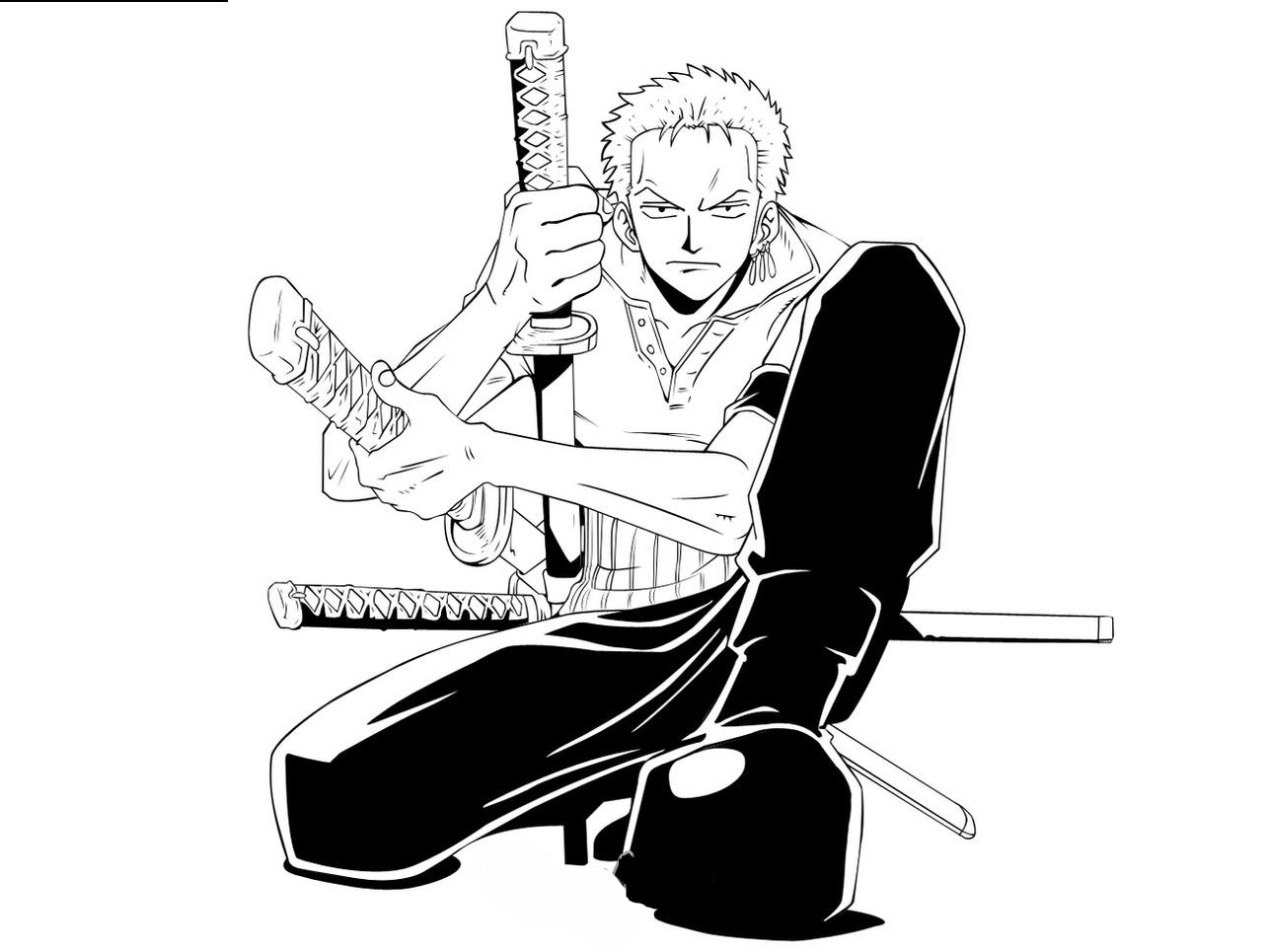
- Line Weight: Varying the thickness of lines to create emphasis and suggest depth. Think about it: a thick line around a character's silhouette makes them pop, while thinner lines are used for details or background elements.
- Hatching and Cross-Hatching: Creating tones and textures by drawing parallel or intersecting lines. This is crucial for defining shadows and adding detail to clothing, hair, and skin. Remember that close-up of Zoro’s scar? Imagine that purely in cross-hatching!
- Stippling: Using dots to create tone. This is a more time-consuming technique, but it can create incredibly subtle and realistic shading. (Patience, young grasshopper!)
- Screentones (Historically!): While less common in hand-drawn art these days, screentones are pre-printed sheets of dots or patterns that can be applied to the drawing to create different shades of gray. Used extensively in manga, especially early One Piece chapters. Now, with digital tools, this can be easily replicated.
It’s all about controlling the contrast and creating a visual hierarchy. You want the viewer's eye to be drawn to the most important elements of the image. And trust me, in a One Piece drawing, there's a lot going on!
One Piece Characters in Monochrome: A Different Perspective
Let's talk about specific characters and how they translate into black and white. Each member of the Straw Hat crew has a distinct design and personality, and a skilled artist can capture that essence even without color.
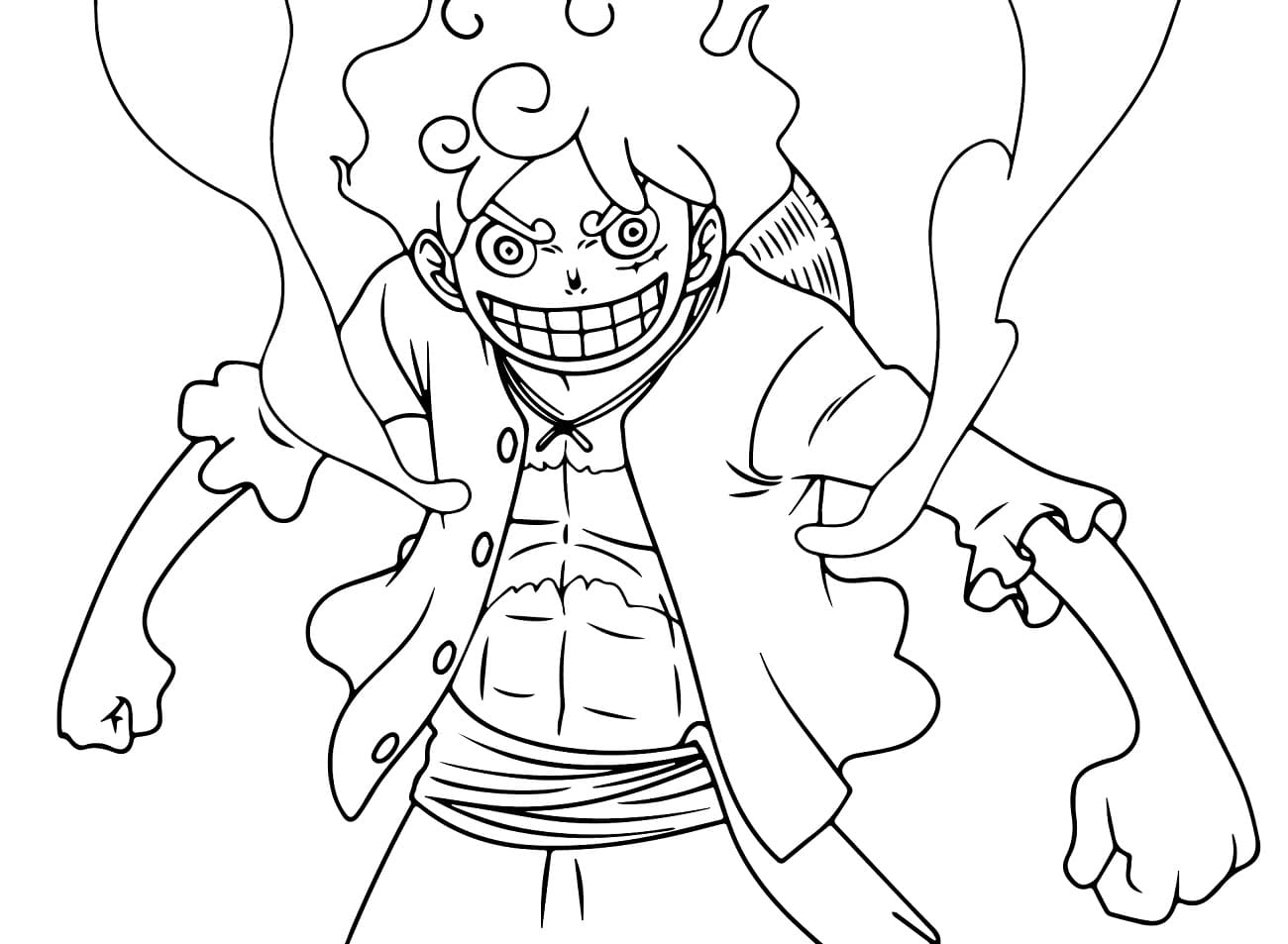
- Luffy: His infectious grin and boundless energy are easily conveyed through dynamic lines and exaggerated expressions. The key is to capture that trademark “D” in his eyes and his straw hat's texture.
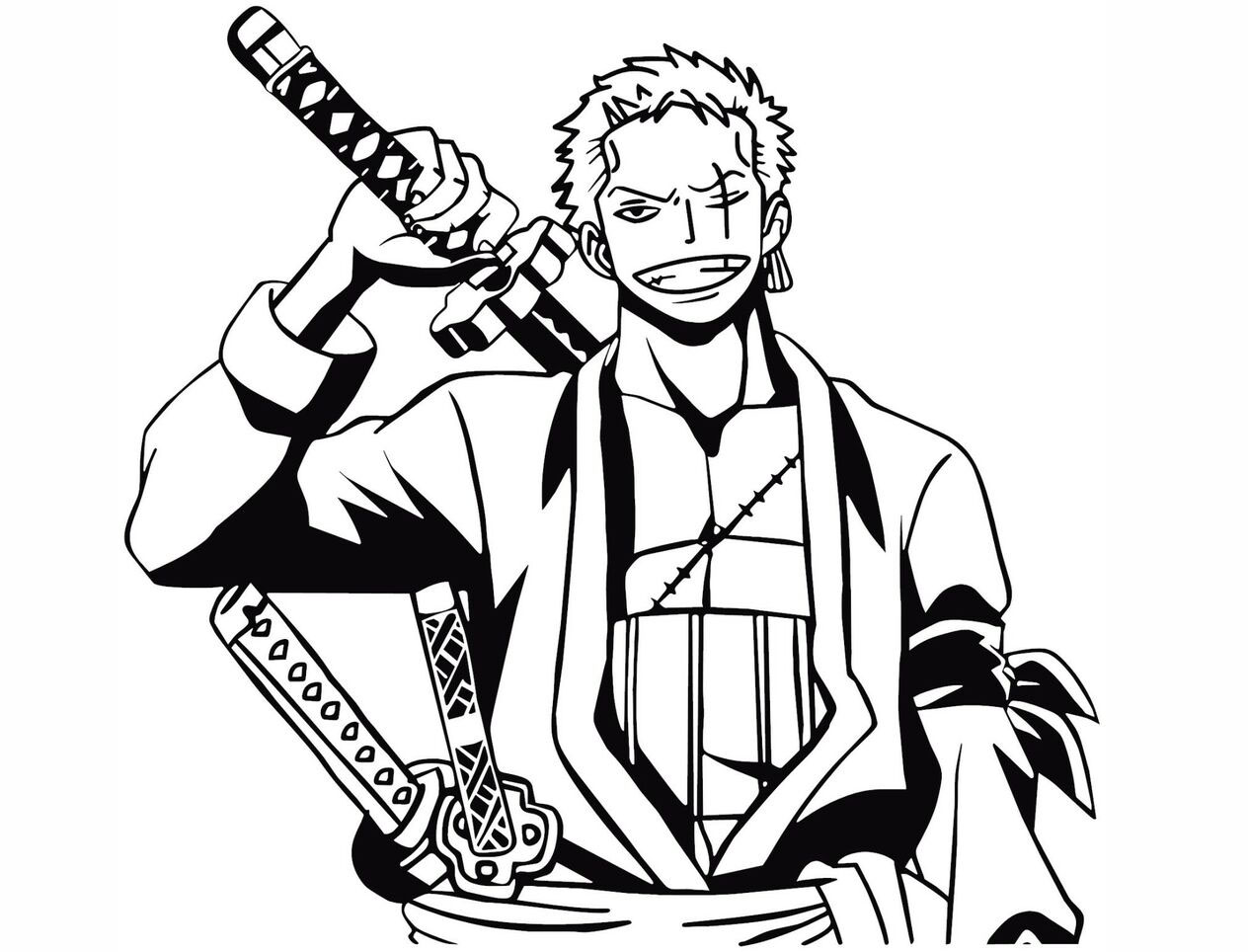
- Zoro: His stern demeanor and muscular build lend themselves well to bold lines and strong shadows. The three swords are, of course, crucial. Imagine the intricate detail on those hilts, rendered in precise linework.
- Nami: Her beauty and intelligence can be highlighted through delicate lines and subtle shading. Don't forget her Log Pose and Clima-Tact – essential details for any Nami fanart.
- Sanji: That suave charm and dedication to cooking! Focus on the cigarette, the perfectly coiffed hair, and maybe a stylized depiction of his culinary creations.
- Chopper: The cute and cuddly doctor looks adorable even in black and white. Emphasize his fluffy fur and expressive eyes.
- Robin: Her sophisticated air and mysterious past are perfectly suited for a noir-inspired treatment. Imagine a black and white drawing of Robin deciphering a Poneglyph under the moonlight...chills!
- Franky: The cyborg's mechanical details and flamboyant poses are a playground for line work and shading. Think rivets, gears, and lots of hard edges. SUPER!
- Brook: Yohohoho! The skeletal musician looks naturally spooky in black and white. Emphasize his bony structure and soul-penetrating gaze.
- Jinbe: The Fish-Man's imposing size and strength are perfectly suited for bold lines and dramatic shadows. Capture his stoic expression and powerful presence.
Notice how each character presents unique artistic challenges and opportunities? That's the beauty of One Piece – it's a visual feast, even without the colors!
Finding Inspiration: Where to See (and Create) Black and White One Piece Art
Okay, so you're itching to see more, right? And maybe even try your hand at creating your own black and white One Piece masterpiece? Here are some tips:
- Online Communities: DeviantArt, Pixiv, and Tumblr are treasure troves of fan art. Search for "One Piece monochrome," "One Piece black and white," or specific character names + "ink" or "line art." Get ready to be amazed!
- Manga Influences: Explore works of artists like Takehiko Inoue (Vagabond, Slam Dunk), Kentaro Miura (Berserk), and Tsutomu Nihei (Blame!, Knights of Sidonia). They are masters of black and white storytelling. Study their techniques and see how they use light and shadow.
- Digital Art Software: Programs like Photoshop, Clip Studio Paint, and Procreate offer incredible tools for creating digital ink drawings. Experiment with different brushes, line weights, and shading techniques.
- Traditional Media: Don't underestimate the power of a good old-fashioned pen and ink! Experiment with different types of pens (fineliners, brush pens, fountain pens) and paper textures. It’s a tactile experience you can't get with digital art.
- Practice, Practice, Practice! The more you draw, the better you'll become. Don't be afraid to experiment, make mistakes, and learn from them. Every artist starts somewhere! Try redrawing panels from the manga in black and white to get a feel for Oda's style.
And remember: Don't be afraid to put your own spin on things! The best art is always original. Let your creativity flow and see where it takes you. Who knows, maybe you'll be the next big One Piece artist!
Final Thoughts: The Enduring Power of One Piece
Ultimately, the appeal of black and white One Piece art lies in its ability to distill the series down to its core essence: the characters, the story, and the emotions. It's a reminder that you don't need flashy colors to create something truly powerful and captivating. It’s about raw talent, a deep understanding of the source material, and a passion for the art form. It’s a testament to Oda’s genius that even without color, the world of One Piece continues to thrill and inspire us.
So, the next time you're feeling overwhelmed by the constant barrage of colors in the world, take a moment to appreciate the beauty of simplicity. Seek out a black and white One Piece drawing (or create one yourself!) and let it transport you to the Grand Line. Bon Voyage!