“Il dort. Il est très jeune. Allongé dans l’herbe...” Arthur Rimbaud’s Le Dormeur du Val. A poem. A painting. A mood. More than just a high school literature assignment, this piece speaks to us, even centuries later. Let’s unpack why.
A Picture Painted With Words: What is Le Dormeur du Val?
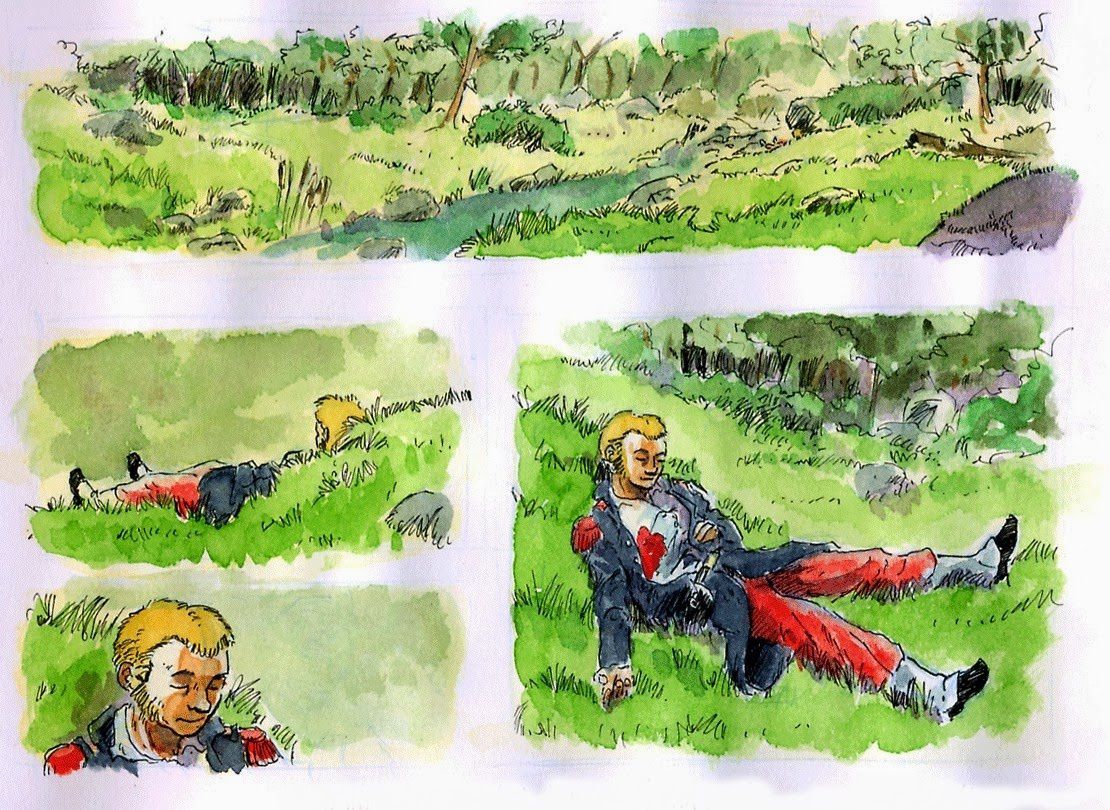
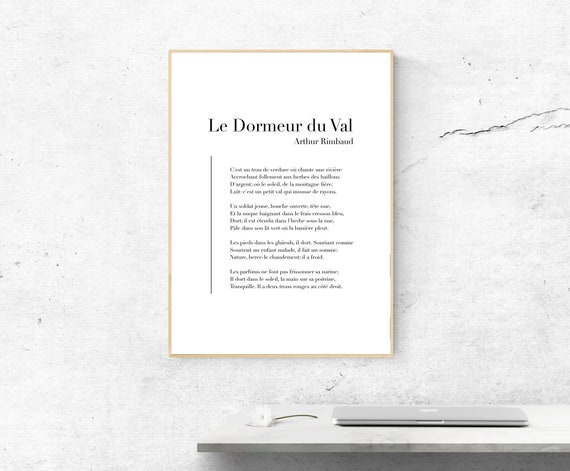
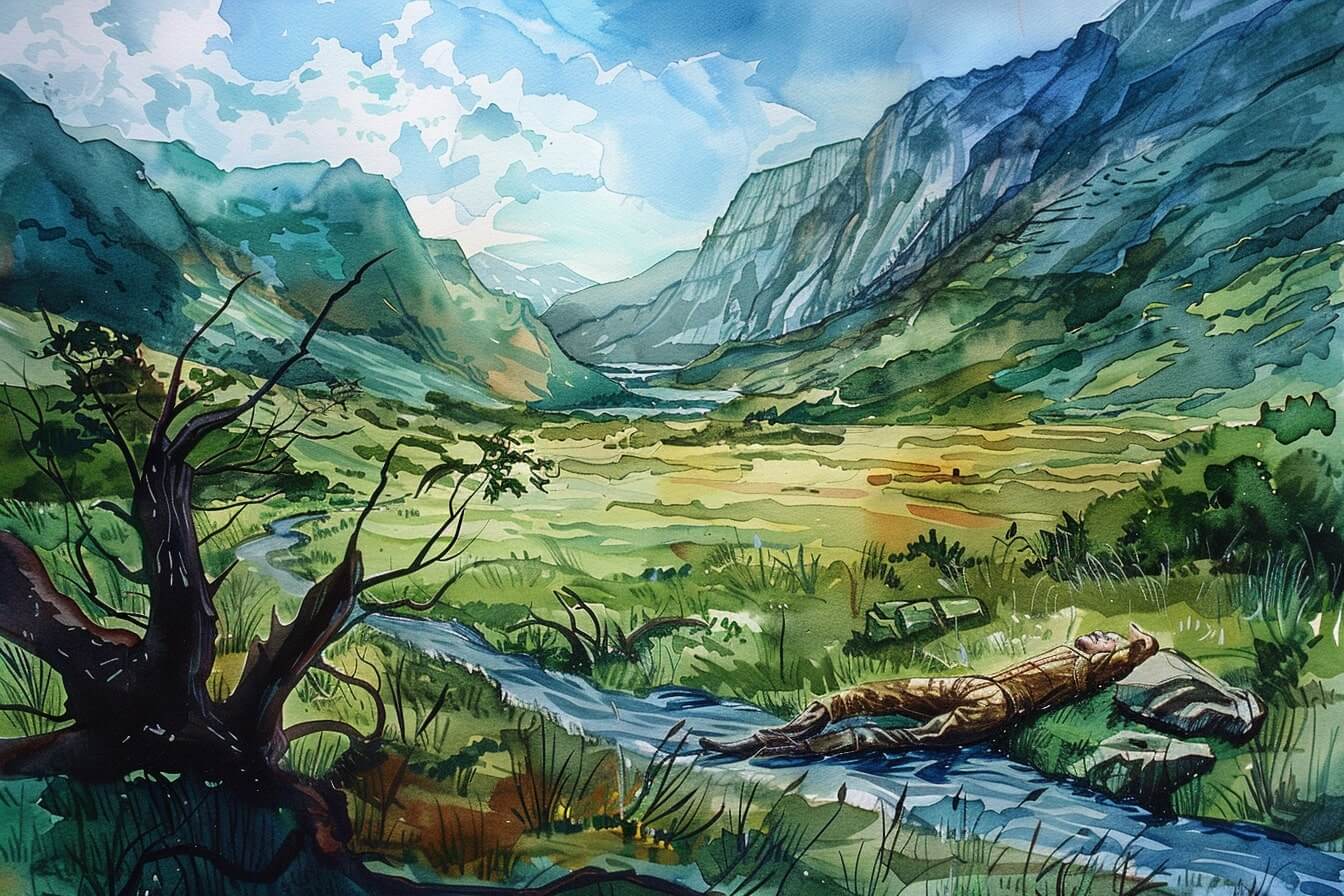
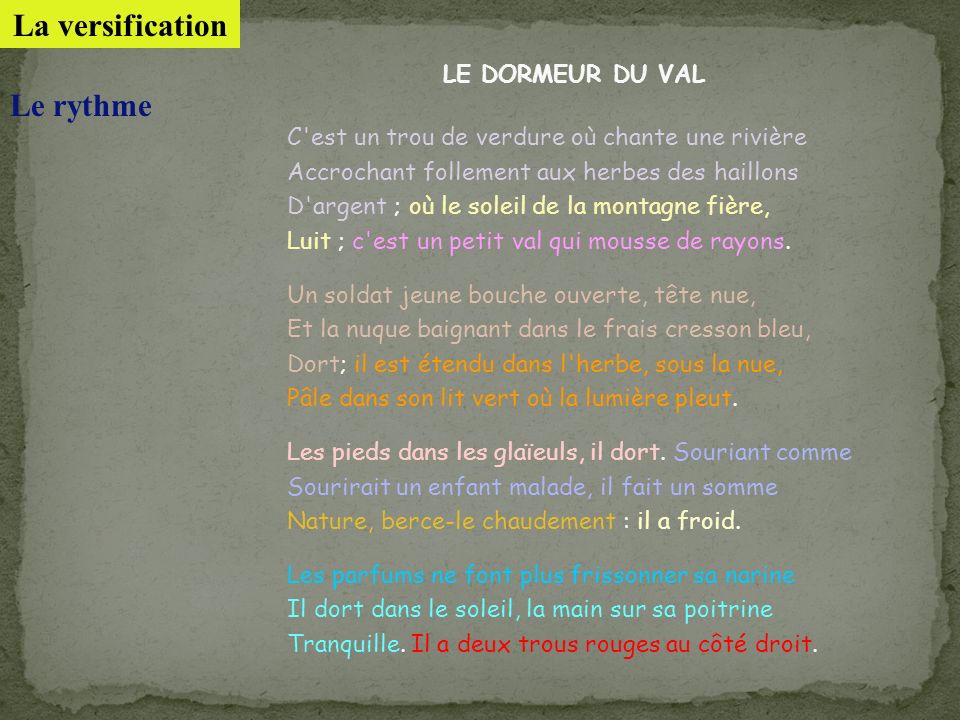
Le Dormeur du Val (The Sleeper in the Valley) is a sonnet written in October 1870 by the French poet Arthur Rimbaud. It’s deceptively simple. Initially, it paints a serene picture of a soldier asleep in a sun-drenched valley. The description is idyllic: nature is vibrant, and the sleeper appears peaceful. But with a chilling twist in the final line, the poem reveals its true, heartbreaking nature: the soldier is dead.
Why Does it Resonate?
Rimbaud masterfully uses imagery to create a powerful contrast between the beauty of nature and the brutality of war. This juxtaposition is what makes the poem so poignant and universally relevant. The poem touches upon themes of:
- Innocence Lost: The youth of the soldier is emphasized, highlighting the tragedy of a life cut short.
- The Deceptive Nature of War: War is often romanticized, but Rimbaud reveals its grim reality.
- The Indifference of Nature: Nature continues its cycle regardless of human suffering.
- Anti-war sentiment: The poem implicitly criticizes the senselessness of conflict.
Decoding Rimbaud's Brushstrokes: Key Elements of the Poem
Let’s delve into some of the key elements that make this poem so impactful. Think of it as dissecting a masterpiece to appreciate its brilliance.
Sensory Details: A Feast for the Senses
Rimbaud uses vivid sensory details to immerse the reader in the scene. We can almost feel the warmth of the sun, see the sparkling water, and smell the flowers. Notice the abundance of light – a key element in creating that initial idyllic feeling.

Irony: The Heartbreak is in the Reveal
The poem’s irony is central to its power. The peaceful imagery lulls us into a false sense of security, making the final revelation all the more shocking. We are tricked into thinking this is a scene of bucolic tranquility until the final, devastating line.
Juxtaposition: Beauty and Brutality
The poem masterfully juxtaposes beauty and brutality. The vibrant natural world is contrasted with the cold reality of the soldier's death. This contrast underscores the futility of war.

Symbolism: Nature as a Witness
Nature serves as a witness to the tragedy. The valley, the sun, the flowers – they all remain indifferent to the soldier's fate. This symbolizes the impersonal nature of war and the universe's detachment from human suffering. The two red holes signify violence and pain. The "sun-soaked mountain" represents how war can happen anywhere, even in beautiful and peaceful places.
Bringing Rimbaud to Life: Practical Tips for Appreciation
Okay, enough with the academic stuff. How can you really appreciate Le Dormeur du Val? Here are some practical tips:

- Read it Aloud: Poetry is meant to be heard. Reading the poem aloud, even if you don't speak French fluently, helps you appreciate its rhythm and sound.
- Explore Different Translations: Translation is an art form in itself. Reading different translations can reveal nuances and interpretations you might miss otherwise.
- Listen to Musical Interpretations: Many composers have set Le Dormeur du Val to music. Listening to these interpretations can add another layer of understanding. Search for "Le Dormeur du Val musique" on YouTube.
- Visit the Ardennes: If you're ever in France, consider visiting the Ardennes region, where the poem is likely set. Seeing the landscape firsthand can deepen your connection to the poem.
- Reflect on Contemporary Conflicts: Consider how the poem resonates with contemporary conflicts around the world. It's a timeless reminder of the human cost of war.
Le Dormeur du Val in Pop Culture (Sort Of!)
While not explicitly referenced in many mainstream movies or TV shows, the themes of Le Dormeur du Val – the loss of innocence, the brutality of war, and the juxtaposition of beauty and violence – are prevalent in countless works of art. Think of war films like Apocalypse Now or Saving Private Ryan that show both the beauty and the horror. Even in video games, you can find echoes of Rimbaud's themes – titles like This War of Mine highlight the civilian cost of conflict and challenge the glorification of war.
Rimbaud’s poem is a bit like that indie film you discovered. Not a blockbuster, but deeply influential, whose echoes appear in big releases down the line. The message and sentiments expressed are evergreen.

Fun Facts About Rimbaud (Because Why Not?)
- Rimbaud was a rebel: He was known for his rebellious spirit and his unconventional lifestyle. He quit writing poetry relatively young and became a trader in Africa.
- He was a prodigy: Rimbaud wrote Le Dormeur du Val when he was only 16 years old. Talk about early talent!
- He had a tumultuous relationship with Verlaine: His intense and often volatile relationship with fellow poet Paul Verlaine is legendary. It involved absinthe, arguments, and even a shooting!
Connecting Le Dormeur du Val to Everyday Life
So, what does a 19th-century French poem have to do with your daily life? More than you might think. Le Dormeur du Val reminds us to:
- Appreciate the beauty around us: Take a moment to notice the small joys of life – a beautiful sunset, the sound of birds singing, the kindness of a stranger.
- Recognize the fragility of life: Life is precious and fleeting. Don't take it for granted.
- Question authority: Be critical of narratives that glorify violence and war.
- Find beauty in contrast: Appreciate that beauty can exist even in the face of suffering. The juxtaposition of light and dark is what makes life interesting.
Maybe next time you see a vibrant field, or a quiet stream, you’ll remember the soldier in the valley. Remember Rimbaud’s warning, and remember to cherish peace. Because in the grand scheme of things, isn't that what truly matters?
Ultimately, Le Dormeur du Val is a call for empathy, a plea for peace, and a reminder of the human cost of conflict. It’s a poem that stays with you long after you’ve read it. It invites us to reflect on our own lives, our own values, and our own responsibility to create a more peaceful world. It is a powerful piece of art, because we relate to the lost boy, and the senselessness of war that took him too soon.





.jpg)