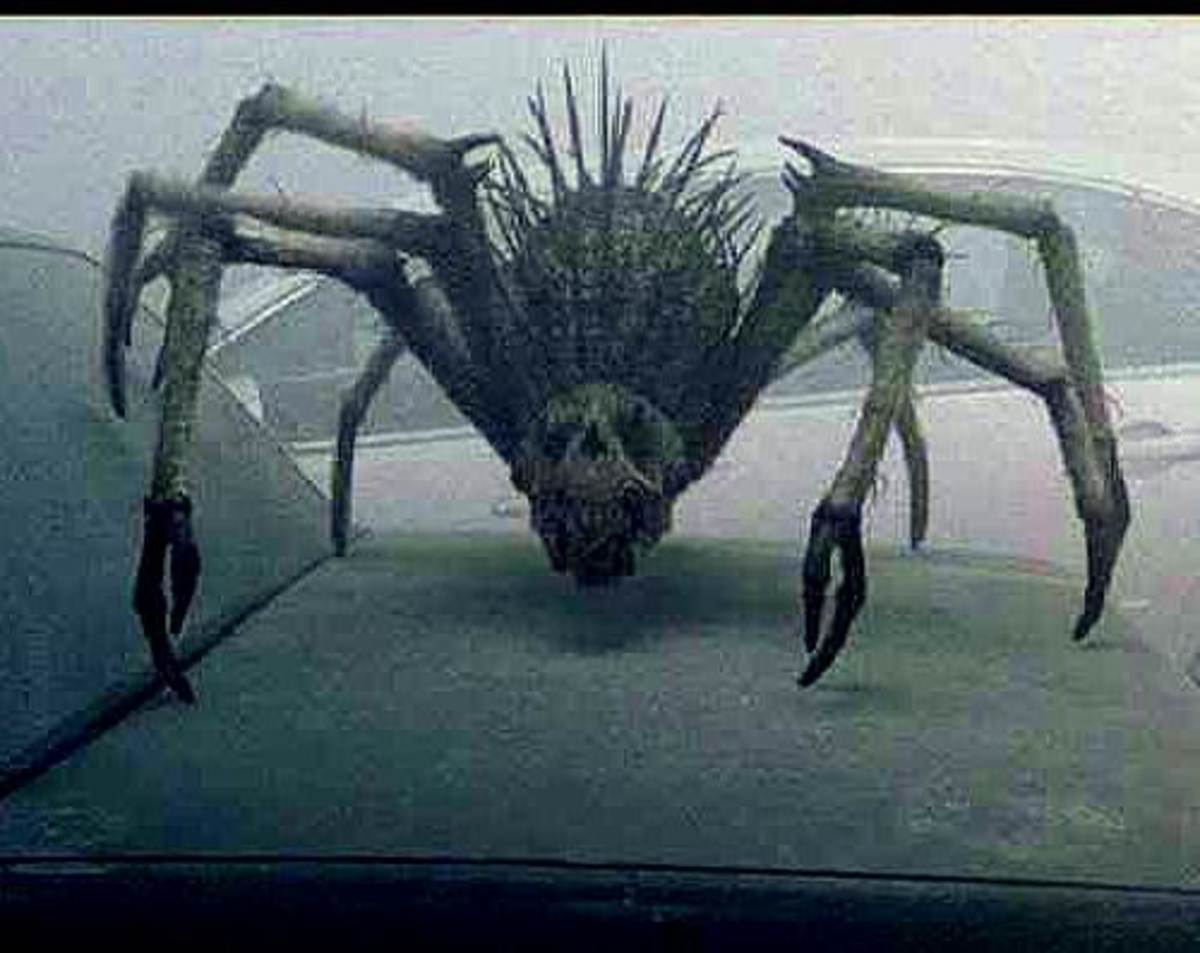
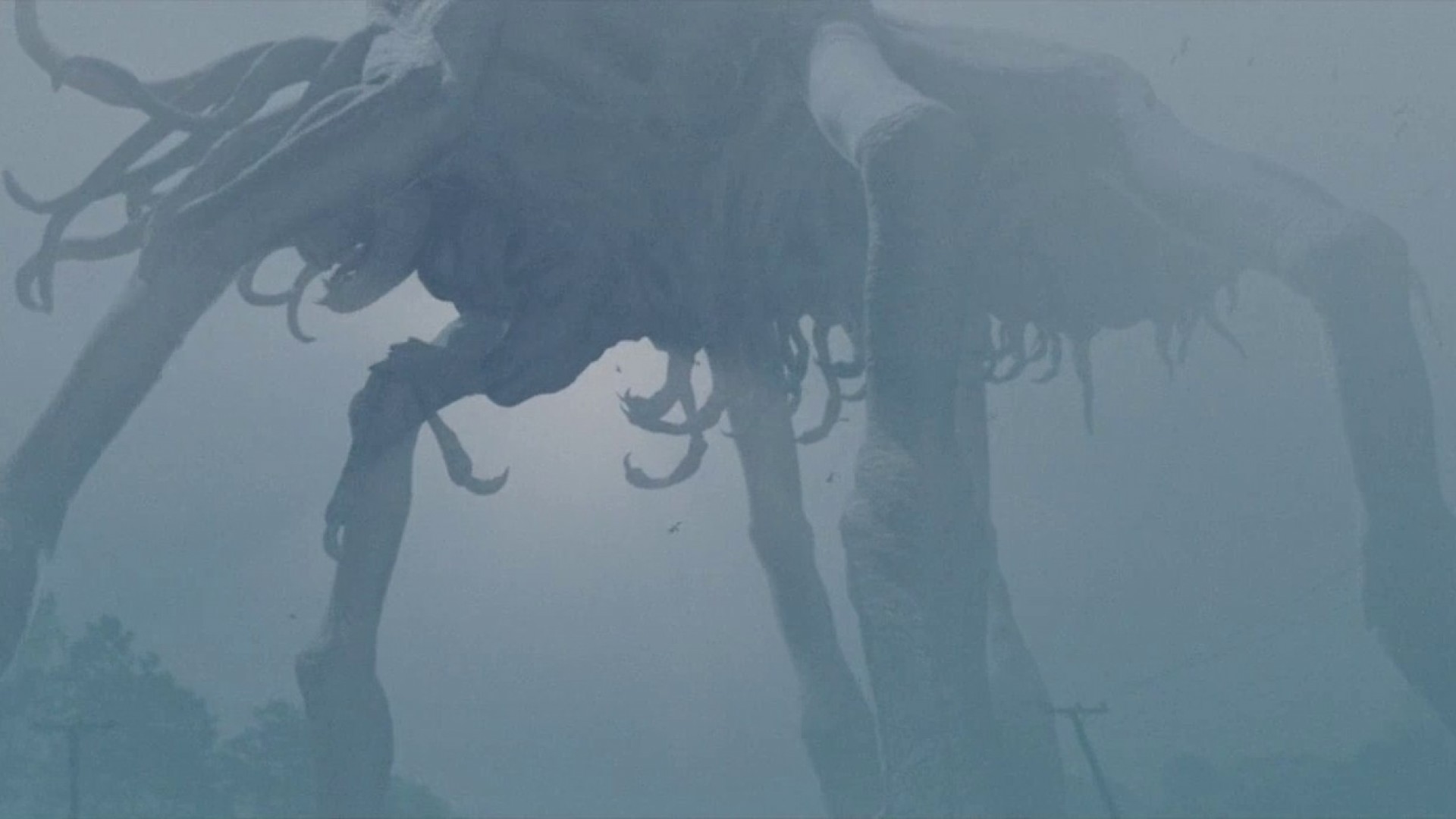
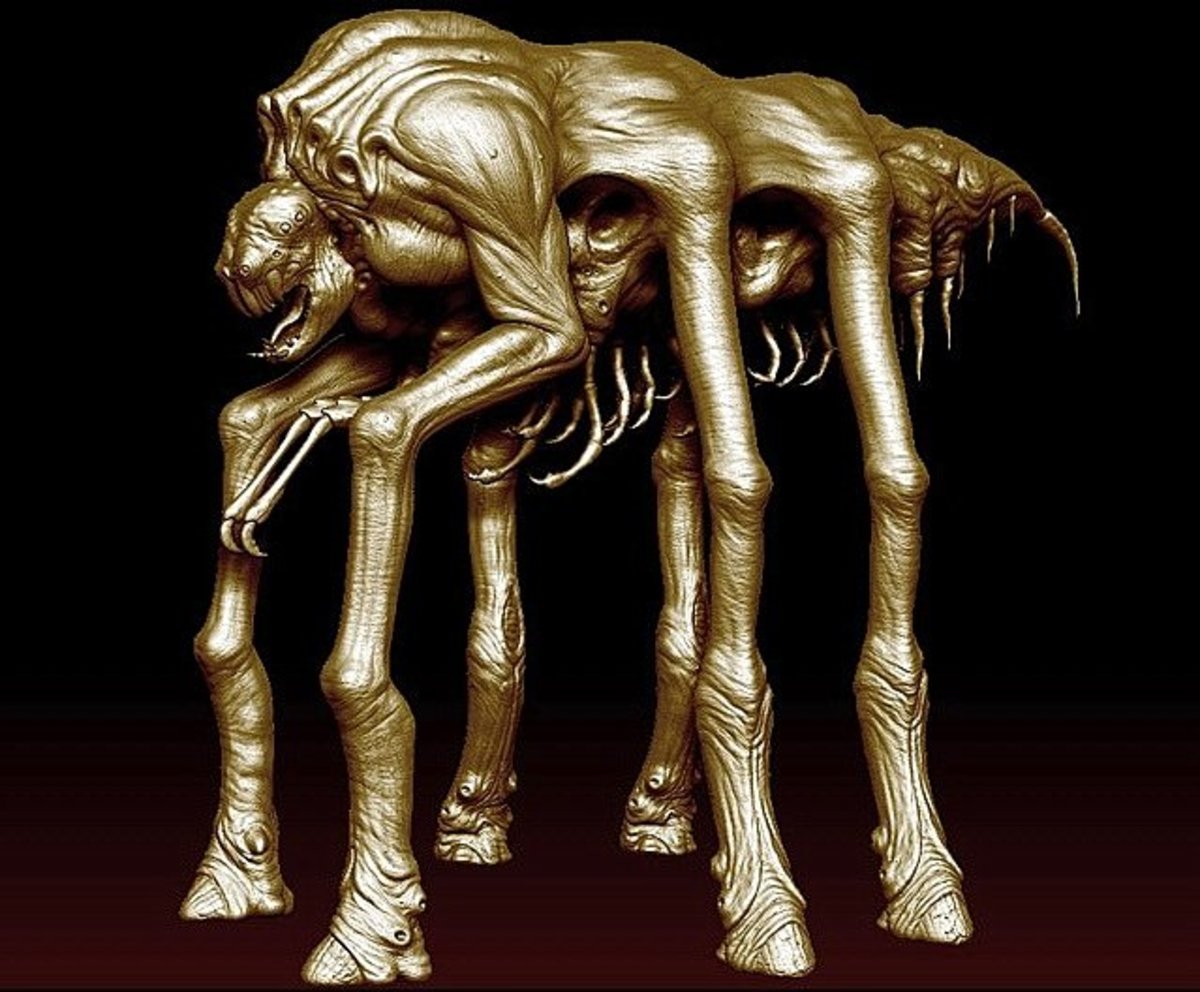
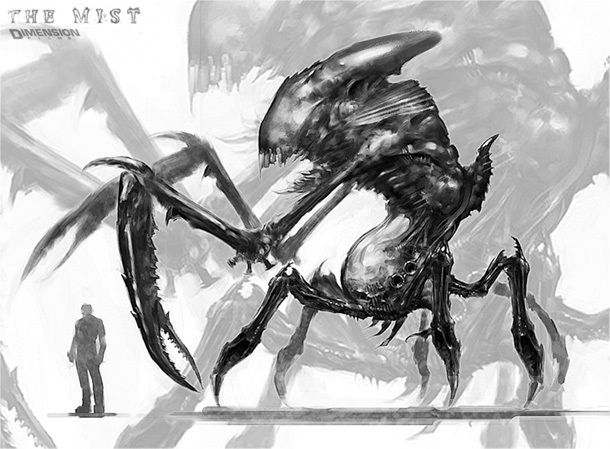
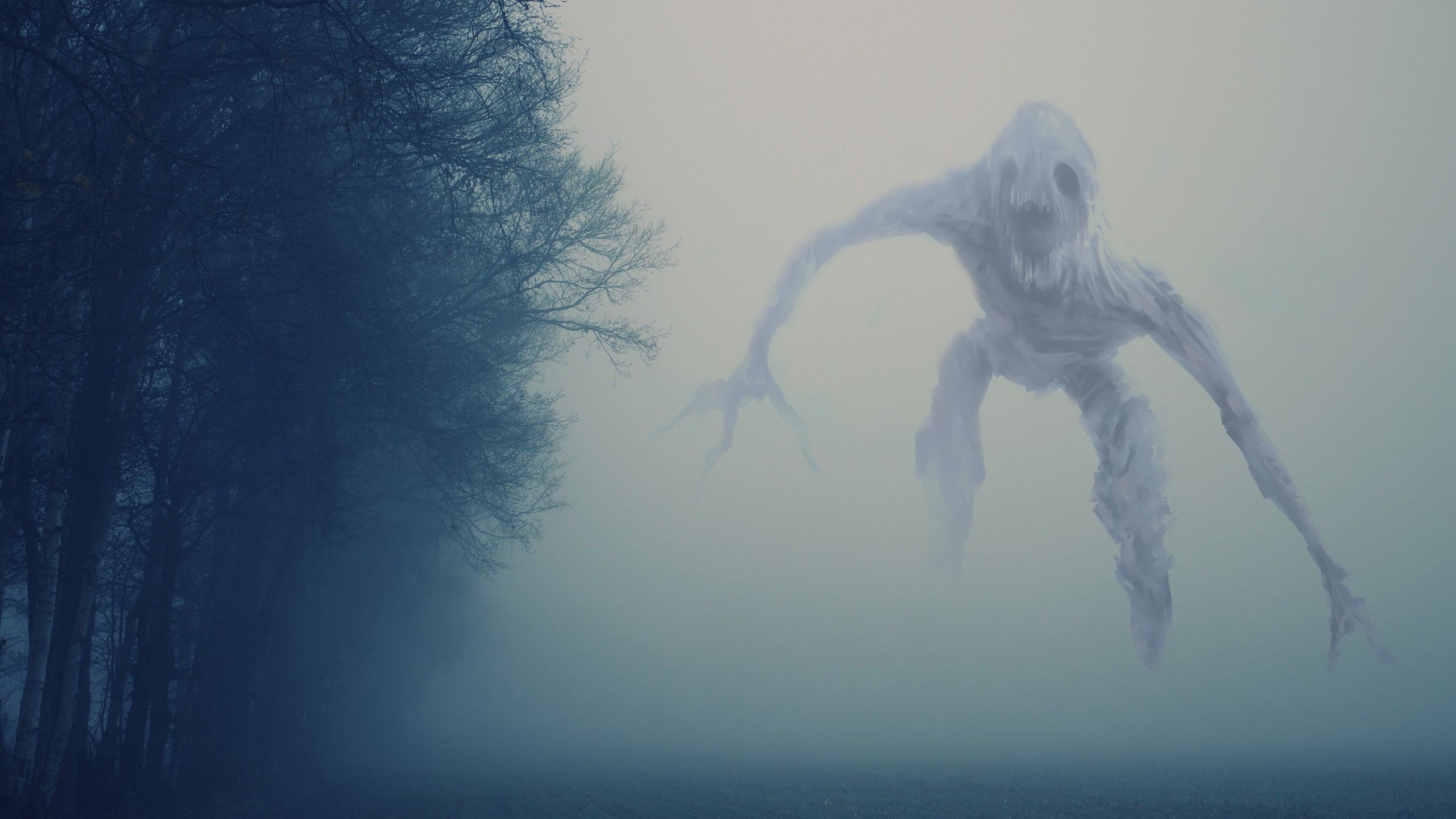
Alright, picture this: me, shivering in a ridiculous waterproof poncho that promised adventure but delivered only dampness, squinting into a fog so thick you could practically spread it on toast. I was hiking in the Scottish Highlands, convinced I'd finally understand the allure of gloomy landscapes. Instead, I mostly understood the allure of a roaring fire and a dram of whisky. Then, a shape moved. Not a sheep, not a hiker... something else. Something big, grey, and vaguely unsettling. It vanished before I could properly identify it, leaving me with a distinct feeling of being watched, and a sudden craving for that whisky intensified tenfold. Spooky, right? But it got me thinking...
What are the things that lurk in the mist? Not just in the Scottish Highlands, but everywhere? Are they real? Imagined? Or something in between? Let's dive in, shall we?
The Psychology of Misty Encounters
First things first, let's talk about the brain. Fog, mist, haze... they all play havoc with our perception. Limited visibility equals increased uncertainty. And our brains hate uncertainty. They try to fill in the gaps, often creating shapes, patterns, and even entire narratives out of the blurry nothingness. Ever seen a face in a cloud? Same principle. So, could that "creature" I saw be simply a misinterpretation of a rock formation, a stray animal, or even just my own overactive imagination fueled by a Walter Scott novel? Probably.
But that doesn't make it less interesting, does it? Think about it - our fear of the unknown, amplified by the distorting effect of the mist, opens the door for all sorts of psychological projections. Suddenly, every rustle of leaves becomes a whispered threat, every shadow a lurking monster. It’s like a blank canvas for our subconscious fears.
(Side note: maybe that's why horror movies love a good fog machine so much.)
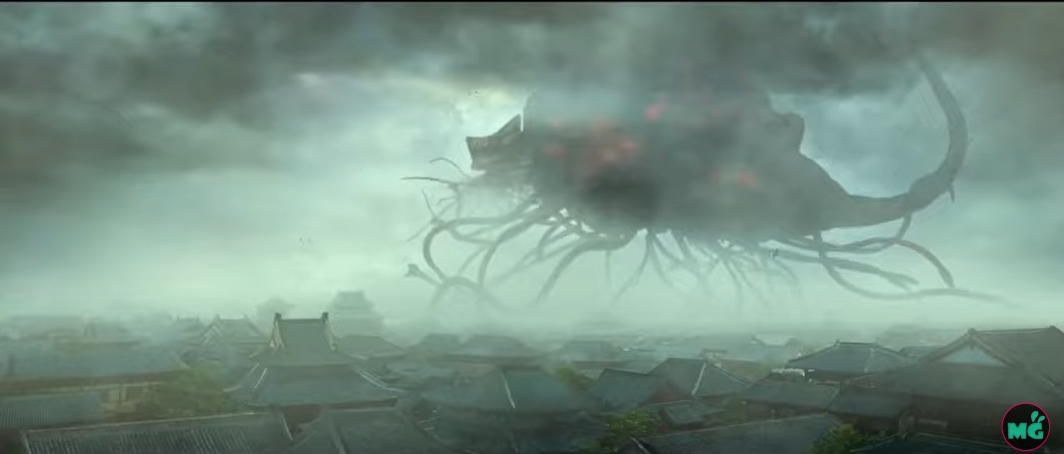
Why are we so drawn to these tales?
- The primal fear of the unknown: It's hardwired into our brains. What's around the corner? What's lurking in the shadows? The mist just amplifies that feeling.
- The thrill of the unseen: We're drawn to mysteries. We want to solve them, or at least be captivated by them. The mist offers a tantalizing glimpse, but never a clear answer.
- The comfort of shared stories: Tales of creatures in the mist are often part of local folklore and legends. Sharing these stories creates a sense of community and connection.
Mythical Beasts and Misty Domains
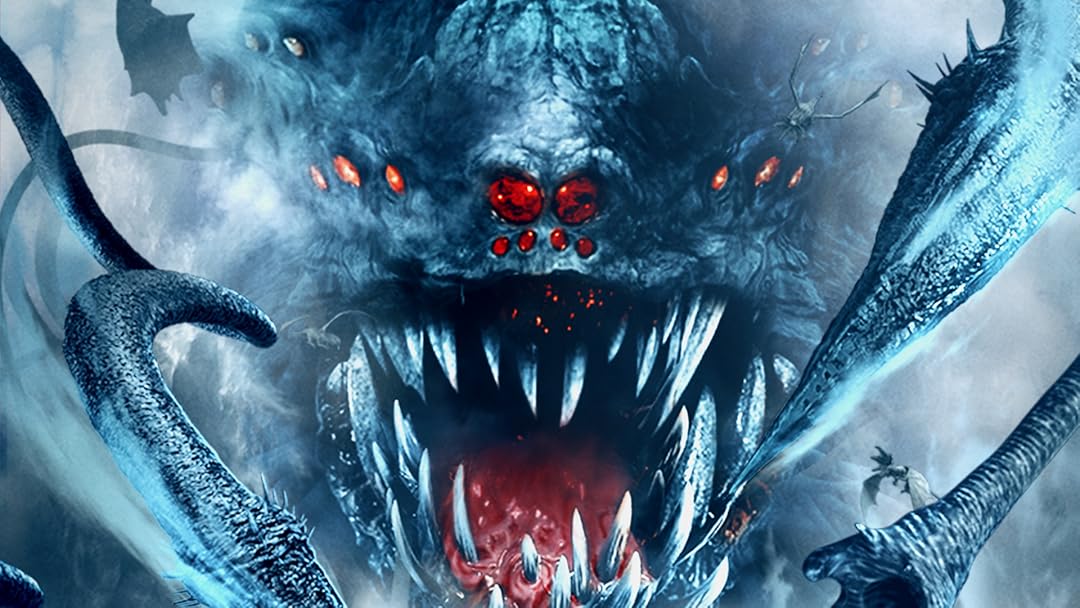
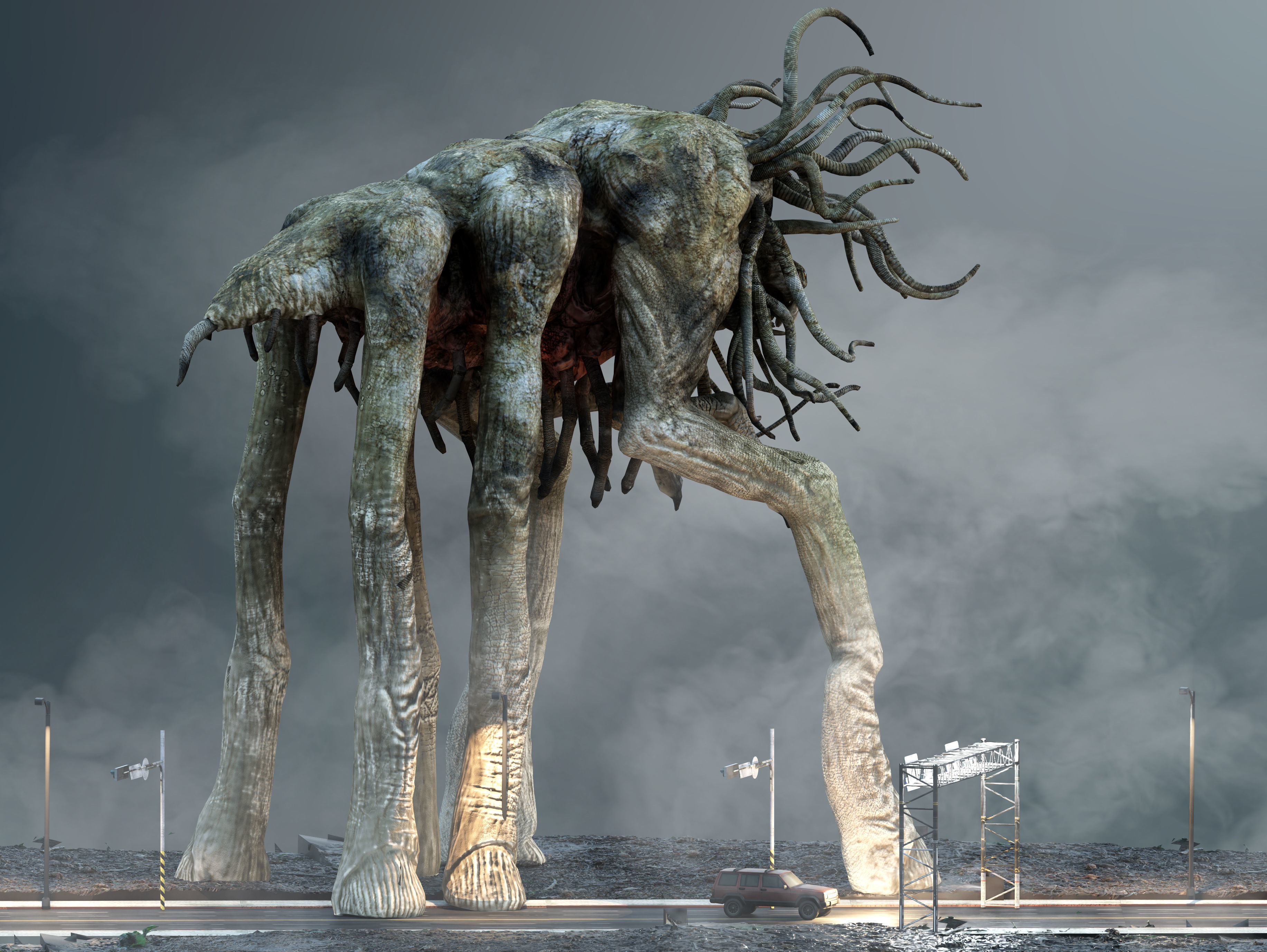
Okay, so maybe my Highland "monster" was just a particularly fluffy sheep with a existential crisis. But let’s not dismiss the vast array of creatures rumored to thrive in foggy environments. Every culture has its own version, and they’re often terrifyingly imaginative.
Think about it: how perfect is the mist for a creature that wants to remain hidden? It provides cover, concealment, and an air of mystery. It's like a natural cloak of invisibility! Plus, the low visibility makes it easy to exaggerate the size and shape of anything you think you see. A small dog becomes a wolf; a fallen tree becomes a giant serpent.
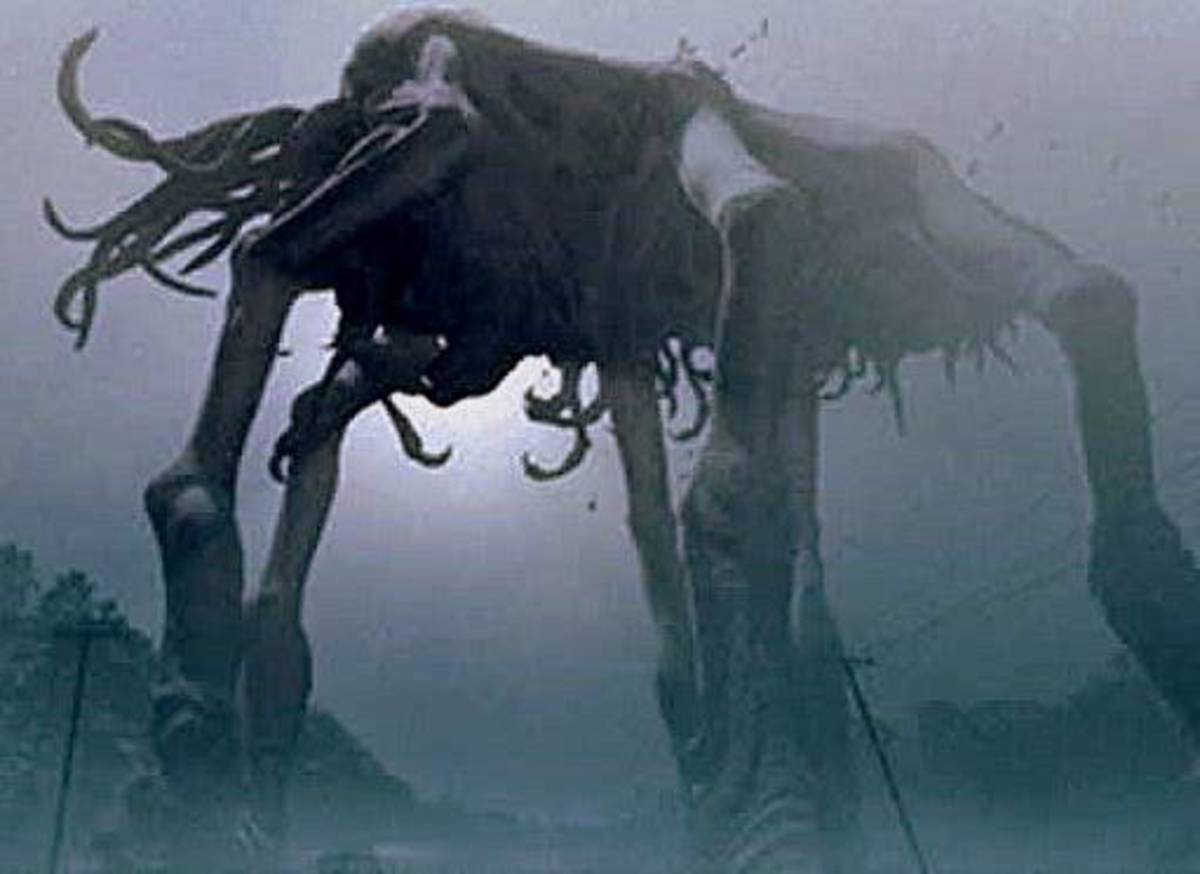
Examples from around the world:
- The Bunyip (Australia): A large, aquatic creature said to inhabit swamps, billabongs, creeks, riverbeds, and waterholes. It's often described as having a dog-like face, dark fur, and a horse-like tail. Perfect for a misty billabong, right?
- The Banshee (Ireland): A female spirit whose wailing foretells death. Often associated with fog-shrouded graveyards and desolate landscapes. Imagine hearing that shriek through the fog… shudders.
- The Mothman (West Virginia, USA): A winged humanoid creature associated with premonitions of disaster. Often sighted in areas with heavy fog or mist. Definitely not something you want to bump into on a lonely country road.
- Yokai (Japan): A broad category of supernatural creatures, often shapeshifting and mischievous. Many Yokai are said to reside in misty mountains and forests. Can you imagine what those could be like?
These creatures are more than just scary stories. They often reflect cultural anxieties, environmental concerns, and our deep-seated fear of the unknown. They're a way of making sense of the world, even if that sense is terrifying.
The Mist as a Metaphor
Beyond the literal, the mist can also be a powerful metaphor. It represents uncertainty, confusion, and the blurring of boundaries. It can symbolize:

- The unknown future: We can't see what lies ahead, just like we can't see through the fog.
- Hidden truths: The mist can conceal secrets and obscure the truth.
- Emotional turmoil: A "fog of grief" or a "mist of confusion" are common expressions.
- The fragility of reality: The mist can make the world seem dreamlike and unreal.
Think about classic literature: the moors in "Wuthering Heights," the foggy streets of Victorian London in a Sherlock Holmes novel... the mist isn't just scenery, it's a character in itself, shaping the atmosphere and influencing the plot. It creates a sense of foreboding, and it makes the reader feel like anything is possible.
So, What's Really Out There?
The million-dollar question, right? Are these creatures real in the literal sense? Probably not. Are they real in a cultural, psychological, and metaphorical sense? Absolutely. The creatures of the mist are a reflection of our fears, our imaginations, and our deep-seated need to make sense of the world around us.
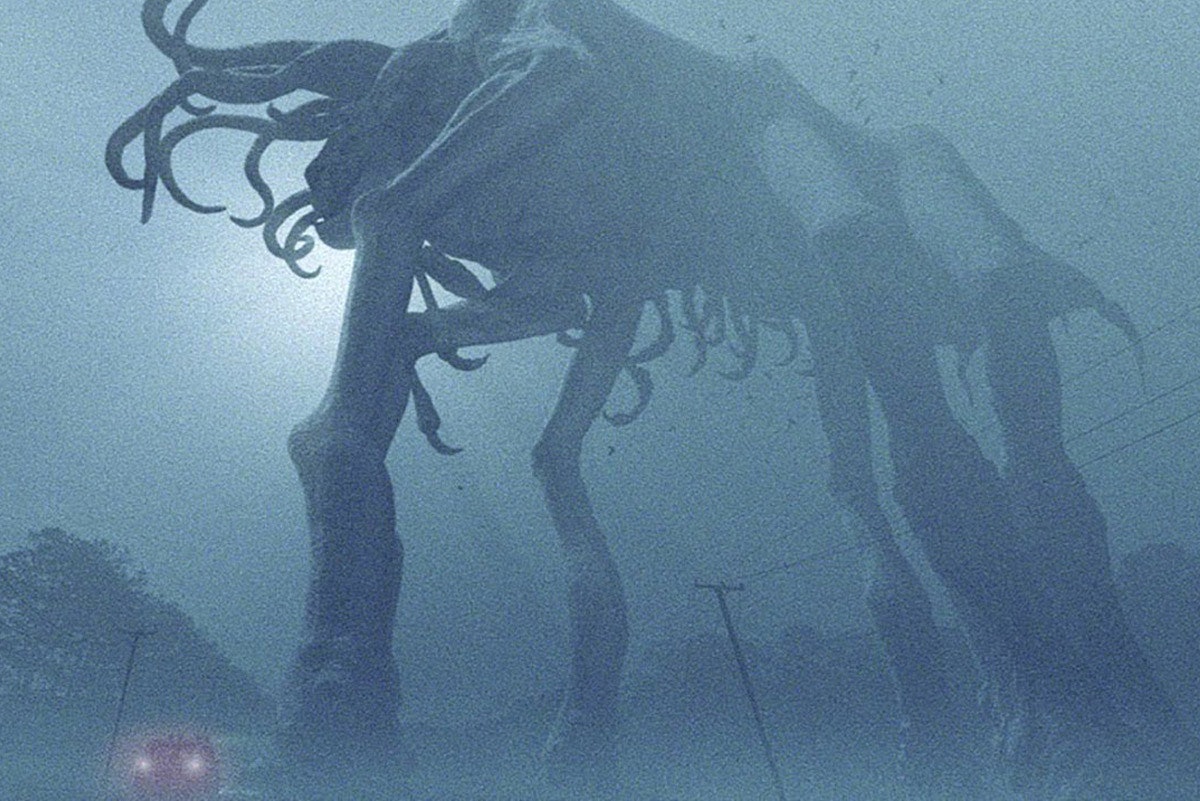
Maybe that shape I saw in the Highlands was just a sheep. Or maybe it was something more. The beauty of the mist is that it allows for both possibilities to exist. It invites us to question what we see, to explore the boundaries of reality, and to embrace the mystery of the unknown.
So, next time you find yourself shrouded in fog, take a moment to appreciate it. Let your imagination run wild. And who knows? Maybe you'll catch a glimpse of something truly extraordinary.
(Just maybe bring a flashlight... and a flask of whisky. Just in case.)