Bonjour mes amis, et bienvenue to what will undoubtedly be the most thrilling, the most captivating, and possibly the only article you'll ever need (or want!) to read about… drumroll please… "Craindre" au Présent de l'Indicatif! Oui, oui, you heard correctly. Prepare to be amazed! (Or, you know, mildly entertained. We're not judging).
Now, before you run screaming for the hills, muttering about conjugations and French grammar textbooks, let me assure you: this is going to be fun. Think of it as a linguistic spa day. A mental massage for your brain. A… well, you get the picture. We're going to tackle "craindre" at the present tense with a smile (and maybe a glass of vin rouge. Don't tell anyone I said that).
What in the World is "Craindre," Anyway?
First things first, let's define our terms. "Craindre," my friends, means "to fear" or "to be afraid of." Think of it as the verb you use when you're about to watch a scary movie, or when you see a spider the size of your head (happens to the best of us, n'est-ce pas?).
So, instead of just saying "I'm afraid," you can say "Je crains…" which automatically makes you sound approximately 37 times more sophisticated. Try it! You’ll be impressing your friends (or at least confusing them) in no time.
Conjugating "Craindre" at the Present Tense: The Grand Reveal!
Okay, the moment you’ve all been waiting for (or, let's be honest, dreading slightly). Let's conjugate "craindre" at the present tense. Don't worry, I'll hold your hand (figuratively, of course. Unless you're into that. No judgment!).
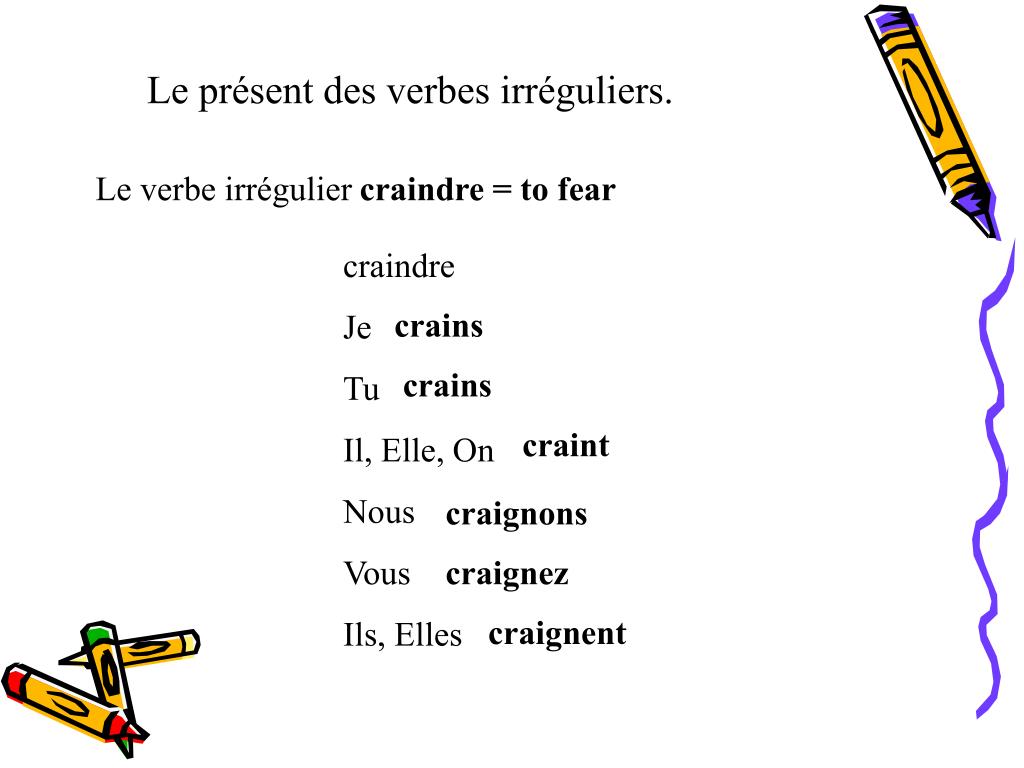
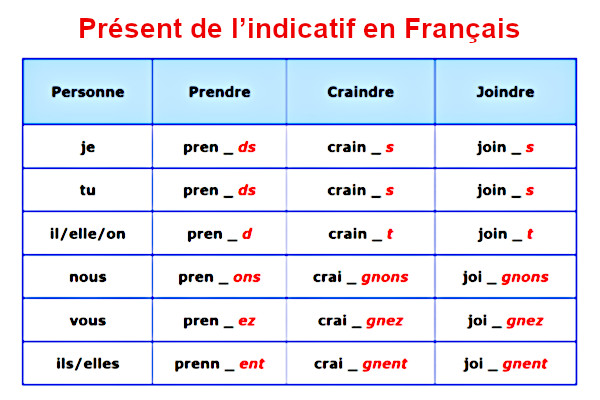
Here it is, in all its glory:
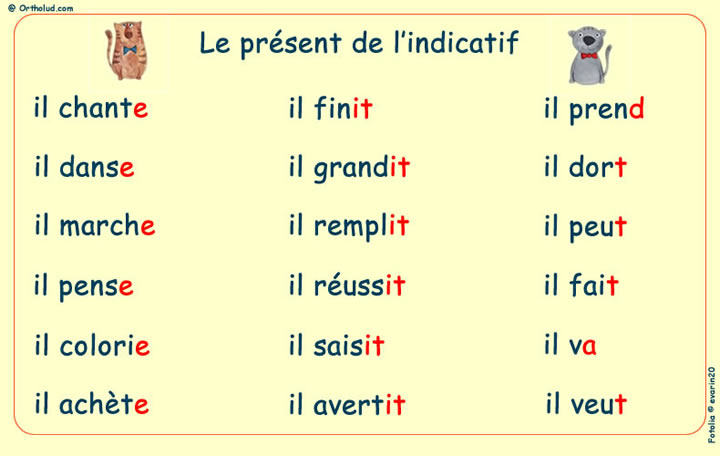
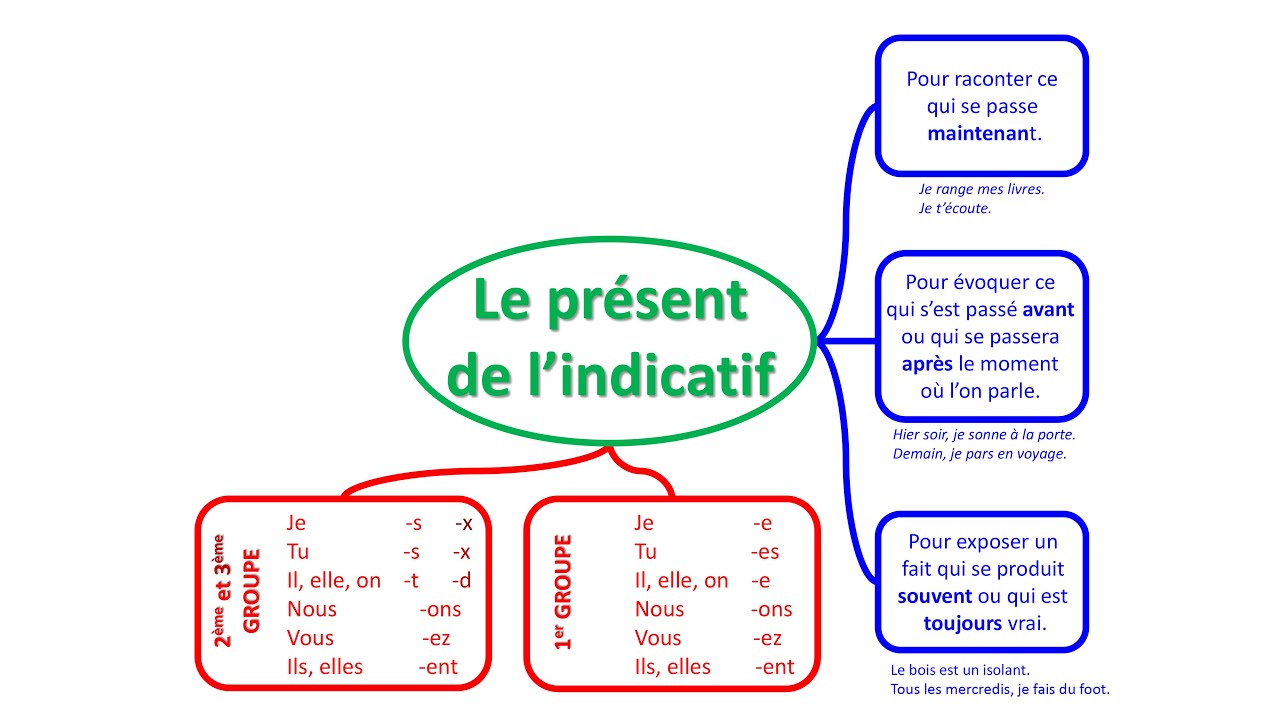
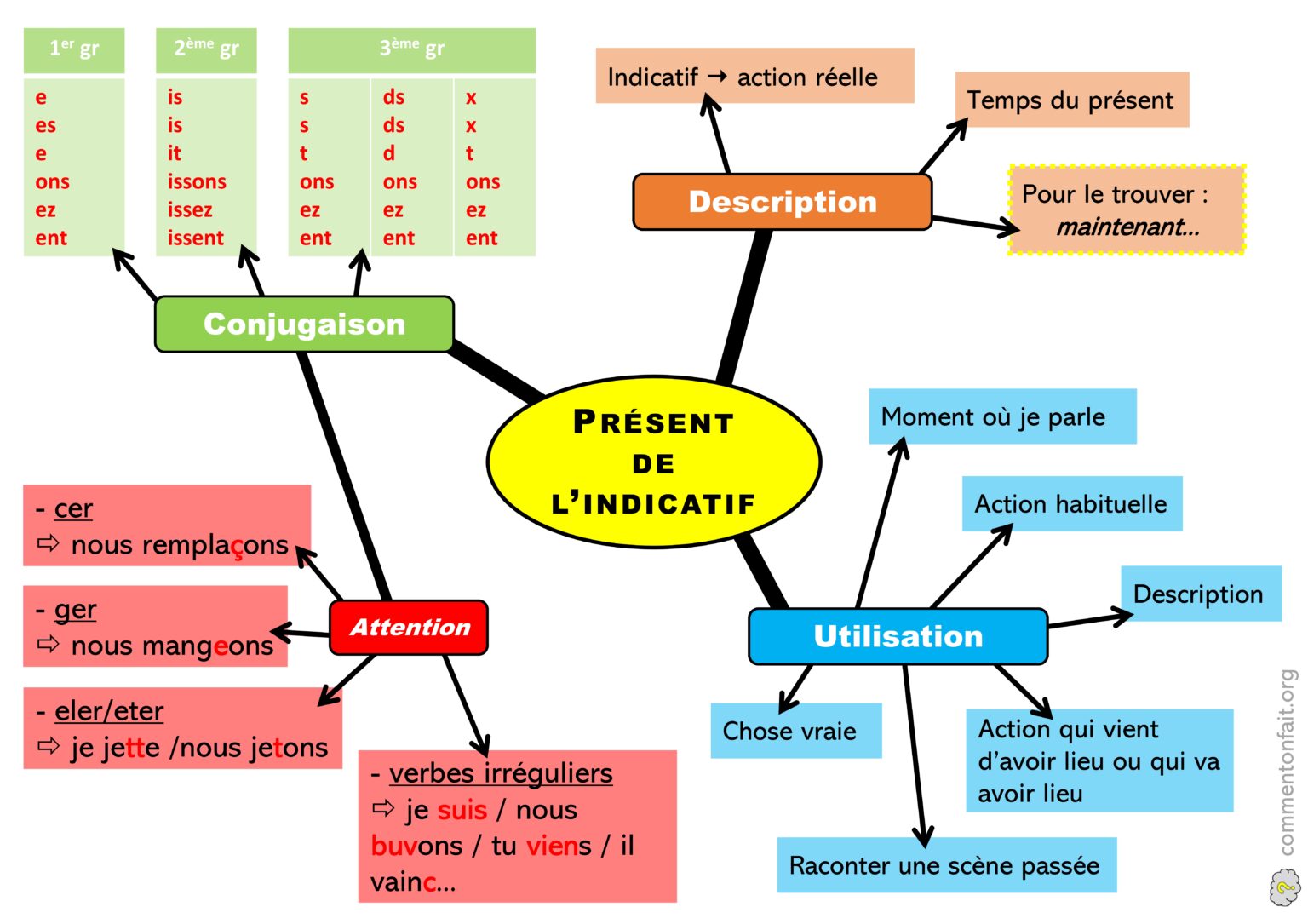
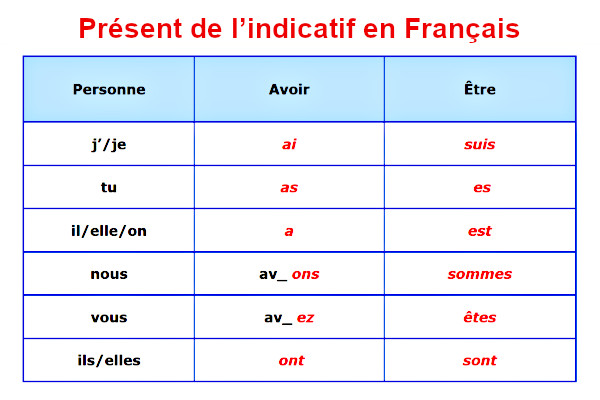
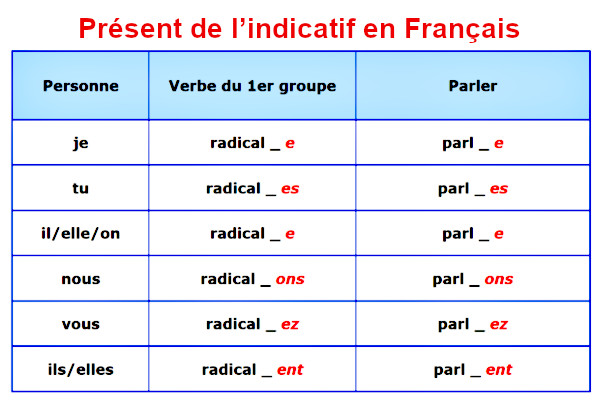
- Je crains - I fear
- Tu crains - You fear (informal)
- Il/Elle/On craint - He/She/One fears
- Nous craignons - We fear
- Vous craignez - You fear (formal/plural)
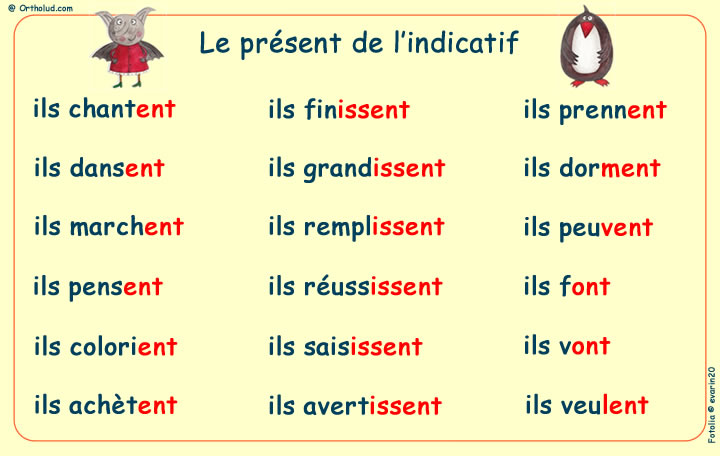
- Ils/Elles craignent - They fear
Ta-da! Wasn't that... manageable? Okay, maybe it's not quite as thrilling as bungee jumping, but hey, at least you didn't have to wear a harness. And you learned something! Pat yourself on the back; you’ve earned it.
A Few Helpful Tips (Because I'm Nice Like That)
- Notice how "crains," "craint," and "craignent" all sound pretty much the same? Ah, the joys of French pronunciation! Don't worry too much about it; context is your friend. Besides, even native speakers sometimes get confused.
- "Craignons" and "craignez" are the troublemakers. They always want to be different. You'll have to learn those. Sorry, I don’t make the rules, I just (humorously) explain them.
- Practice makes perfect! Try writing out the conjugation a few times. Say it out loud. Sing it in the shower. Whatever works for you! (But maybe avoid singing it in public. People might think you’re a bit… eccentric).
"Craindre" in Action: Real-Life (Well, Simulated) Examples
Now that we know how to conjugate "craindre," let's see it in action! Here are a few examples to get your linguistic gears turning:
- Je crains de ne pas réussir mon examen. - I fear that I won't pass my exam. (A classic student worry!)
- Tu crains les araignées, n'est-ce pas? - You fear spiders, don't you? (Confession time!)
- Il craint le noir. - He fears the dark. (We’ve all been there, especially as kids).
- Nous craignons le changement climatique. - We fear climate change. (A very real and valid fear.)
- Vous craignez de prendre l'avion? - Do you (formal/plural) fear flying? (Many people do! Don't be ashamed!).
- Ils craignent la guerre. - They fear war. (Another sadly relevant fear.)
See? "Craindre" is actually quite useful! You can use it to express all sorts of fears, anxieties, and general worries. It's the perfect verb for existential crises! (Just kidding... mostly).
Common Mistakes to Avoid (Because We All Make Them)
Alright, let's talk about potential pitfalls. Even the most seasoned French speakers sometimes stumble. Here are a few common mistakes to watch out for:
- Forgetting the "ne" in "craindre que" constructions. When you use "craindre" with "que," you often need to include "ne" in the subordinate clause, even if it doesn't seem to have a negative meaning. For example: "Je crains qu'il ne vienne." (I fear that he might come.) It's a tricky little nuance, but important to remember.
- Mispronouncing "craignent." It sounds like "cran-yuhnt" (sort of). Don't try to pronounce every single letter; French isn't phonetic! (That's part of its charm, right?)
- Using "avoir peur" instead of "craindre." "Avoir peur" (to have fear) is perfectly acceptable, but "craindre" sounds more formal and elegant. So, if you want to impress someone, go with "craindre." (Unless you're talking to a toddler. Then "avoir peur" is probably more appropriate).
- Overthinking it! Seriously, don't get too bogged down in the details. French grammar can be complex, but it's not worth stressing over. Relax, have fun, and don't be afraid to make mistakes. (See what I did there? A little "craindre" pun!)
Why "Craindre" Matters (More Than You Think!)
Okay, okay, I know what you're thinking: "Why should I care about this one little verb?" Well, my friend, "craindre" is more important than you realize! Here's why:
- It expands your vocabulary. The more verbs you know, the more expressive you can be. It's like having more colors in your linguistic palette.
- It improves your understanding of French grammar. Conjugating verbs is a fundamental skill. Mastering "craindre" will help you understand other verbs as well.
- It makes you sound more sophisticated. As I mentioned earlier, "craindre" has a certain je ne sais quoi. It elevates your French to a whole new level of elegance.
- It allows you to express your deepest fears. Okay, maybe not your deepest fears. But at least you can talk about being afraid of spiders or failing exams!
But seriously, learning "craindre" is a small step towards achieving French fluency. And every little step counts!
Let's Get a Little Deeper: "Craindre Que" and the Subjunctive (Oh là là!)
Ready for a slightly more advanced topic? Let's talk about "craindre que" and the subjunctive. Now, I know what you're thinking: "Subjunctive? Mon Dieu!" But don't worry, we'll break it down in a way that's (hopefully) not too terrifying.
As we touched on earlier, when "craindre" is followed by "que," it often triggers the subjunctive mood in the subordinate clause. The subjunctive is used to express doubt, uncertainty, emotion, or subjectivity. It's used when the action described is not presented as a fact but rather as something that is desired, feared, possible, or necessary.
Here's the basic structure:
Craindre que + subjunctive

Let's look at some examples:
- Je crains qu'il ne vienne pas. - I fear that he might not come. Notice the "ne" after "que." It is mandatory here.
- Nous craignons qu'elle ne soit malade. - We fear that she might be sick.
- Vous craignez qu'ils ne soient en retard. - You fear that they might be late.
Why use the subjunctive here? Because we're not stating a fact. We're expressing a fear or concern about something that might or might not happen. The speaker isn't certain; they're just worried.
The Tricky "Ne Expletif"
Pay close attention to that little "ne" that often appears after "que" in these constructions. It's called the "ne expletif," and it's one of those quirky little things that makes French grammar so… well, French. The "ne expletif" doesn't actually negate anything. It's just there to reinforce the negative or doubtful meaning of the main verb (in this case, "craindre").
Here's the deal: with "craindre," the "ne expletif" is usually required unless the sentence already contains another negative element. For example:
- Je crains qu'il ne vienne pas. (I fear that he might not come.) - "Ne" is required because there is the negative "pas" in the clause after "que."
- Je ne crains pas qu'il vienne. (I do not fear that he will come.) - "Ne" is NOT required because the negation is in the main clause, "Je ne crains pas."
Don't sweat it too much if you find this confusing. Even native speakers sometimes get it wrong. The key is to be aware of the "ne expletif" and try to use it correctly whenever possible. It will make your French sound more polished and sophisticated.
Synonyms and Related Expressions: Expanding Your "Craindre" Horizons
Okay, let's expand our vocabulary a bit. While "craindre" is a great verb, it's always good to have some synonyms and related expressions in your arsenal. Here are a few options:

- Avoir peur de: This is the most common and straightforward synonym for "craindre." It simply means "to be afraid of." For example: "J'ai peur des araignées" (I'm afraid of spiders).
- Redouter: This verb means "to dread" or "to fear greatly." It's a stronger and more intense version of "craindre." For example: "Je redoute l'hiver" (I dread winter).
- Être effrayé(e) par: This expression means "to be frightened by." It emphasizes the feeling of being scared. For example: "Je suis effrayé par les films d'horreur" (I'm frightened by horror movies).
- S'inquiéter de: This verb means "to worry about." It's not exactly the same as "craindre," but it expresses a similar sentiment of anxiety or concern. For example: "Je m'inquiète de son état de santé" (I'm worried about his health).
By learning these synonyms and related expressions, you can add variety and nuance to your French. You'll no longer be limited to just saying "craindre" all the time. You'll be a linguistic powerhouse!
Let’s Practice: "Craindre" Exercises (Because You Know You Want To)
Alright, time to put your knowledge to the test! Here are a few "craindre" exercises to help you solidify your understanding of the present tense. Don't worry, they're not too difficult. I promise!
Instructions: Fill in the blanks with the correct form of "craindre" in the present tense.
- Je ___________ de ne pas comprendre la grammaire française. (I fear not understanding French grammar.)
- Tu ___________ les serpents, n'est-ce pas? (You fear snakes, don't you?)
- Il ___________ de prendre la parole en public. (He fears speaking in public.)
- Nous ___________ que le train soit en retard. (We fear that the train might be late.)
- Vous ___________ de perdre votre emploi? (Do you fear losing your job?)
- Elles ___________ l'orage. (They fear the storm.)
Answer Key:
- crains
- crains
- craint
- craignons
- craignez
- craignent
How did you do? If you got them all right, congratulations! You're a "craindre" master! If you missed a few, don't worry. Just review the conjugation and try again. Practice makes perfect!
Fun Facts About Fear (Because Why Not?)
While we're on the topic of "craindre," let's take a detour and explore some fun facts about fear. After all, knowledge is power, and knowing about fear might just help you conquer it (or at least understand it better).
- The fear of spiders is called arachnophobia. And it's one of the most common phobias in the world.
- The fear of public speaking is called glossophobia. It affects a significant portion of the population.
- The fear of heights is called acrophobia. And it can be quite debilitating.
- The fear of clowns is called coulrophobia. And it's perfectly understandable. (Clowns are creepy!)
- Adrenaline is the hormone responsible for the "fight or flight" response. It's released when you're faced with a perceived threat.
- Fear can actually be beneficial. It can help you avoid danger and make you more alert.
So, fear isn't all bad. It's a natural and important emotion that helps us survive. But it's also important to manage your fears and not let them control your life.

"Craindre" in Literature and Culture: A Few Examples
"Craindre" isn't just a verb in a grammar textbook. It appears in literature, movies, and everyday conversations. Let's look at a few examples of how "craindre" is used in French culture:
- In literature: Many French novels and poems explore themes of fear, anxiety, and uncertainty. "Craindre" is often used to express these emotions. Think of classic works from Camus or Sartre.
- In movies: French cinema is full of suspenseful thrillers and psychological dramas that rely on "craindre" to build tension and create atmosphere.
- In everyday conversations: French people use "craindre" just like everyone else. They talk about their fears, their worries, and their anxieties.
By understanding how "craindre" is used in different contexts, you can gain a deeper appreciation for French language and culture. It's not just about conjugating verbs; it's about understanding how those verbs are used to express human emotions and experiences.
Final Thoughts: "Craindre" and the Pursuit of Fluency
So, there you have it! Everything you ever wanted to know (and probably more) about "craindre" in the present tense. We've covered the conjugation, the usage, the common mistakes, and even the subjunctive! You are basically a "craindre" expert now.
But remember, learning a language is a journey, not a destination. There will be ups and downs, moments of frustration, and moments of triumph. The key is to keep practicing, keep learning, and never give up on your goal of fluency.
And if you ever feel like you're "craignant" too much, just remember this article. It's here to help you, to guide you, and to remind you that even the most daunting grammatical concepts can be conquered with a little humor and a lot of practice.
So, go forth and "craindre" no more! Embrace the French language with open arms (and maybe a dictionary). And remember, even if you make mistakes, it's okay. It's all part of the learning process. Just laugh it off and keep going.
The Punchline (You Knew It Was Coming!)
Now, I'm off to conquer my own biggest fear: running out of cheese. Je crains le manque de fromage! Au revoir, et bonne chance!