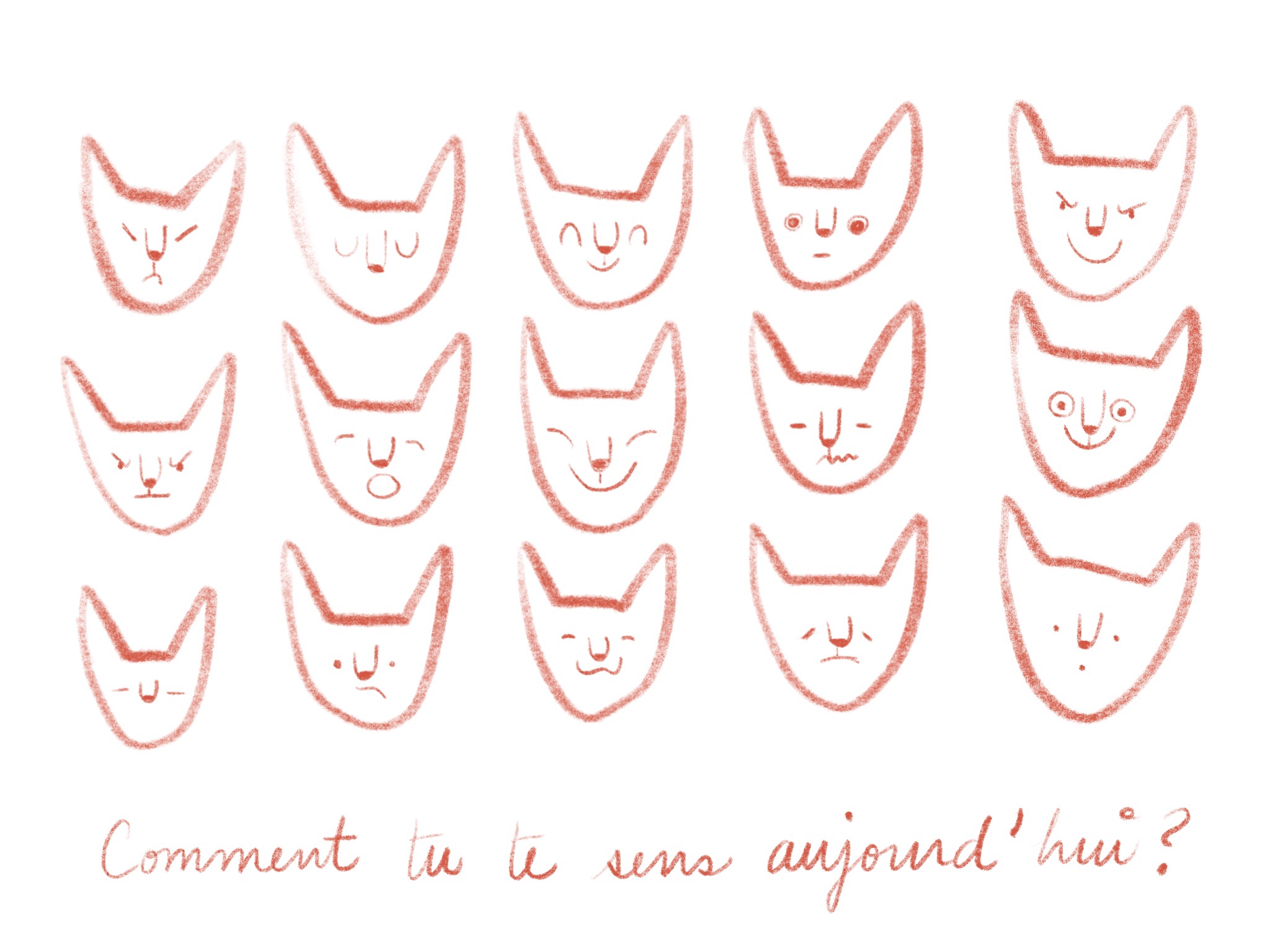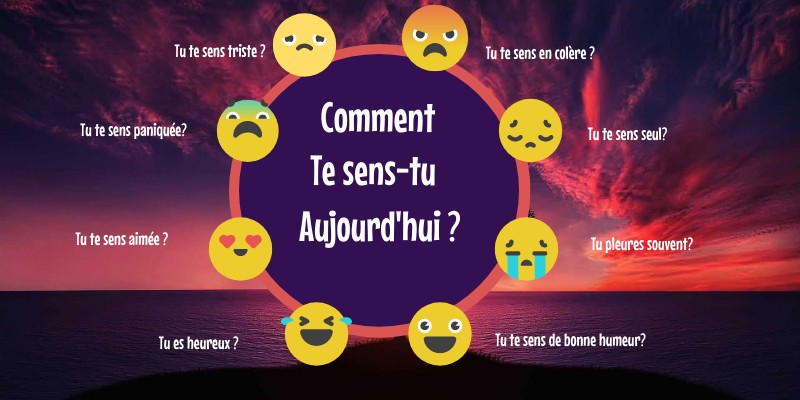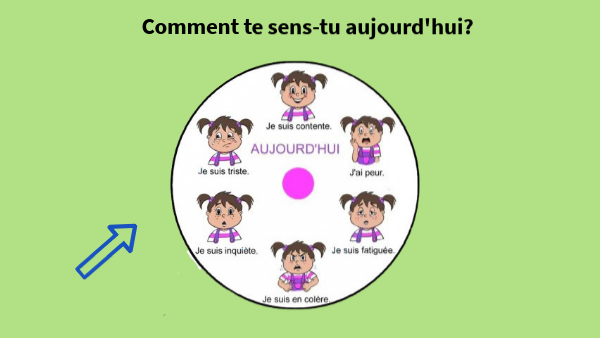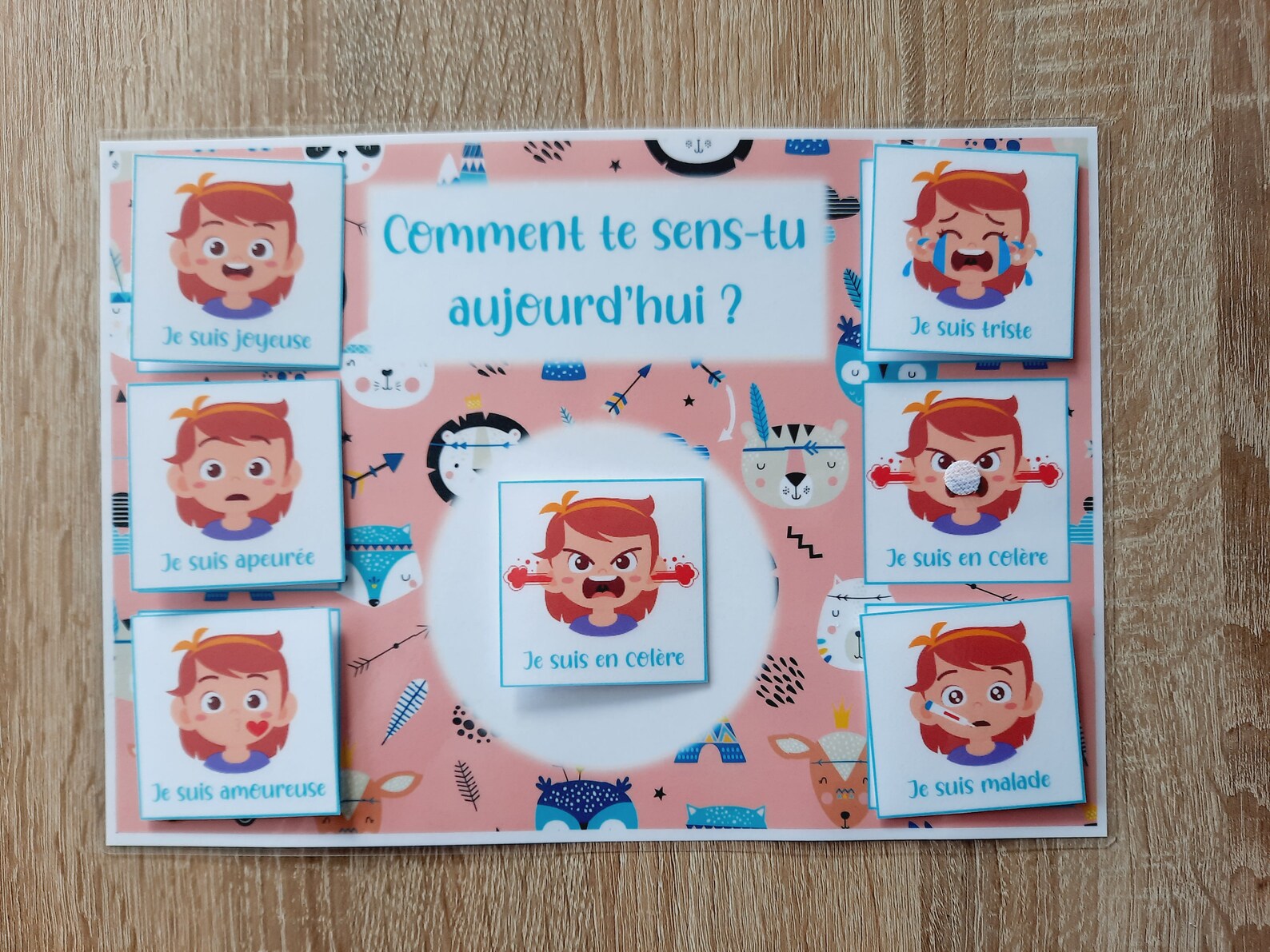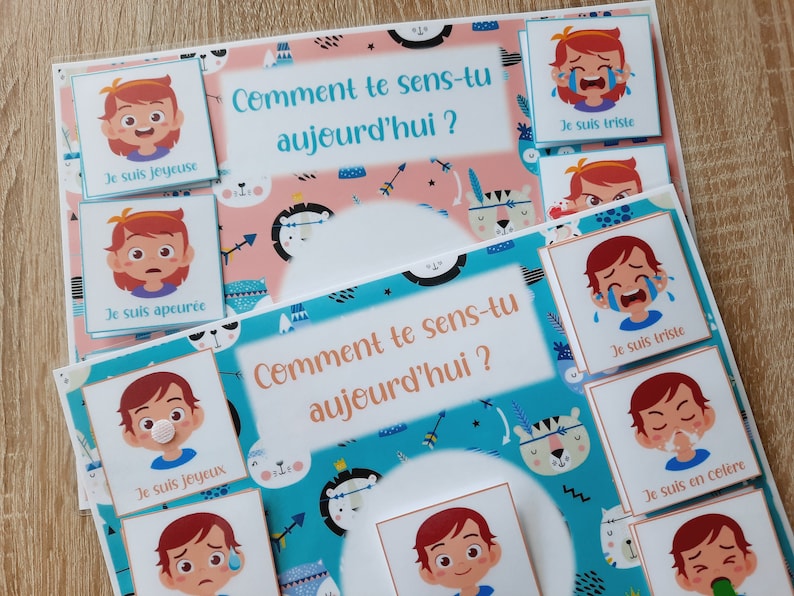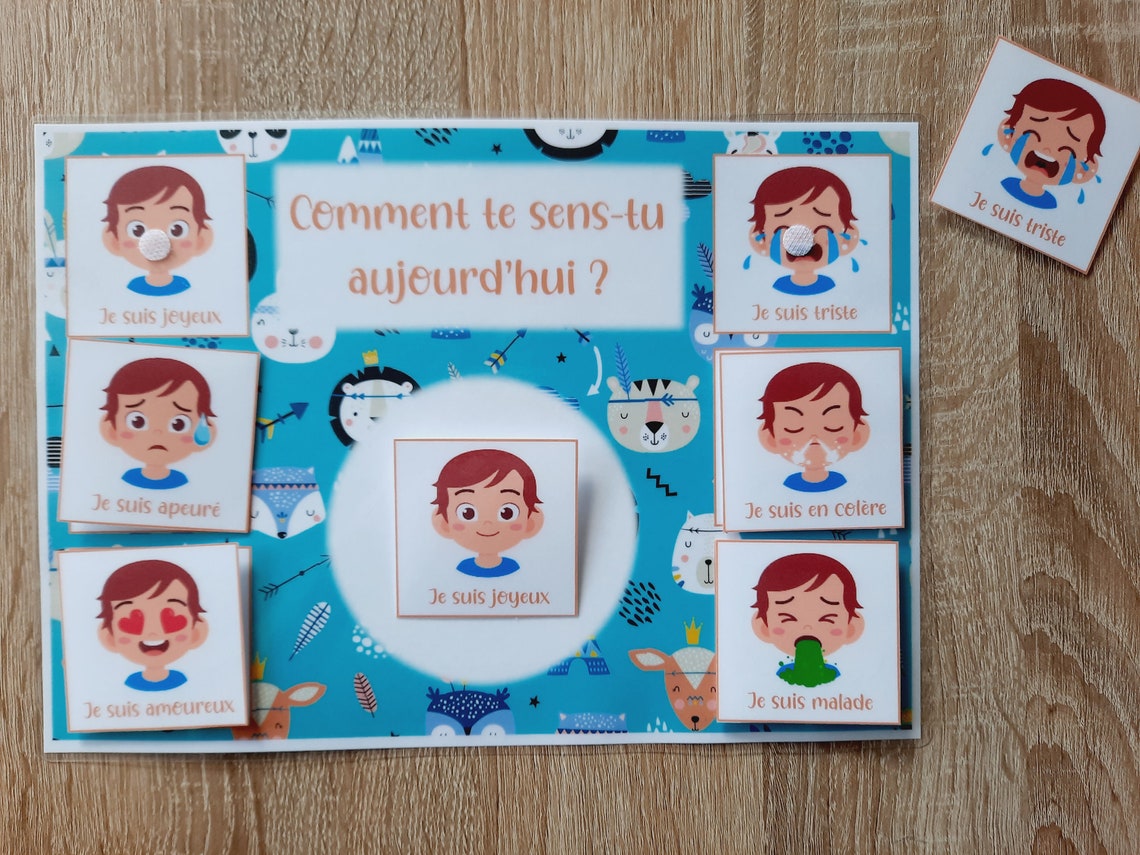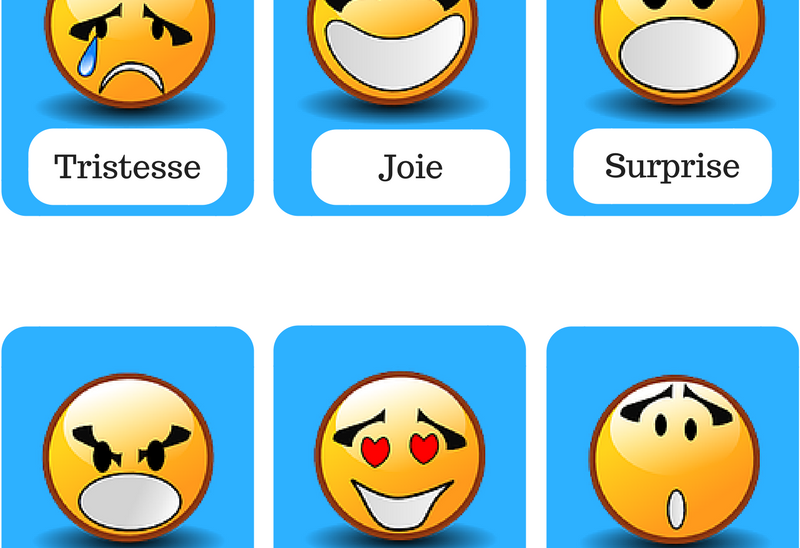
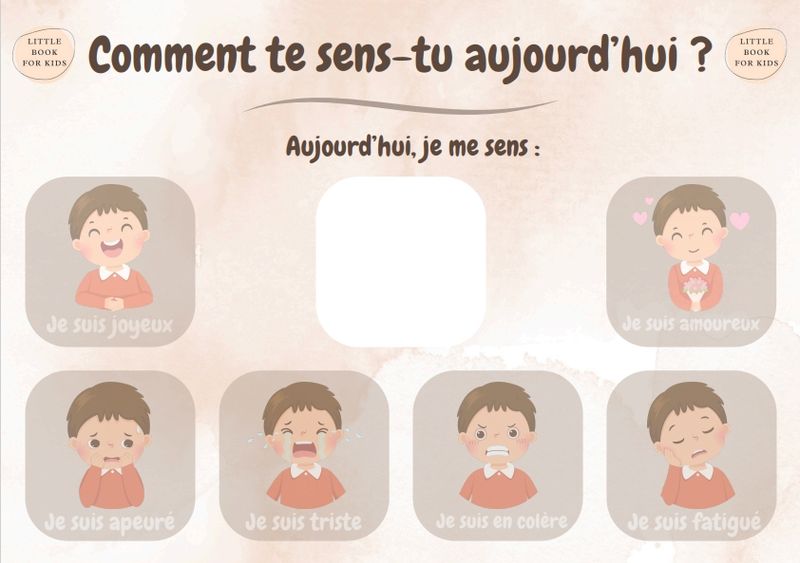
Ah, le français! The language of love, art, and… existential questions? Today, let’s dive into a phrase that might sound simple but carries a surprising weight: Comment te sens-tu aujourd’hui? (How are you feeling today?). It's more than just small talk; it's an invitation to truly check in with yourself.
The Art of "Comment Te Sens-Tu?"
Think about it. We often rush through greetings, rattling off “Ça va?” without really pausing for an answer. "Comment te sens-tu aujourd’hui?" pushes us to be more mindful, both as the asker and the answerer. It’s like a little burst of mindfulness in a busy day.
The direct translation is simple, but the nuance is richer. It's about acknowledging the emotional landscape of the moment. It's an invitation to be vulnerable and share your authentic self, even if just a little bit.
Beyond "Ça Va?": Expanding Your Emotional Vocabulary
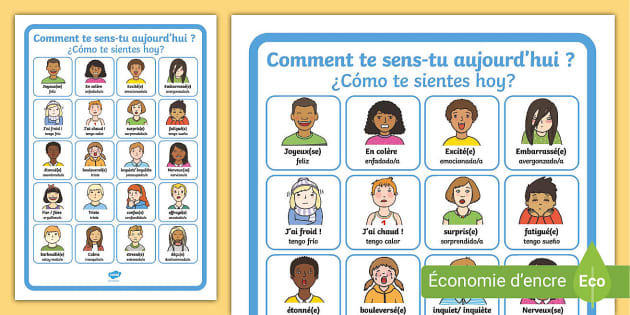
So, you're asked, "Comment te sens-tu aujourd’hui?" What do you say? Move beyond the generic "Ça va bien" (I'm fine). Here are some options to add some je ne sais quoi to your response:
- Je suis heureux/heureuse (I'm happy): A classic! Share a reason why.
- Je suis un peu fatigué(e) (I'm a little tired): Honesty is refreshing.
- Je me sens inspiré(e) (I feel inspired): Let that creative energy flow!
- Je suis stressé(e) (I'm stressed): We've all been there. Sharing can ease the burden.
- Je suis reconnaissant(e) (I'm grateful): Focus on the good things.
Don’t be afraid to add a little detail. For example, “Je me sens un peu fatigué(e) parce que j'ai mal dormi, mais je suis aussi très reconnaissant(e) pour le soleil!” (I feel a little tired because I didn't sleep well, but I'm also very grateful for the sun!).

Practical Tips for Tuning In
It’s easy to get caught up in the whirlwind of daily life and lose touch with how we truly feel. Here are some simple ways to connect with your inner self:
- Morning Reflection: Spend a few minutes each morning simply checking in with yourself. Ask yourself, “Comment je me sens aujourd’hui?” and honestly answer.
- Journaling: Writing down your thoughts and feelings can be incredibly therapeutic. Even just a few sentences can make a difference.
- Mindful Moments: Take short breaks throughout the day to practice mindfulness. Focus on your breath, your senses, and your emotions.
- Listen to Your Body: Pay attention to physical sensations. Are you tense? Relax your shoulders. Are you hungry? Nourish yourself.
A Cultural Connection
The French, often portrayed as deeply introspective, have a history of exploring emotions through art and literature. Think of the works of Marcel Proust, or the melancholy melodies of Edith Piaf. These artists delved into the complexities of the human experience, reminding us of the importance of acknowledging and expressing our emotions.
The very structure of the French language encourages nuanced expression. Consider the subjunctive mood, often used to express doubt, desire, or uncertainty. It allows for a subtle layering of meaning, reflecting the multifaceted nature of our emotions.
Fun Fact: The Power of a Pause
Did you know that taking a short pause before responding to a question allows you to formulate a more thoughtful and genuine answer? It’s a simple trick that can improve communication and deepen connections. Try it next time someone asks you, "Comment te sens-tu aujourd'hui?"
Reflecting on the Everyday
“Comment te sens-tu aujourd’hui?” isn’t just a phrase; it’s an invitation to be present, to be honest, and to connect with ourselves and others on a deeper level. It's a reminder that our emotions are valid and worthy of acknowledgment.
In a world that often prioritizes productivity and achievement, taking a moment to check in with our emotional well-being can be a radical act of self-care. So, the next time someone asks you, or when you ask yourself, “Comment te sens-tu aujourd’hui?”, take a breath, be honest, and embrace the opportunity for genuine connection. Because at the end of the day, how we feel truly matters.