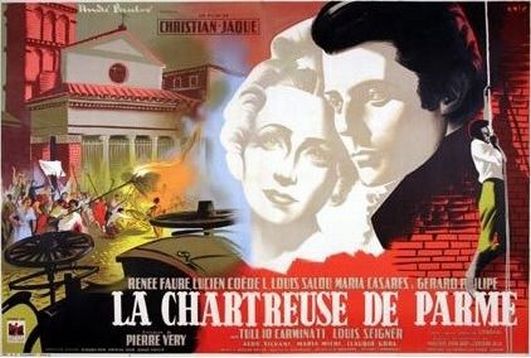
Okay, so picture this: I’m at a dinner party (pre-pandemic, obviously!), and the conversation somehow veers towards… book covers. Riveting, I know. Someone mentions this absolutely gorgeous edition of The Red and the Black they saw, and the color? They swore it was “Chartreuse de Parme.” Everyone nods sagely, like it's the most obvious thing in the world. I, meanwhile, am frantically trying to recall if Chartreuse de Parme is some obscure French liqueur, a breed of fancy chicken, or, you know, a actual thing. Turns out, it’s a bit of all three, in a weird, literary way. And that's where our journey begins...
So, what exactly is Chartreuse de Parme? Let's dive in. Don't worry, it's not nearly as intimidating as it sounds – even if it did send me spiraling down a Wikipedia rabbit hole that night.
Delving into the Definition(s)
Alright, the tricky thing about "Chartreuse de Parme" is that it doesn't have one, neat, easily-Googleable definition. You won't find it in any Pantone guides or paint charts. It's more... suggestive. It's evocative. Think of it as a literary color, not a scientific one.
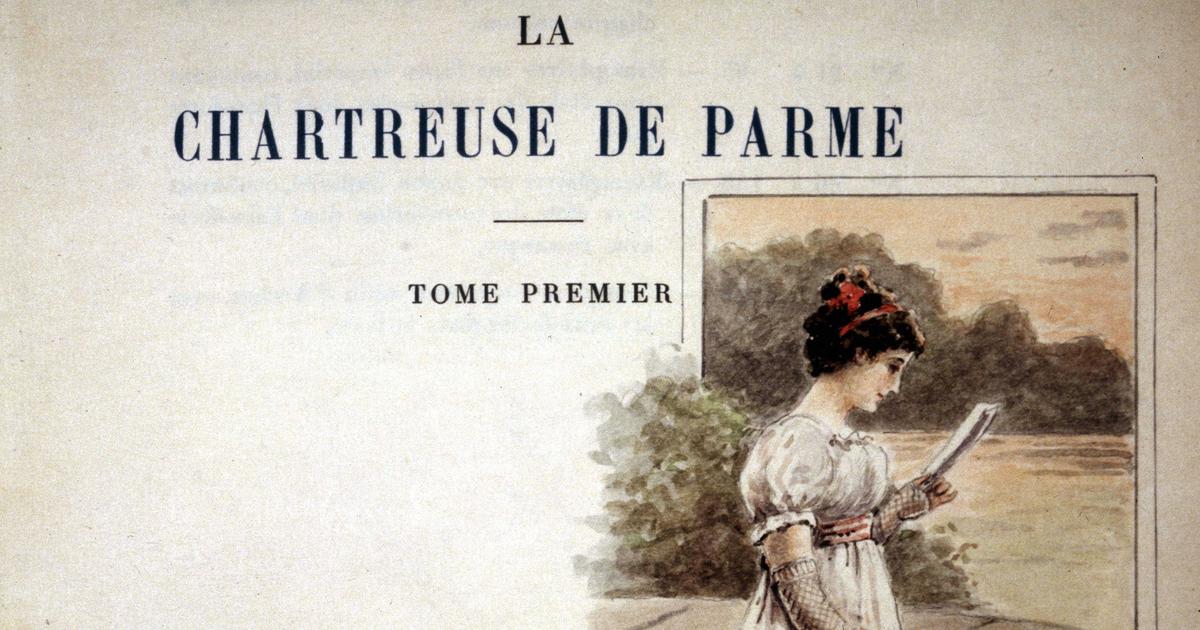
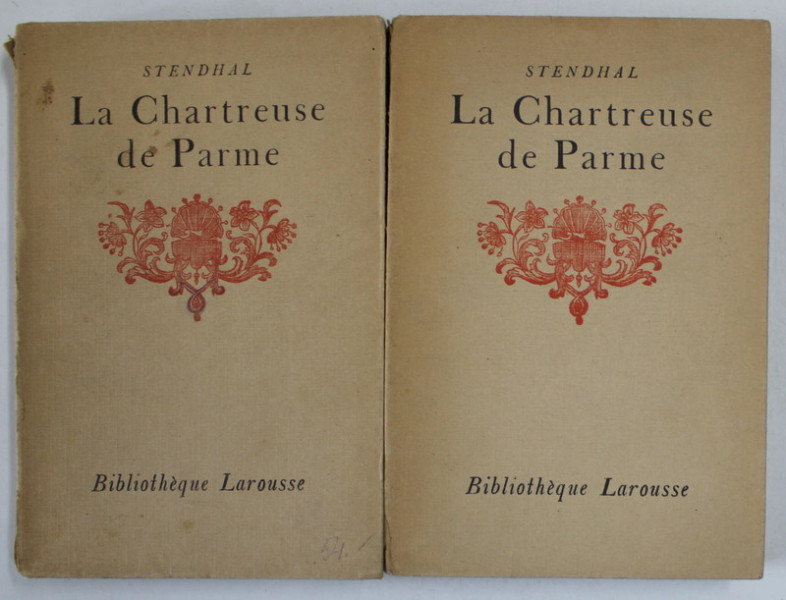
It's intrinsically tied to Stendhal's novel, La Chartreuse de Parme (The Charterhouse of Parma, in English). Now, you might be thinking, "Okay, so the book cover is chartreuse, right?" Wrong! (Though, that would make things too easy, wouldn't it?).
Here’s the thing: the color “Chartreuse de Parme” doesn’t actually appear explicitly in the novel. Stendhal doesn't describe a specific shade and name it thusly. So where does it come from? That's the million-dollar question (or, you know, the price of a good edition of the book). It’s an interpretation, a feeling, an atmosphere that the book evokes.

I know, I know, it sounds a bit artsy-fartsy. But stick with me!
The Interpretations: Decoding the Palette
Because it's subjective, "Chartreuse de Parme" can mean different things to different people. But there are some common threads that emerge when you start digging into what it could be:
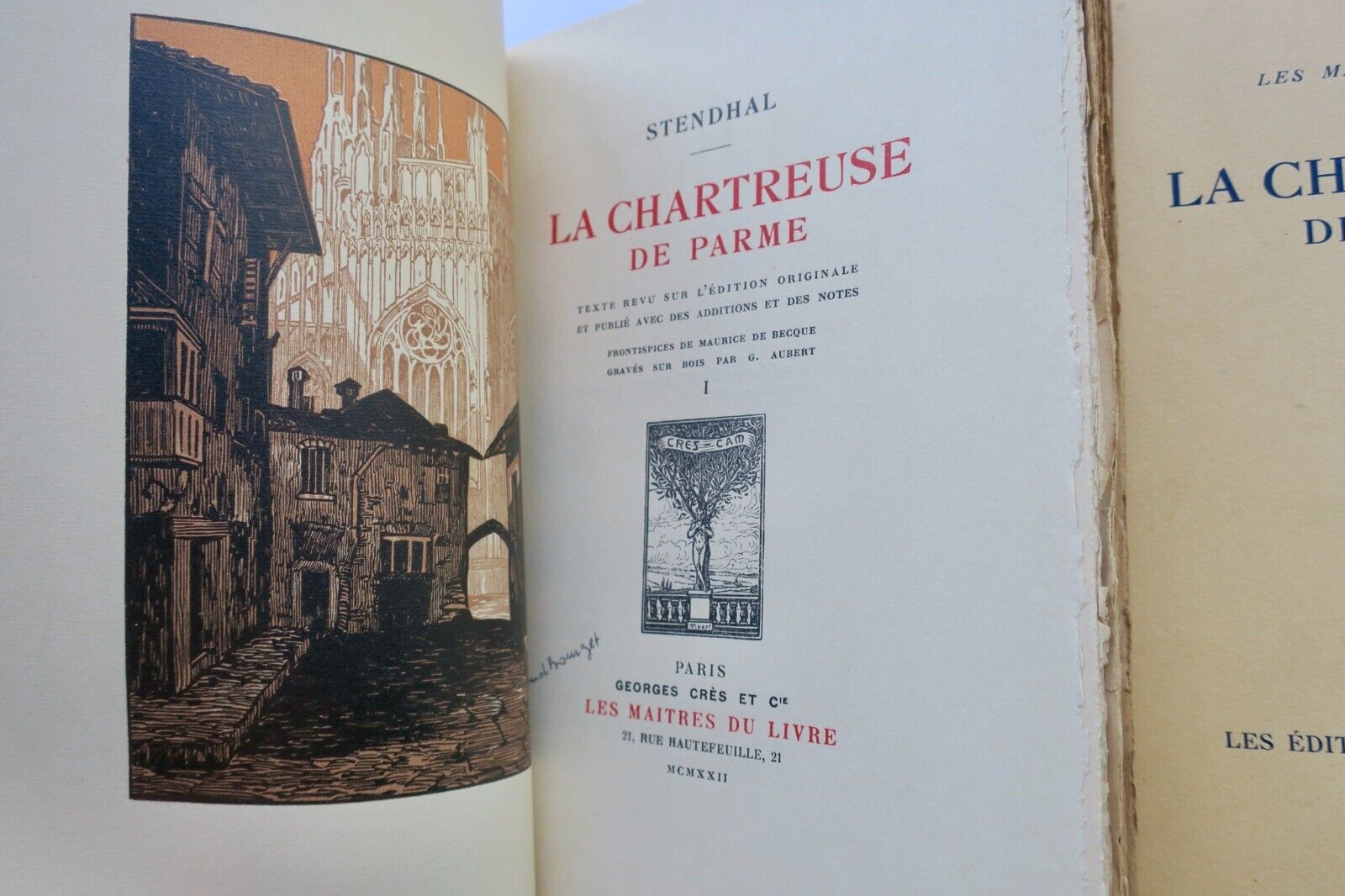
- A Spectrum, Not a Single Shade: Think of it less as a precise RGB code and more as a range of colors. It can lean towards pale greens, yellows, even a hint of gold. It's often described as muted, soft, and a little melancholy.
- The Power of Suggestion: The word "Chartreuse" itself brings to mind that intensely green, herbal liqueur. So, naturally, people associate it with shades of green. But the "Parme" part adds another layer of complexity. Parma, of course, is a city in Italy, famous for its art, architecture, and its soft, buttery colors. So, you've got this combination of vivid green tempered by Italian warmth and elegance. See? It's already more interesting than beige.
- Emotional Resonance: More than a color, it's a mood. It's a color associated with fleeting beauty, lost innocence, and the romanticism of the Italian landscape. It's a color that whispers rather than shouts. Think of it as the visual equivalent of a sigh.
- The Age of the Novel: Consider the era in which The Charterhouse of Parma was written. Colors were different then! Dyes weren't as stable, tastes leaned toward softer, more natural hues. So, it's unlikely that "Chartreuse de Parme" would have been some garish, neon shade. More likely, it would have been a subtle, sophisticated color reflecting the aesthetic sensibilities of the time. Think of it like a faded fresco – beautiful, but aged.
In essence, it is a subjective and ephemeral color, influenced by the context and history of the novel.
Why Does it Matter? The Allure of the Intangible
So, why are we even talking about a color that doesn't technically exist? Because it highlights the power of literature and art to create something bigger than itself. "Chartreuse de Parme" is a symbol. It represents:

- The Subjectivity of Beauty: We all perceive colors differently. What one person sees as a vibrant green, another might see as a sickly yellow. "Chartreuse de Parme" embraces this subjectivity.
- The Power of Suggestion in Art: Sometimes what's not said is more important than what is. Stendhal didn't need to explicitly describe the color; he created a world that evokes it. Think about it: do you need a character to say they're sad to know they're sad?
- The Lasting Impact of Literature: A single novel can inspire countless interpretations and artistic expressions. The fact that people are still discussing and debating "Chartreuse de Parme" is a testament to the enduring power of Stendhal's work.
- The Beauty of the Unseen: It's the color you feel, not the color you see. Isn't that just a little bit magical?
It teaches us that sometimes, the most interesting things are the ones that defy easy definition. Don't you agree?
Finding Your Own "Chartreuse de Parme"
Okay, so you’re intrigued. You want to experience this elusive color for yourself. How do you do it?
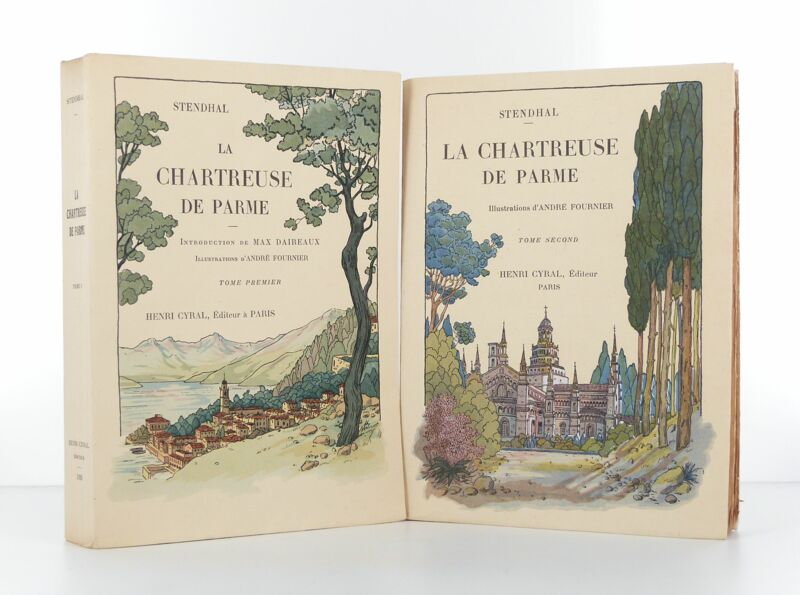
- Read the Book: The most obvious step! Immerse yourself in Stendhal's world. Pay attention to the descriptions of the landscapes, the characters' emotions, the overall atmosphere. Let the color come to you.
- Explore Art and Architecture: Look at paintings and buildings from the same era as the novel. What colors were popular? What kind of light was prevalent? How did artists use color to create mood?
- Think About Your Own Associations: What does "Chartreuse de Parme" mean to you? What colors evoke similar feelings? What places remind you of the novel's setting?
- Embrace the Ambiguity: Don't try to nail down a single, definitive answer. "Chartreuse de Parme" is about the journey, not the destination. It's about the quest for the perfect shade, knowing that it will always be just beyond your grasp.
And maybe, just maybe, you'll find it in a sunset, in a vintage dress, or in the eyes of someone you love. Or, heck, in a really good pistachio ice cream! Okay, that's a stretch, but you get my drift. It's about finding beauty in the unexpected.
Ultimately, "Chartreuse de Parme" is a reminder that art is subjective, interpretation is personal, and sometimes the most beautiful things are the ones that exist only in our imaginations. It's about finding that feeling, that mood, that whisper of color in your own life. So, go forth and seek your own "Chartreuse de Parme"! And, next time someone brings it up at a dinner party, you can nod sagely and pretend you knew all along (just kidding… mostly!).
And if you happen to find the perfect shade, be sure to let me know!