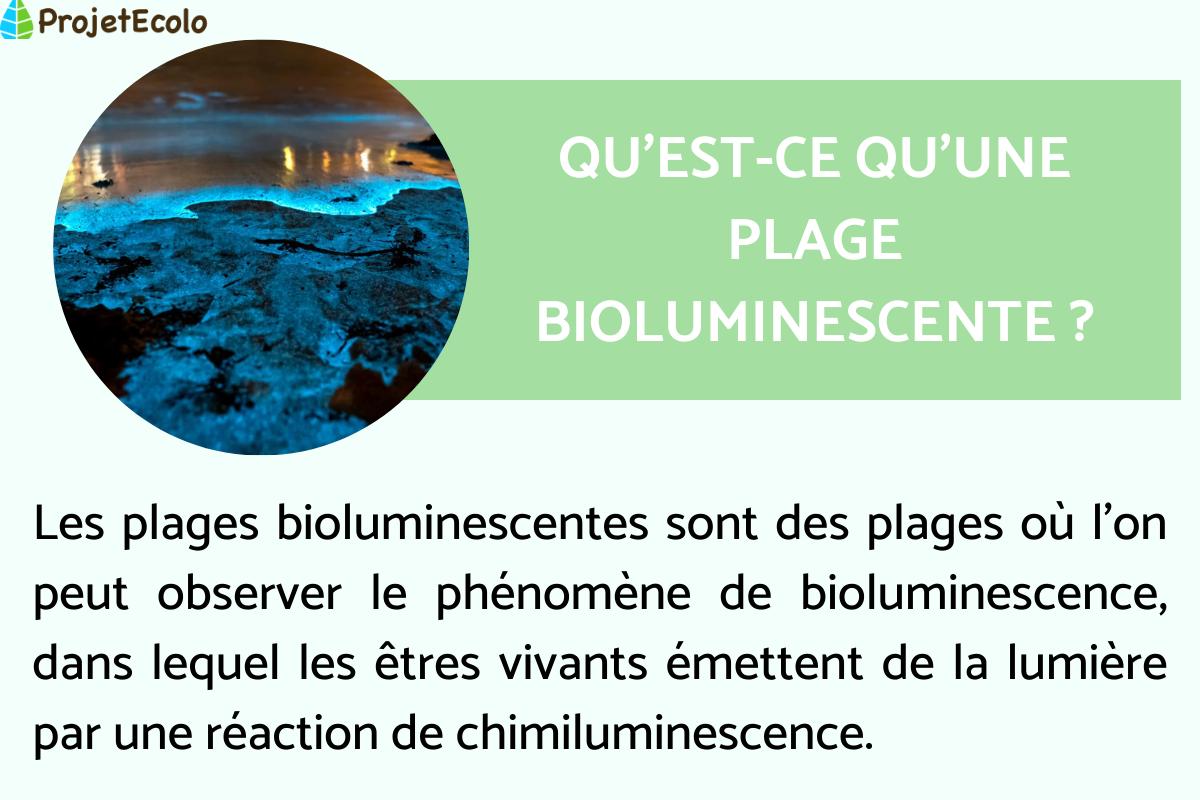
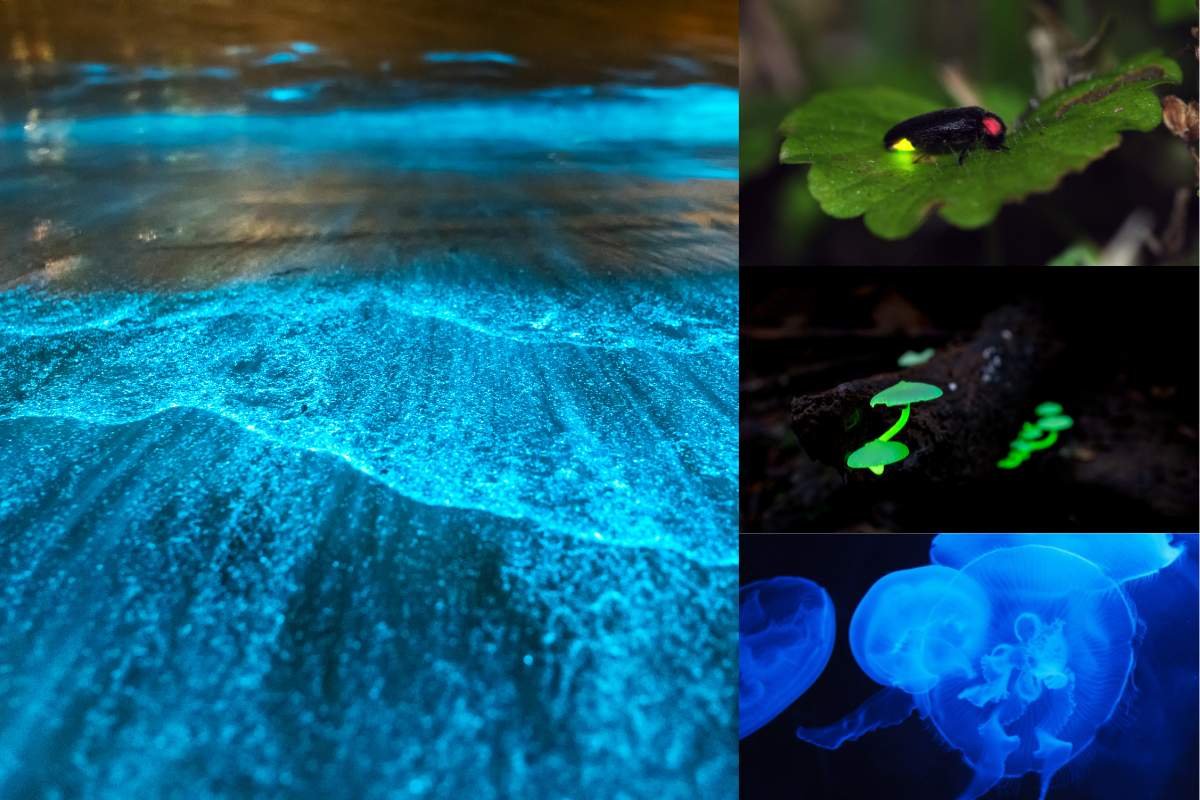
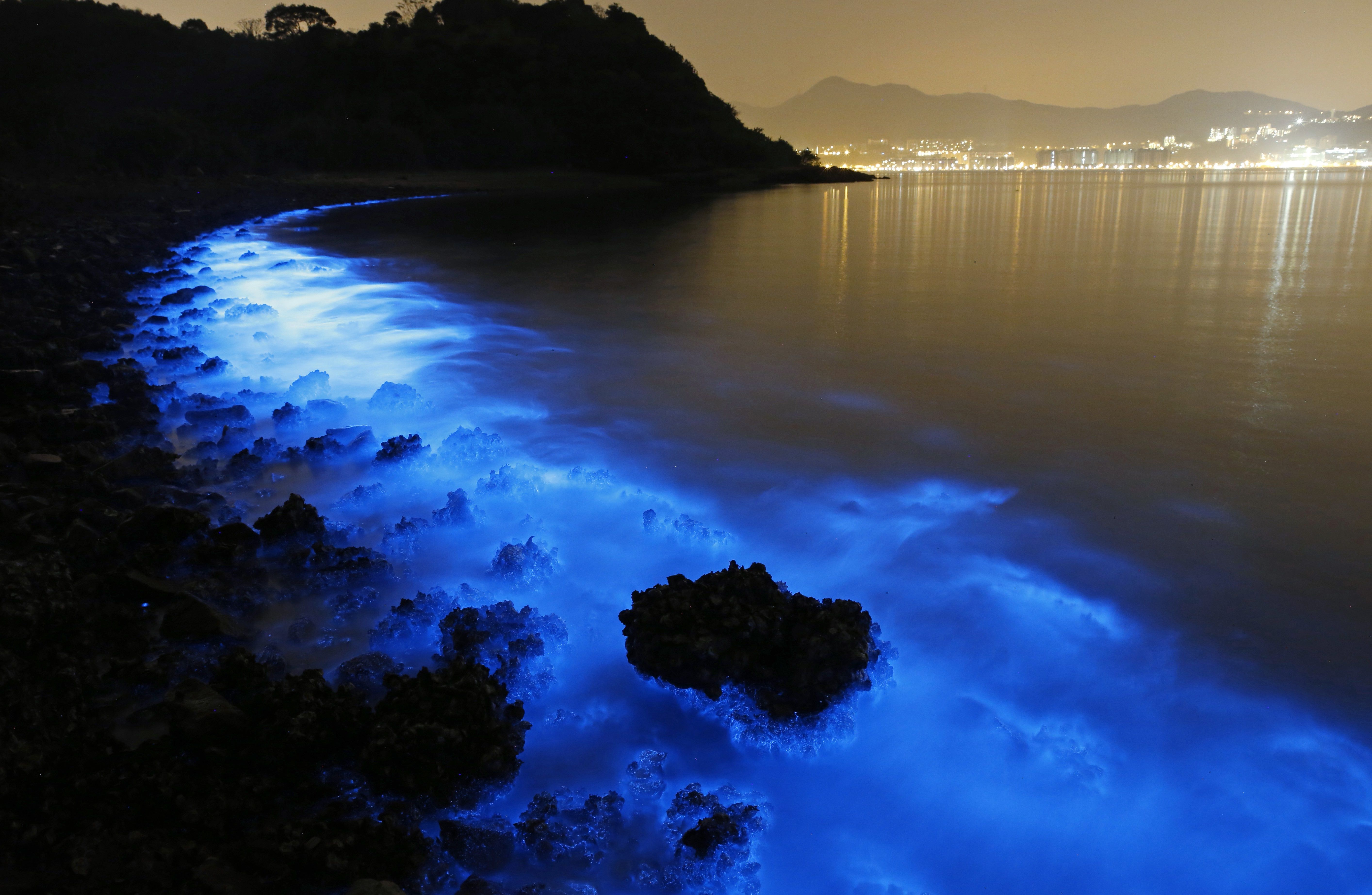
Okay, imagine this: I'm knee-deep in the ocean on a super dark night in Vieques, Puerto Rico. Suddenly, with every movement I make, the water around me sparkles like a million tiny diamonds. Seriously, like something out of a fantasy movie! At first, I thought I was hallucinating from the humidity (it happens!), but then a local explained it: bioluminescence. My brain basically exploded. Hence, this dive into the dazzling world of bioluminescence – because who doesn't love a little underwater magic?
Bioluminescence: What's the Deal?
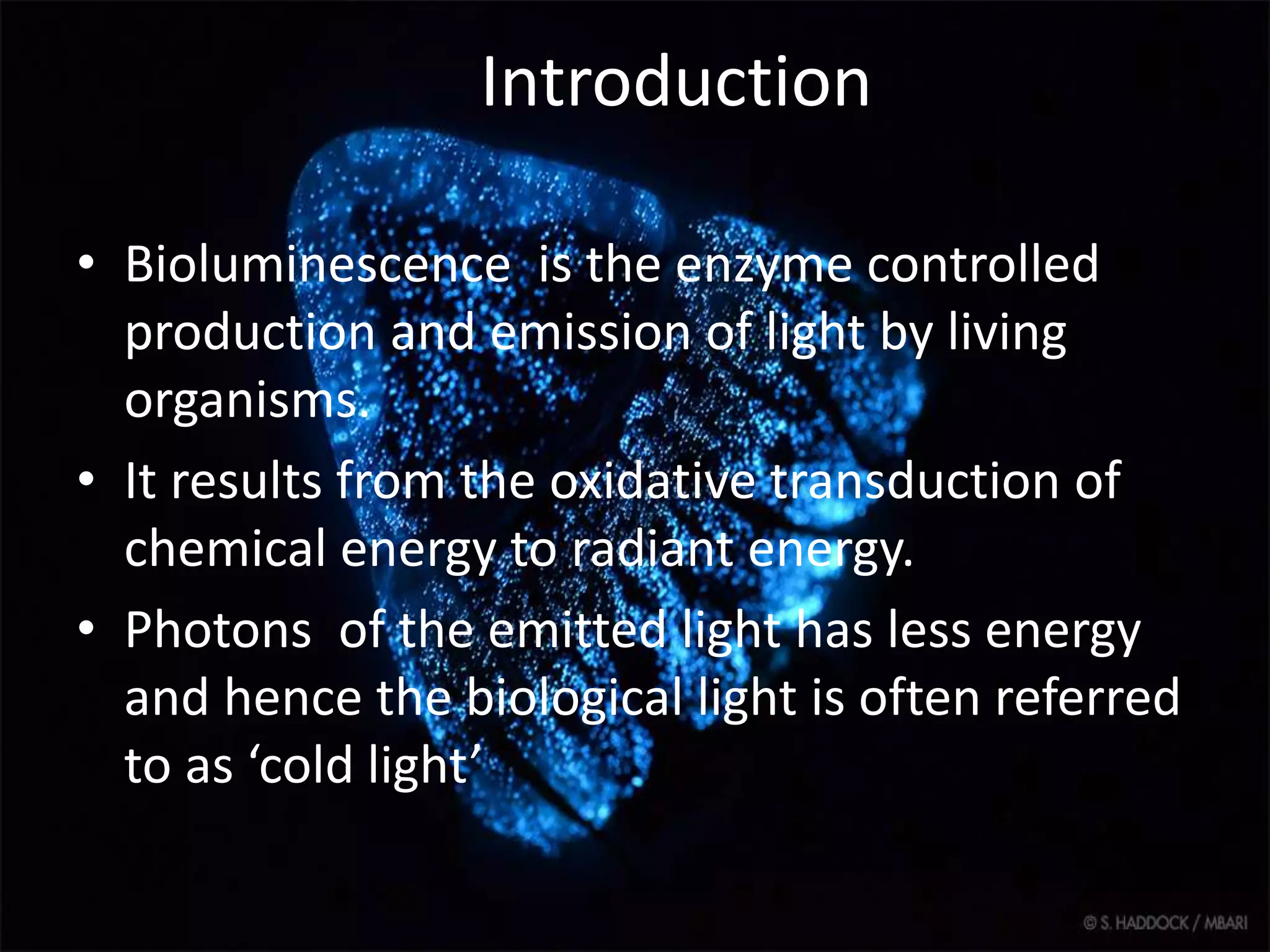
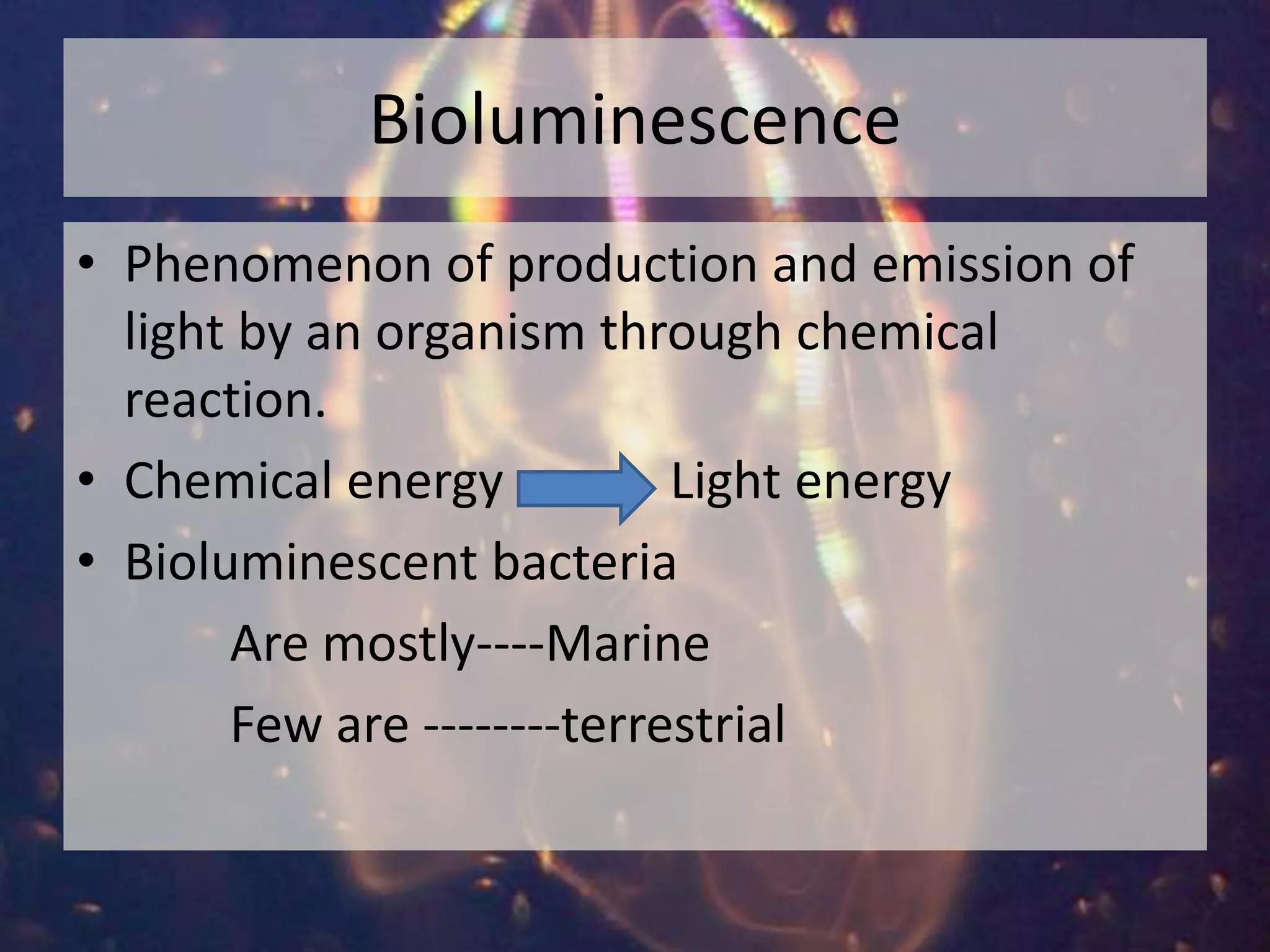
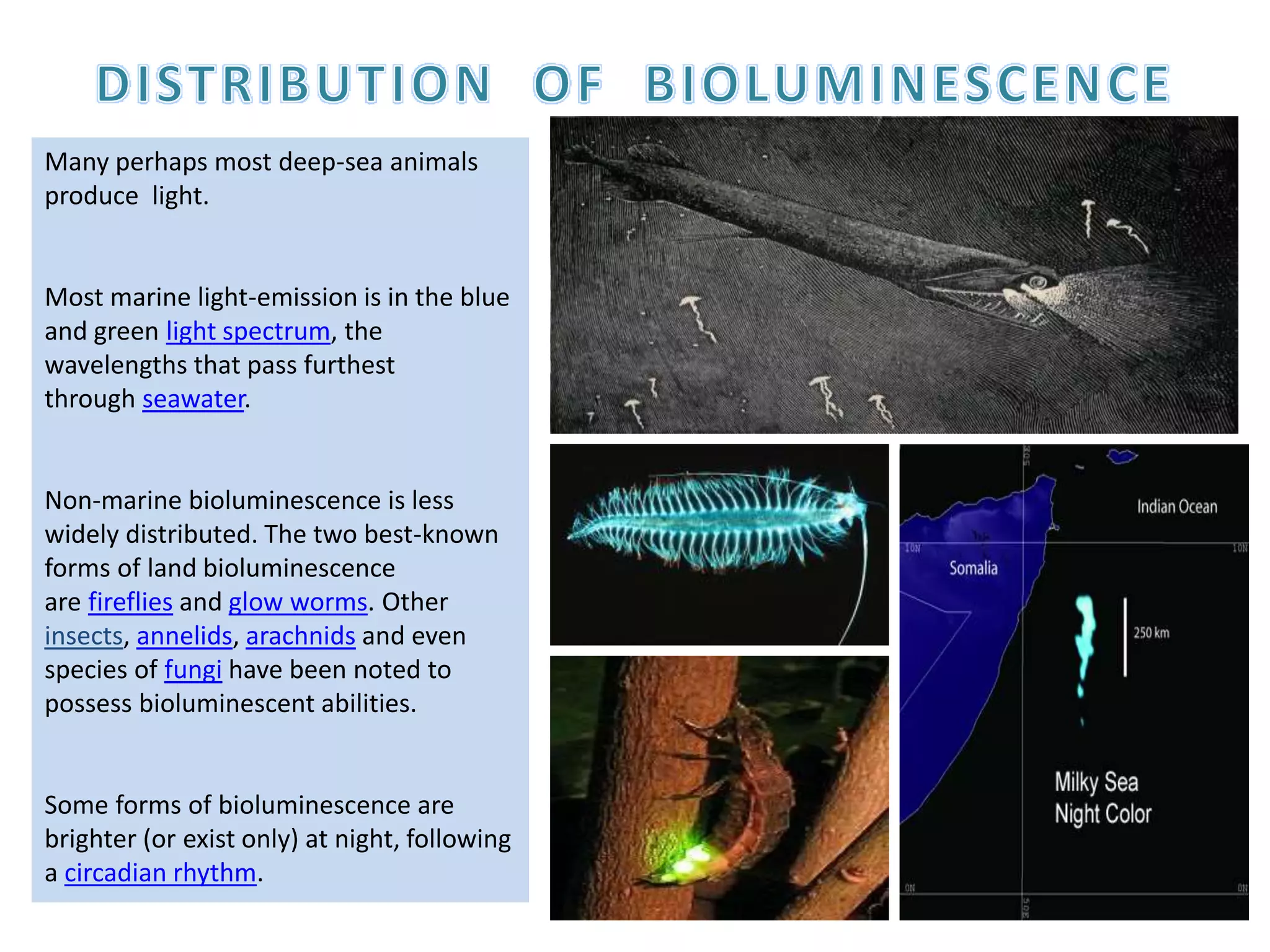
So, what is bioluminescence? Essentially, it's light produced by a living organism through a chemical reaction. Think of it as nature's own built-in flashlight. It's not magic, though it sure feels like it, right? The most common chemical reaction involves a light-emitting molecule called luciferin and an enzyme called luciferase. Add a little oxygen, sometimes some other cofactors, and boom - you've got light!
Now, you might be thinking, "Okay, cool, but who's doing this light show?" Well, the answer is...a LOT of different organisms!
- Dinoflagellates: These are probably the stars of the show, the microscopic plankton responsible for the bioluminescent bays and oceans we dream about. (You know, like the one I experienced – still not over it!)
- Jellyfish: Yep, those gelatinous blobs can glow too! Some have incredible light displays.
- Bacteria: Certain bacteria can produce light, sometimes living symbiotically within other organisms. How cool is that?
- Fish: Anglerfish are the poster children, using bioluminescent lures to attract unsuspecting prey. Talk about a sneaky trick!
- Fungi: Even some mushrooms glow! Imagine stumbling through a forest lit by bioluminescent fungi – talk about a fairy tale!
Why Do They Glow? (The Million-Dollar Question!)
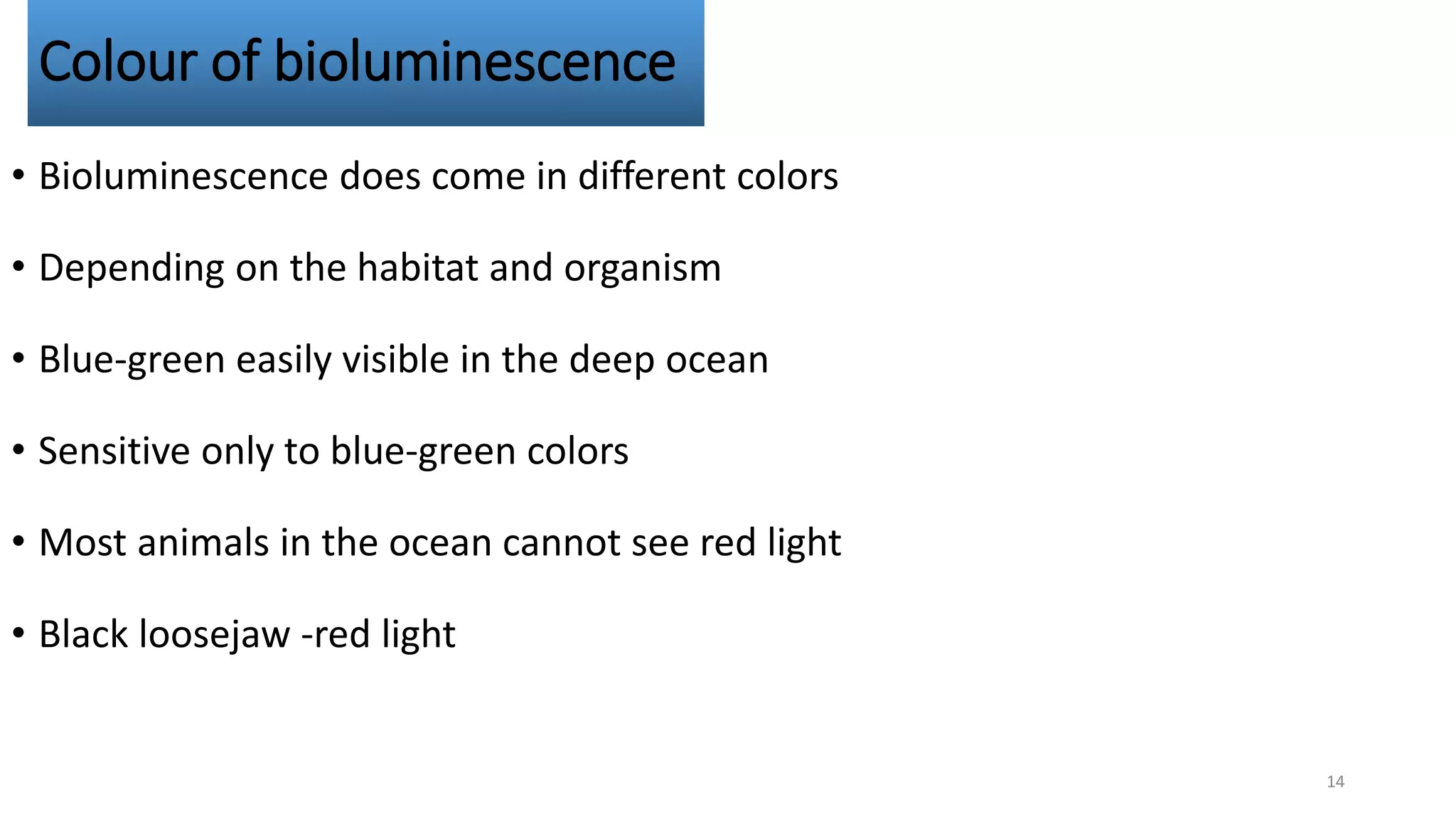
Scientists are still figuring out all the reasons why organisms evolved to glow, but here are a few of the most likely explanations:
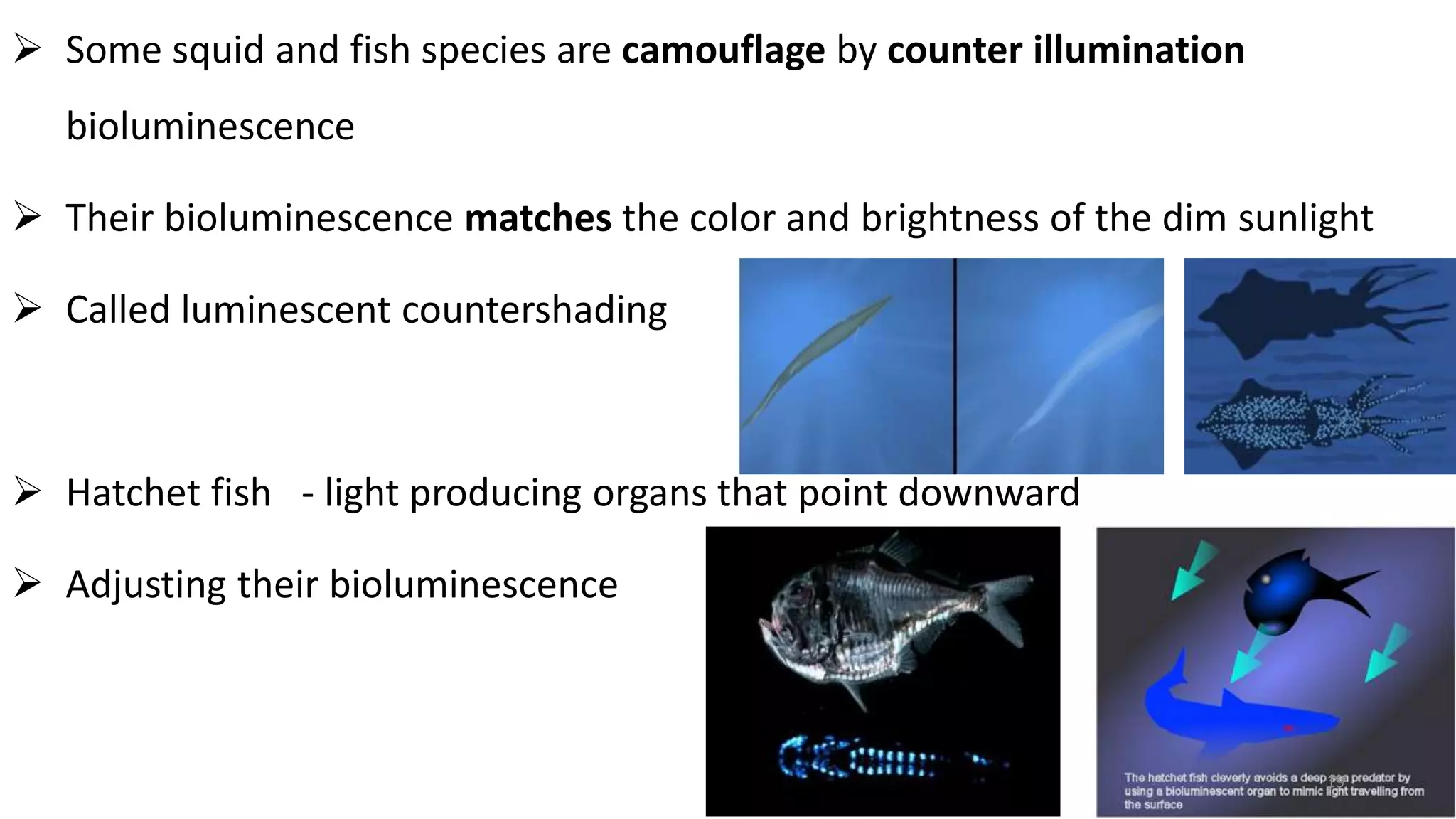
- Camouflage: Some organisms use bioluminescence to break up their silhouette, making them harder for predators to see from below. Think of it as an invisibility cloak, kinda.
- Attracting Prey: Like the anglerfish mentioned earlier, light can be a tempting lure for unsuspecting meals. Survival of the brightest, perhaps?
- Defense: A sudden flash of light can startle predators, giving the glowing organism a chance to escape. It's like a built-in flashbang grenade!
- Communication: Some organisms might use bioluminescence to signal to each other, perhaps for mating purposes. Think of it as a secret underwater language!
Basically, it's a versatile tool for survival in the dark depths. Nature is so clever, isn't it? You gotta admire the innovation, even if it's… chemical.
Page De Garde: The Artistic Spark
Okay, so "Page De Garde" translates to "Guard Page" or "Title Page." How does bioluminescence relate to this? Well, imagine a title page glowing with the soft, ethereal light of bioluminescence. It's captivating, mysterious, and instantly grabs your attention. It sets the tone, hinting at the wonders and complexities within. I mean, seriously, a textbook cover featuring a glowing anglerfish? I'd buy that textbook in a heartbeat!

Think about using bioluminescent imagery to represent something hidden, something that requires a bit of digging to understand. That glow draws you in, right? Plus, it’s just plain beautiful. Who wouldn't want to see a stunning, glowing creature on the cover of a book, report, or presentation? It’s an instant conversation starter – trust me!
So, next time you're looking for inspiration for a title page, don't forget the magic of bioluminescence. It's more than just a cool light show – it's a symbol of the hidden beauty and wonder that exists all around us.