Salut, les amis! Ready to sprinkle a little je ne sais quoi into your daily routine? Let's talk about the absolute bedrock of French: the verbs être, avoir, and, because why not, aller in the présent. Forget those dusty textbooks from high school; we’re approaching this with a joie de vivre attitude!
Être: Your Essence, Your State of Being
Être, meaning "to be," is the verb you'll use to describe who you are. Think of it as your essential self, your nationality, your profession, and even your mood! For example, "Je suis américaine" (I am American) or "Il est fatigué" (He is tired).
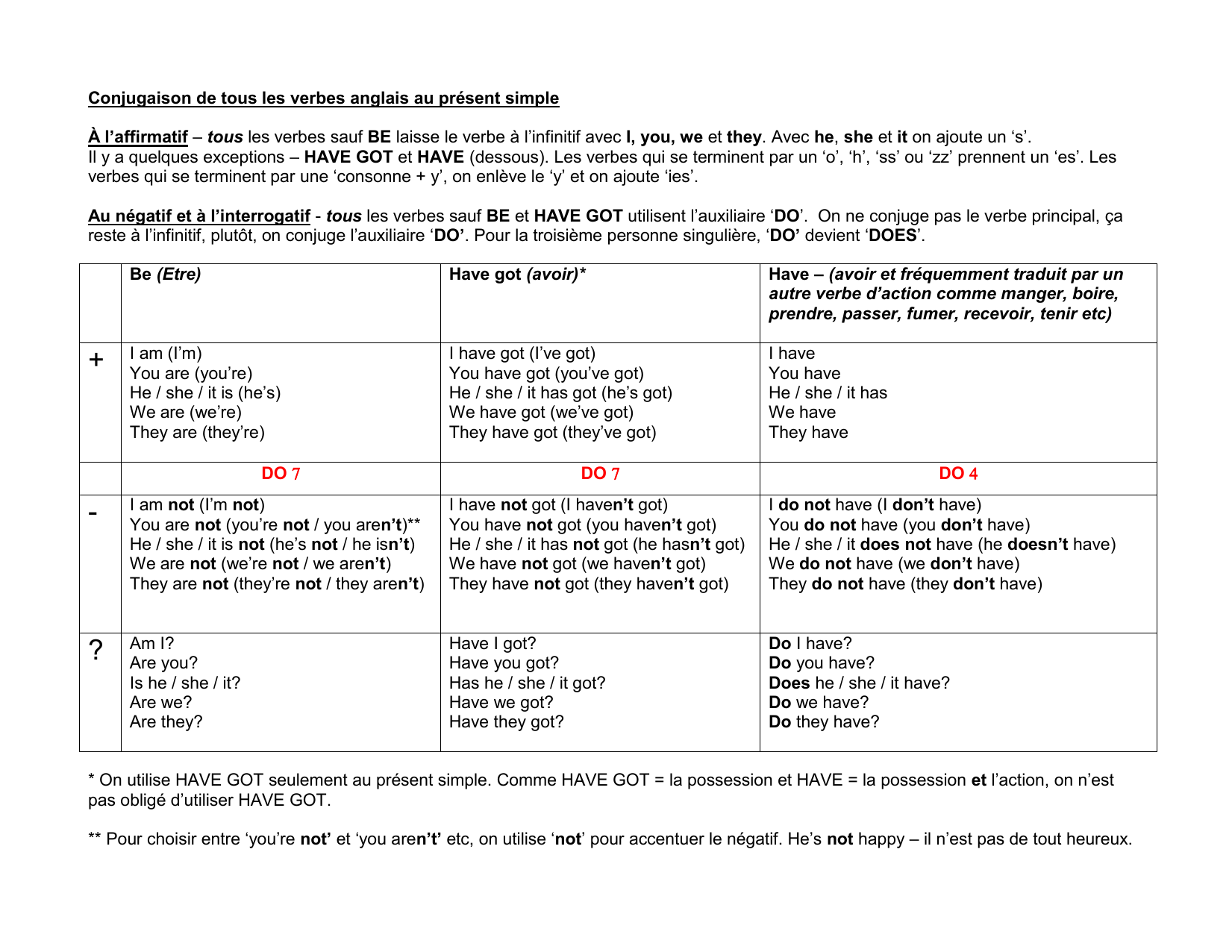
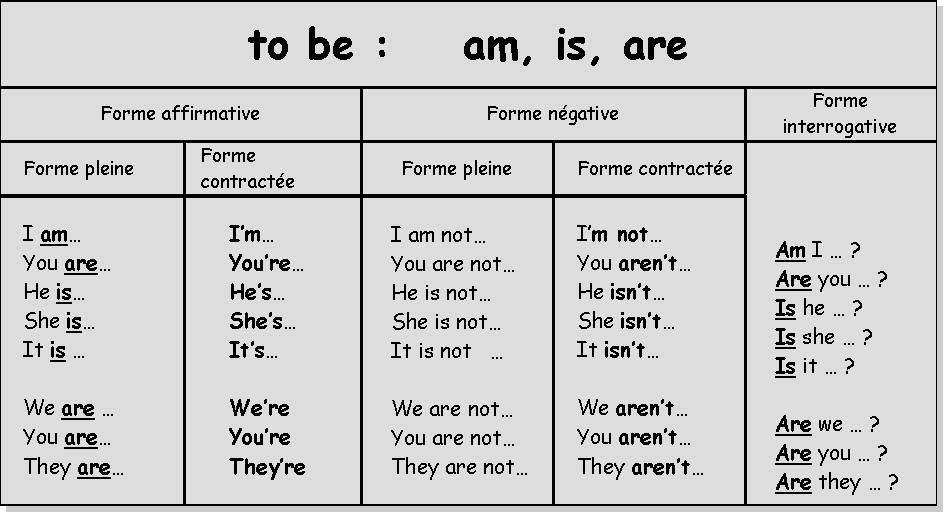
- Je suis (I am)
- Tu es (You are - informal)
- Il/Elle/On est (He/She/One is)
- Nous sommes (We are)
- Vous êtes (You are - formal/plural)
- Ils/Elles sont (They are)
Practical Tip: Struggling to remember the conjugations? Think of the phrase "Suis es est sommes êtes sont". It's a little rhyme that sticks in your head!
Ever heard the saying "L'habit ne fait pas le moine" (The habit doesn't make the monk)? Well, knowing être allows you to describe the "habit" – what someone appears to be – but also delve deeper and express their essential nature. "Elle est créative" (She is creative) - that goes beyond just what she's wearing!
Avoir: Ownership and More!
Avoir, meaning "to have," is about possession, of course. "J'ai une voiture" (I have a car). But it's so much more versatile! It's also used to express age ("J'ai 30 ans" - I am 30 years old), certain feelings ("J'ai faim" - I am hungry), and even physical sensations ("J'ai mal à la tête" - I have a headache).

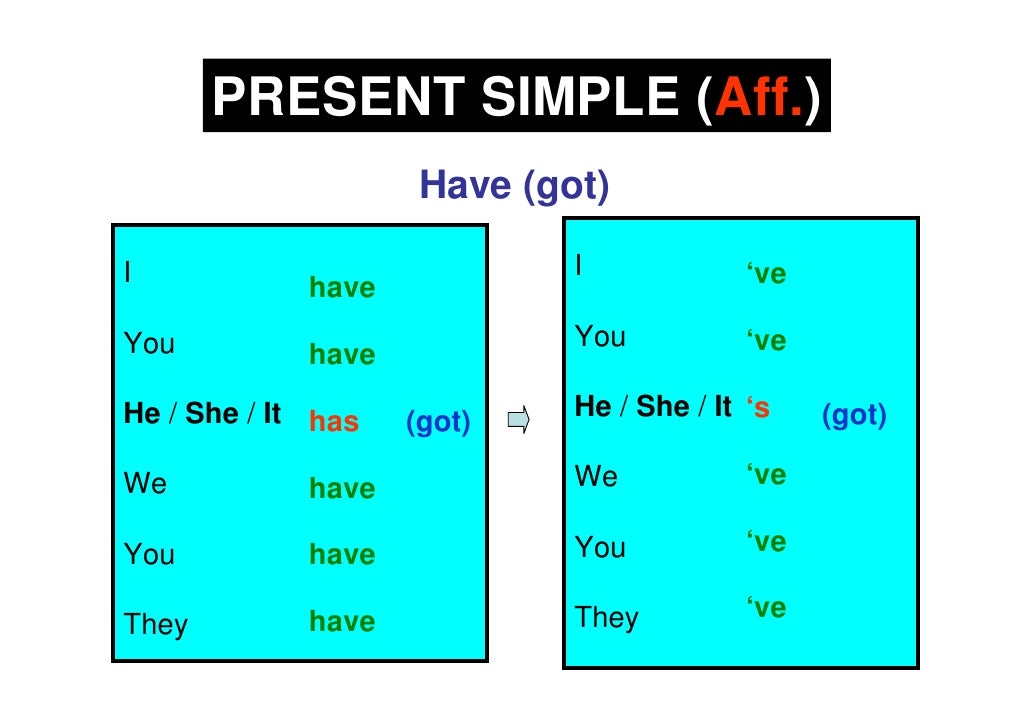
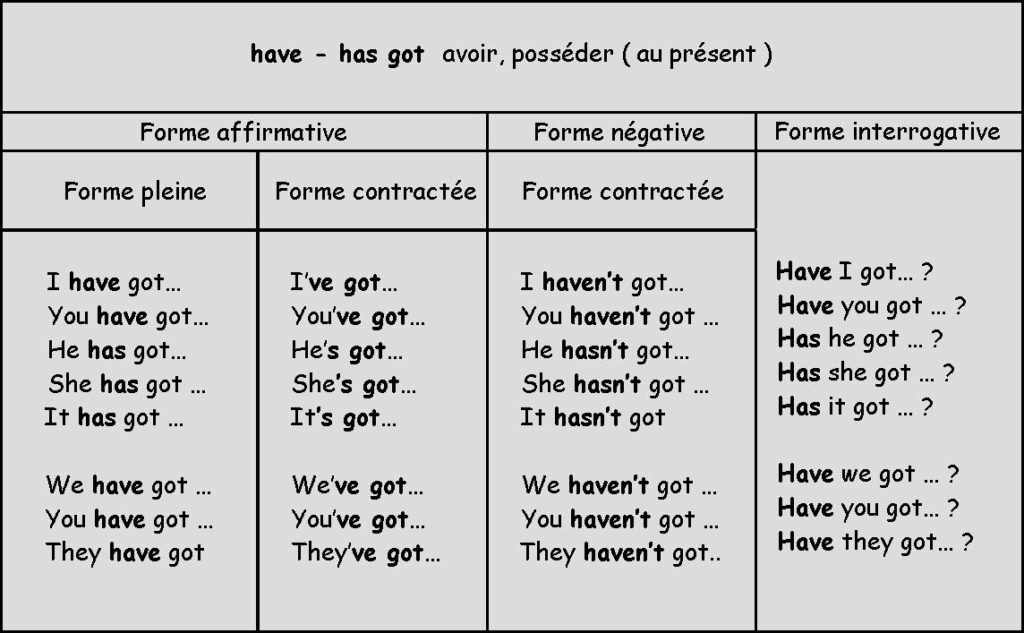
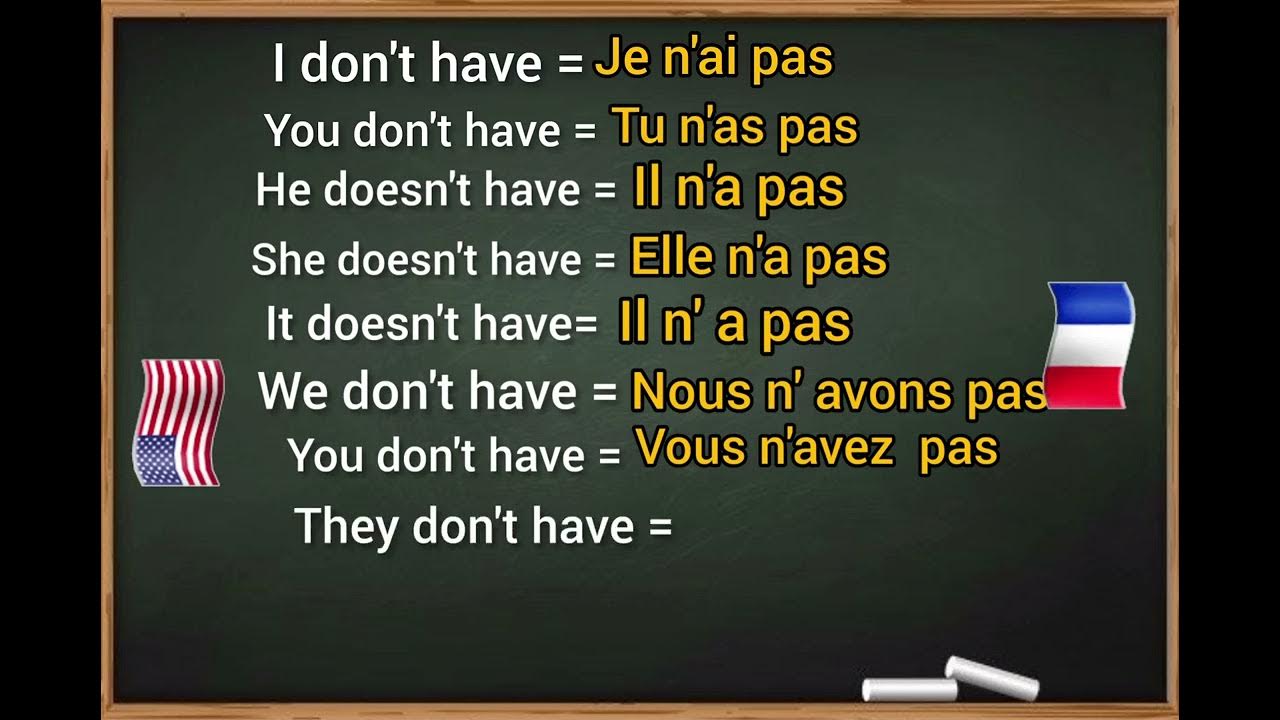
- J'ai (I have)
- Tu as (You have - informal)
- Il/Elle/On a (He/She/One has)
- Nous avons (We have)
- Vous avez (You have - formal/plural)
- Ils/Elles ont (They have)
Fun Fact: Instead of saying "I am cold," in French you say "J'ai froid" (I have cold). Embrace the difference! It's all part of the charm.
Imagine sitting at a Parisian café, sipping a café au lait. You can use avoir to express everything! "J'ai envie d'un croissant" (I feel like having a croissant). "J'ai besoin de café" (I need coffee). It's the key to expressing your desires and necessities.

Aller: The Verb of Movement
While technically not a "be" or "have" verb, aller (to go) is essential and often intertwined with être and avoir in everyday conversation. Think of it as the verb that adds direction to your life – literally! It's used to express where you're going, what you're planning to do, and even your overall well-being in certain expressions.
- Je vais (I go/am going)
- Tu vas (You go/are going - informal)
- Il/Elle/On va (He/She/One goes/is going)
- Nous allons (We go/are going)
- Vous allez (You go/are going - formal/plural)
- Ils/Elles vont (They go/are going)
Cultural Reference: "Ça va?" (How's it going?) is a quintessential French greeting. It literally translates to "It goes?" but it's the equivalent of asking "How are you?" or "What's up?".

Use it to say "Je vais au cinéma" (I'm going to the cinema) or, perhaps more excitingly, "Je vais manger!" (I'm going to eat!). Also, you can use aller + infinitive to talk about the near future. "Je vais étudier le français" (I am going to study French). Now that's proactive!
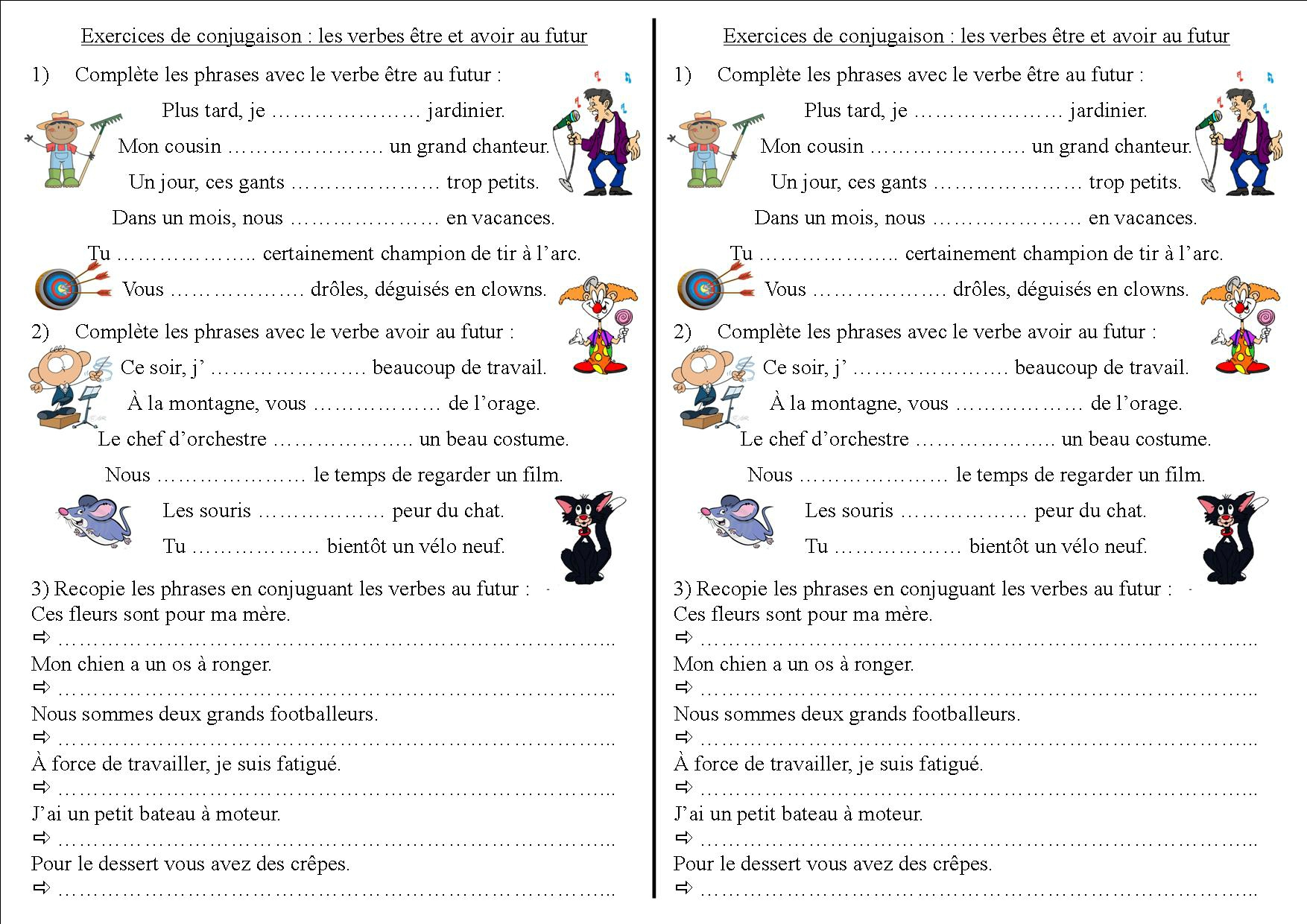
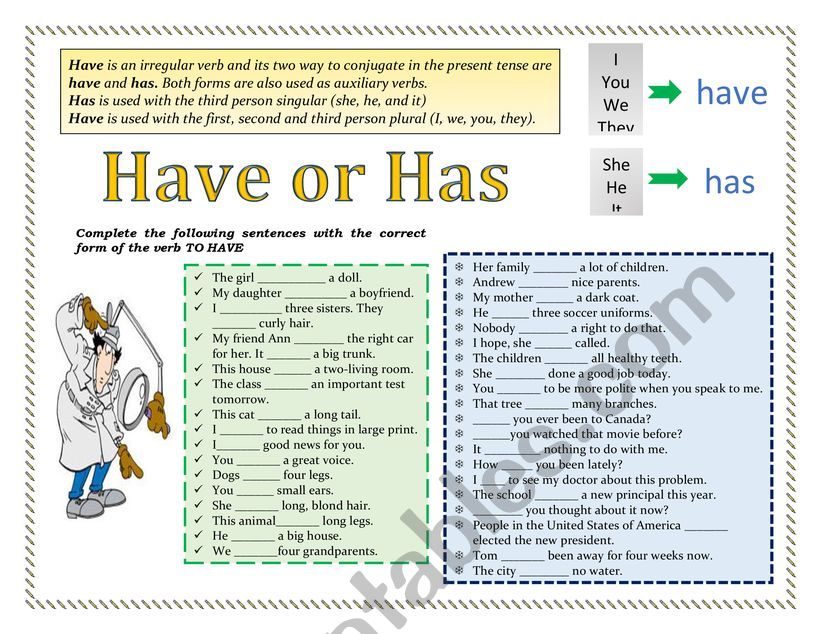
Exercices: * Write five sentences about yourself using être. (e.g., Je suis étudiant(e)). * Write five sentences about what you have using avoir. (e.g., J'ai un chat). * Write five sentences about where you are going or what you are going to do using aller. (e.g., Je vais voyager).
Final Thoughts: Embracing the Basics
Mastering être, avoir, and aller in the présent tense isn't just about grammar; it's about connecting with the world and expressing your place in it. It’s about being able to describe your feelings, share your possessions, and articulate your plans. It might seem simple, but these verbs are the building blocks upon which more complex conversations are built. So, take a deep breath, practice these verbs, and let them empower you to express yourself with confidence and a little bit of French flair. À bientôt!