Ah, le plus-que-parfait! Just the name sounds like a dessert your French grandmother would whip up after a particularly satisfying family argument. "Voilà, chéri(e), un plus-que-parfait! Ça te calmera!" But instead of whipped cream and cherries, we're talking about a tense. A verb tense! Gasp! Don't run away screaming just yet. I promise, it's not as scary as it sounds (okay, maybe a little bit scary if you're facing a French exam tomorrow, but we won't dwell on that).
The Super-Past: When the Past Gets Even More Past-y
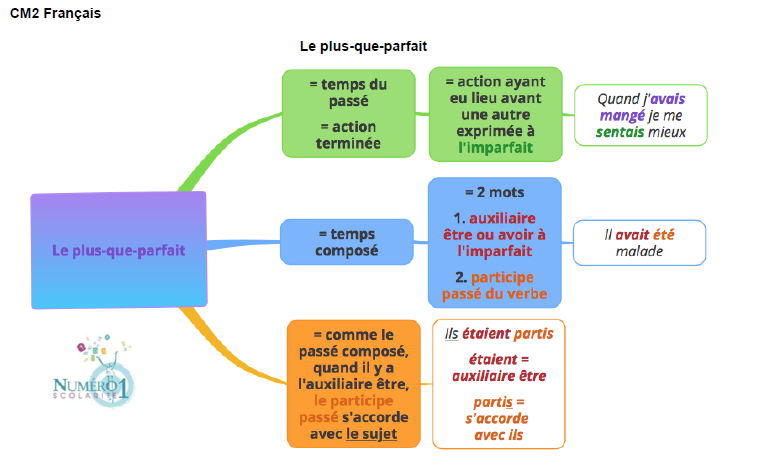
Think of the plus-que-parfait as the "past of the past." It's like the regular past, but with a turbocharger and a time machine attached. It describes an action that happened before another action in the past. It’s the flashback scene in the grand cinematic production that is your life (or, you know, just your average Tuesday).
Consider this scenario: You arrived at the party and realized you had forgotten to bring a gift. Quelle horreur! The sentence might be: “J’étais gêné parce que j’avais oublié d’apporter un cadeau.” (I was embarrassed because I had forgotten to bring a gift.) See how “avais oublié” (had forgotten) is even more in the past than “étais gêné” (was embarrassed)? It's like the grammatical equivalent of inception.
Why Does It Even Exist? Couldn't We Just Use Two Simple Pasts?
Well, you could. But where's the fun in that? French loves its nuances, its subtleties, its opportunities to make things just a tad more complicated than they need to be. (That's why they invented things like subjunctive, right?) The plus-que-parfait adds clarity and a touch of elegance. Imagine trying to tell a complicated story without it. It would be like trying to paint a masterpiece with only one color. Technically possible, but… why?
Think of it as adding depth to your narrative. It's the difference between saying "I ate and then I slept" and "After I had eaten, I slept." One is a simple statement of sequential events; the other implies a relationship between the two actions, perhaps even suggesting that the eating led to the sleeping (as it often does, let's be honest).
How to Construct This Marvel of Grammatical Engineering
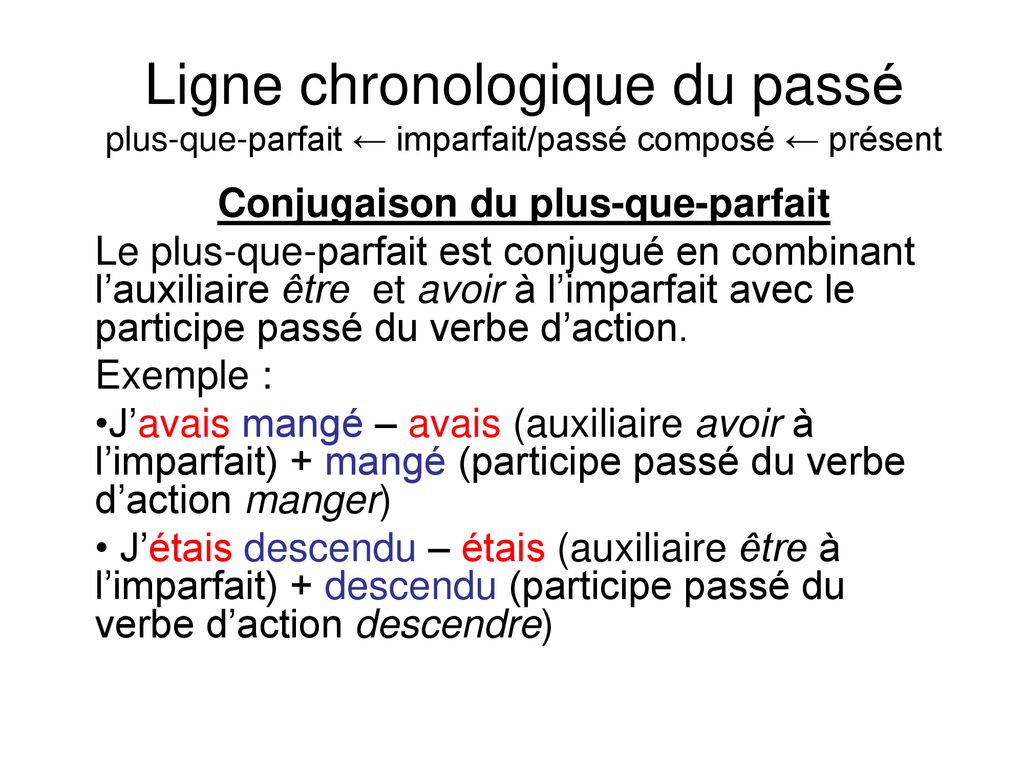
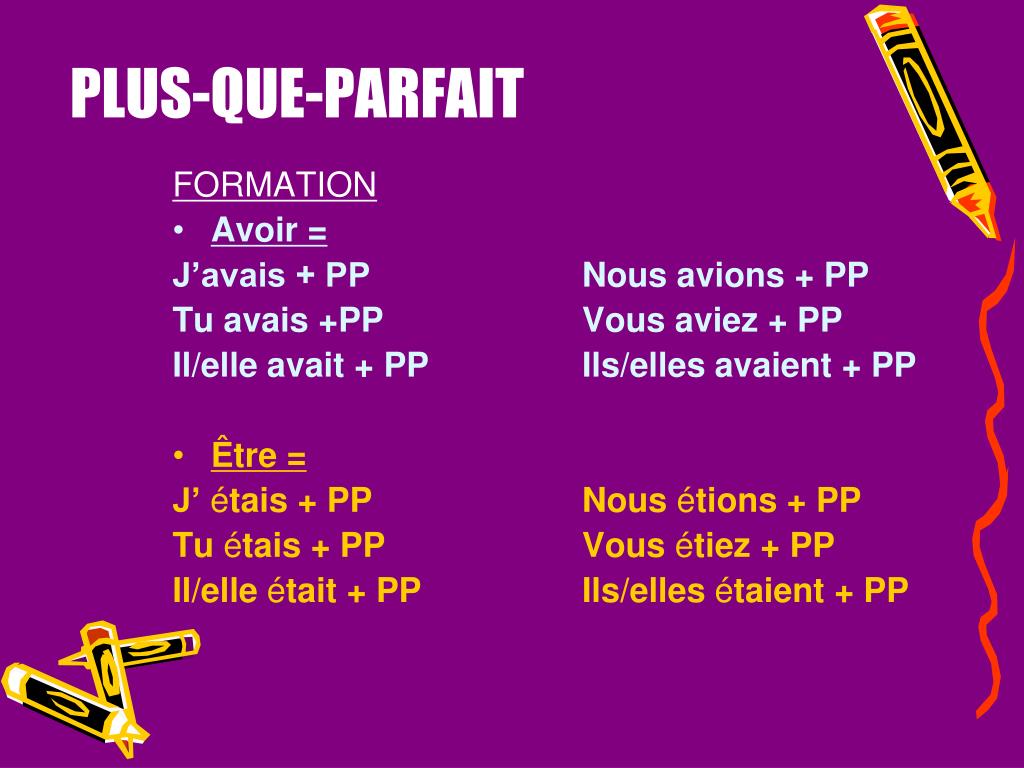
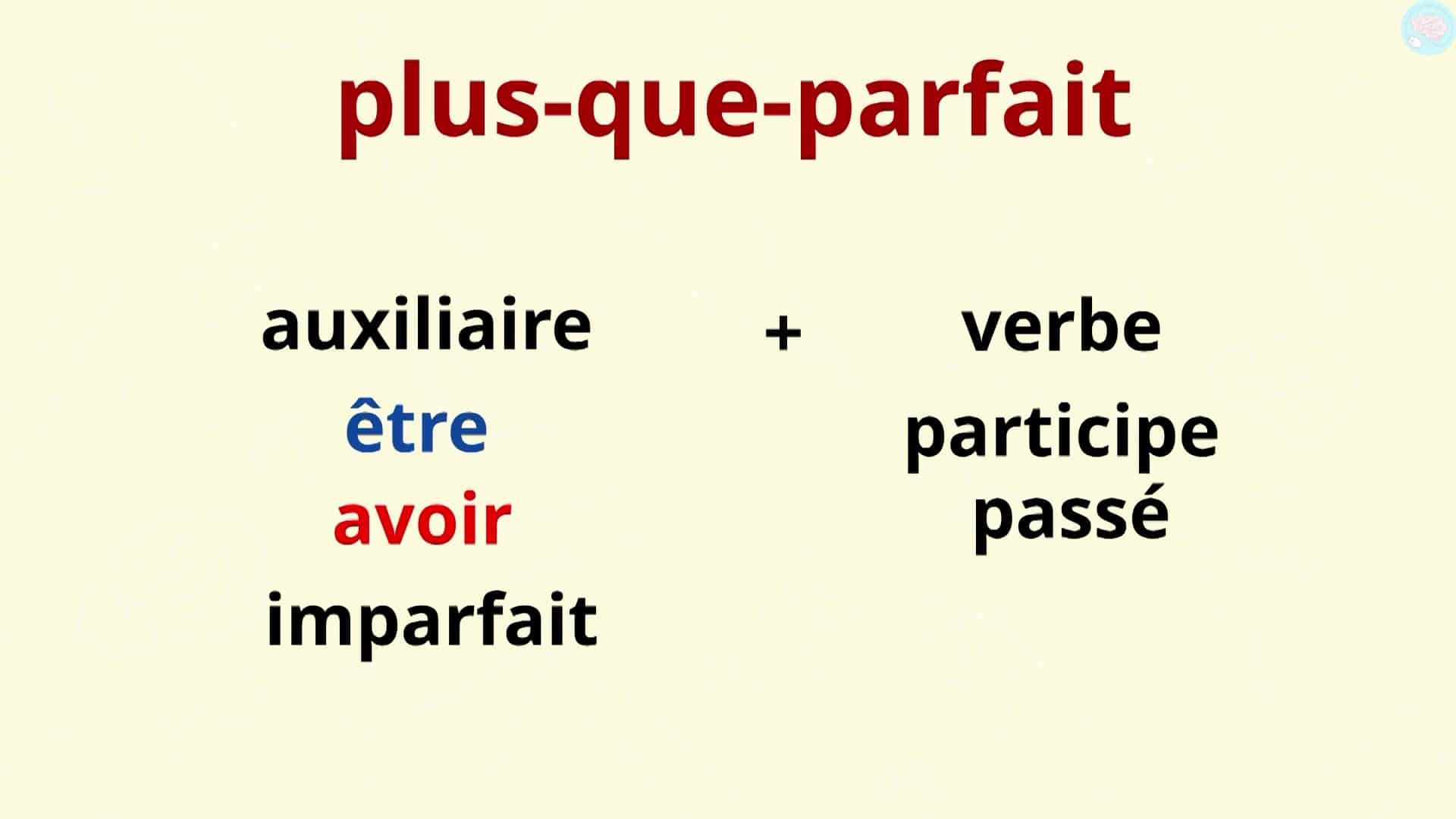
Here’s the good news: forming the plus-que-parfait isn’t brain surgery (unless you are a brain surgeon, in which case, you're probably too busy to be reading this). It follows a simple formula:
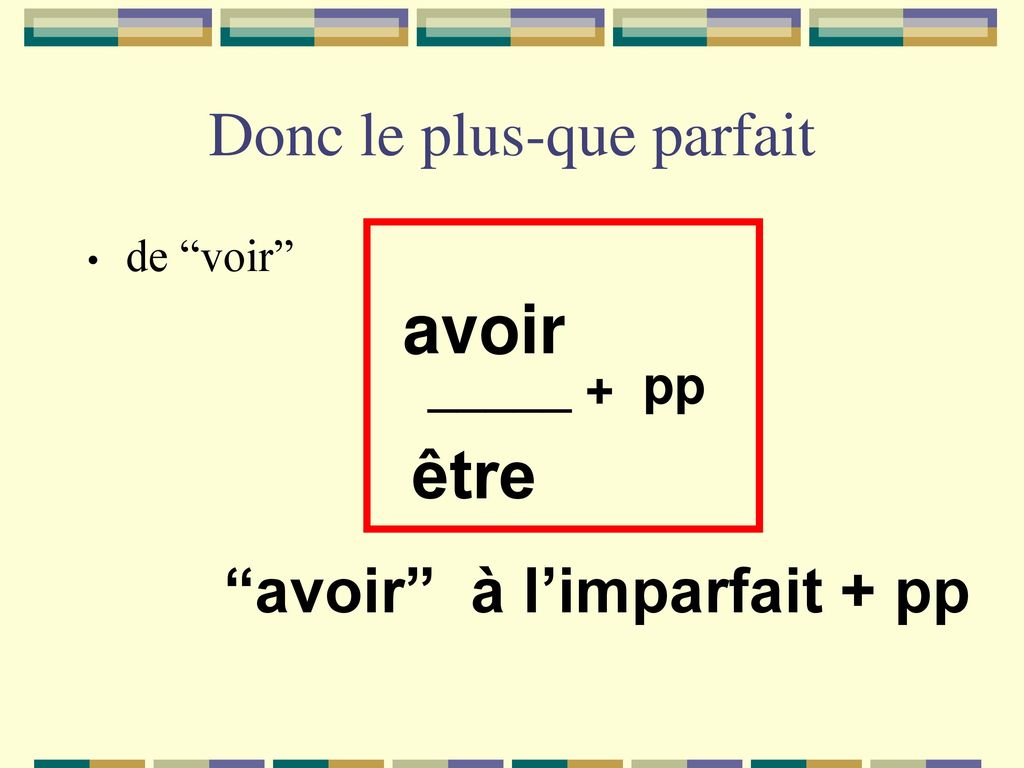
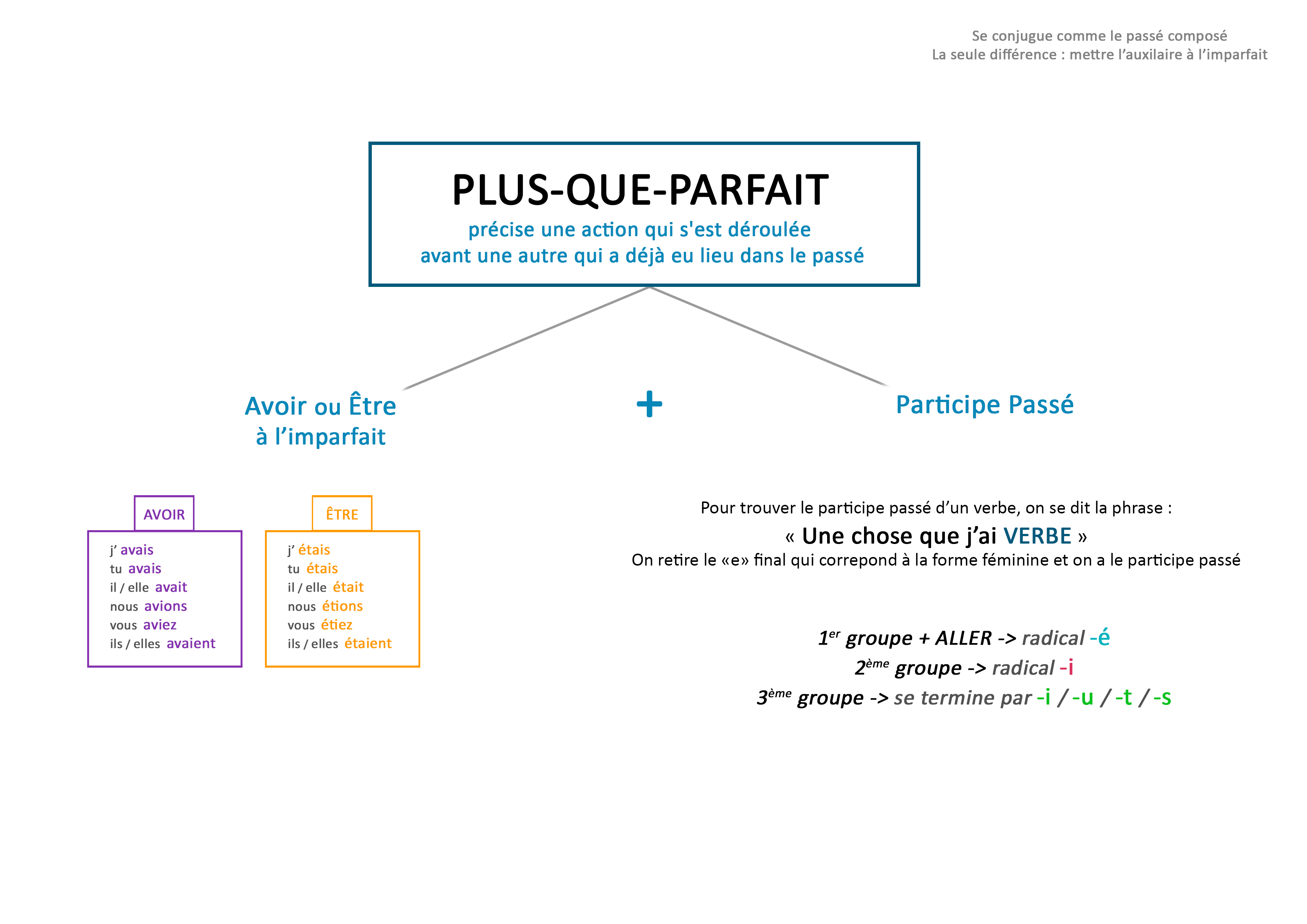
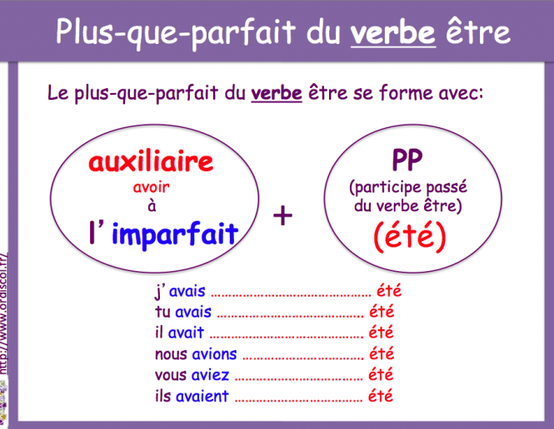
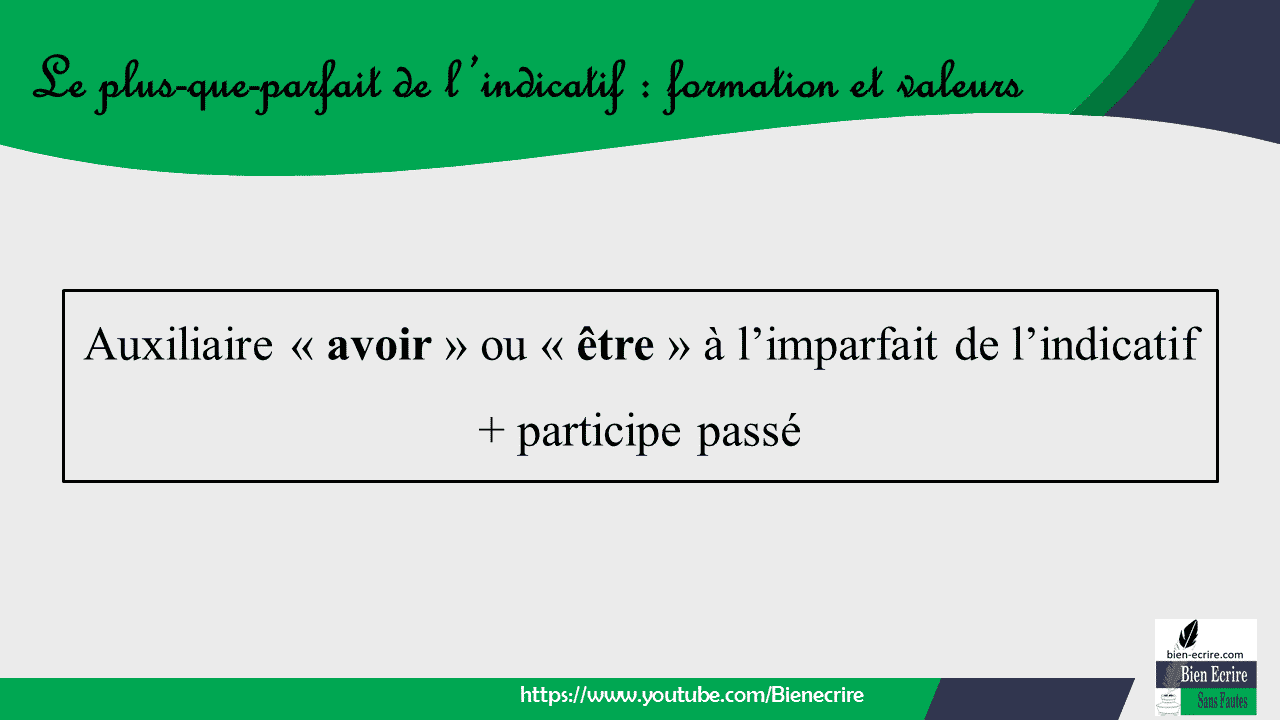
Auxiliary Verb (avoir or être in the imparfait) + Past Participle of the Main Verb
Yes, that's right, we're dusting off our old friends avoir and être. They’re the dynamic duo of French verb conjugation, always ready to lend a helping hand (or auxiliary verb, as the case may be).
Step 1: Choose Your Auxiliary Verb Wisely
Most verbs use avoir. Hooray! But, as always in French, there are exceptions. Certain verbs of motion and reflexive verbs use être. Here’s a handy-dandy (and by handy-dandy, I mean slightly overwhelming) list of verbs that usually take être:
- Naître (to be born)
- Mourir (to die)
- Aller (to go)
- Venir (to come)
- Arriver (to arrive)
- Partir (to leave)
- Sortir (to go out)
- Entrer (to enter)
- Retourner (to return)
- Tomber (to fall)
- Rester (to stay)
- Monter (to climb)
- Descendre (to descend)
- Devenir (to become)
And all their compound forms, like "revenir," "rentrer," etc. Think of them as the "movement posse" of French verbs. If it involves motion (or a change of state), être is probably your friend.
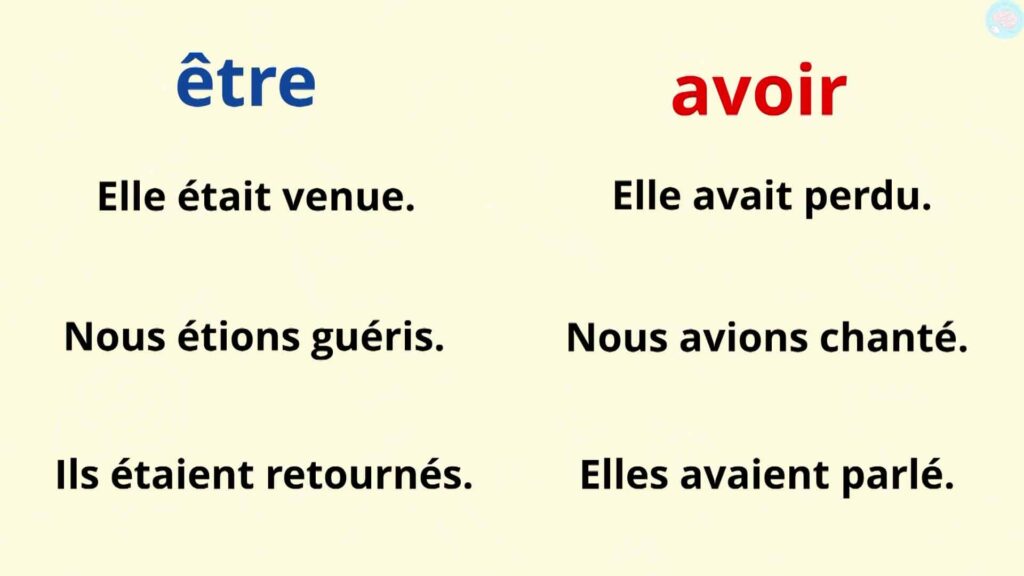
Important Note: If you're using être, the past participle must agree in gender and number with the subject. This means adding an "-e" for feminine subjects, an "-s" for plural subjects, and "-es" for feminine plural subjects. It’s like dressing up the past participle for a fancy ball. "Elle était allée au cinéma" (She had gone to the cinema). See that extra "e" on "allée"? That's agreement in action!
Step 2: Conjugate Avoir or Être in the Imparfait
Ah, the imparfait. That lovely, melancholic tense that describes habitual actions in the past or sets the scene. (Think of it as the "establishing shot" of a grammatical movie.) Here's a quick refresher:
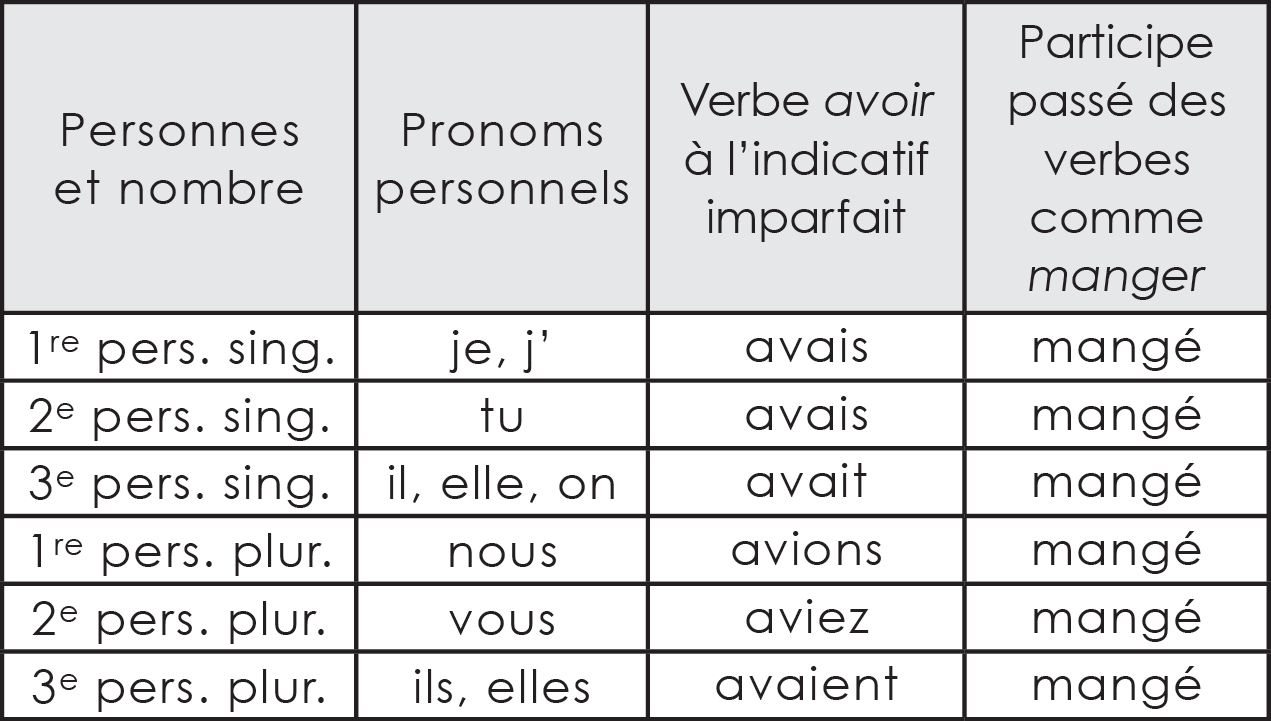
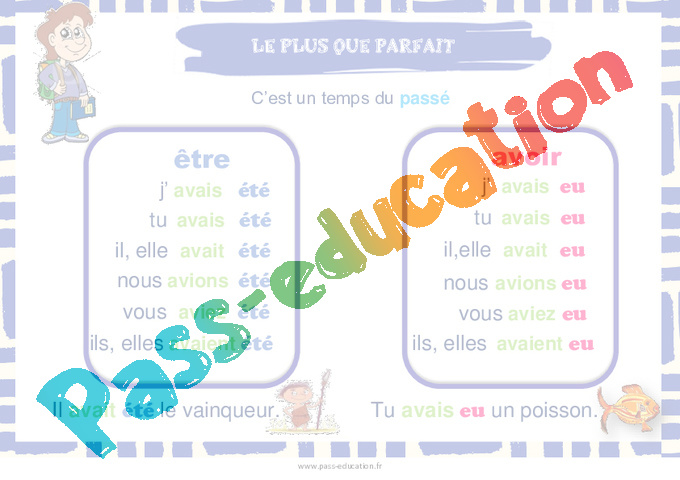
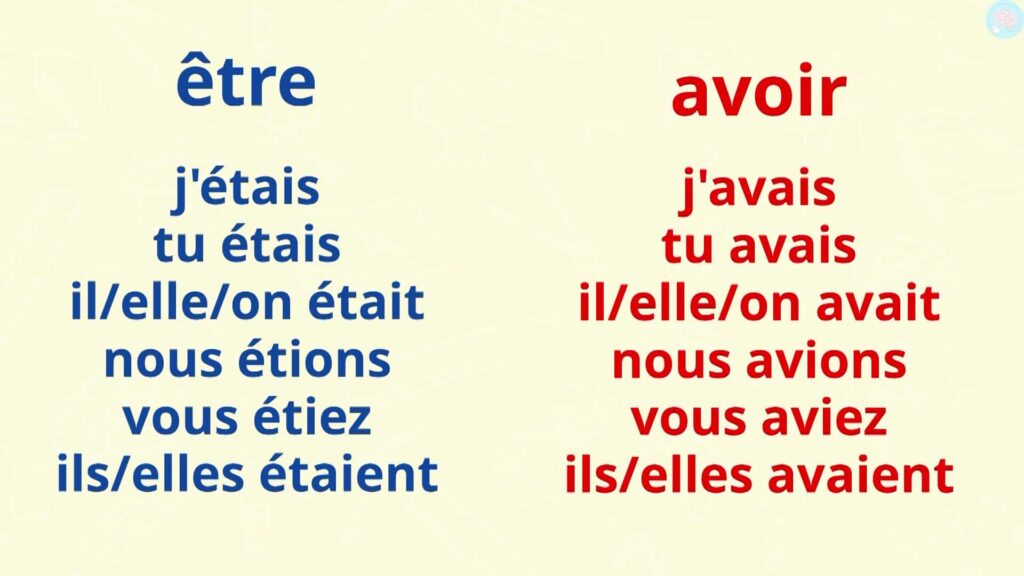
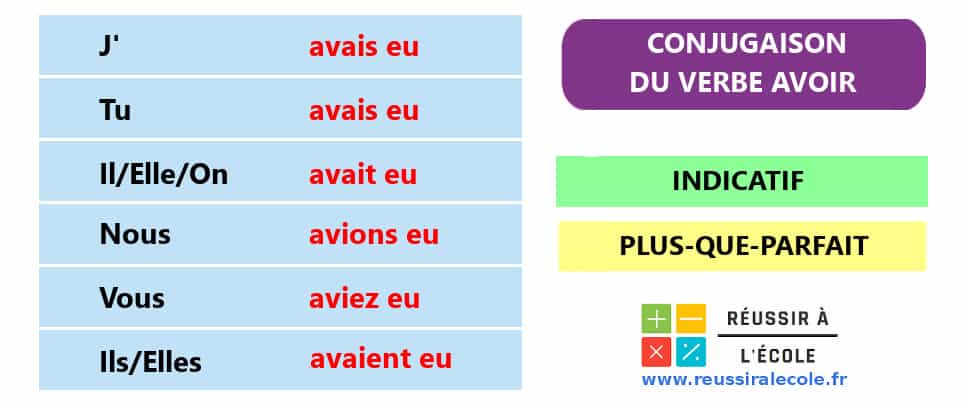
- Avoir in the Imparfait:
- J'avais
- Tu avais
- Il/Elle/On avait
- Nous avions
- Vous aviez
- Ils/Elles avaient
- Être in the Imparfait:
- J'étais
- Tu étais
- Il/Elle/On était
- Nous étions
- Vous étiez
- Ils/Elles étaient
Memorize these. Tattoo them on your arm. (Okay, maybe not the tattoo part. But seriously, know them.)
Step 3: Add the Past Participle of the Main Verb
This is where things get slightly tricky, but only slightly. For regular -er verbs, simply chop off the "-er" and add "-é." For example, "parler" becomes "parlé." For -ir verbs, drop the "-ir" and add "-i." So, "finir" becomes "fini." And for -re verbs, lose the "-re" and add "-u." "Vendre" becomes "vendu."
Of course, there are irregular past participles. Because… French. Here are a few common culprits:
- Être: été
- Avoir: eu
- Faire: fait
- Prendre: pris
- Voir: vu
- Boire: bu
- Lire: lu
- Écrire: écrit
You'll encounter more as you go along. The best way to learn them is through practice and exposure. Think of it as collecting rare Pokemon cards. Each irregular past participle is a valuable addition to your collection.

Putting It All Together: Examples in the Wild
Let's see the plus-que-parfait in action with some real-world (or at least, realistically constructed) examples:
- "J'avais déjà mangé quand tu es arrivé." (I had already eaten when you arrived.) Notice how "avais mangé" happened before "es arrivé." You were happily digesting your croissant while the other person was still battling traffic.
- "Elle était partie avant que je puisse lui dire au revoir." (She had left before I could say goodbye to her.) Sniff A tragic tale of missed opportunities, all thanks to the plus-que-parfait.
- "Nous avions visité le Louvre plusieurs fois auparavant, donc nous n'étions pas trop excités." (We had visited the Louvre several times before, so we weren't too excited.) Been there, done that, bought the miniature Mona Lisa keychain.
- "Ils s'étaient disputés avant le mariage, mais ils ont fait semblant d'être heureux." (They had argued before the wedding, but they pretended to be happy.) Ah, the drama! The plus-que-parfait reveals the dark secrets lurking beneath the surface of a seemingly perfect day.
Common Mistakes (and How to Avoid Them Like the Plague)
Even the most seasoned French learners stumble with the plus-que-parfait from time to time. Here are some common pitfalls and how to steer clear of them:
- Using the wrong auxiliary verb: Remember the "movement posse" and the reflexive verbs! If in doubt, look it up. It's better to be safe than sorry (and grammatically incorrect).
- Forgetting agreement with être: This is a classic mistake. Always double-check that the past participle agrees with the subject in gender and number. Your French teacher will thank you.
- Mixing up the imparfait and passé composé: The imparfait describes ongoing or habitual actions, while the passé composé describes completed actions. Don't use the passé composé in the auxiliary verb – it must be imparfait.
- Overusing the plus-que-parfait: While it's a useful tense, don't force it into every sentence. Sometimes a simple past tense will do the trick. Less is often more (except when it comes to chocolate).
When to Use (and When NOT to Use) the Plus-Que-Parfait
So, now you know how to form the plus-que-parfait. But when should you actually use it? Here are some guidelines:
- To indicate that an action happened before another action in the past: This is the primary function of the plus-que-parfait. It's all about establishing a clear timeline of past events.
- In "si" clauses to express hypothetical situations in the past: "Si j'avais su, je ne serais pas venu." (If I had known, I wouldn't have come.) This is a more advanced usage, but it's good to be aware of it.
- To express regret or disappointment about something that happened (or didn't happen) in the past: "J'aurais aimé que tu me l'aies dit." (I wish you had told me.) Another advanced usage, but a useful one for expressing complex emotions.
However, there are also situations where you shouldn't use the plus-que-parfait:
- When describing a single action in the past: Use the passé composé or imparfait instead.
- When the sequence of events is clear from the context: Sometimes the plus-que-parfait is unnecessary and can make your writing sound overly complicated.
- When you're feeling lazy: Okay, this isn't a grammatical reason, but let's be honest, sometimes you just can't be bothered. (But don't tell your French teacher I said that.)
Beyond the Textbook: Plus-Que-Parfait in Real Life
You might be thinking, "Okay, I understand the rules, but where am I actually going to use this in real life?" Well, here are a few scenarios:
- Telling a story about your travels: "Quand je suis arrivé à Paris, j'avais déjà visité Rome et Londres." (When I arrived in Paris, I had already visited Rome and London.) Show off your impressive travel history!
- Explaining why you're not surprised by something: "Je n'étais pas surpris parce que je le savais déjà." (I wasn't surprised because I already knew it.) You're always one step ahead.
- Gossiping about your friends: "Elle m'a dit qu'elle avait rompu avec son petit ami." (She told me that she had broken up with her boyfriend.) The plus-que-parfait is perfect for relaying juicy details about past relationships.
- Justifying your questionable decisions: "J'avais bu trop de vin, donc j'ai dit des choses stupides." (I had drunk too much wine, so I said stupid things.) Ah, the classic excuse.
Practice Makes Perfect (or at Least Gets You Closer)
The key to mastering the plus-que-parfait is practice, practice, practice! Here are some exercises to get you started:
- Fill in the blanks: Complete the following sentences with the plus-que-parfait of the verb in parentheses:
- Avant de partir en vacances, j'__________ (réserver) un hôtel.
- Elle __________ (finir) ses devoirs quand je l'ai appelée.
- Nous __________ (voir) ce film plusieurs fois auparavant.
- Translate the following sentences into French using the plus-que-parfait:
- I had already eaten when you arrived.
- She had left before I could say goodbye.
- We had visited the Louvre several times before.
- Write a short paragraph about a time when you experienced a "past of the past" situation. Get creative!
The Ultimate Plus-Que-Parfait Survival Kit
To help you on your journey to plus-que-parfait mastery, here's a handy survival kit:
- A good grammar book: Because sometimes you just need to look things up.
- An online French dictionary: WordReference.com is your friend.
- A patient French tutor: Someone who can explain things clearly and won't judge you for your mistakes.
- A large supply of coffee (or wine): Depending on your preference.
- A sense of humor: Because learning French can be frustrating, but it can also be fun!
The Plus-Que-Parfait: Not Just a Tense, But a Way of Life
Okay, maybe that's a slight exaggeration. But the plus-que-parfait is more than just a grammatical concept. It's a way of thinking about time and how events relate to each other. It's a tool for telling richer, more nuanced stories. And it's a testament to the beauty and complexity of the French language.
So, embrace the plus-que-parfait! Don't be afraid to experiment with it, to make mistakes, and to learn from them. With a little practice and perseverance, you'll be using it like a pro in no time. And who knows, maybe one day you'll even impress your French grandmother with your grammatical prowess. (Just don't forget to bring a gift to the party.)
In conclusion, mastering the plus-que-parfait is like finally understanding that weird inside joke everyone else seems to get. It's satisfying, it's empowering, and it makes you feel just a little bit more French. Now go forth and conjugate! Just remember, if you mess it up, blame it on the wine. À votre santé!