Okay, imagine this: You're at a fancy estate sale, right? Chandeliers sparkling, antique furniture crammed into every corner... and then you spot it: a magnificent, centuries-old oak tree dominating the garden. You're thinking, "Wow, that tree is worth a fortune in lumber alone!" But hold on a sec. Whose tree is it, really? Is it just part of the property, or something... more? This little mental image leads us straight to the heart of Article 524 of the French Civil Code. Prepare for a deep dive into the wonderful world of real estate, French style! (And yes, there will be legalese. But I promise to make it as painless as possible.)
So, what is Article 524? In essence, it defines certain things attached to land as being immovable, even though they might seem moveable at first glance. Think of it as the French legal system saying, "Nope, you can't just pick that up and walk away with it." This article helps determine what's considered part of a property and what isn't, which is crucial for sales, inheritances, and pretty much any transaction involving land.
The Core of Article 524: Immovable by Destination
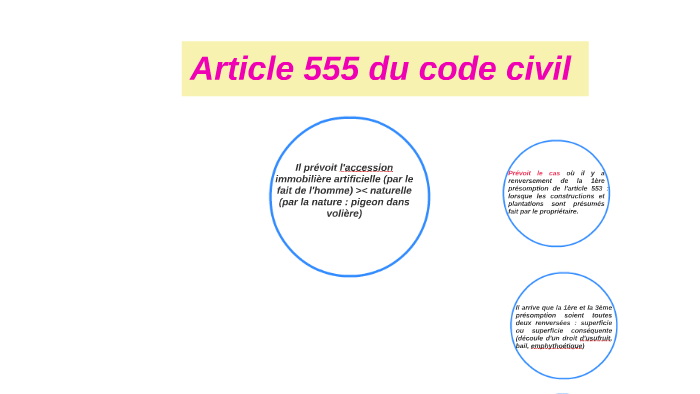
Here's where things get interesting. Article 524 speaks of "immeubles par destination" - literally, "immovables by destination." What this means is that things that are naturally moveable (like, say, a cow, a statue, or even a tractor) can be legally considered immovable if they are permanently attached to, or used for the service of, a piece of immovable property (land, building, etc.). The key here is the intention behind the attachment or use. Is it meant to be permanent? If so, it might just be an immeuble par destination!
Think of it like this: your living room rug isn't permanently attached (hopefully!). But, the built-in bookshelves? Definitelly part of the appartment.
Key Elements of "Immeubles par Destination"
To qualify as an immeuble par destination, certain conditions generally need to be met. Let’s break them down:
- Attachment or Affection: There must be a physical attachment to the immovable property, or a clear intent to permanently dedicate the moveable object to the service or exploitation of the property. This "affection" is a legal term, not an emotional one! (Though I'm sure some people feel affection for their tractors.)
- Unity of Ownership: The owner of the moveable object must also be the owner of the immovable property to which it's attached or dedicated. You can't just decide that your neighbor's cow is now part of your property because it grazes near your fence. That’s just… not how it works.
- Intention of the Owner: This is super important. The owner must have the intention of permanently attaching the moveable object or dedicating it to the immovable property. This intention can be inferred from the circumstances, but clear evidence (like a written declaration) is always helpful.
Examples to Wrap Your Head Around It
Okay, let's make this concrete with some examples. Because let's be honest, abstract legal concepts can be a bit dry.

Agricultural Scenarios
Imagine a farm. What might be considered immeubles par destination there?
- Tractors and other farm machinery: If they are used exclusively for the exploitation of the farm, they're likely considered immeubles par destination.
- Livestock: Specifically, livestock used for plowing or other farming activities. (Your pet poodle? Probably not. Unless it's an exceptionally strong poodle that can pull a plow. In which case, kudos to you!)
- Agricultural implements: Ploughs, harrows, and other tools used specifically for farming the land.
Industrial and Commercial Scenarios
Now, let’s go from the countryside to the city. What about factories or shops?
- Industrial machinery: Machines that are permanently fixed to the factory floor and essential for its operation. (That giant stamping press? Definitely an immeuble par destination.)
- Store fixtures: Custom-built shelves, counters, and other fixtures that are specifically designed for the store and not easily removable.
- Hotel equipment: In a hotel, think about the fitted carpets, installed air conditioning units, or built-in wardrobes.
Residential Scenarios
And finally, what about your house or apartment?
- Built-in appliances: A dishwasher that is integrated into the kitchen cabinets.
- Custom-made features: A fireplace that is built into the structure of the house.
- Decorative Elements: Large statues permanently fixed to the building, fountains in a garden where the garden is specifically designed around the fountain
See? It's not as complicated as it seems. It all boils down to whether the item is meant to be a permanent part of the property and is used in service of that property. (And of course, whether the owner of the moveable item also owns the property.)
Why Does Article 524 Matter?
So, why should you care about this seemingly obscure article of the French Civil Code? Well, here's the deal:
- Property Transactions: When you buy or sell a property, it's crucial to know exactly what's included in the sale. Article 524 helps clarify this. You don't want to be surprised when the seller takes the custom-made bookshelves with them, claiming they're not part of the property!
- Mortgages and Loans: Banks and other lenders need to know what assets are securing a loan. If a farm's tractors are considered immeubles par destination, they can be included in the collateral.
- Inheritance: When a property is inherited, Article 524 helps determine which items are part of the estate and should be passed on to the heirs.
- Taxes: In some cases, the classification of an item as an immeuble par destination can affect its tax treatment.
Basically, Article 524 helps to prevent disputes and ensure clarity in property-related matters. It's all about knowing your rights (and obligations) when it comes to what's considered part of a property. A clear title is important, so knowing everything in the deal can save you many problems down the line.

Potential Issues and Interpretations
Of course, like any legal provision, Article 524 isn't always straightforward. There can be gray areas and disagreements about whether a particular item qualifies as an immeuble par destination. It usually goes to a judge to be decided.
For example, what about solar panels installed on a roof? Are they permanently attached? Are they essential for the use of the property (especially if the property is off-grid)? These are the kinds of questions that courts might have to consider.
Or what about a mobile home? (The irony!) Even though it's designed to be mobile, it might be considered an immeuble par destination if it's permanently affixed to a foundation and used as a primary residence. The circumstances matter.

Judges often look at the intention of the property owner. If the owner clearly intended to permanently integrate the item into the property, that's a strong indication that it's an immeuble par destination. Evidence of this intention can be found in contracts, invoices, and even the physical characteristics of the attachment.
A Final Thought
So, there you have it: Article 524 of the French Civil Code, demystified (hopefully!). It's a seemingly small provision that has a big impact on property law in France. Next time you're at an estate sale, or just admiring a beautiful property, take a moment to consider what's really part of the land. You might just impress your friends with your newfound knowledge of immeubles par destination! (Or, you know, just avoid a costly legal battle down the road.)
Keep in mind that this is a simplified explanation, and it's always best to consult with a legal professional for specific advice regarding your situation. (Disclaimer, disclaimer, disclaimer!) But hopefully, this has given you a good overview of this fascinating aspect of French law. Bonne chance!
+%3D+la+liberté+contractuelle.jpg)

![[Code Civil 2017] 500 articles créés ou modifiés, découvrez des](https://www.tendancedroit.fr/wp-content/uploads/2016/08/Extrait-CodeCivil-Art1100.png)